Last updated November 17, 2026


Free written scope consultation - allowances, timeline, and change-order rules on paper before a single trade is scheduled
Fence Installation Warning Signs Every Homeowner Should Know
A fence quote that lists “labor and materials” as one number with no itemization is not a quote. It’s a reservation of the right to charge you more later. That single formatting choice predicts more fence disputes than any other factor we see in Dallas, where clay soil, summer heat that bakes concrete unevenly, and a competitive contractor market make shortcuts easy to hide until the first post leans. This guide shows you how to read a fence bid the way a contractor reads one – line by line – so you can spot the missing items that turn into cost overruns, failed inspections, and fences that sag before their fifth year. You’ll learn what a legitimate bid must itemize, how to verify the right Dallas permit class, and which on-site signs during installation tell you the job is already going sideways.
Quick Answer
The biggest warning signs in fence installation are a bid with no itemized line items, missing post size and gauge, no stated concrete yardage per post, no permit paperwork, and a contractor who resists putting scope changes in writing. In Dallas, the wrong permit class or a skipped permit can create a lien-able failed inspection at resale, and posts set in clay without proper cure time before rails go on will lean within two summers.
Styles & brands we work with
- Kitchen remodeling
- Bathroom remodeling
- Home additions & ADU
- Roofing
- Windows & doors
- Driveway & pavers
- Fence
Table of Contents
- What a legitimate fence bid must itemize
- The missing line items that predict cost overruns
- How to verify the correct Dallas permit class
- On-site warning signs during installation
- Material substitution red flags
- Why a signed change order requirement matters
- Dallas climate and soil problems fences hide
- How to compare three fence bids side by side
What a Legitimate Fence Bid Must Itemize
A real fence bid reads like a specification sheet, not a greeting card. Every measurable component gets a number attached to it, because every one of those numbers is a place where a low bid gets its margin back. When we review a competitor’s estimate for a Dallas homeowner through our free second opinion, the first thing we look at is what’s been left off the page – that omission is almost always where the price gap lives.
A bid worth signing names every one of these on its own line:
- Post size and gauge – typically 4×4 or 6×6, with the wall thickness of steel posts stated in gauge (a 16-gauge post and a 20-gauge post look identical until one bends).
- Concrete yardage per post – not “concrete included,” but how many bags or cubic feet go into each hole. A post set in a shallow, dry-packed hole is a post that will wobble.
- Rail count and rail gauge – two rails or three, and the thickness of the rail itself.
- Picket species and grade – cedar, pine, composite, or vinyl, with the grade named for cedar (Select vs. #2 Common).
- Hardware specification – galvanized vs. non-galvanized screws, hinges, and latches. Non-galvanized hardware rusts in Dallas humidity and stains the wood within a year or two.
- Gate hardware and swing direction – gate width, hinge type, and which way it opens.
- Removal and disposal of the old fence, if applicable, priced separately.
- Permit fees – named as their own line, not buried in a lump sum.
If any of these is missing, the bid isn’t complete – it’s a placeholder. Ask for the line. A contractor who can’t produce it is telling you something about how the job will be run. Under our Haven Standard, the written price is delivered before any work starts, and we’d rather lose a bid than hand over a number we can’t defend line by line.
The Missing Line Items That Predict Cost Overruns
Look closely at what’s absent from a fence bid. In Dallas, the same handful of omissions show up again and again as the source of disputes months later. Any one of them is a warning sign. Three or more, and you’re looking at a job priced to draw you in, not to be delivered at the stated cost.
- No stated post hole depth. Fence posts need to sit below the frost line in cold markets and well below grade in Dallas to reach stable soil. A bid that doesn’t say how deep is a bid that plans to go shallow and hope.
- No disposal line. Old fence panels and posts don’t vanish. If there’s no charge for haul-away, either it was rolled into a number nobody can audit, or you’ll be moving the debris yourself.
- No gate warranty stated on its own. Gates fail first and fail most often. A warranty that covers “the fence” but says nothing specific about gates is a warranty that will be argued about.
- No drainage or grading note. Dallas clay holds water. A fence line that traps runoff against your foundation or a neighbor’s is a problem waiting for the first big storm.
- No mention of the property line. A fence built a foot onto a neighbor’s lot is a legal headache, not a construction one. The bid should reflect that the line was located and agreed before digging.
The pattern here is simple: a bid that names few specifics is a bid that reserves every unspecified decision for later – and later is when prices change. The written quote should read like a scope, not a promise.
How to Verify the Correct Dallas Permit Class
Dallas requires permits for most residential fence installations, and there’s a meaningful difference between a residential fence permit and the commercial permit class. Getting the wrong one creates a paper trail problem: a fence that fails inspection for permit-class mismatch can cloud a title search or become a lien-able issue when you go to sell the house.
Here’s how to check that the permit is right before ground is broken:
- Ask for the permit application before work starts. Not a promise to pull it – a copy of what was filed.
- Confirm the permit class reads “residential.” A commercial fence permit on a single-family lot is a red flag, and it’s the kind of detail an inexperienced contractor misses.
- Verify height compliance. Dallas has height restrictions for fences in front yards and corner lots that differ from backyard residential rules. The permit should reflect the height you’re actually building.
- Ask for the inspection result at the end. A permit isn’t done when it’s issued – it’s done when it passes final inspection. Request the signed-off paperwork.
When an owner sells a Dallas home with an unpermitted fence, they often find out during the buyer’s inspection report. The fix at that point costs far more than pulling the permit up front. We pull permits and show the paperwork because a fence with a clean file is a fence that adds value rather than subtracting it. For more on how we handle the broader scope around fencing, see our Fence Installation in Dallas page.
On-Site Warning Signs During Installation
The work itself announces whether it’s being done right, if you know what to watch for. Walk outside on the first and second day and look. A few minutes of observation tells you more than a week of phone updates.
- Posts set without adequate cure time before rails are attached. Concrete needs to set before weight and leverage are applied. If rails go on the same morning posts go in, the concrete didn’t cure – and a post that shifts while curing never sits true.
- Gates hung before concrete sets. A gate hung on a green post will sag because the post is still moving. Watch whether the crew waits, and ask how long they plan to before hanging.
- No string line for alignment. A string line strung post to post is the simplest and most reliable way to keep a fence straight. No string line means the crew is eyeballing, and eyeballing bends on long runs.
- Posts set without digging below the surface soil layer. In Dallas, topsoil gives way quickly, and posts need to reach stable material below. Shallow posts wobble – the clay above moves with every wet season.
- No photo documentation. We photograph every stage of a fence build, from post hole depth to final hardware, so the homeowner has evidence of what was found and what was done. A crew that doesn’t document its own process is a crew you can’t audit later.
The clearest single test: ask the crew to tell you how deep the post holes are going. If they can’t give you a number, the number wasn’t planned.
Material Substitution Red Flags
Two stacks of cedar boards can look identical on a truck and behave very differently five years later. The same applies to hardware. This is where an honest bid earns its keep and a low one gives its savings back.
Cedar grade. Select grade cedar is the cleaner cut, fewer knots, straighter grain, longer life. #2 Common is cheaper, with more knots and more movement over time. Stacked side by side on a delivery, both look like cedar – because they both are. The price difference per board can run 30 – 50%, and the lifespan difference is measured in years. A bid that says “cedar” and doesn’t name the grade is a bid that can substitute on you.
Galvanized vs. non-galvanized hardware. Dallas humidity plus rain means non-galvanized screws, hinges, and latches rust and stain the wood. Galvanized hardware looks the same on install day and lasts years longer. Ask for it in the bid.
Brand substitution on pavers and borders. Where a fence abuts pavers or a border treatment, brand matters. Belgard, Tremron, and Techo-Bloc are all credible, but a bid that names one and delivers another is a substitution you should refuse. Our Driveway & Pavers in Dallas team hears this complaint often – pavers or edging swapped at delivery because “the truck was short.”
The rule is the same for any material: the bid should name the brand, the grade, and the spec. If it names only a material category, you’ve been given a category, not a commitment.
Why a Signed Change Order Requirement Matters
The single clearest warning sign of all: a contractor who resists putting scope changes in writing. Mid-job changes happen on almost every fence – a rotten post discovered, a root system that forces the line to shift, a gate location the homeowner changes after seeing the layout. What matters is what happens when that change comes up.
A contractor operating without written change orders does one of two things at the end of a job: absorbs the extra cost silently (rare, and means something was cut elsewhere), or presents an inflated final invoice the homeowner has no way to challenge. There’s no paper trail of what changed, when, or why.
Under Clause 1 of our standard, no change proceeds until the change order is signed. In practice that looks like this:
- A crew member finds something unexpected on site – a buried utility stub, a root mass, a property-line discrepancy.
- Work stops on that section. Nothing gets built around the unknown.
- You get the written change: what was found, what it costs to handle, and how long it adds.
- You sign. Then work resumes.
That discipline is why our projects finish within a few percent of the number the customer agreed to. Ask any contractor you’re considering whether they use signed change orders. If the answer is vague, you’ve found your answer.
Dallas Climate and Soil Problems Fences Hide
Dallas is a specific market for fencing, and a bid that treats it like any other city is a bid that misses the local realities that matter. Our clay soil expands when wet and contracts in summer heat, which means posts set without adequate depth and concrete volume start shifting within a season or two. That’s why we see spring failures concentrated along fence lines installed in the fall – the posts were set right before heavy rain saturated the clay and the concrete hadn’t fully cured underneath before the rails went on.
In older neighborhoods like Lakewood, the fence lines often run into mature root systems and buried utilities that need hand-digging rather than auger speed. In newer suburbs, the grading can slope substantially between lots, and a fence installed level instead of following the grade looks crooked from one side – which is a construction decision, not a build error, and should be discussed before the posts go in.
The heat matters too. Concrete mixed and poured in August needs different handling than concrete poured in March. A contractor who knows Dallas knows the difference and plans for it. One who doesn’t is learning on your fence.
Where a fence ties into a broader exterior plan – a rear patio, a driveway replacement, an ADU at the back of the lot – the sequencing matters. Fencing first, then pavers, then the addition keeps the site clean and the trades from stepping on each other. Our Home Additions & ADU in Dallas team coordinates this sequencing constantly, and the fencing conversation belongs at the planning stage, not the end. For a full picture of the trades we run, see the Rowan Construction Group Dallas home page.
How to Compare Three Fence Bids Side by Side
Three fence bids for the same job are often three different jobs described in three different ways. The way to compare them fairly is to line them up against the same checklist, not against each other’s bottom-line number.
- Lay all three side by side and highlight every line item. The bid with the fewest lines is usually the one that will grow.
- Check that every one of the eight required items from the first section is present. Post size, gauge, concrete per post, rail count, picket grade, hardware spec, permit line, disposal line.
- Confirm the permit class. Residential, not commercial, on a single-family lot.
- Ask each contractor for the cedar grade in writing. Select vs. #2 Common should be named, not assumed.
- Ask each contractor whether they use signed change orders. A yes with a process described is very different from a yes with a shrug.
- Ask what documentation you get at the end of the job. A photo record, an inspection sign-off, a written warranty. All three should be standard, not an upgrade.
This is the same process our free second opinion runs on any written estimate. Bring a competitor’s quote and we’ll walk the line items with you at no charge. The point is a bid you can trust – ours or anyone’s.
Common Mistakes to Avoid
- Choosing the lowest bid without reading the line items. The lowest bid on a Dallas fence job is usually the most under-specified, and the missing items are where the overrun lives.
- Not confirming the permit class. A commercial permit on a residential lot fails at the wrong moment – inspection, or worse, resale.
- Accepting “cedar” without a grade. Select and #2 Common price 30 – 50% apart, and a bid that says “cedar” can substitute either.
- Letting the crew hang gates the same day as the posts. Green concrete and green posts mean a gate that sags within a season.
- Skipping the property-line verification. A fence a foot onto a neighbor’s lot is a legal problem and a fence on your neighbor’s property is theirs to remove.
- Signing a bid with no change-order process. Every mid-job change becomes a bill at the end, with no documentation to argue against.
- Assuming the brand promised is the brand delivered. Belgard, Techo-Bloc, and Tremron are all fine materials – substitution on delivery isn’t.
See the difference
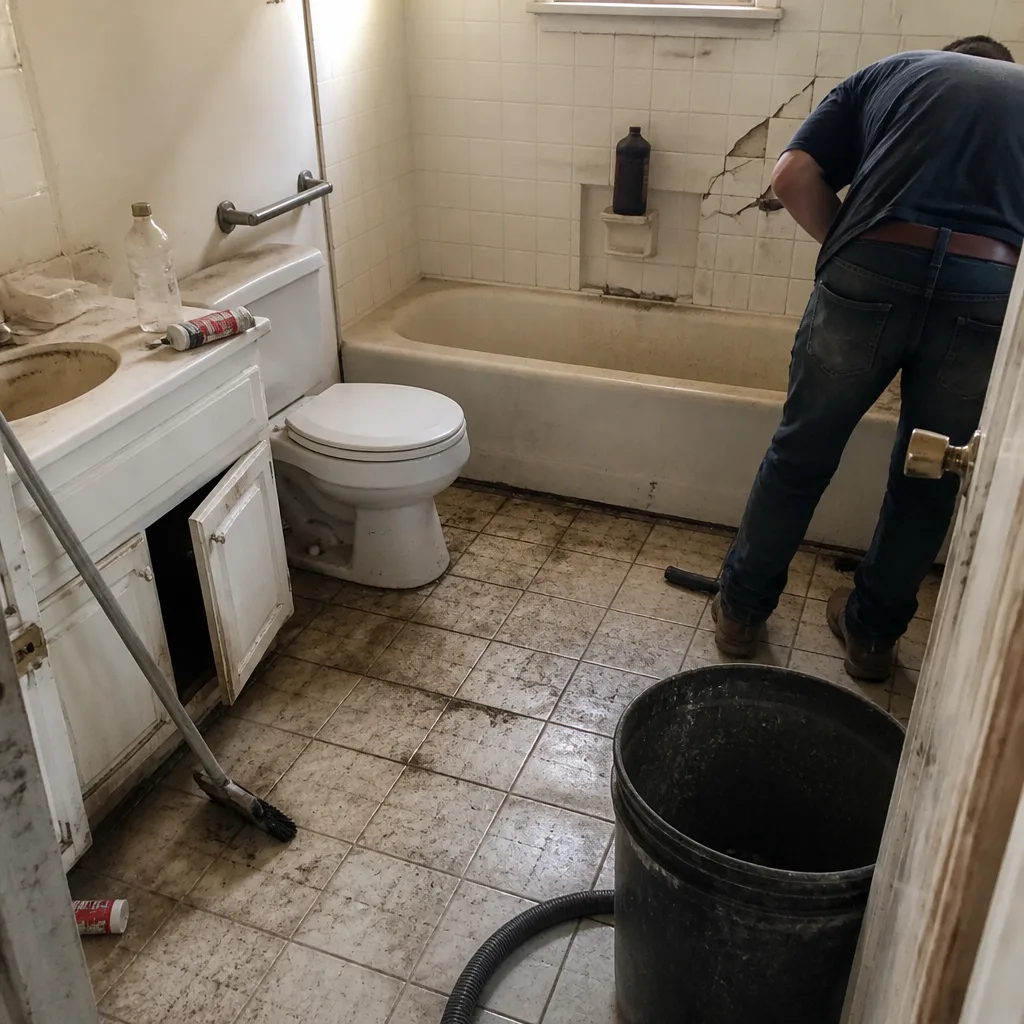 Before
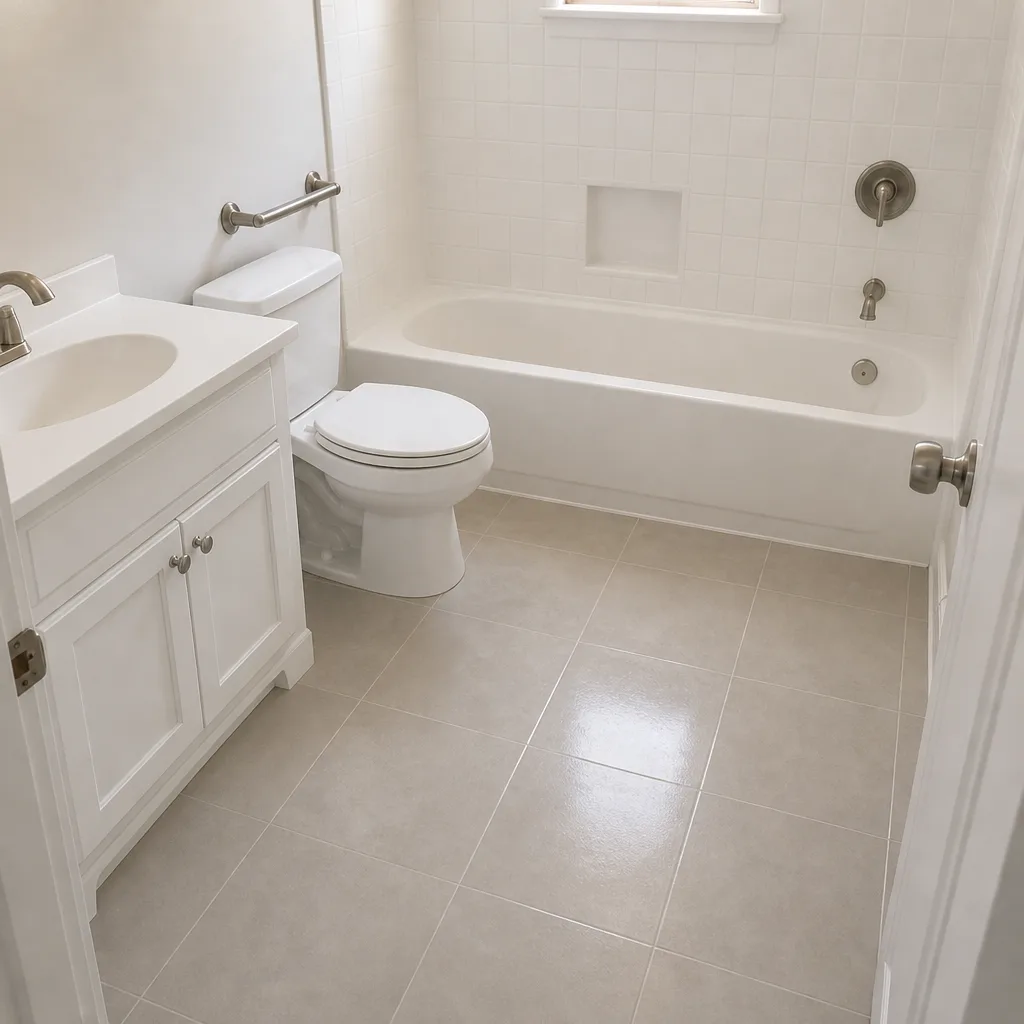 After
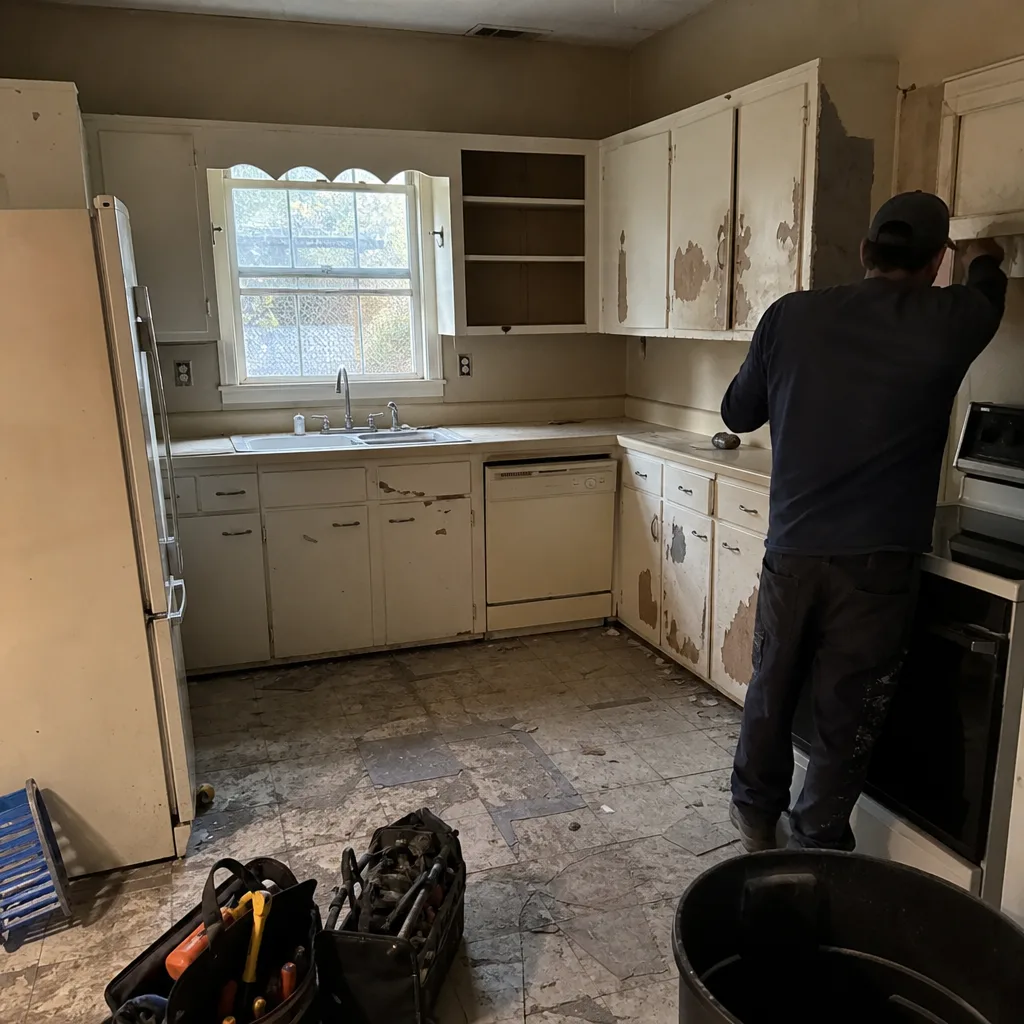 Before
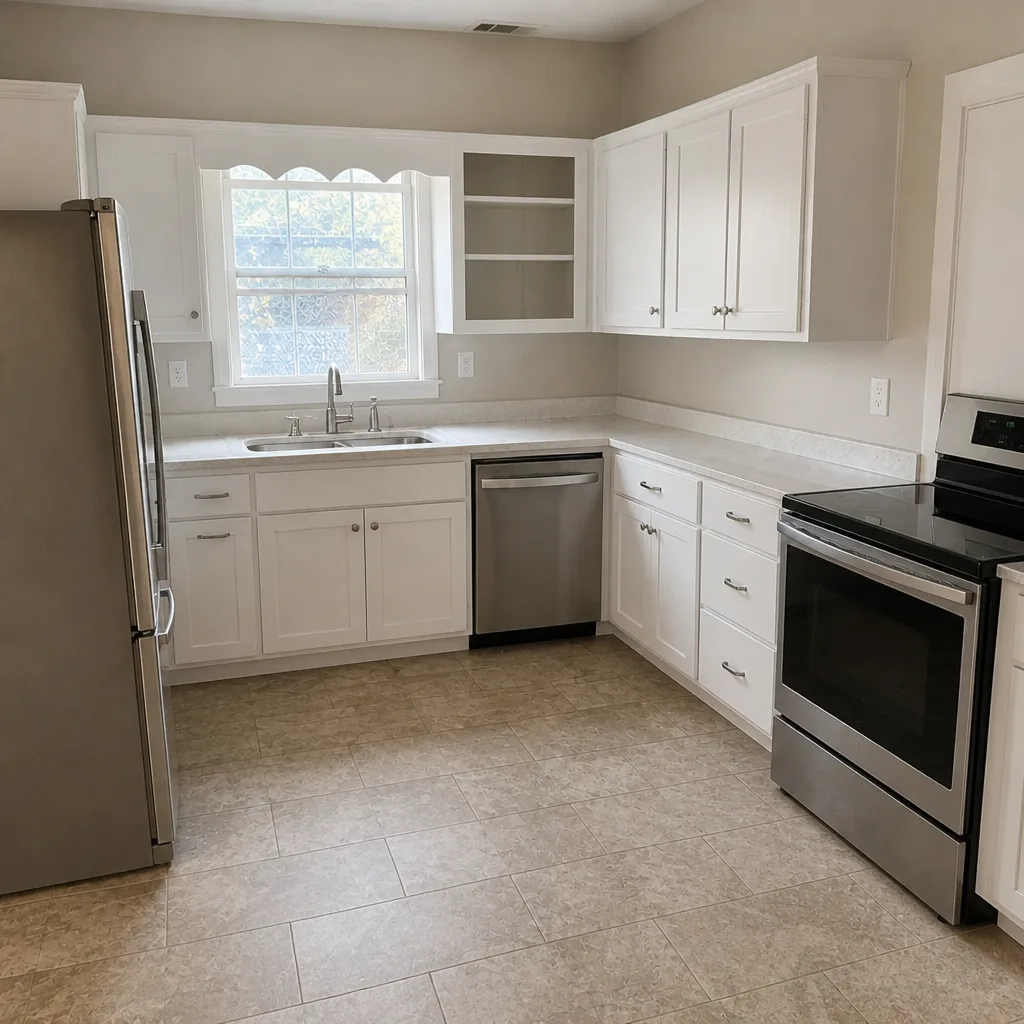 After
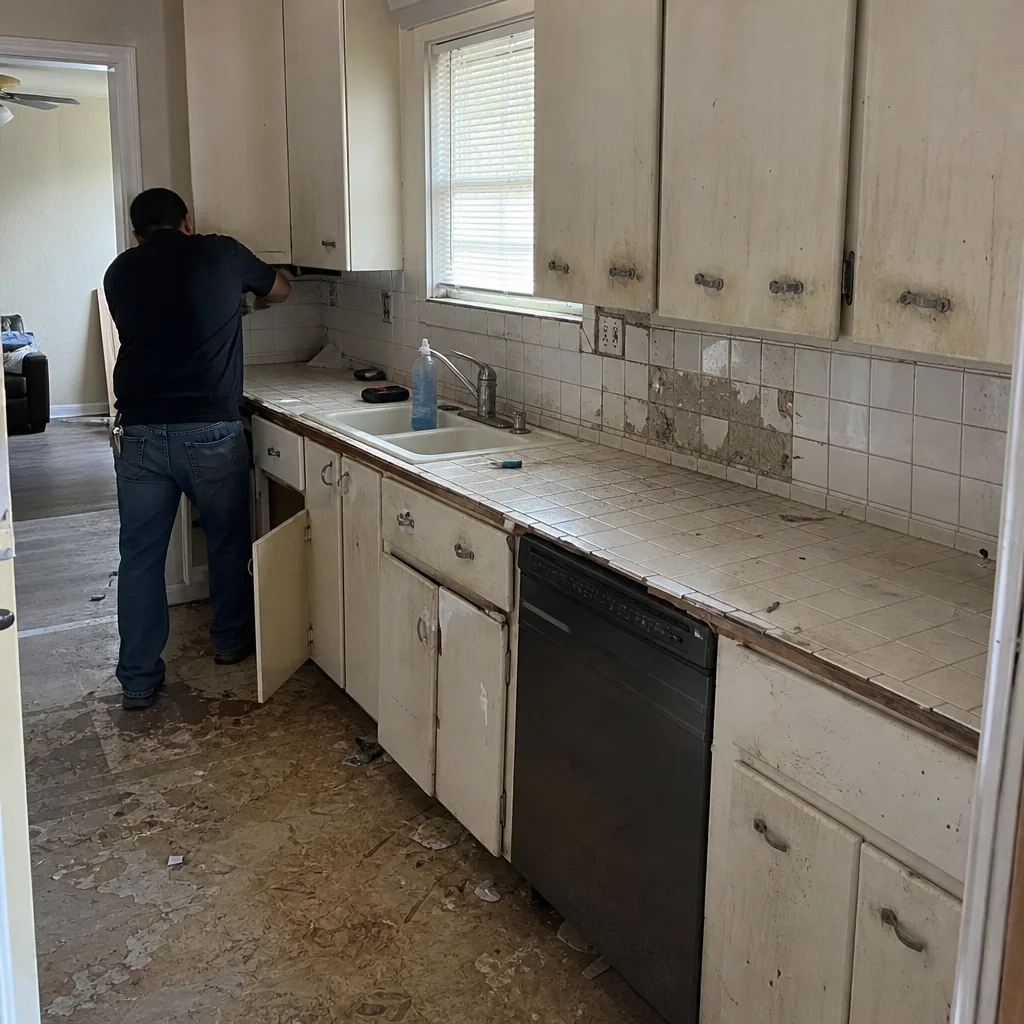 Before
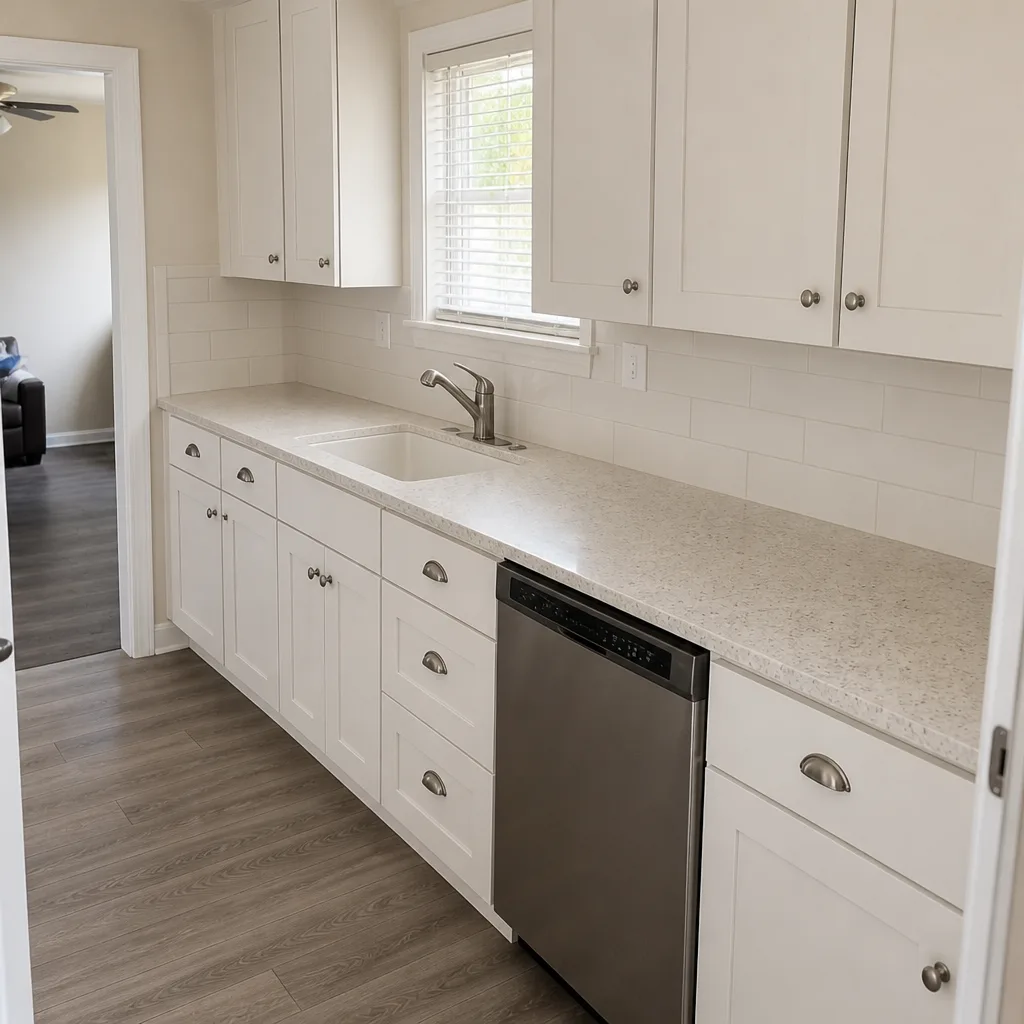 After
When to Call a Professional
Some fence work is a weekend project. Most isn’t. Call a professional when the fence line runs near buried utilities, when the property line is in dispute, when you’re replacing a fence that failed for reasons you can’t explain (that’s usually a drainage or soil issue, not a fence issue), or when the installation involves any gate wider than a standard walk gate. Permit-required work, height-restricted lots, and fences adjacent to retaining walls or grade changes all belong in a contractor’s hands. Rowan Construction Group Dallas offers free estimates in Dallas – call (833) 954-5327 and we’ll walk the site, produce a written quote with every line item named, and show you the documentation you’ll receive when the crew leaves. Estimates are free, quotes are itemized, and the price is in writing before anyone picks up a tool.
Frequently Asked Questions
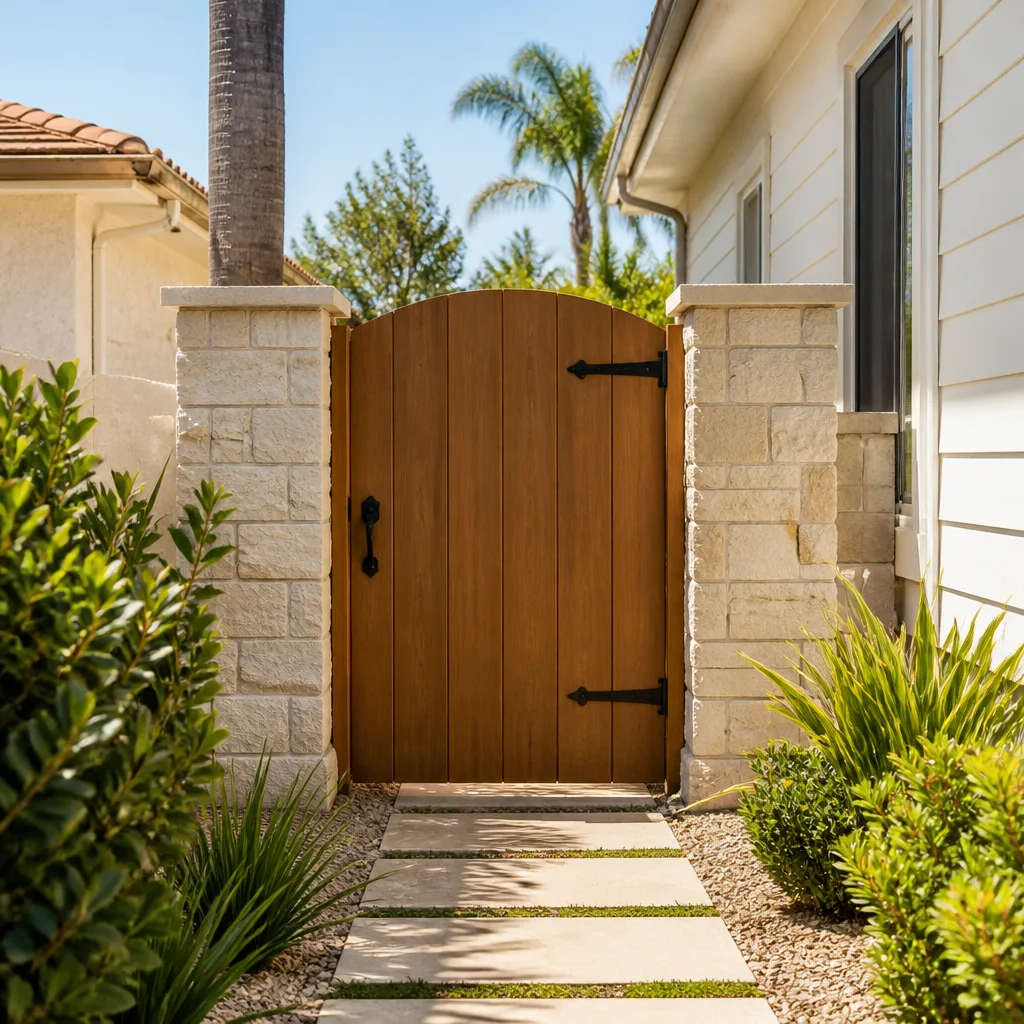
A standard 6-foot cedar privacy fence in Dallas typically runs $28 – $45 per linear foot installed, with gate installations adding $350 – $800 depending on width and hardware. Composite and vinyl run higher, often $40 – $70 per linear foot. Complexity factors – root removal, slope, permit class, gate count – move the number, which is why an itemized quote matters more than a per-foot estimate. Call (833) 954-5327 for your free written estimate.
Yes, most residential fence installations in Dallas require a permit, and the permit class must match – residential, not commercial, on a single-family lot. Fences over standard backyard height, front-yard fences, and corner-lot fences may trigger additional review. Ask for the permit application before work begins and the signed inspection at the end. Call (833) 954-5327 and we’ll walk the permit path with you at no charge.
On a properly quoted fence job, the price shouldn’t change unless the scope changes – and any scope change should require a signed change order that names what was found, what it costs, and how long it adds. A contractor who resists putting changes in writing is the clearest warning sign there is. Under our standard, no change proceeds until the change order is signed, which is why our jobs finish within a few percent of the agreed number. Call (833) 954-5327 for a quote that reflects that discipline.
A typical residential privacy fence in Dallas takes 2 – 4 days from post setting to final hardware, with cedar fences at the shorter end and larger lots or complex terrain at the longer. Post cure time is part of that – gates shouldn’t be hung before the concrete has set. Call (833) 954-5327 and we’ll give you a written schedule with the quote.
Yes. Permits are pulled before any ground is broken, and the signed inspection result is part of the documentation you receive at completion along with the photo record. A fence with a clean permit file is a fence that adds value at resale rather than raising a question. Call (833) 954-5327 for a free estimate and we’ll cover the permit path for your lot.
Walk away. A written, itemized quote is a professional standard, not a courtesy – and a contractor who won’t commit numbers to paper is telling you what the rest of the job will look like. Our free second opinion will review any written estimate you have, line by line, at no charge. Call (833) 954-5327 and we’ll set it up.
The Bottom Line
The warning signs of a bad fence installation are almost never hidden. They’re printed in the bid, in what’s named and what’s missing, and they show up on site in the first two days of work. An itemized quote, a residential permit class, a stated cedar grade, galvanized hardware, adequate post cure time, and a signed change-order requirement are the six things that separate a fence that lasts from one that leans. Our technicians have up to 19 years of experience reading bids and building fences in Dallas, and the same free second opinion we offer on a competitor’s estimate applies to yours. Call (833) 954-5327 for your free written estimate, and see what it looks like when every line item has a number attached.
Written by the team at Rowan Construction Group Dallas.