Last updated November 17, 2026
Free written scope consultation - allowances, timeline, and change-order rules on paper before a single trade is scheduled
Home Additions & ADU Maintenance Schedule: What to Do and When
The flashing at the roof-to-wall junction of a home addition is a strip of metal that costs roughly $4 per linear foot to install correctly, and it sits behind more water damage insurance claims than any other single detail on addition projects. It needs to be inspected every spring and fall, and most Dallas homeowners have never looked at theirs once. This guide gives you a month-by-month maintenance schedule for the addition or ADU you built, organized by the trade that owns each task, so you know what to check, when to check it in the Dallas climate, and what a deferred item actually costs you later.
Quick Answer
An addition or ADU needs structural and foundation checks once a year (best in Dallas in late August through September after summer drought has shrunk the clay), roofing and flashing inspections twice a year, HVAC filter changes quarterly with annual service, a plumbing DWV inspection annually, and an electrical GFCI/AFCI test quarterly. The interface where the new structure meets your existing home – caulk joints, settlement cracks, door and window operation – deserves a dated photo log at every one of those checkpoints.
Styles & brands we work with
- Kitchen remodeling
- Bathroom remodeling
- Home additions & ADU
- Roofing
- Windows & doors
- Driveway & pavers
- Fence
Table of Contents
- Structural & Foundation Checks: Once a Year, Timed to Dallas Clay
- Roofing & Flashing: The Biannual Inspection That Matters Most
- HVAC: Quarterly Filters, Annual Service
- Plumbing & DWV: The Annual Inspection ADUs Require
- Electrical: The Quarterly GFCI/AFCI Test
- Maintaining the Addition-to-Home Interface Over Time
- ADU-Specific Maintenance for Tenant-Occupied Units
- What Maintenance Gaps Void Manufacturer Warranties
Structural & Foundation Checks: Once a Year, Timed to Dallas Clay
Dallas sits on expansive clay soils that swell when wet and shrink hard in a dry summer. That movement is the single largest stress your addition’s foundation will feel, and the best window to read it is late August through September, when the soil has contracted as far as it will go for the year. Cracks that look alarming in September and benign in March are telling you the truth in September.
Walk the perimeter of the addition and the original home together, and look specifically at the pier line – the row of foundation piers that carries the new structure where it ties into the existing footprint. A pier line that has moved shows up as a step or offset in the brick or siding course above it, a gap between the addition’s slab and the house slab, or a door that suddenly needs a shoulder to close. Note the date and photograph each observation. Comparing this September’s photo to the last one is how you tell a stable 1/8-inch crack from a growing one.
If you built with a licensed contractor, your written scope should have specified the pier layout. In our experience, most foundation worries on Dallas additions trace back not to the piers themselves but to drainage: a downspout discharging next to the new footing, or grading that slopes back toward the addition instead of away. Fix the water before you call anyone about the concrete.
Roofing & Flashing: The Biannual Inspection That Matters Most
Inspect the addition’s roof and every junction with the main roof twice a year: once in spring after the last cold front and once in fall before winter. The junctions are where additions fail. A new roof plane that dies into an existing wall creates a roof-to-wall transition, and that transition needs step flashing woven correctly, counterflashing set into a reglet, and sealant that hasn’t cracked. Our crews use GAF and Owens Corning systems on Dallas roofs, and the shingle is rarely the problem – the metal is.
- Look at the roof-to-wall flashing line for lifted metal, rust, or separated sealant.
- Check the valley where the addition roof meets the original for debris dams and granule loss.
- Confirm every pipe boot and vent collar is seated flat, with no cracked rubber.
- Clear gutters and confirm downspouts carry water at least 4 feet from the foundation.
- Photograph each junction with a date so next season’s comparison is honest.
Never walk a steep addition roof to check it yourself. Height work is genuinely dangerous, and a trained roofer can read a flashing detail from a ladder in ten minutes. Spring and fall timing also happens to line up with Dallas’s hail season and its winter freezes, so the inspection catches damage before the next storm adds to it. If your addition needs roofing work, our Rowan Construction Group Dallas home page lays out how we quote it in writing before any crew climbs up.
HVAC: Quarterly Filters, Annual Service
An addition or ADU usually gets its own HVAC zone or its own system entirely, which means it’s easy to forget. Change the filter every three months at minimum, and every month during a Dallas summer when the system runs hard. A clogged filter strains the blower and shortens the compressor’s life, and it’s the cheapest maintenance item on this entire schedule.
Once a year, have the system serviced: coil cleaning, refrigerant check, condensate line flush. In Dallas humidity, the condensate drain clogs with algae and can overflow into a ceiling before you notice. Add a quarterly check of the drain pan and line to your own calendar. For a tenant-occupied ADU, put the filter change in writing in the lease and confirm it at each visit – a renter who never changes a filter can cost you a compressor.
Plumbing & DWV: The Annual Inspection ADUs Require
The drain-waste-vent system, or DWV, is the network of pipes that carries wastewater out and vents sewer gas away. Have it inspected once a year, and take the inspection seriously on an ADU. A separate dwelling unit has its own fixtures, its own traps, and often a longer run to the main line, so a slow drain or a failed wax ring shows up as a stain on the ADU ceiling rather than a puddle you’d see in the main house.
Dallas water runs hard – roughly 16 grains per gallon of hardness on average – which is why scale builds up in fixtures and water heaters faster here than in softer-water cities. If your addition has a tankless water heater, descale it on the manufacturer’s schedule (typically annually at this hardness level); skipping it voids the warranty and cuts the unit’s output. Check supply lines under every sink for bulging or corrosion, and test the shutoff valves at each fixture so you know they actually close before you need them to.
Electrical: The Quarterly GFCI/AFCI Test

Press the TEST button on every GFCI receptacle and AFCI breaker in the addition four times a year. These devices protect against shock and arc faults, and they fail silently. A GFCI that won’t trip when you press TEST, or won’t reset, needs replacement. This is a five-minute task that protects the people in the space.
Once a year, look at the panel and confirm no breaker is warm to the touch and no label is missing. Keep the addition’s circuits labeled clearly – an electrician called out at night shouldn’t have to guess which breaker feeds the new bedroom. Electrical work is not a DIY item; if a device fails the test or a breaker trips repeatedly, call a licensed electrician rather than opening the panel. Permitted and inspected electrical work is part of a properly built addition, and the record matters at resale.
Maintaining the Addition-to-Home Interface Over Time
The place where new construction meets old construction is a maintenance seam, and it deserves its own routine. The two structures move slightly differently as Dallas clay expands and contracts, and that difference shows up at the joints. Inspect the caulk joint at every exterior transition twice a year and re-caulk when you find gaps, cracking, or pull-away. A failed caulk joint lets water into the wall cavity, where it does the expensive kind of damage.
Open and close every door and window in the addition once a month. A door that used to latch cleanly and now drags is early evidence of movement, and catching it early is far cheaper than discovering it after a wall has cracked. Keep a dated photograph log of the same three or four spots – the seam at the exterior wall, the ceiling line at the tie-in, each door frame – so you can compare a year to a year rather than relying on memory. This log is exactly what a contractor needs to diagnose an issue instead of guessing.
If the addition touches a driveway or paver hardscape, watch for settling at the transition too. Our Driveway & Pavers in Dallas team sees plenty of paver edges that shifted because the joint between new and old hardscape wasn’t maintained.
ADU-Specific Maintenance for Tenant-Occupied Units
A tenant-occupied ADU accumulates deferred maintenance faster than a home you live in, because nobody in the unit has the owner’s incentive to report a slow leak or a dragging door. That makes a written inspection checklist – with photographic documentation – your best protection at lease renewal and at sale. Walk the unit on a fixed schedule, ideally quarterly, and record the same items each time.
- Water: under every sink, around the water heater, the toilet base, the tub surround.
- HVAC: filter date written on the filter, condensate line clear, thermostat working.
- Doors and windows: each one opens, closes, and latches without force.
- Electrical: GFCI/AFCI tested, no scorched outlets, no extension cords as permanent wiring.
- Exterior: flashing, caulk joints, and grading photographed from the same angles.
If you’re building or expanding an ADU and want the maintenance obligations set up correctly from day one, our Home Additions & ADU in Dallas page shows how we write the scope, including the interface details this schedule depends on. And if a fence separates the ADU from the main house, its condition is part of the checklist too – our Fence Installation in Dallas team handles repairs and replacements.
What Maintenance Gaps Void Manufacturer Warranties
Most material warranties are conditional, and Dallas homeowners routinely void them by skipping tasks they never knew were required. Repainting Hardie fiber cement siding on schedule is the classic example: the manufacturer sets a repainting interval, and letting the paint film fail and the substrate take on moisture can push a claim into “improper maintenance” territory. Read the interval for your specific product, not a generic rule.
Low-E window seals are another. If you notice fogging or condensation between the panes, that’s a failed seal, and it’s usually warrantable – but only if you report it within the manufacturer’s window and can show the installation was done correctly. PGT windows and similar quality lines carry meaningful glass warranties that reward a quick report and punish a wait. Tankless water heaters void quickly if they aren’t descaled for Dallas’s hard water. And roofing systems often require documented maintenance to keep a material warranty intact. File your inspection photos with your closing documents so a future claim has a paper trail.
See the difference
 Before
 After
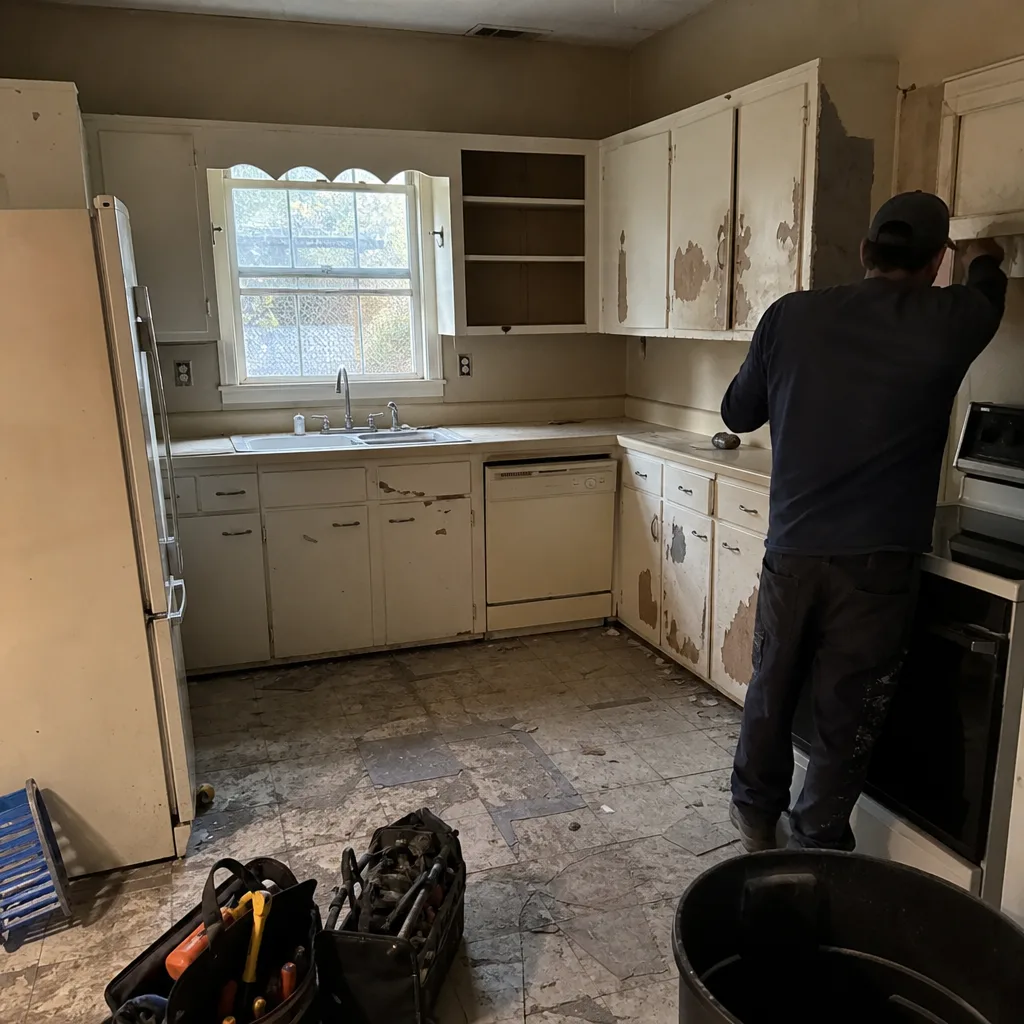 Before
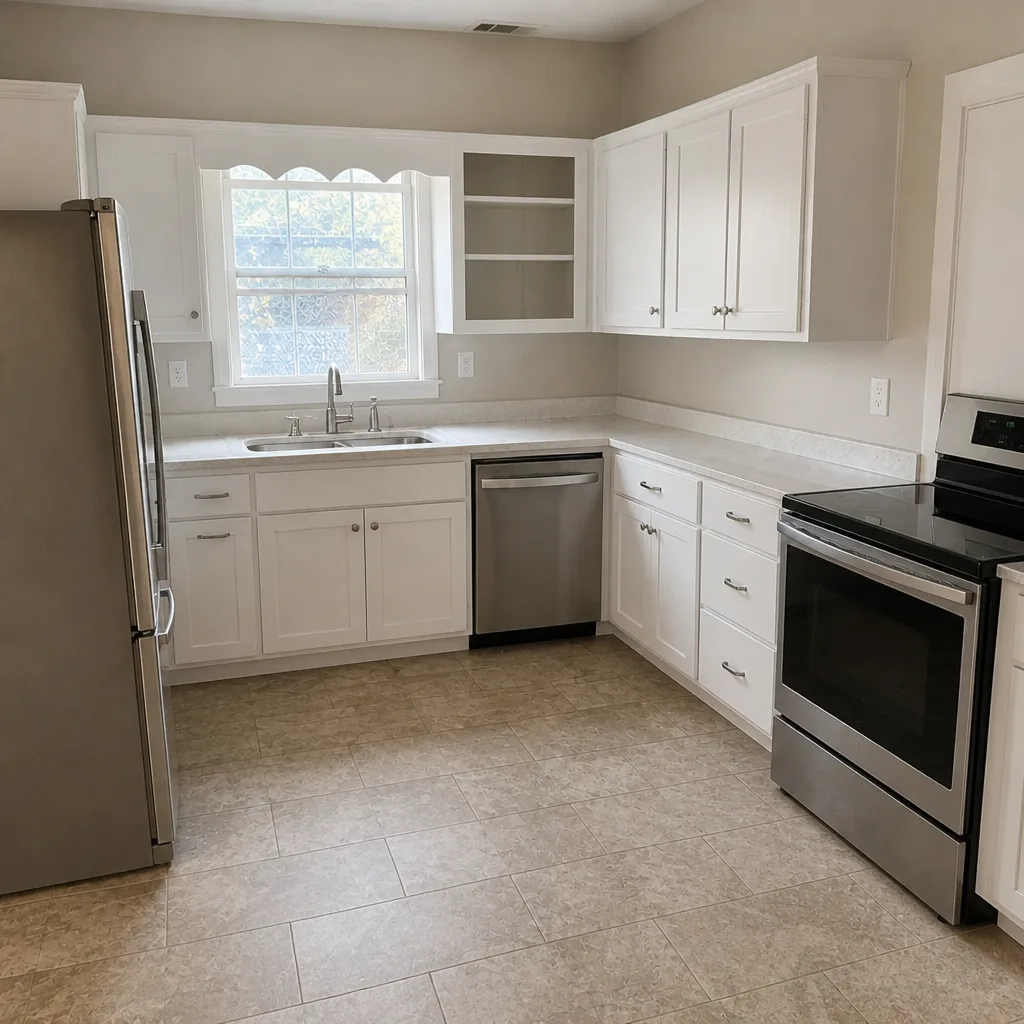 After
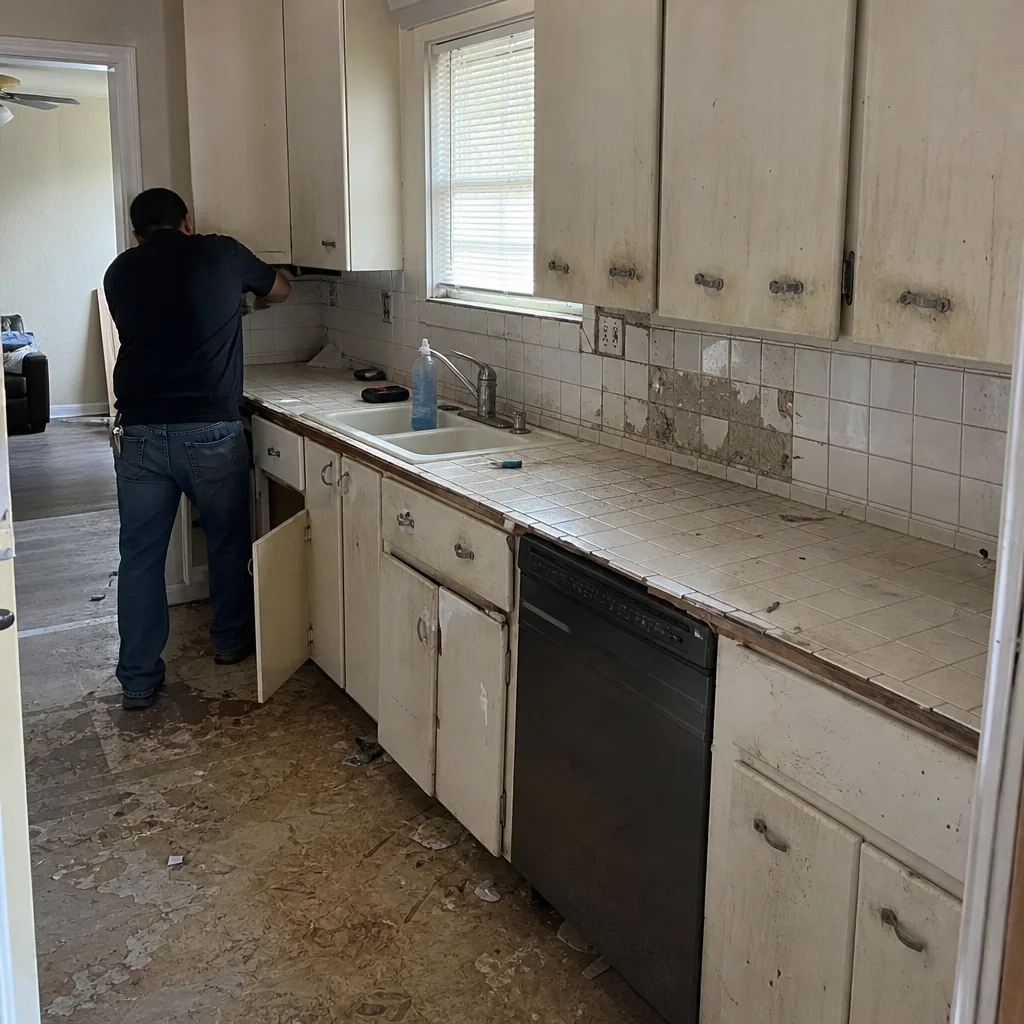 Before
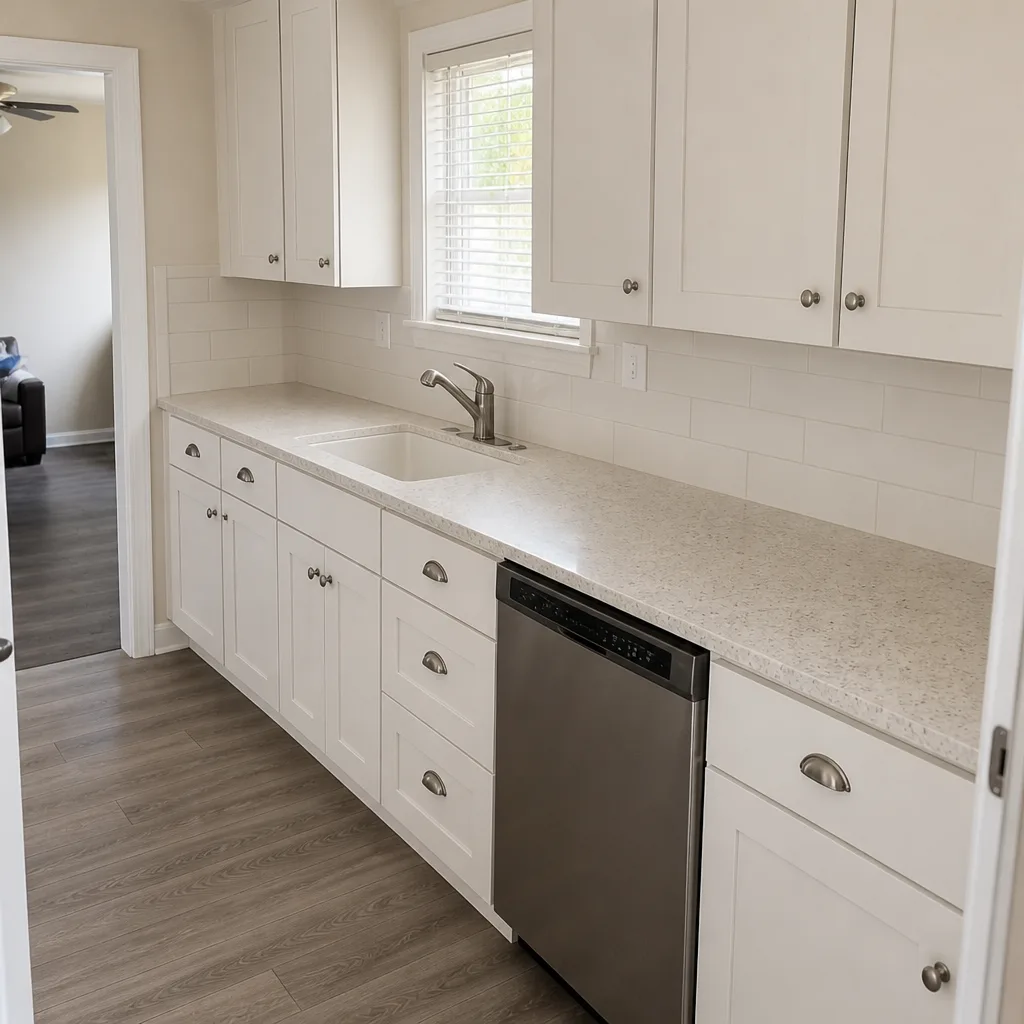 After
Common Mistakes to Avoid
- Skipping the roof-to-wall flashing because it’s out of sight. It’s the highest-claim detail on any addition, and it takes ten minutes on a ladder to check. Look at it every spring and fall.
- Inspecting the foundation in the wrong season. Dallas clay tells the truth in late August and September, not in a wet spring. Time the check to the dry window.
- Re-caulking over a wet joint. Sealant won’t bond to damp substrate, and it fails within a season. Clean and dry the joint first, then re-caulk.
- Ignoring a dragging door. A door that suddenly needs force is early structural movement, and the fix is cheap now and expensive later. Test each one monthly.
- Never descaling a tankless water heater. Dallas water at roughly 16 gpg scales the exchanger fast, and the warranty requires descaling. Put it on the annual calendar.
- Running a tenant-occupied ADU without a written inspection checklist. Without dated photos at each visit, you can’t show the unit was maintained at lease renewal or sale.
- Trusting memory over documentation. A dated photograph log beats a verbal “I think it was fine last year” every time a warranty or insurance question comes up.
When to Call a Professional
Call a professional for anything at height, anything inside the electrical panel, any gas line near the addition, and any water intrusion you can’t trace in an afternoon. Call us sooner if a foundation crack has widened since your last photo, if a roof flashing detail has lifted or rusted through, if a GFCI won’t reset, or if a tenant reports a leak you can’t locate. Structural and mechanical issues at the addition’s interfaces are exactly where an experienced eye saves money. Rowan Construction Group Dallas offers free estimates in Dallas – call (833) 954-5327 and we’ll put a written price in front of you before any work starts, backed by our 365-Day Done Right Promise.
Frequently Asked Questions
Late August through September, after summer drought has shrunk the clay soil as far as it will go. That’s when foundation movement is most visible at the pier line, and comparing that inspection to the previous year’s photos tells you whether a crack is stable. Call (833) 954-5327 for a free estimate if you spot widening cracks.
Twice a year: spring and fall. The roof-to-wall flashing is the most claim-prone detail on an addition, so it gets its own inspection separate from the shingles. Call us for a written quote if the metal has lifted, rusted, or separated.
Yes, annual DWV inspection is the standard for a separate dwelling unit. An ADU has its own fixtures and a longer run to the main line, so slow drains and failed traps surface as ceiling stains before you’d notice a puddle. Call (833) 954-5327 for a free estimate on any plumbing repair.
Quarterly. Press TEST on every GFCI receptacle and AFCI breaker in the addition; if one won’t trip or reset, it needs replacement by a licensed electrician. Call us for a free estimate if a device fails.
It can. Hardie siding requires repainting on the manufacturer’s interval, and low-E window seals must be reported within the warranty window to be covered. Documentation matters, so keep your dated inspection photos with your closing papers. Call (833) 954-5327 with any warranty or repair question – estimates are free.
Budget for annual HVAC service, a plumbing inspection, and a quarterly walk-through with photos; the tasks themselves are modest, but deferred items are where the money goes. Call (833) 954-5327 to schedule a free estimate for any repair the schedule turns up.
The Bottom Line
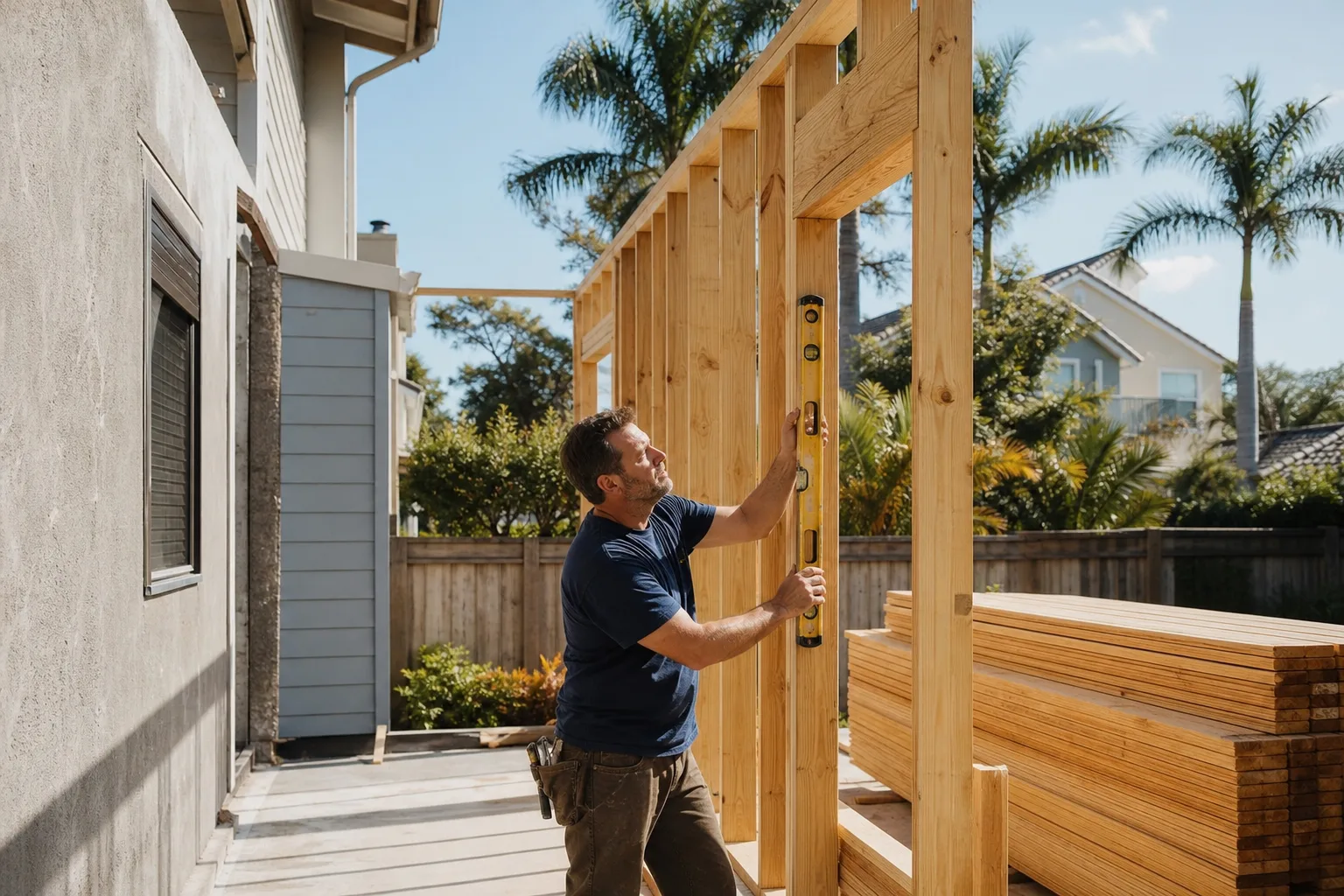
Your addition or ADU is a well-built structure that needs a calendar, not a crisis. Check the foundation once a year in late summer, the roof and flashing twice a year, the HVAC quarterly and annually, the plumbing and DWV once a year, and the electrical devices every three months. Maintain the interface where the new meets the old with regular caulk inspection, monthly door testing, and a dated photo log. Fix the water before you fix the concrete. If a task calls for a licensed pro, get a written price first – that’s the discipline we build on.
Rowan Construction Group Dallas puts a flat written price in front of you before any work starts, on every trade, with a signed change order required before anything changes. Call (833) 954-5327 to schedule your free estimate.
Written by the team at Rowan Construction Group Dallas.