Last updated November 17, 2026


Free written scope consultation - allowances, timeline, and change-order rules on paper before a single trade is scheduled
Fence Installation Troubleshooting: Common Problems and How to Fix Them
A leaning fence post in Dallas is not a wind damage problem in most cases. It’s a soil problem. Dallas clay expands in wet seasons and contracts in dry ones, applying lateral pressure to fence posts that shallow concrete footings can’t resist. No amount of re-plumbing and re-bracing fixes a post the soil will push again next season. In this guide, we’ll walk you through the diagnostic framework we use to sort fence failures into root causes, then match each one to the repair that actually holds: post heave from clay movement, wood rot at the ground line, and hardware failure at gates. You’ll leave with real Dallas repair cost ranges, a way to tell a replaceable post from a re-plumbable one, and the documentation that gets you an accurate scope of work.
Quick Answer
Most failing fences in Dallas come down to three problems: leaning posts caused by clay soil heave, rot at or below the ground line from poor moisture separation, and sagging gates caused by worn hardware or a post that’s moving beneath it. The fix depends on the root cause: post replacement runs $150 – $300 per post, gate rehangs $200 – $500, and individual board replacement $20 – $60 per board. Re-bracing a post that has rot at grade only delays the failure.
Styles & brands we work with
- Kitchen remodeling
- Bathroom remodeling
- Home additions & ADU
- Roofing
- Windows & doors
- Driveway & pavers
- Fence
Table of Contents
- Start Here: A Diagnostic Framework for Four Different Failures
- Why Dallas Fences Lean (And Why Re-Bracing Usually Fails)
- Replace or Re-Plumb? How to Tell
- Wood Rot at the Ground Line: Above-Grade vs. Below-Grade
- Sagging Gates: The Hardware Fixes and When Each Applies
- Warped and Cupping Boards: What Dallas Heat Does to Cedar and Pine
- What Documentation to Bring to a Contractor
- What a Repair Scope of Work Should Specify
Start Here: A Diagnostic Framework for Four Different Failures
Most homeowners call us and describe “a fence problem.” Almost every time, the symptom on the phone is one of four distinct failures, and each traces to a different root cause with a different repair cost. Getting the diagnosis right is what separates a $300 fix from a $3,000 wrong decision.
Here’s the framework we use on a first walk-through:
- Leaning post. The post tilts noticeably but the wood above grade looks sound. Root cause is usually clay soil movement or footing failure. Repair path: probe for rot below grade, then either re-plumb with a proper footing or replace.
- Rotting post or picket at grade. Wood is soft, discolored, or crumbling at the ground line. Root cause is moisture trapped against the wood. Repair path: replacement. Surface treatments can’t save a post that’s rotted through.
- Sagging gate. The gate no longer closes cleanly, drags at the bottom, or the hinge side visibly drops. Root cause is usually hardware wear or, more often than people realize, a post that’s moved. Repair path: diagnose the hinge post before touching the gate.
- Warped or cupped boards. Individual pickets bow, cup, or twist. Root cause is wood moisture content, board spacing, and Dallas summer heat. Repair path: targeted board replacement with correct spacing and species.
Four symptoms, four root causes, four cost ranges. Skipping the diagnosis step is the single most common reason Dallas fences fail twice. A contractor who quotes a re-brace without probing the post is quoting a symptom fix.
Why Dallas Fences Lean (And Why Re-Bracing Usually Fails)
If you took a survey of leaning fences across Dallas neighborhoods like Lakewood, Oak Cliff, and Preston Hollow, you’d find a pattern: the posts closest to a downspout, the low side of a slope, or a property line that collects water are the ones leaning first. That’s not wind. That’s soil moisture doing the work.
Dallas clay is expansive. In a wet spring the soil swells, pushing laterally against post footings. In a dry July the soil shrinks and leaves a gap around the concrete. Repeat that cycle for five or six years and a footing that was set 18 inches deep and 10 inches around will start to rotate. A fence post set only one bag of concrete at 12 inches deep barely stands a chance in North Texas soil.
Why re-bracing fails: a diagonal brace transfers load to a second post, which is subject to the same clay pressure. You’ve traded one pending failure for two. We’ve seen braces used for years on fences that ultimately had to be re-posted anyway, with the brace itself now the thing that had to be cut away first.
The durable fix is one of two things:
- Re-plumb with a deeper, wider footing on posts that are otherwise sound. We specify a footing depth of 30 – 36 inches and a concrete bell at the base to resist uplift and rotation. This is the right repair when the wood is clean.
- Full replacement when the post has any rot at or below grade. No footing upgrade saves rotted wood.
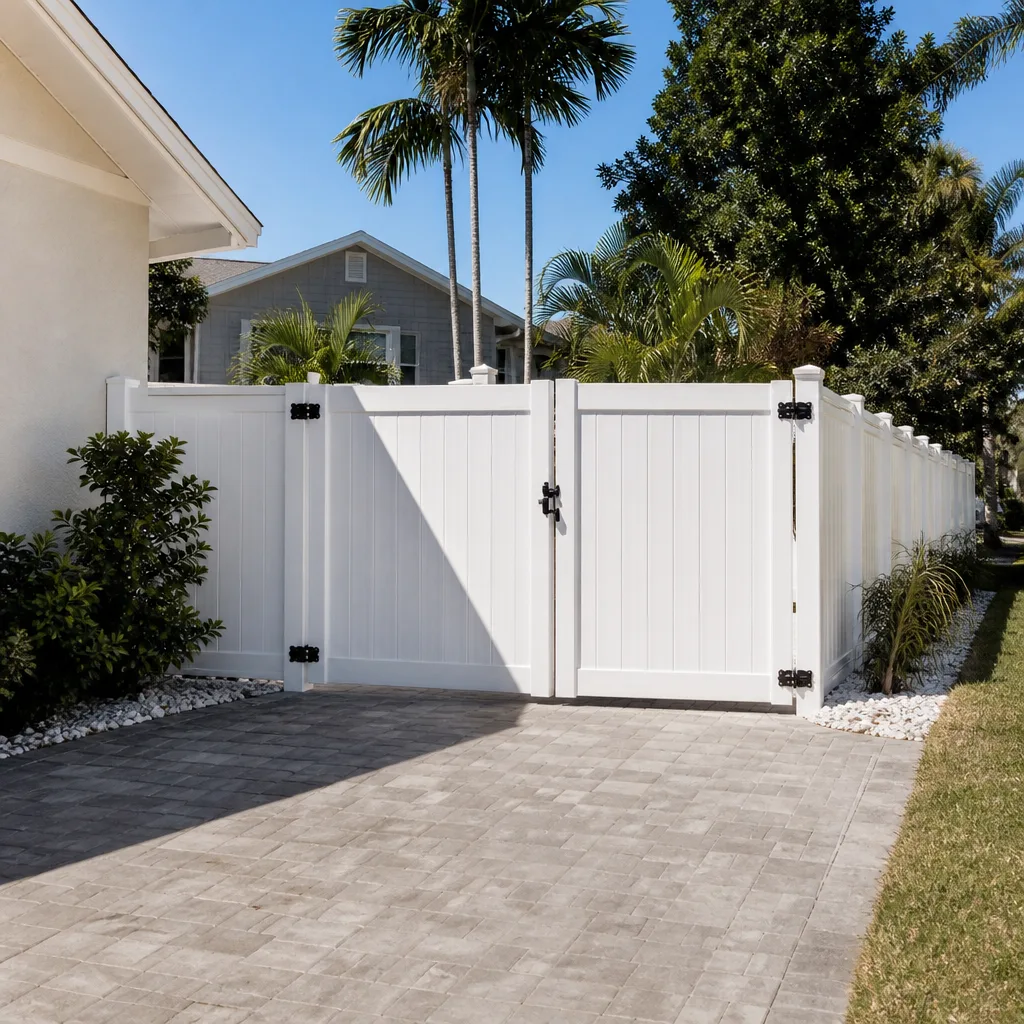
Leaning fences are usually a soil story, not a wind story. When it’s time to address the whole installation rather than patch it, see our guide to fence installation in Dallas for how we structure footings and materials to prevent it.
Replace or Re-Plumb? How to Tell
This is the question that decides whether you spend $150 – $300 on a post replacement or a fraction of that on a re-plumb and re-set. The answer comes down to one physical test.
The screwdriver probe. Take a flathead screwdriver and push it hard into the post at the ground line, then a few inches below the visible soil surface if you can reach it. Sound wood resists. Rot gives way. We use a simple rule in the field: if the screwdriver penetrates more than a quarter inch without real effort, the post is finished and replacement is the only durable fix.
Here’s the decision sequence we walk customers through:
- Probe at grade and just below. Firm resistance = sound wood. Soft penetration = rot.
- Rock the post. Grip it and push side to side. A slight flex with a firm base is re-plumbable. A post that moves freely at the base, or rotates in its hole, has lost its footing.
- Check the neighbor posts. If the two adjacent posts are also loose, you’re looking at a soil or footing problem, not a single-post accident. Plan for a section.
- Look for concrete. If you can see no concrete collar around the base, the post was likely set directly in soil. That’s a rebuilding candidate, not a re-plumb candidate.
A re-plumb means digging out the loose footing, re-setting the post plumb and true, and pouring a proper footing that resists the next wet season. A replacement means pulling the old post entirely and setting a new one, often pressure-treated, with the same footing spec. We rarely recommend re-plumb on a post older than about 12 years in Dallas because the wood is close to end-of-life anyway; you’d be setting a new footing under an old post.
Wood Rot at the Ground Line: Above-Grade vs. Below-Grade
Rot at the base of a fence post in Dallas is not a single problem. It’s two very different problems that both look like rot from the sidewalk, and each requires a different repair.
Above-grade rot: a surface issue
This is rot on the exposed face of the post, above the soil line, usually on the side facing the prevailing weather. It’s caused by rain soaking the wood face, sun baking it dry, and repeat. Above-grade rot on cedar pickets or post caps can often be addressed by sanding back to sound wood, treating with a wood preservative, and painting. On a post, isolate the damage: if the rot is above grade only and doesn’t penetrate the structural core, drying and treating buys years.
Below-grade rot: a footing design issue
This is the rot that kills fences. Water has collected at or below the soil line, either because the footing has no drainage, the post was set directly in soil, or the base of the post wasn’t isolated from the concrete. The wood absorbs moisture from below and rots from the inside out. By the time it’s visible at grade, the structural core is gone.
Below-grade rot has no surface fix. The post has to come out. The good news is the replacement is a chance to fix the design:
- Isolate the wood from the concrete. Set the post on a gravel base inside the footing hole so moisture drains below the wood, not against it. We spec 6 inches of gravel under a pressure-treated post.
- Slope the footing top. A domed or sloped concrete top sheds water away from the post collar instead of pooling at it.
- Choose the right species. Ground-contact-rated pressure-treated wood for anything at or below grade. Cedar is beautiful for pickets and rails; it’s the wrong choice for a post in Dallas clay.
Above-grade rot is a maintenance catch. Below-grade rot is a design catch. Treat the surface when the diagnosis says surface; replace when the diagnosis says design.
Sagging Gates: The Hardware Fixes and When Each Applies
A sagging gate is the single most common fence complaint we hear in Dallas. It’s also the one most often misdiagnosed, because the gate itself is almost never the problem. The gate is where the failure becomes visible, but the cause is usually upstream at the hinge post.
Diagnose in this order:
- Check the hinge post first. Close the gate and look at the gap along the top rail. If the hinge side has dropped relative to the latch side, the post has moved and no gate hardware will fix it. Probe the post and check for movement. If the post is failing, the gate rehang waits until the post is fixed.
- Check the hinges for wear. Worn hinges let the gate drop a half inch or more. A hinge replacement is a $40 – $80 hardware job if the post is sound.
- Check the gate frame for racking. A wooden gate that has lost its square (the corners no longer form 90 degrees) will droop regardless of hinge condition. This is a gate rebuild.
Once you’ve confirmed the post is sound, the hardware fix depends on the gate:
- Anti-sag cable kit. A steel cable running diagonally from the bottom hinge corner to the top latch corner, tensioned with a turnbuckle. Best for wider, heavier gates where racking is starting but not severe. Cost is modest and it corrects and holds.
- Corner brace. A diagonal wood or steel brace from the hinge bottom corner to the latch top corner. Classic fix, works well on gates up to about 4 feet wide. Larger gates need a steel frame or cable kit.
- Full rehang. New hinges, possibly a new gate frame. The right call when the gate is out of square, hardware is worn through, or the gate was built undersized for its span. Expect $200 – $500 for a proper rehang, more if a new frame is fabricated.
One more note: a single tree limb on the hinge side of a Dallas gate can drop a corner overnight, and that looks like a hardware failure but resolves when the limb is cut and the gate re-leveled. Rule it out before replacing hardware.
Warped and Cupping Boards: What Dallas Heat Does to Cedar and Pine
A warped picket is usually a moisture story. Wood absorbs water on one face and dries on the other, and the differential swelling or shrinking causes the board to cup (curve crosswise) or bow (curve lengthwise). In Dallas, the cycle from wet spring to 105-degree July is severe enough to warp boards that would be fine in a milder climate.
Three things cause warping and each is fixable:
- Board spacing too tight. Pickets set tight with no gap trap moisture between boards and can’t dry. A quarter-inch gap between pickets lets air move and is the standard we spec even on privacy fences.
- Wrong species for the exposure. Untreated pine and low-grade cedar warp faster in Dallas heat than a properly dried, ground-contact-rated board. See our full fence installation page for how we specify species and grade by exposure.
- Missing backer rails. Pickets nailed to only two rails bow more than pickets on three. Adding a third rail is a modest upgrade and extends the life of the fence.
Individual board replacement is inexpensive at $20 – $60 per board. If a third of your pickets are warped, the honest answer is that the fence is due for a picket re-do, not a piecemeal patch. While you’re addressing the fence line, it’s also worth checking whether the same drainage issues affecting your fence are affecting your driveway and pavers in Dallas; the same clay movement that leans a post can heave a concrete slab.
What Documentation to Bring to a Contractor
A good repair scope starts with good information. When you call a contractor for a fence assessment, bring four things and the diagnosis gets faster and more accurate:
- Photos of the failure. Wide shot of the whole fence, close-up of the base of the problem post or gate hinge, and a photo of any crack or movement at the concrete collar. Photos of the site from above (a drone shot if you have one, or from a second-story window) are particularly useful.
- The approximate age of the fence. Not a precise install date necessarily, but enough to know whether the fence is 8, 15, or 25 years old. Age drives the recommendation between repair and rebuild.
- The existing contract and warranty paperwork. If the fence was installed by a contractor with a warranty, that document changes the conversation. Any warranty that covers post footings or hardware should be reviewed before a repair quote.
- Any prior repair records. If a post was re-set, a gate rehung, or a section replaced, the contractor should know when and how. A repair that failed tells you something the failed timber can’t.
The documentation matters most because it lets the contractor give you a written, itemized price rather than a range on the phone. Under Clause 1 of the Haven Standard, the number goes in writing before work starts. That’s the discipline we bring to fence repairs: photos, diagnosis, written scope, signed before anyone digs.
What a Repair Scope of Work Should Specify
A good scope is specific enough that a homeowner can compare two quotes line by line and know which one is honestly answering the problem. Here’s what to look for in a written scope for any Dallas fence repair:
- Footing specification, in inches. Depth of the footing hole, diameter, concrete bell at the base if specified, gravel base under the post, and top finish. “New footing” alone is not a scope.
- Wood species and grade. Ground-contact-rated pressure-treated for anything at or below grade, species and grade named explicitly for pickets and rails.
- Hardware specification. Hinge type (steel vs. wood, self-closing vs. standard), galvanized vs. stainless fasteners, and whether an anti-sag cable is included or excluded.
- Disposal and site cleanup. Removal of the old post, concrete, or gate, and whether a haul-away fee is included.
- Warranty language. Which parts of the repair are warrantied, for how long, and what voids the warranty. A fence repair should carry a workmanship warranty. Rowan’s 365-Day Done Right Promise applies to fence work: if the repair doesn’t hold, Rowan makes it right under the Haven Standard.
- Signed change order requirement. Any extra work discovered after the ground opens up (a second failed post, a hidden rot line) should require a signed change order before proceeding. That’s the discipline that keeps projects within a few percent of the agreed number.
If you’re comparing a repair quote against a full rebuild, our team can review any written estimate line by line at no charge through our Free Second Opinion offer, so you know what you’re actually paying for. For larger yard work that may reshape how your fence and site plan fit together, our home additions and ADU in Dallas team can flag structural or grade issues a fence repair alone wouldn’t catch.
Common Mistakes to Avoid
- Re-bracing without probing the post. A brace on a rotted post hides the failure for a season then fails twice as hard. Probe first, then decide.
- Setting a new post in only one bag of concrete. In Dallas clay, a 12-inch footing with one bag of concrete barely resists one wet season. A proper footing is 30 – 36 inches deep with a gravel base.
- Fixing the gate before checking the post. You’ll rehang the gate on a hinge post that’s moving, and the gate will sag again within weeks. Diagnose upstream first.
- Using untreated pine or cedar for a post. Cedar is right for pickets and rails; it’s wrong for anything touching Dallas clay. Ground-contact-rated treated lumber only.
- Setting pickets tight with no gap. No gap traps moisture, which accelerates rot at the bottom of every board. A quarter-inch gap is standard for a reason.
- Accepting a repair quote with no footing specification. “We’ll re-set the post” tells you nothing. Ask for footing depth, diameter, and gravel base in writing.
- Skipping the change order on a repair that turns out bigger than expected. A hidden second failed post or rot line should be a signed change, not an invoice surprise. Bring a contractor who operates that way.
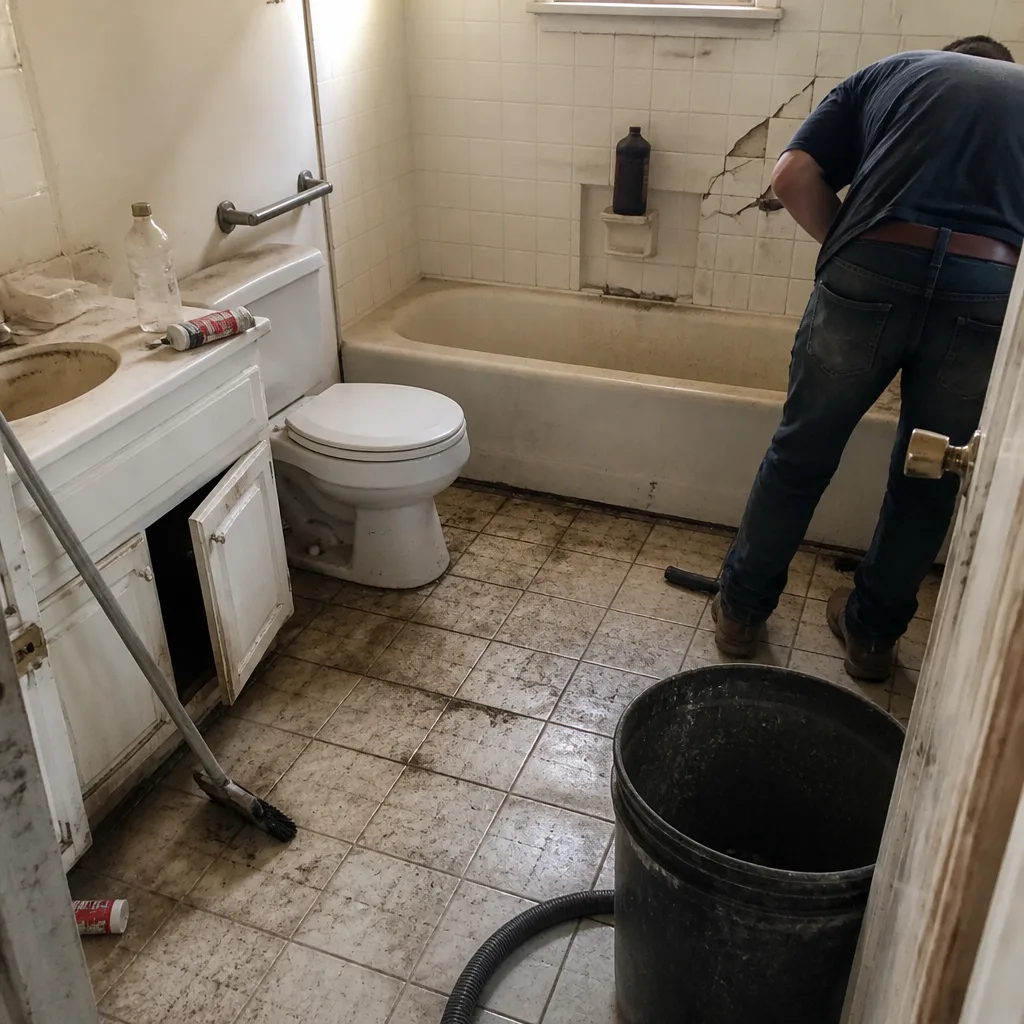
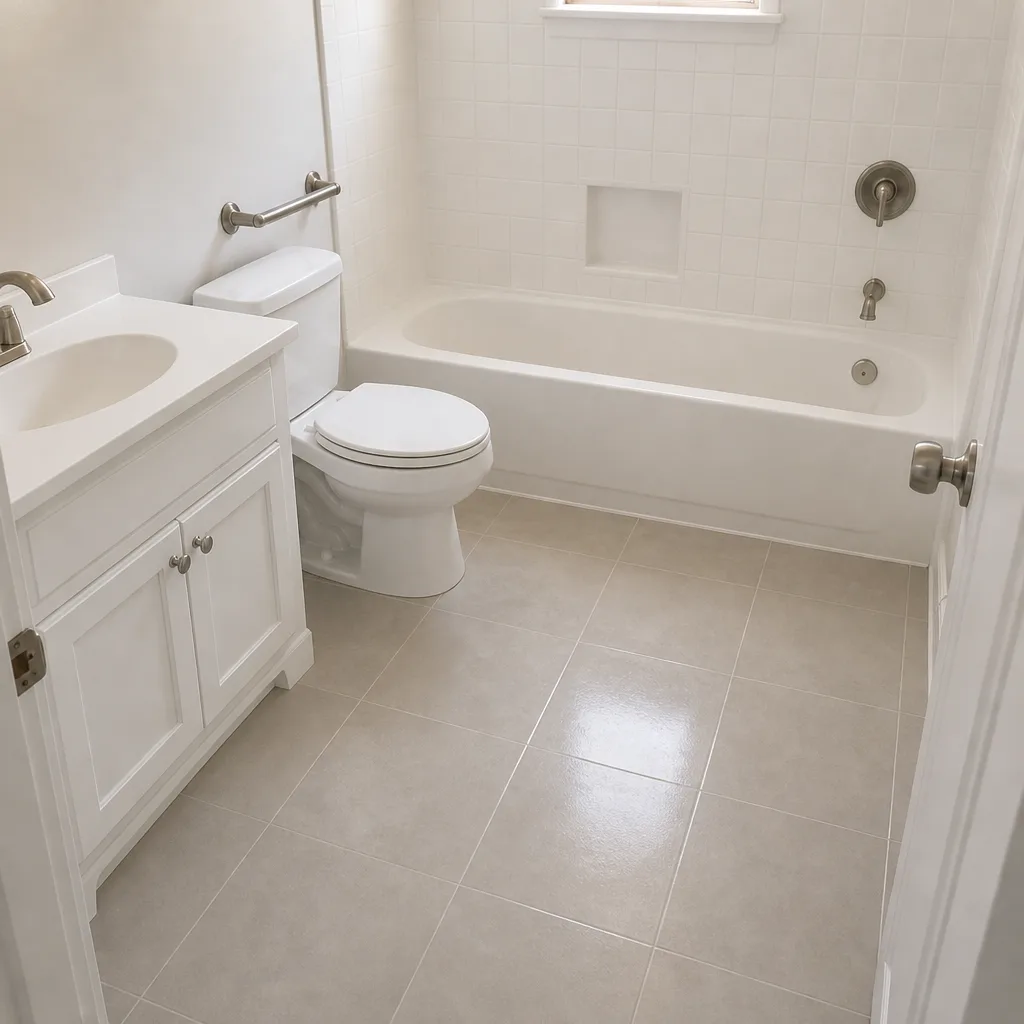
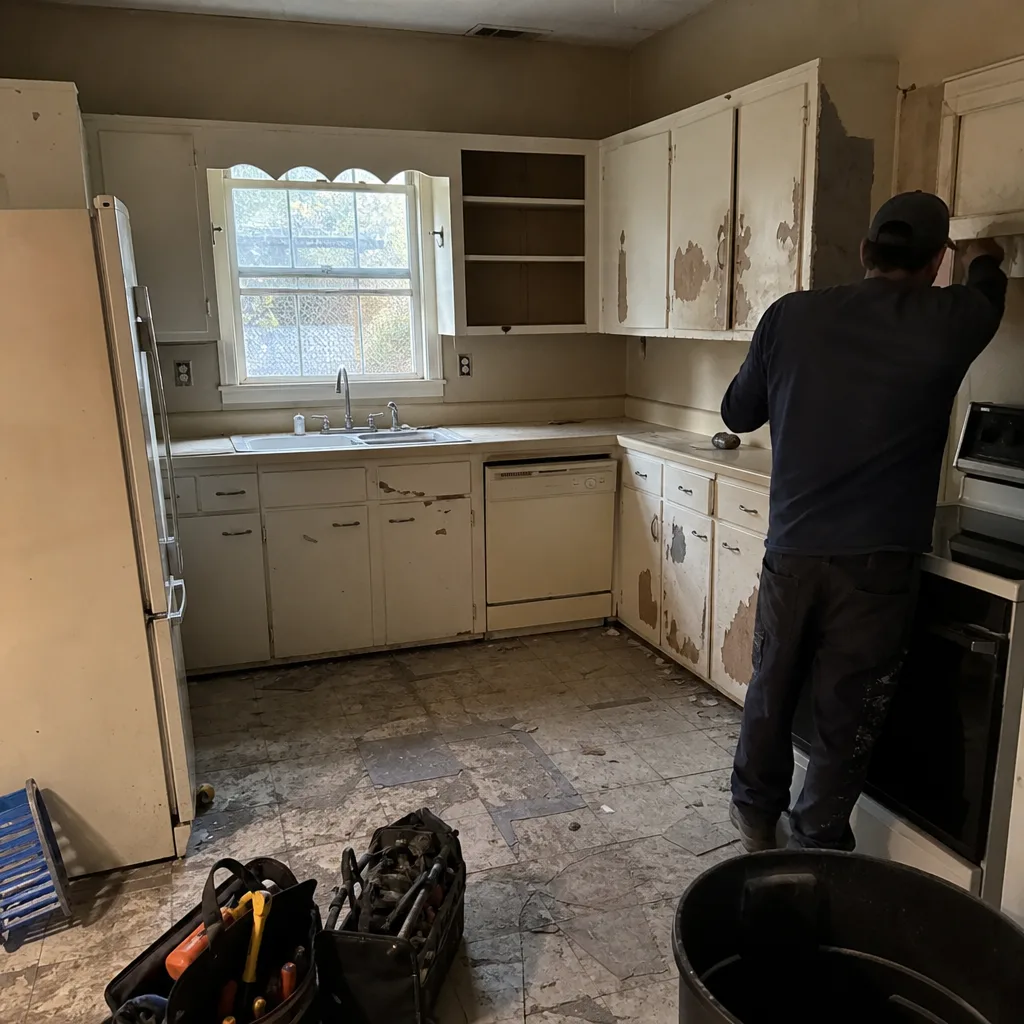
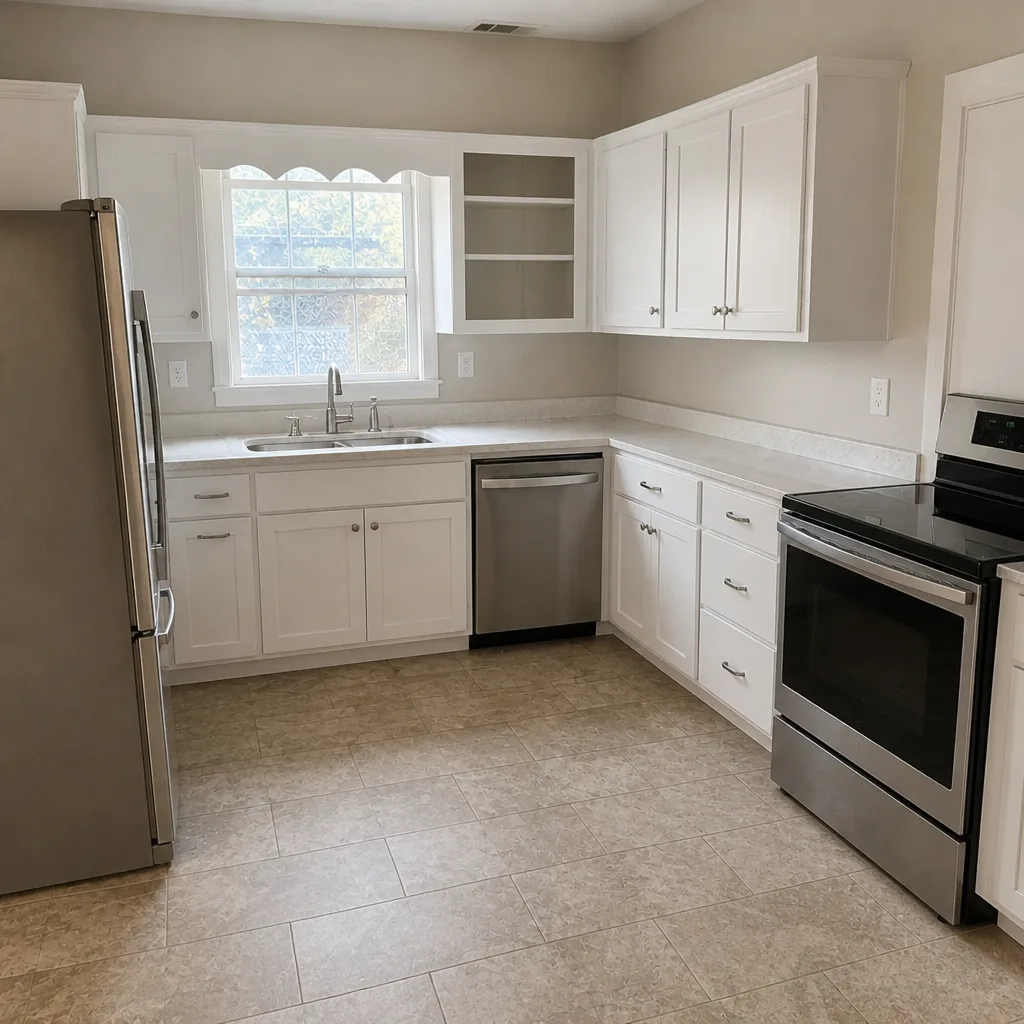
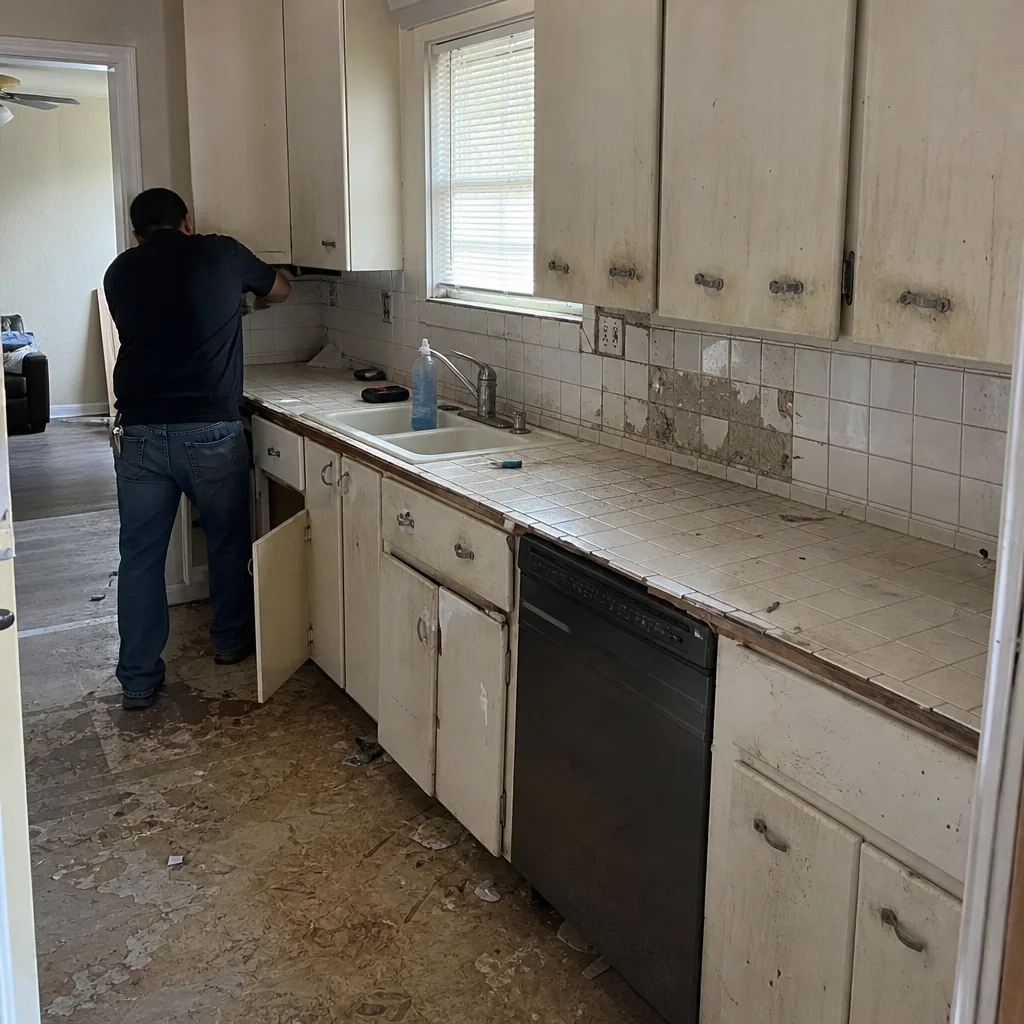
See the difference
 Before
 After
 Before
 After
 Before
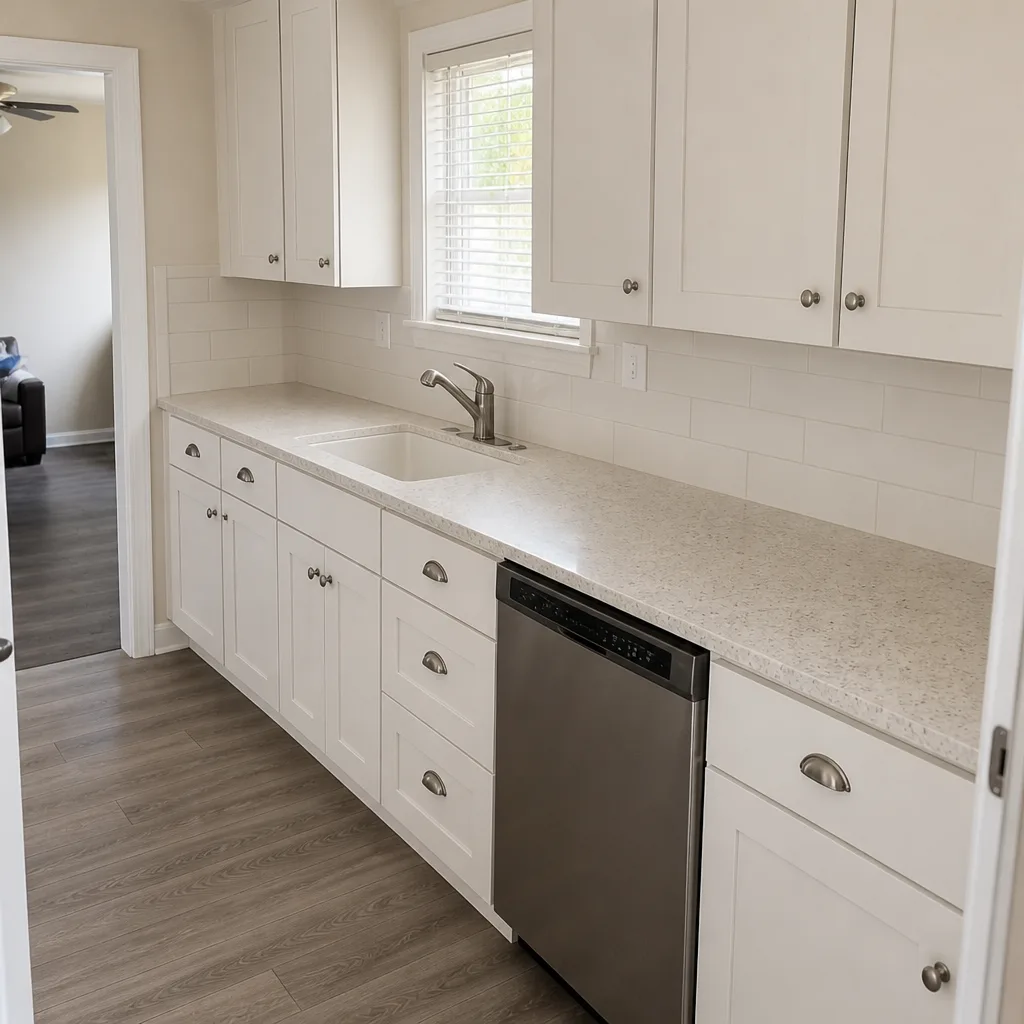 After
When to Call a Professional
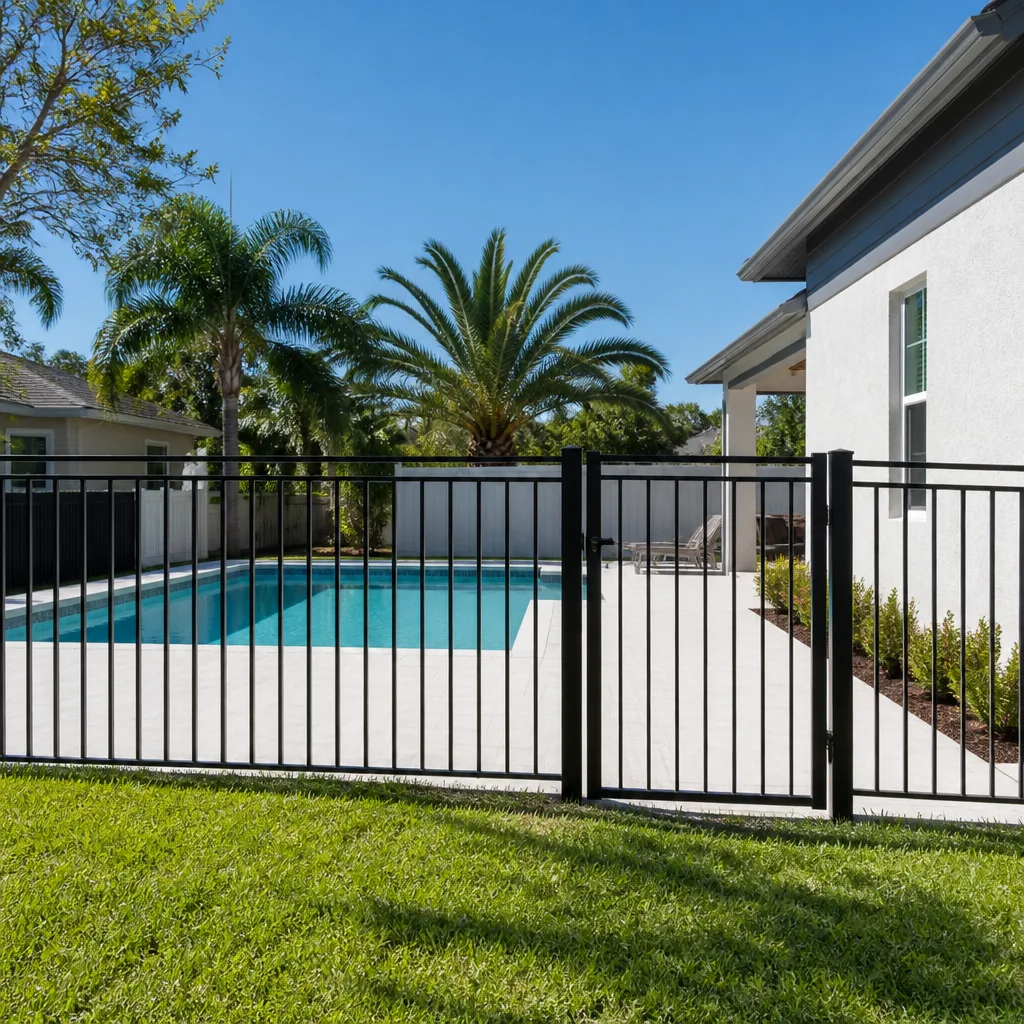
Some fence problems resolve with a weekend’s work and a $40 hardware kit. Others become structurally worse if diagnosis is guessed. Bring in a professional when: a post has rot at or below the ground line (the probe penetrates more than a quarter inch), a fence section has moved more than 3 inches out of plumb, two or more adjacent posts are loose, a gate rehang requires re-setting a hinge post, or a repair under warranty has already failed once. Any fence supporting a gate that opens to a street, alley, or pool area should be assessed by a professional rather than re-braced, because the safety margin is what holds that gate square. Rowan Construction Group Dallas offers free estimates on fence repairs in Dallas. Call (833) 954-5327 to schedule a written price before any work starts.
Frequently Asked Questions
A leaning fence post repair in Dallas typically runs $150 – $300 per post for replacement or re-plumb with a proper footing, and that includes the dig-out, new footing, post, and backfill. A full gate rehang runs $200 – $500, and individual board replacement is $20 – $60 per board. The written price should specify footing depth, diameter, and gravel base. Call (833) 954-5327 for an exact quote; estimates are free.
You can re-set a small, sound post, but the repair usually fails within a season or two in Dallas clay if the footing isn’t deep enough. The footing needs to be 30 – 36 inches deep with a gravel base under the post, which is more excavation than most homeowners want to do by hand in North Texas summer heat. If the screwdriver probe shows any rot, it’s not a DIY fix at all; the post has to come out.
A gate that sags again after a rehang almost always has a failing hinge post beneath it. Hardware fixes only work when the post is sound; if the post has moved or rotted below grade, the gate will rack again within weeks. Diagnose the post first with the screwdriver probe and a hands-on rock test before spending money on hinges or cables.
A properly installed wood fence in Dallas should last 12 – 18 years with pressure-treated posts set in proper footings; cedar pickets in a lower-moisture setup can last longer. The limiting factor is almost always the post, not the pickets. A fence with ground-contact-rated posts, gravel-based footings, and quarter-inch picket spacing will outlast a cheaper fence by roughly 5 – 7 years.
On a properly scoped fence repair, the price shouldn’t change unless the ground opens up and reveals something the photos didn’t show, like a second failed post or a rot line under the soil. When that happens, the change should be documented in a signed change order before any additional work proceeds. That’s how Rowan operates on every job: written price before work starts, signed change order before any change.
Routine fence repairs generally don’t require a permit in Dallas, but new fence installation and any fence over 8 feet tall typically does, and height and setback rules vary by neighborhood and HOA. A written scope should state clearly whether any permit applies. When one does, it should be pulled and inspected as part of the job, not handed off to the homeowner.
The Bottom Line
Fence failures in Dallas are almost never what they look like on the surface. A leaning post is usually a soil footing story, a rotted base is a moisture-design story, and a sagging gate is almost always a hinge-post story. Diagnose the root cause before picking a repair. Match the fix to the cause: probe for rot before deciding between replace and re-plumb, spec a 30 – 36 inch footing with a gravel base in Dallas clay, use ground-contact-rated pressure-treated lumber at grade, and demand a written scope that names species, hardware, footing depth, and warranty. Bring photos, age, and existing paperwork to your first call, and the written price you get will match the work you actually need. If you’re comparing quotes, ask for a Free Second Opinion on any written estimate. Our technicians have up to 19 years of experience diagnosing the failures described here, and our crews are background-checked and uniformed. Visit the Rowan Construction Group Dallas home page to see how we structure written pricing across every trade.
Get a Written Price on Your Fence Repair
Call Rowan Construction Group Dallas at (833) 954-5327 for a free estimate on any fence repair. You’ll get a written price before any work starts, a written scope naming the footing, materials, and hardware, a signed change order before any change proceeds, and a documented photo record after the crew leaves. The 365-Day Done Right Promise applies to every repair we perform.
Written by the team at Rowan Construction Group Dallas.