Last updated November 17, 2026


Free written scope consultation - allowances, timeline, and change-order rules on paper before a single trade is scheduled
Fence Installation Maintenance Schedule: What to Do and When
Wood stain applied to a Dallas fence in August is a wasted purchase. Surface temperatures on sun-facing cedar boards can climb past 130°F, and at that heat the product flashes off before it penetrates – the film sits on top, cures brittle, and flakes within a single season. Apply the same product in October, when boards are cooler and the wood is still taking up moisture, and it does the job it was rated to do for two or three years. The product didn’t change. The calendar did. This guide lays out the exact maintenance windows a Dallas fence needs, names the products worth using here, and puts real dollar figures on what the schedule saves you.
Quick Answer
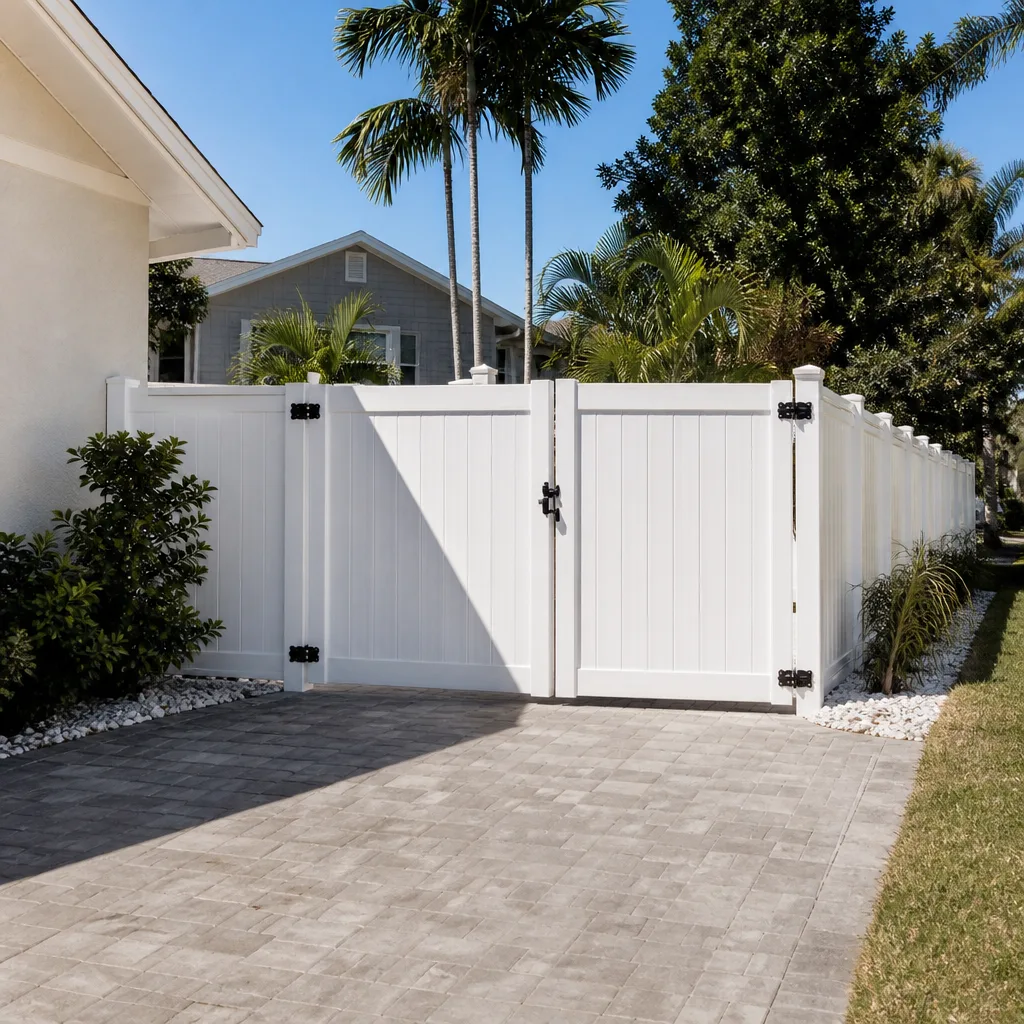
A wood fence in the Dallas climate should be stained or sealed every 2 to 3 years, with application timed to October – November or March – April – never in the heat of July or August. Annual hardware inspection should happen in late spring before sustained heat expands hinges and latches, and the strip of soil and vegetation along the fence base should be cleared back 2 to 3 inches year-round. Done on this cycle, a cedar fence lasts 15 to 20 years in Dallas; skipped, it lasts 7 to 10.
Styles & brands we work with
- Kitchen remodeling
- Bathroom remodeling
- Home additions & ADU
- Roofing
- Windows & doors
- Driveway & pavers
- Fence
Table of Contents
- Why Timing Matters More Than the Product in Dallas
- The Month-by-Month Dallas Fence Maintenance Calendar
- Choosing Stain and Sealer for Dallas Cedar
- Vegetation Management: The 2-to-3-Inch Rule
- Hardware Maintenance Is a Separate Job
- Post-Storm Inspection Checklist
- The Dollar Case: Maintenance Versus Early Replacement
- When to Bring in a Professional
Why Timing Matters More Than the Product in Dallas
Most fence care advice you’ll find is written for a climate that isn’t ours. Dallas sits in a transition zone where summers run long and brutal, humidity swings hard between seasons, and the freeze events of February 2021 showed how fast a wet fence can be wrecked by a hard freeze. A cedar board here goes through more expansive-contractive cycles in one year than the same board would in five years in a mild coastal climate.
That cycle is what breaks down stain. Wood absorbs and releases moisture constantly, and each swell-and-shrink opens micro-cracks in any film that has lost its flexibility. In Dallas, a stain applied in August often loses that flexibility inside 12 months. The same product applied in October, when wood is drier than spring but air temperatures are moderate, penetrates deeper and holds its elasticity through the next summer.
That is the core of our experience with Dallas fences: the product matters, but the application window matters more. When we specify a stain for a new fence build, the conversation always includes when it will be applied. If you’re planning a project, that timing should be baked in from day one – the team at Fence Installation in Dallas builds it into the schedule so sealant has the right weather to cure.
The three tasks that explain the whole gap between a fence that lasts 15 to 20 years and one that fails in 7 to 10 are staining on a 2 to 3 year cycle, inspecting and lubricating hardware every year, and keeping vegetation off the boards. None of them are hard. All of them have timing that makes or breaks the result.
The Month-by-Month Dallas Fence Maintenance Calendar
Here’s the schedule we recommend for a wood fence in Dallas, tied to our actual weather patterns.
- January – February: Post-freeze inspection. Walk the fence line after any hard freeze – check for split boards, lifted nails, and frost-heaved posts. North-facing runs take the most damage and should be checked first.
- March – April: First staining window of the year. Wood has dried through winter, temperatures are moderate, and there’s typically a two-to-three-week dry stretch to work with. This is also the window to re-seal any post caps that cracked over winter.
- May: Hardware inspection before sustained heat. Lubricate gate hinges, check latches for play, tighten any loose brackets. Heat expansion in June and July magnifies existing gaps.
- June – August: No stain or sealant application. Watch only. Check the base for vegetation contact, keep an eye out for new warping, and note anything that needs attention. If a board splits or a post loosens, get it fixed before the next storm season.
- September – October: Second staining window opens. This is the preferred window – the wood is at its driest and temperatures are falling. Aim for October work if the calendar allows.
- November – December: Vegetation clearance and final inspection. Trim grass and vines back 2 to 3 inches from the base, clear debris, and do a final gate-function check before the wet season.
Two application windows (March – April and October – November) are what a Dallas climate allows. Miss both and you’re either waiting until next year or paying for a reapplication that likely won’t last.
Choosing Stain and Sealer for Dallas Cedar
Which stain you use matters, but only after the timing question is settled. These are the products we see perform reliably on cedar in this climate, with their rated reapplication intervals and the prep each requires.
- TWP 100 Series: An oil-based stain that penetrates rather than forming a film, which makes it forgiving if a board wasn’t perfectly prepped. Rated for roughly 3 years on vertical surfaces, though south- and west-facing runs in Dallas often fall closer to 2. Cedar needs to be down to bare wood before application – the previous coat can’t be layered over.
- Armstrong Clark: A penetrating oil stain with strong UV protection for its class, rated 2 to 3 years on cedar. Requires the wood to be clean and dry – a full 48 to 72 hours of dry time after any washing. It’s a common choice for homeowners who want deeper color; the trade-off is that uneven application shows more.
- Ready Seal: A semi-transparent oil blend that is more forgiving to apply than the two above. Rated 2 years in full-sun conditions, and it needs the wood prepped to bare – sanding or a chemical wash – before each reapplication.
Sealers on top of a stained fence are a separate choice and usually not necessary; this climate dries the wood too hard for most topcoat sealers to perform. If you’re going bare wood, use a penetrating oil sealer and expect to reapply every 2 years.
Whatever you choose, the prep is the same: clean the boards, let them dry fully, and never apply in direct sun or over 90°F. That’s a Dallas-specific caution – the surface temperature climb here is why an October application outlasts an August one.
Vegetation Management: The 2-to-3-Inch Rule
Grass, ivy, and vines touching fence boards is the second-largest cause of early fence failure in Dallas, right behind mistimed staining. The moisture they hold against the wood – combined with the way they slow evaporation after a rain – keeps the base of every board damp for hours longer than the rest of the fence. Rot almost always starts at the ground line, and once it’s in a post, the post is gone.
The standard is a 2-to-3-inch gap maintained between vegetation and the fence base. This is a trim, not a spray. Herbicides used near a wood fence bleed into the soil around the concrete footings that hold the posts, and repeated exposure weakens the footing-to-soil bond. Trim by hand and pull by hand; that keeps the soil around the footings stable.
Two passes a year is enough if the trim is done right. April and October are the natural times – April catches the spring growth flush, October brings the fence into winter with a clean base. Vines like English ivy and the wisteria common in older Dallas neighborhoods should be cut at the base and pulled back, not just trimmed – the runners will re-establish on the boards within weeks.
We see this in older Dallas neighborhoods constantly: a solid-looking fence with posts that are half rotted at the ground because ivy was allowed to grow against them for years. The boards above still look fine, which hides the problem until a post finally fails. A 3-inch gap in April and October prevents it entirely.
Hardware Maintenance Is a Separate Job
Wood maintenance gets all the attention, but the metal on a fence fails on its own schedule. Gate hinges, latch mechanisms, screws, post caps, and any brackets run through a full expansion cycle every summer in Dallas – a 20°F swing between morning and afternoon is routine here. That thermal cycling is what loosens screws and wears out hinges.
Once a year, in May, do this:
- Lubricate gate hinges with a lithium grease or a silicone-based lubricant. Do not use WD-40 for this – it displaces moisture in the short term, then leaves no protective film, so the hinge dries out and rusts faster than it would have untreated.
- Check latch mechanisms for play. A latch with a quarter-inch of wobble in May will fail to catch by August. Tighten the strike plate and hinge screws with a driver, not by hand.
- Inspect post caps for cracked sealant where the cap meets the post. Any gap is a water path into the post top, which rots from the inside out. Re-caulk with an exterior-grade caulk rated for UV exposure.
- Tighten every visible screw on the gate frame – gates take more load than the fence run and loosen more often. If any screw spins, replace it with one size larger before it strips out completely.
That’s the entire hardware schedule. It takes about 45 minutes on a typical Dallas residential fence and it prevents the most common gate failure – a hinge that separates from the post and takes a section of the fence with it.
Post-Storm Inspection Checklist
Dallas storm season runs roughly April through June, with hail and the occasional high-wind straight-line event. A 10-minute walk after any significant storm prevents small damage from becoming structural. Here is what to look for:
- Posts that have shifted out of plumb – check with a level or sight down the line of the fence.
- Boards that have lifted or splintered at the nail points – even one lifted board invites water in behind it.
- Split rail sections along the top – those are where the next wind gets a grip.
- Gate sag – if the gate drags on the ground or the latch is misaligned, the top hinge is likely loosening.
- Soil erosion at the base of any post – hail-driven water can undermine footings, and a footing that loses soil loses hold.
If a post has moved more than 2 inches out of plumb, that’s not a maintenance repair – that’s a rebuild of the section. Get it assessed before the next storm season so a single post failure doesn’t take out the run.
The Dollar Case: Maintenance Versus Early Replacement
The dollar argument makes the schedule obvious once you lay it out.
- Annual maintenance cost: $150 – $400 every 2 to 3 years for stain and hardware work, depending on fence length and product.
- Full fence replacement cost in Dallas: $4,000 – $9,000 for a typical residential lot, depending on material and scope.
- Replacement seven years early: Losing seven years of a 15-year fence means the full replacement cost gets pulled forward into year 8 instead of year 15.
Over a 15-year window, the maintained fence costs roughly $750 – $2,400 in maintenance and reaches its natural end. The neglected fence costs $0 in maintenance and $4,000 – $9,000 in replacement seven years early. That’s an 8x to 12x return on the maintenance spend – before you factor in what a fence replacement does to a yard, a driveway, and a planting bed. And you don’t get the original fence back. A new fence replaces old boards; it doesn’t undo the years of damage.
If a new build is on your list, factor the maintenance schedule into the project cost from the start. When we quote driveway and paver work alongside a new fence, we price it with the fence line’s clearance in mind – see Driveway & Pavers in Dallas for how that’s usually handled.
Common Mistakes to Avoid
- Staining in summer: Any application between June and August in Dallas is likely to flash off before penetrating. The result looks fine for one season and then flakes badly.
- Using WD-40 on gate hinges: It displaces moisture for a week and then leaves nothing behind. Hinges need a grease or silicone lubricant with a protective film.
- Spraying herbicide at the fence base: It kills the visible vegetation and damages the soil around the concrete footings, which is the part you can’t see but rely on most.
- Staining over a dirty or damp board: Prep is the whole job. Cedar needs to be dry for 48 to 72 hours after any wash before stain goes on.
- Skipping the post-cap check: A post rots from the top before it rots from the ground in many Dallas cases. A $15 worth of caulk prevents a $200 post replacement.
- Ignoring a single leaning post: One post out of plumb loads the whole run, and the next storm takes the section with it.
- Applying a film-forming sealer over an oil-stained fence: The film will fail inside 2 years and take the stain with it when it does.
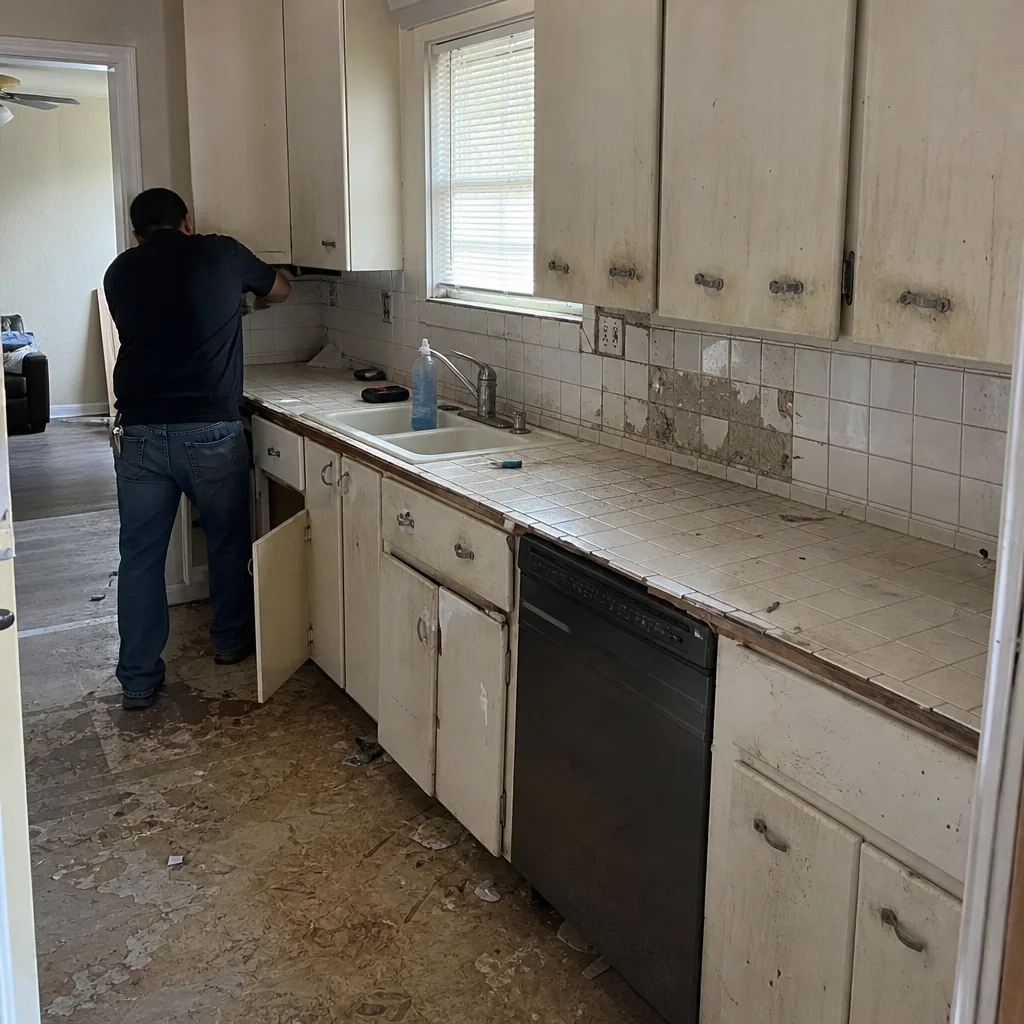
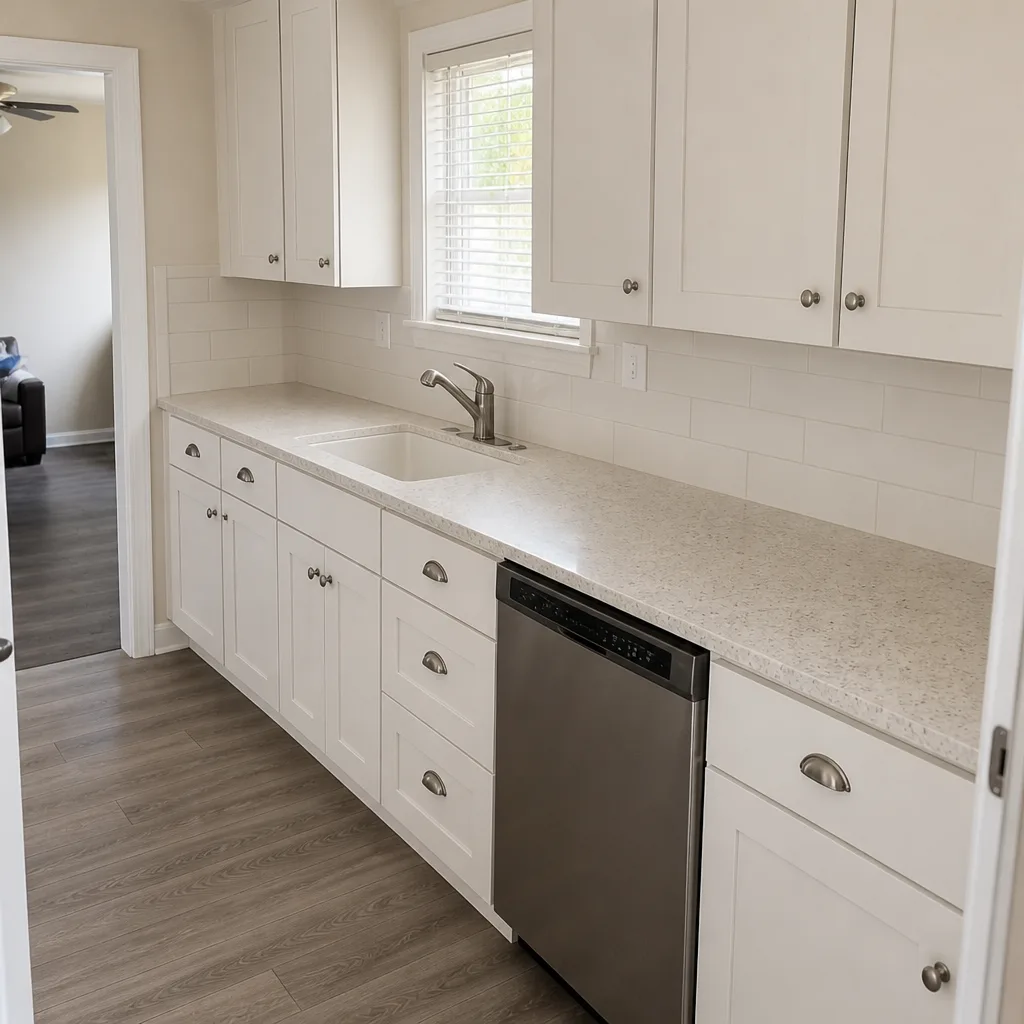
See the difference
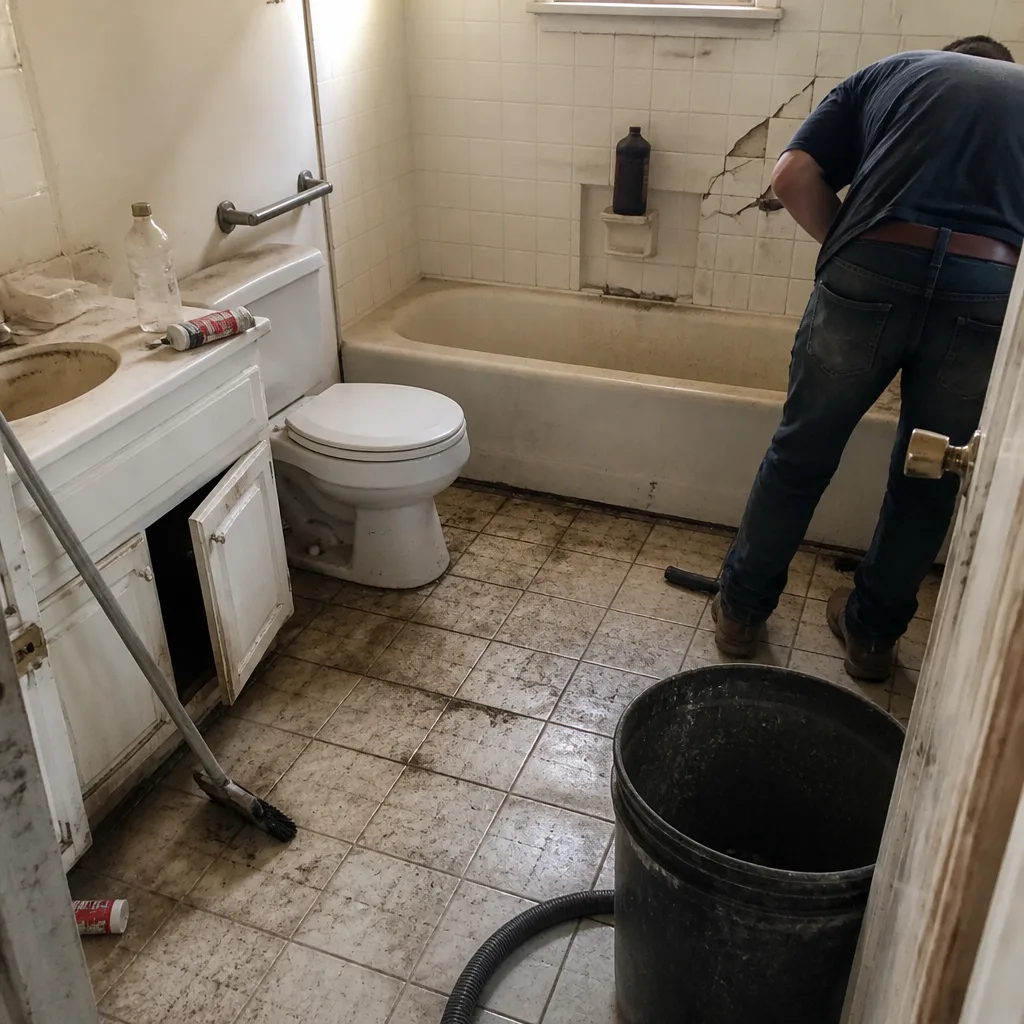 Before
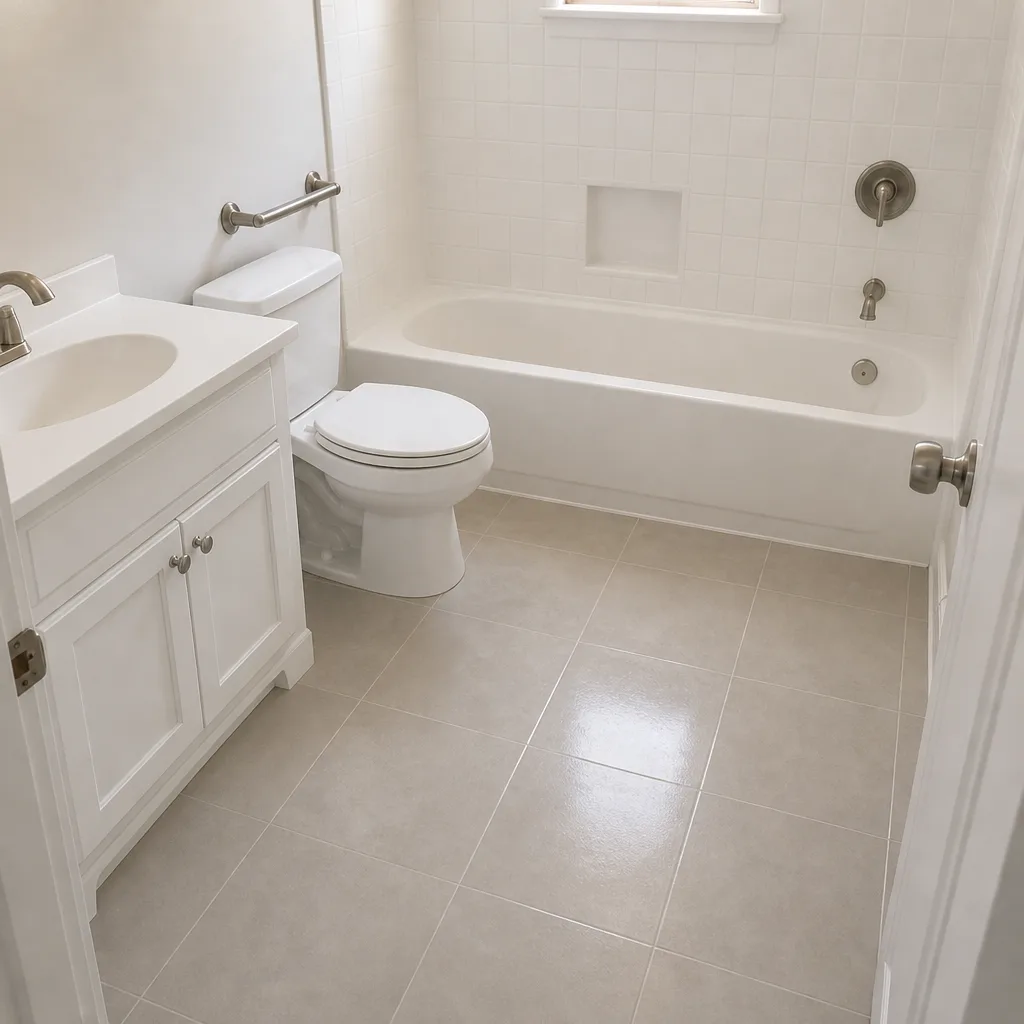 After
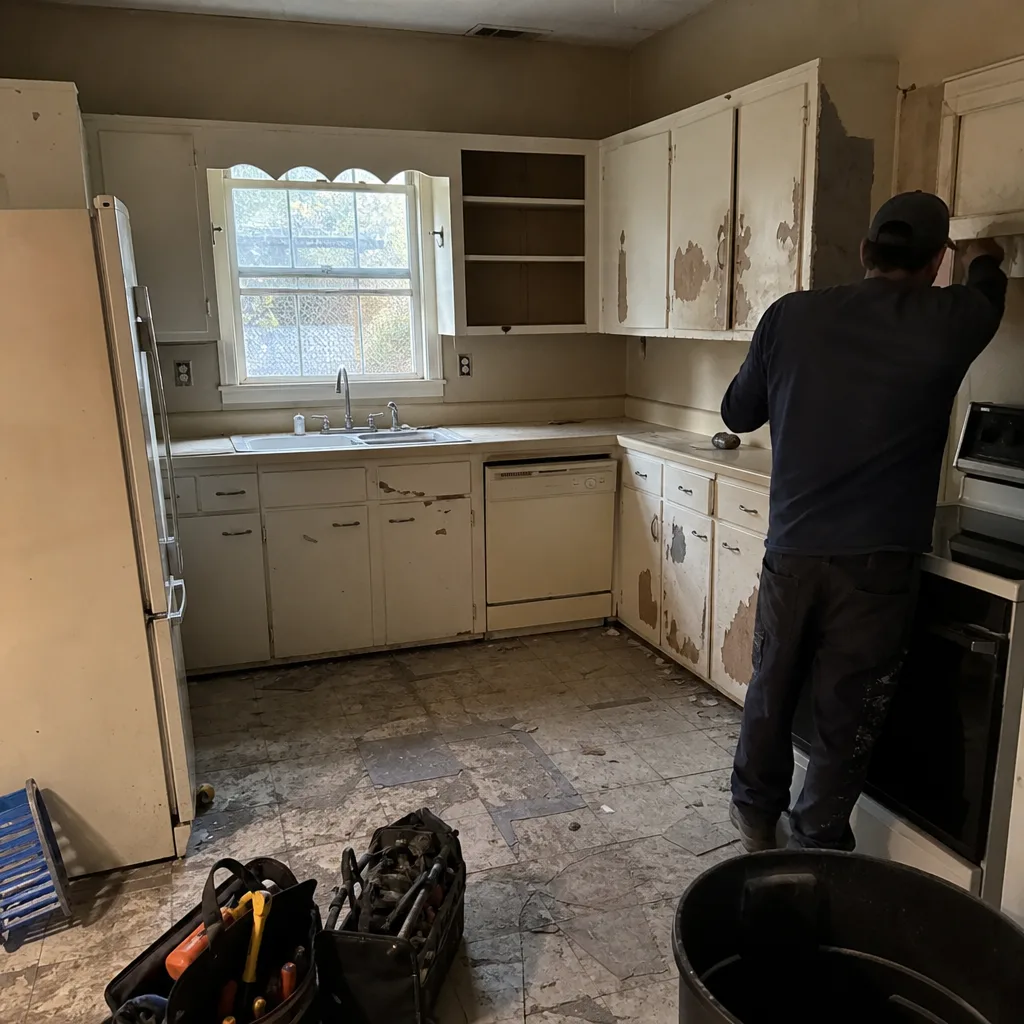 Before
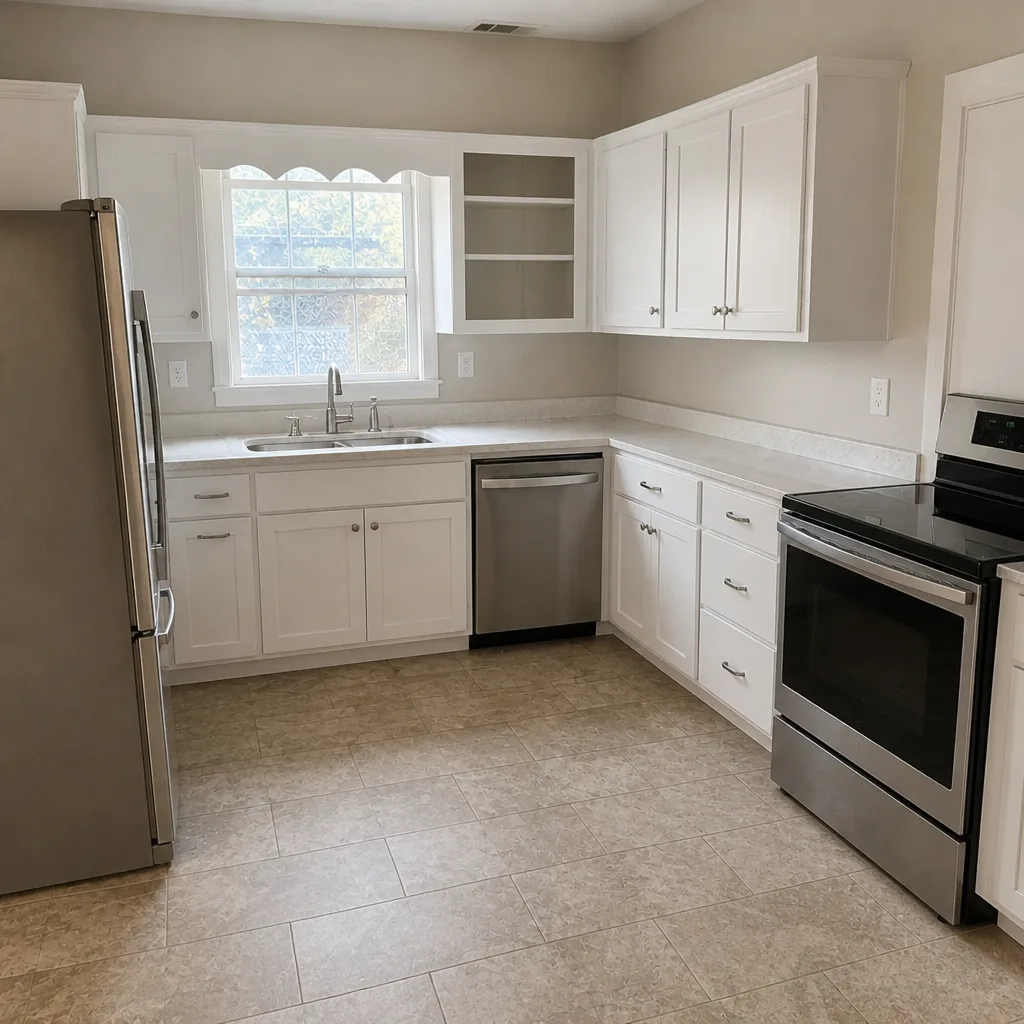 After
 Before
 After
When to Call a Professional
Most of the maintenance schedule on this page is a homeowner task. The exceptions are clear: any post that has shifted, any gate section that has loosened at the frame, and any fence run showing rot at the base across more than two or three boards. Those aren’t maintenance items; they’re structural. A pro should also take on full-fence staining when the footprint is over 200 linear feet or the fence is two stories tall at any point, because the application window is too narrow to spread across weekends. Rowan Construction Group Dallas offers free estimates in Dallas – call (833) 954-5327. Our technicians have up to 19 years of experience and every visit includes a documented photo record as a standard deliverable. If you’re also considering a larger outdoor build, our Home Additions & ADU in Dallas guide covers what usually triggers a fence review mid-project.
Frequently Asked Questions
Every 2 to 3 years, with application timed to October – November or March – April. A Dallas summer application typically fails within 12 months because surface temperatures flash off the product before it penetrates.
October. Wood is at its driest, air temperatures are moderate, and the fall typically gives you a multi-day dry window. November is the backup; March – April is the second-best window.
We don’t recommend it. Dallas morning temperatures in August can still reach 90°F by 10 a.m., and boards in direct sun are well above ambient by that point. The application window is too narrow to get an even result across a full fence. Wait for October.
Not always. A single rotten post can be replaced with the fence run intact, usually for $150 – $400 depending on post type and access. If rot has spread to 3 or more posts in a run, the section usually should be rebuilt. Call (833) 954-5327 for a free estimate before you decide.
A lithium grease or a silicone-based lubricant. Both leave a protective film that keeps the hinge working through the summer expansion cycle. WD-40 displaces moisture in the short term and leaves nothing behind, so the hinge re-rusts within a week.
If more than 25% of posts are rotted at the ground line, or any major run has pulled out of plumb after a storm, replacement is usually the better spend. Below that threshold, section repairs and a proper maintenance schedule will get you 5 to 10 more years. Call us for a second opinion before you commit to a full rebuild – it’s free.
The Bottom Line
A Dallas wood fence lasts 15 to 20 years on a schedule of three tasks: stain every 2 to 3 years in the October or March windows, inspect and lubricate hardware every May, and keep a 2-to-3-inch gap of bare soil at the base year-round. Skipped, it lasts 7 to 10. The maintenance cost over 15 years is $750 – $2,400. The early replacement costs $4,000 – $9,000 and gets you back the same fence, not a better one. If you’re at a decision point, call (833) 954-5327 for a free estimate – the written price comes before any work starts, and we’ll review any existing quote line by line at no charge.
For a broader view of how a fence fits into a full property plan, start at the Rowan Construction Group Dallas home page. Our quotes are a flat written price with a written scope and a written warranty, and any change gets a signed change order before work moves. See also Fence Installation in Dallas for how we structure a new build around the maintenance schedule.
Written by the team at Rowan Construction Group Dallas.