Last updated November 17, 2026
Free written scope consultation - allowances, timeline, and change-order rules on paper before a single trade is scheduled
DIY vs Professional Construction: The Dallas Homeowner’s Decision Guide
Most Dallas homeowners decide DIY versus hire by asking whether they’re handy enough. That’s the wrong test. In Dallas, the more expensive question is legal: did the work need a permit, and will you have to disclose it? Texas requires sellers to complete a written seller’s disclosure notice, and unpermitted structural or systems work becomes a known material fact you’re obligated to reveal. We’ve watched a $2,400 DIY bathroom rough-in turn into a negotiating chip years later.
This guide covers the permit matrix, the liability gap under the Texas Residential Construction Liability Act, and five cost comparisons with the math shown.
Quick Answer
DIY is the right call in Dallas for cosmetic, non-structural, non-permitted work you can finish safely: interior painting, tile, landscaping, deck finishing. Hire a licensed professional for anything touching the structural envelope, electrical service, gas, plumbing rough-in, or anything the City of Dallas requires a permit and inspection for. The deciding factors aren’t skill; they’re permit exposure, liability transfer, and resale disclosure.
Styles & brands we work with
- Kitchen remodeling
- Bathroom remodeling
- Home additions & ADU
- Roofing
- Windows & doors
- Driveway & pavers
- Fence
Table of Contents
- The Project-Type Matrix: What Dallas Allows You to Permit Yourself
- The Liability You Give Up When You Do It Yourself
- The Real Cost Comparison: DIY vs. Professional on Five Dallas Projects
- Insurance: What Your Policy May Exclude After Unpermitted Work
- Dallas Climate and Code: Why Local Details Change the Math
- Which Projects Are Genuinely Good DIY Candidates in Dallas
- The Projects That Generate the Most Costly Remediation Calls
- The One-Page Decision Table
The Project-Type Matrix: What Dallas Allows You to Permit Yourself
The City of Dallas permits categories of work, not people. A homeowner can legally pull a permit as an owner-occupant on a single-family home for many improvements, but the inspection still must pass, and the permit file names you as the responsible party. On licensed trades, the city expects the work to be performed by the licensed contractor named on the permit.
Our working categorization, from twenty common residential projects:
Homeowner-permittable, usual scope:
- Interior paint and drywall repair
- Tile in a bathroom or kitchen backsplash (with proper waterproofing)
- Landscaping, sod, planting beds
- Replacing a like-for-like fixture (faucet, ceiling fan)
- Non-structural deck refinishing
- Fence replacement of the same height and location
Requires a licensed trade contractor:
- Replace the main electrical panel or add a circuit
- Gas line install or appliance reconnection
- Water heater replacement (permit, plumbing and gas connections)
- Sewer line and water supply rough-in
- HVAC replacement and refrigerant work
Requires a licensed general contractor and full permitting:
- Adding a room or Home Additions & ADU in Dallas
- Structural wall removal and beam installation
- Full kitchen or bathroom gut and rebuild
- Roof replacement on anything beyond a like-for-like small repair
- New driveway, hardscape, or Driveway & Pavers in Dallas
- Foundation repair and structural underpinning
If a project crosses into a licensed category, the honest answer isn’t “be careful” – it’s “don’t permit yourself into responsibility you can’t discharge.”
The Liability You Give Up When You Do It Yourself
The Texas Residential Construction Liability Act is the statute a homeowner uses to bring a claim against a contractor for defective construction. The formal notice and repair process is designed to give both sides a chance to correct an issue before litigation. When you self-perform, that statute has no one to attach to. You are both the builder and the injured party.
Concretely, three things change:
- No recovery channel. A defect discovered two years later is yours to fund. There’s no contractor’s insurance policy on the hook.
- No workmanship warranty. The Rowan Construction Group Dallas home page describes our standard: a written price before work starts, a signed change order before any change, and the 365-Day Done Right Promise. Self-performed work has none of those; you hold the warranty as the one who did the work.
- Disclosure obligation grows. Under the Texas seller’s disclosure notice, you must state known defects and unpermitted improvements. That obligation doesn’t expire. It follows the house.
We’re not suggesting every homeowner avoids DIY. We’re pointing at the trade: putting in a tile backsplash costs you a weekend. An unpermitted beam costs you a negotiation.
The Real Cost Comparison: DIY vs. Professional on Five Dallas Projects
We do this exercise on every written quote. The professional number isn’t the only cost; the DIY number isn’t just the materials. Below are five projects with realistic Dallas ranges. Time is valued at $35 per hour (opportunity cost), tools assume you buy what you don’t already own, and permit fees are shown where the permit is homeowner-obtainable.
1. Interior painting, 1,200 sq ft home
- DIY: paint and supplies $600 + 30 hours ($1,050) = $1,650
- Professional: $2,400-$3,800 depending on ceiling height and prep
Break-even: DIY wins if your time is worth less than roughly $60-$105 per hour of work displaced. For most Dallas households, painting is a rational DIY call.
2. Bathroom tile installation, 50 sq ft
- DIY: tile, thinset, membrane, tools $900 + 20 hours ($700) = $1,600, with real risk of a failed shower pan
- Professional: $2,800-$4,500
Break-even: close on paper, not on risk. The failure mode here is water where it shouldn’t be, and remediation on a Dallas bathroom is $4,000-$9,000.
3. Fence replacement, 120 linear feet
- DIY: materials $2,400 + tools $400 + 24 hours ($840) = $3,640
- Professional: $4,200-$6,200 installed, permit and inspection pulled
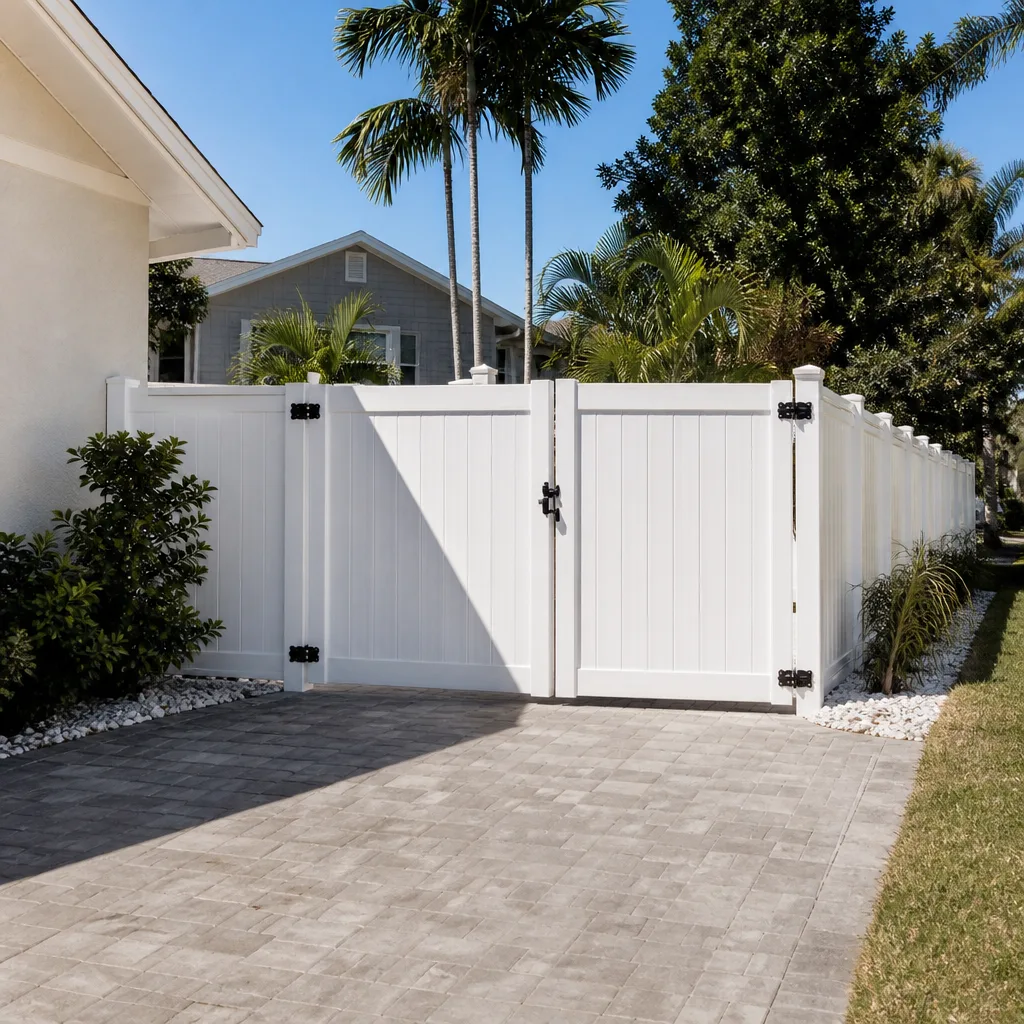
Cedar aging and North Texas clay soil make post setting a two-person job. See Fence Installation in Dallas for the conditions we plan around.
4. Electrical panel replacement
- DIY: not legally available to you. The permit requires a licensed electrician.
- Professional: $2,800-$5,500
There is no DIY column here. High-voltage work is a genuine hazard, and like-for-like permitting through the City of Dallas routes to a licensed trade.
5. Roof replacement, 2,000 sq ft
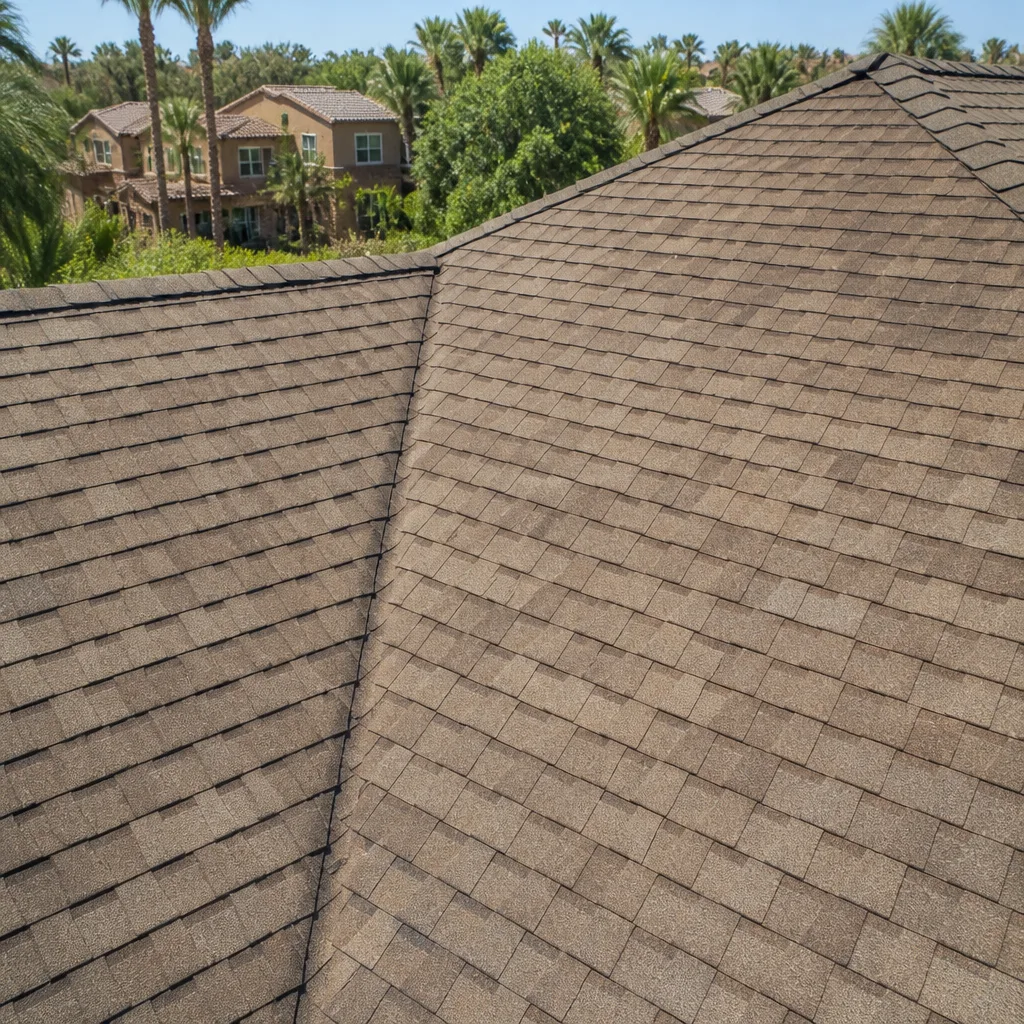
- DIY: not advisable. Roof pitch, height, and shingle layer removal are a serious injury risk, and homeowner-bought shingles land at retail (roughly 15-25% higher than contractor tier).
- Professional: $12,000-$22,000, with GAF or Owens Corning system warranties
Roofing belongs in the “call a professional” column for safety first and for the warranty pathway second.
Insurance: What Your Policy May Exclude After Unpermitted Work
Read your homeowners policy for the words “faulty workmanship” and “unpermitted construction.” That’s where the exclusion lives. When damage traces back to work that was not permitted or was self-performed outside code, insurers commonly deny the resulting interior or structural claim, even if the original event was a plumbing leak.
Two phrases to look for in your own documents:
- “We do not cover loss caused by faulty workmanship, repair, or construction.”
- “We do not cover loss caused by construction or improvement without required permits or inspections.”
If a claim is denied, your path is your own pocket. That’s the case we’re trying to keep a Dallas homeowner out of by naming the specific exclusion language before the work starts, not after.
Dallas Climate and Code: Why Local Details Change the Math
General advice written for a national audience misreads Dallas. Three local conditions shift the DIY-vs-hire equation:
- Expansive clay soil. Post setting for fences and pavers requires deeper embedment than the national boilerplate suggests, and the soil movement will surface a bad install within a couple of seasons.
- Summer heat and roofs. A shingle roof installed in July in Dallas needs crew experience with seal-down timing; a homeowner rushing a weekend shingle job lands on the wrong side of that curve. Our roofing crews use GAF or Owens Corning systems partly because the manufacturer warranty requires certified installers.
- Hail season. A poorly nailed or improperly layered shingle roof fails hail inspections and complicates an insurance claim. The layer count matters and belongs on the permit and the photo record.
We also source cabinets through KraftMaid and James Hardie siding through the same vetted channel; those brand warranties have installer certification requirements that a homeowner install breaks. That’s a quiet cost most DIY calculators miss.
Which Projects Are Genuinely Good DIY Candidates in Dallas
We mean this sincerely: several categories are better in your hands. Our crews are best used where permits, insurance, and resale disclosure carry weight.
- Interior painting. Lowest risk, fastest learning curve, resale benefit.
- Tile work in dry areas (backsplash, non-wet-wall floors). Keep wet-wall tile to a pro.
- Landscaping and sod. Cost-effective, low permit exposure, high curb-value return.
- Non-structural deck finishing. Refinish and re-stain; leave framing and ledger attachment to a pro.
- Cabinet and fixture swaps. Replace, don’t reposition plumbing or wiring.
If the project requires a permit, a licensed trade, or a change to the structural envelope, put the DIY energy into choosing the contractor carefully instead.
The Projects That Generate the Most Costly Remediation Calls
In the projects we’re called out to fix, five repeat offenders dominate:
- Unpermitted bathroom gut. Missing waterproofing membrane on the shower, discovered after a ceiling stain. Remediation usually runs $4,000-$9,000.
- Structural wall removal without a beam. The sag appears at year two. Structural remediation is $8,000-$20,000 and requires engineering.
- Electrical panel work in a homeowner-pulled permit. Insurance denies fire-related claims; the fix requires a licensed electrician and a re-inspection.
- Roof over a failed deck. A second shingle layer over soft sheathing. Replacement cost doubles versus a clean install.
- Fence and paver work on clay soil. Posts that move, pavers that heave. Redoing it costs more than the original quote.
The through-line: each of these should have been permitted. The permit and inspection are the disclosure, insurance, and code trail rolled into one document, and the price of skipping it isn’t paid on the weekend you do the work.
The One-Page Decision Table
- Paint, tile (dry), landscaping, deck finish: DIY is rational. No permit, low insurance exposure.
- Fence, driveway, pavers: Hire. Clay soil and depth requirements punish guesswork.
- Roof replacement: Hire. Safety, layer count, and manufacturer warranty.
- Electrical, gas, plumbing rough-in: Hire. Permit requires a licensed trade.
- Additions, ADUs, structural changes: Hire a licensed GC. Disclosure and TRCLA exposure are too high.
If you’d like a written second opinion on any contractor’s estimate before you sign, we do that at no charge. That’s a standing offer, not a sales tactic.
Common Mistakes to Avoid
- Skipping the permit “to save time.” The time saved gets rebuilt into a seller’s disclosure obligation you can’t remove.
- Assuming homeowner permits cover licensed trades. The permit names your electrician or plumber for good reason; be sure the trade holds the license.
- Buying shingles at retail for a DIY roof. The retail premium is 15-25%, and you still lose the manufacturer warranty.
- Laying pavers on unprepared clay. A common Dallas mistake; the first wet season makes the point.
- Finishing a deck without inspecting the ledger. The cosmetic layer hides the attachment problem until it doesn’t.
- Not photographing the work. If you sell, a documented record of the install reduces the disclosure friction.
- Trusting a verbal “yes” on the price. A written price before work starts isn’t paperwork; it’s the plan.
See the difference
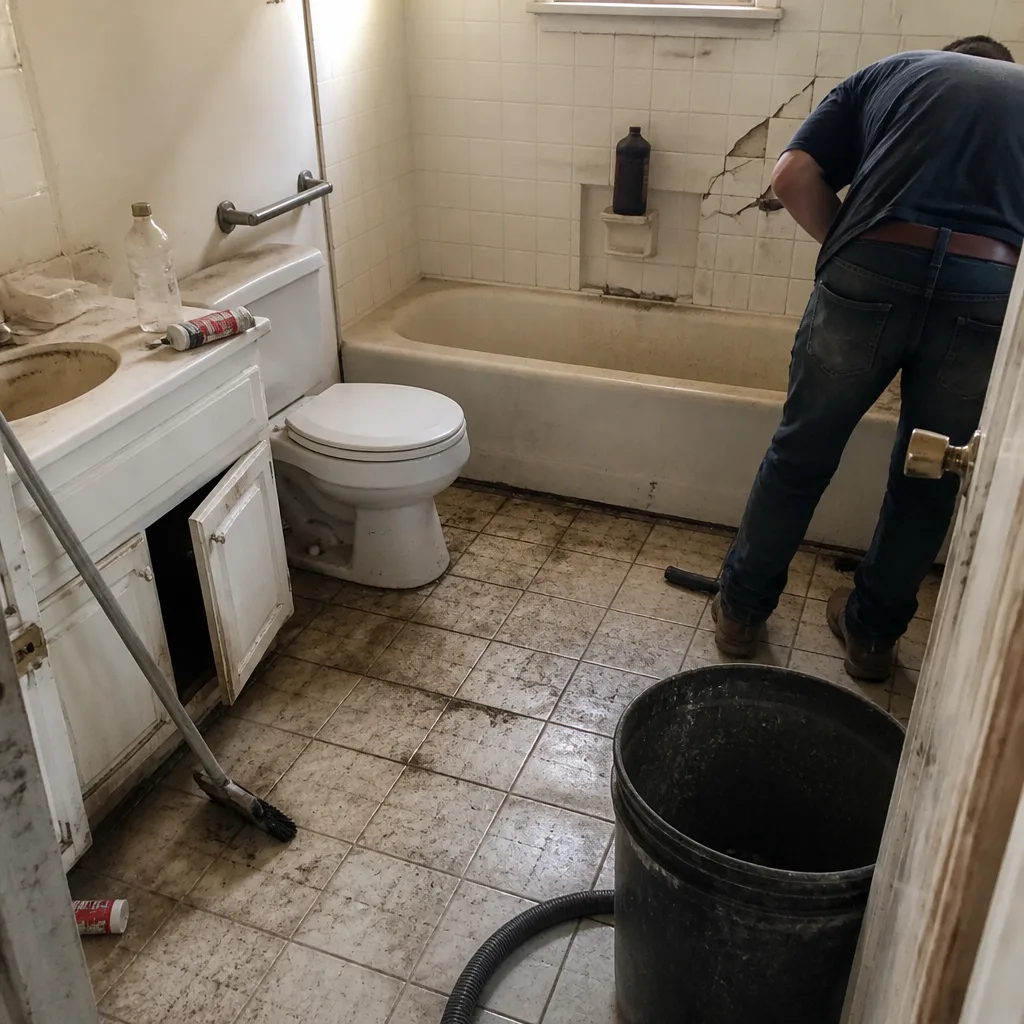 Before
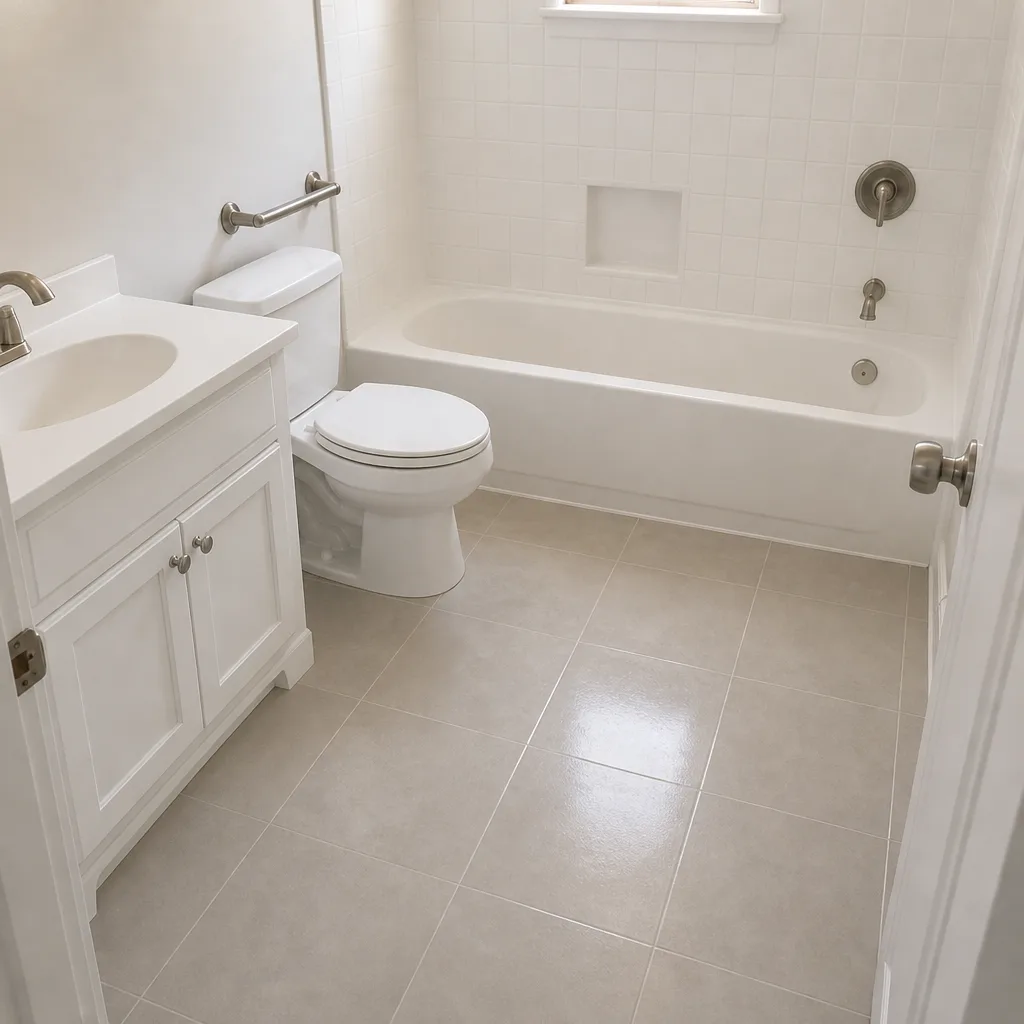 After
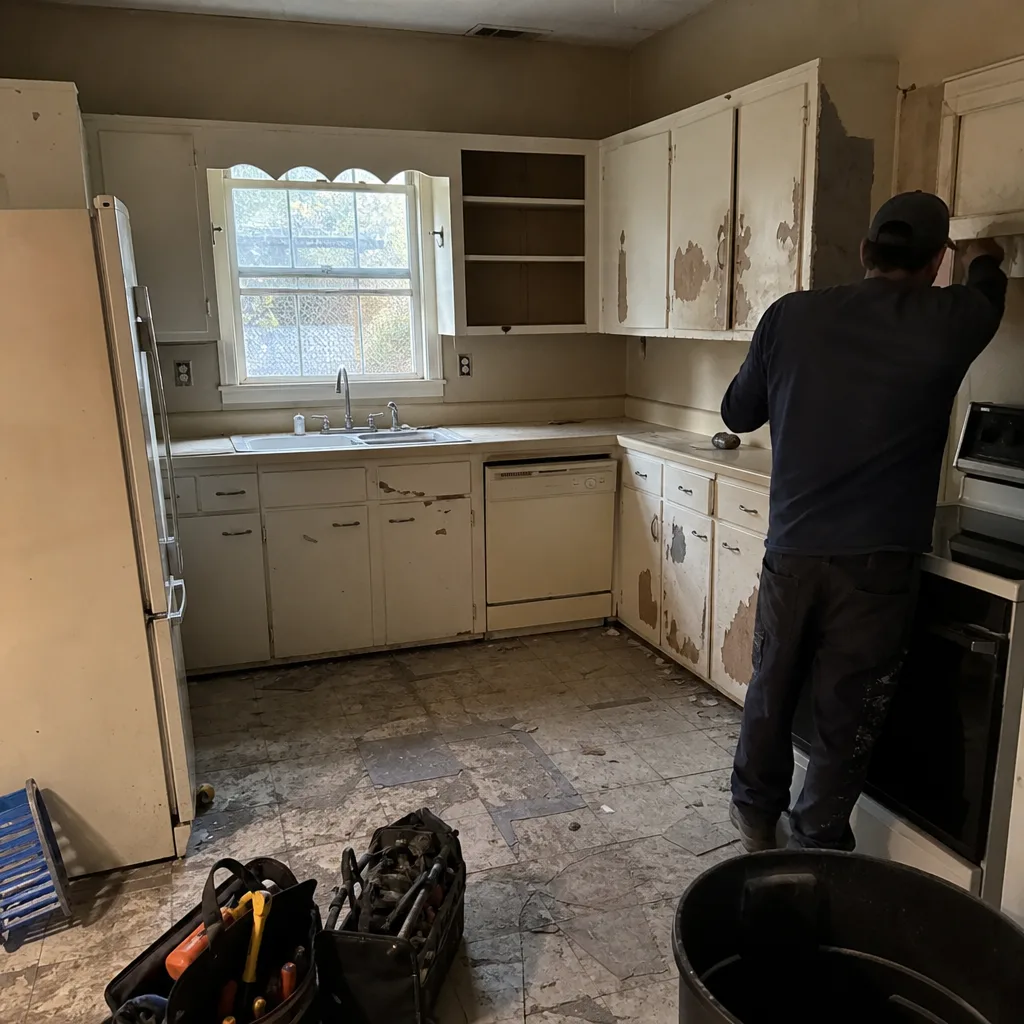 Before
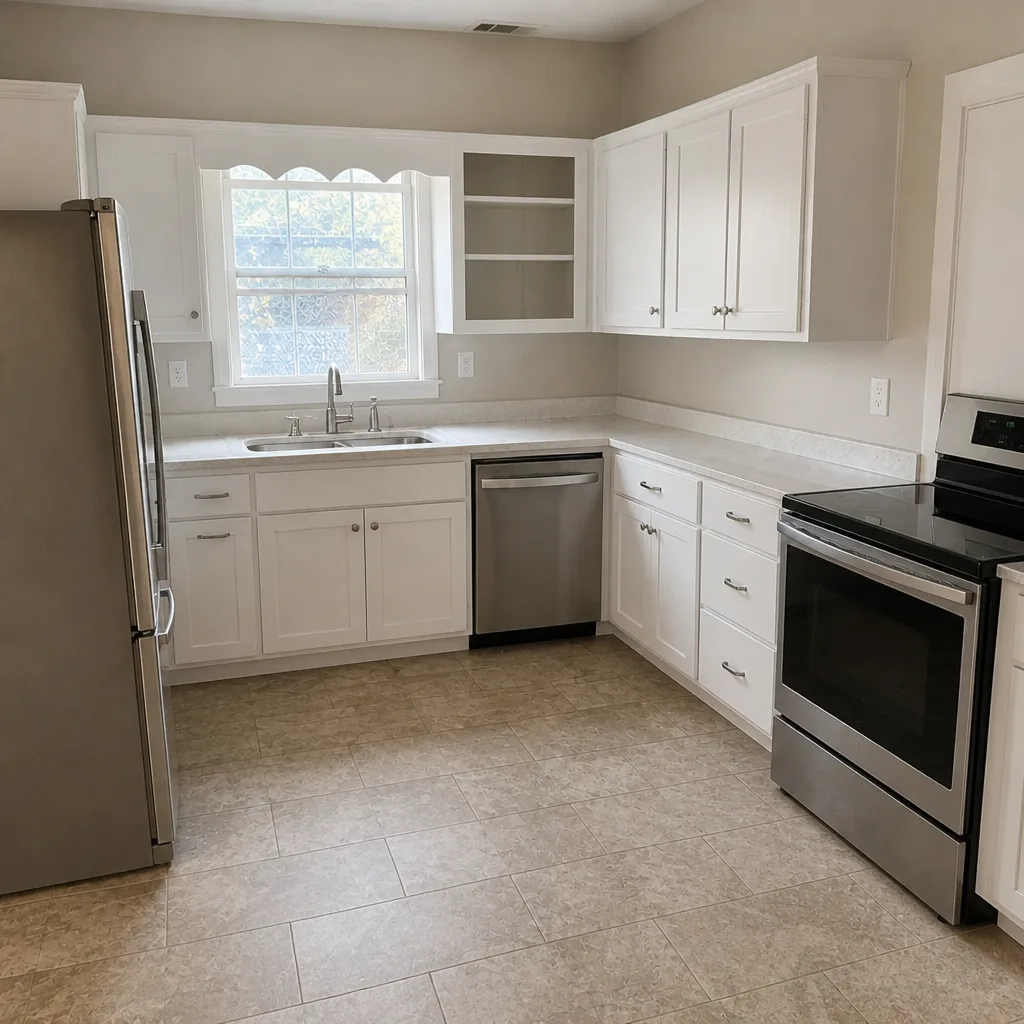 After
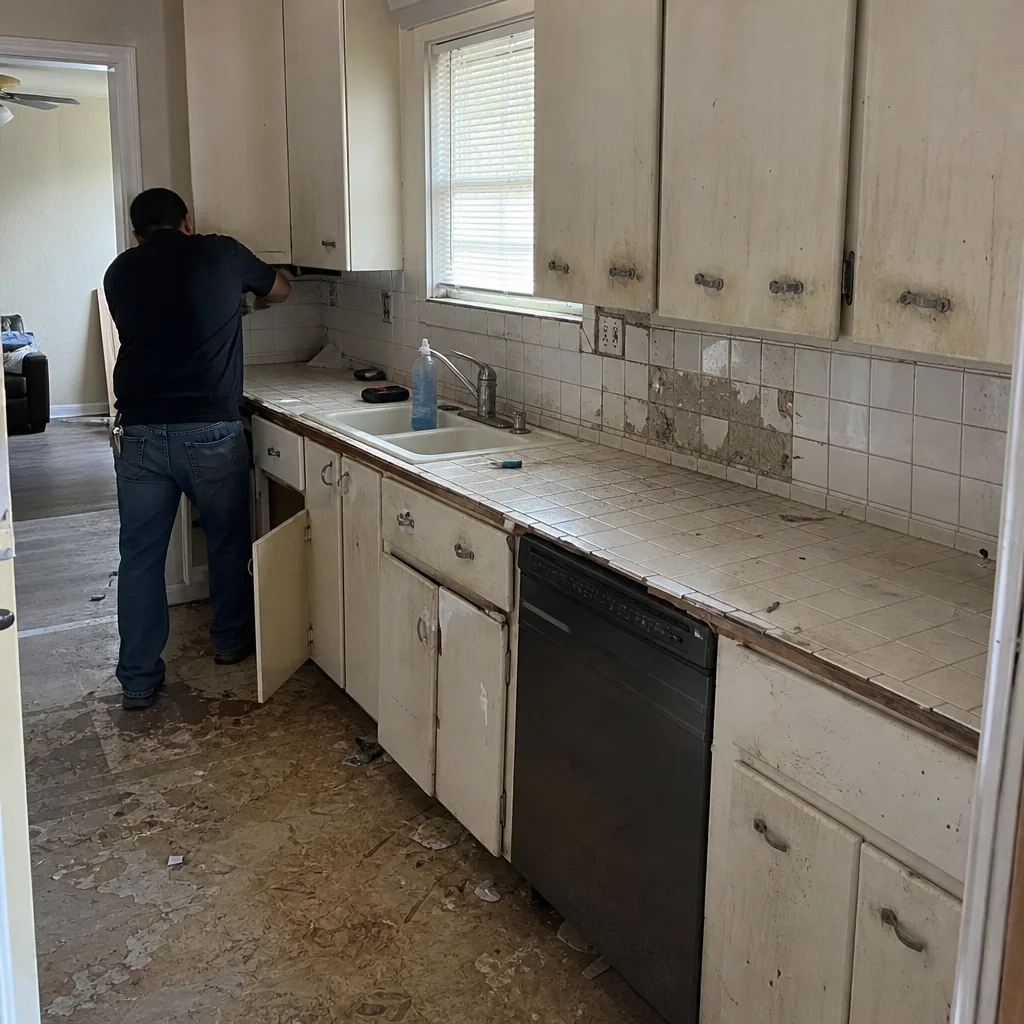 Before
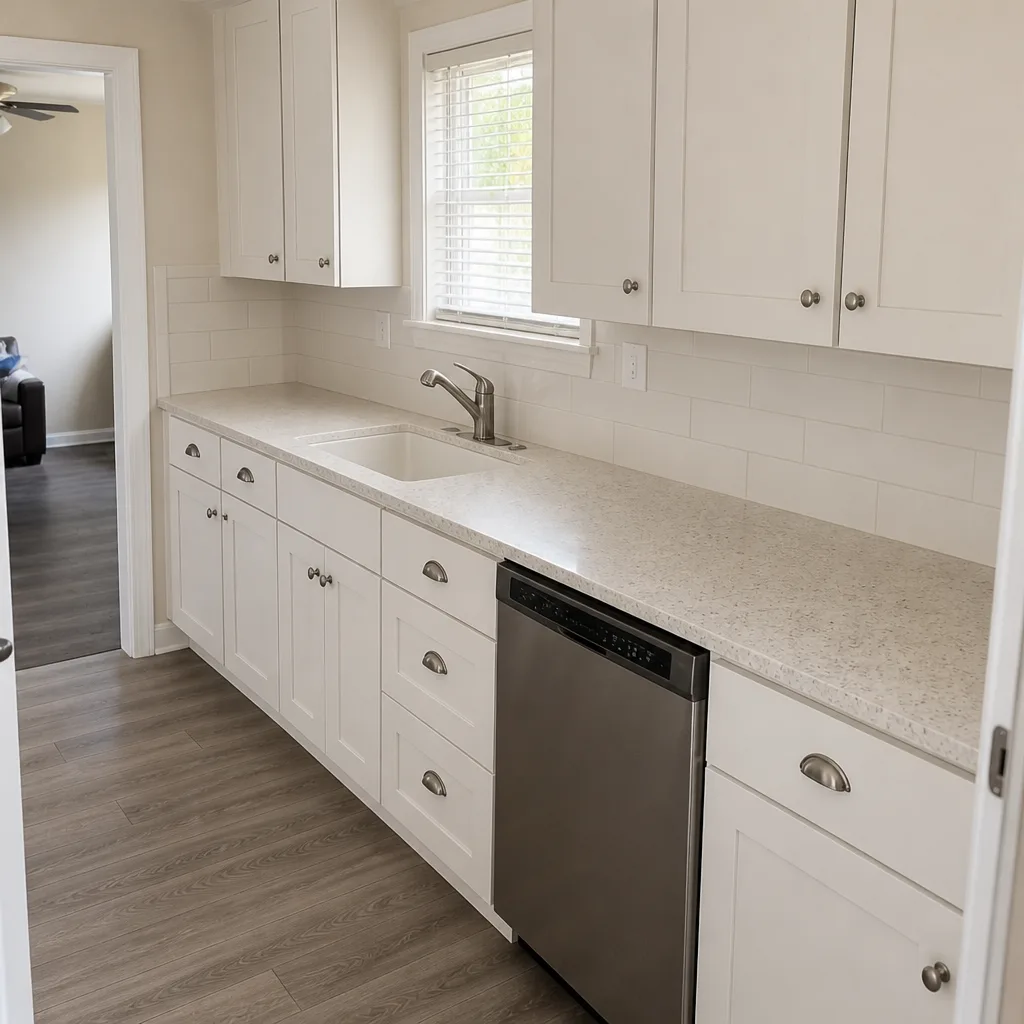 After
When to Call a Professional
Call a professional if the project touches the structural envelope, requires a permit that names a licensed trade, or has a failure mode you can’t fund and can’t recover from. That includes electrical service, gas, plumbing rough-in, roofing, foundation, additions, and any ADU. If a defect in your work would follow the house through a future sale, a licensed contractor should carry it, not you. Our crews are background-checked and uniformed, a live person answers the phone around the clock, and every visit includes a documented photo record as a standard deliverable. Rowan Construction Group Dallas offers free estimates in Dallas – call (833) 954-5327.
Frequently Asked Questions
Yes for most bathroom remodels. Any work that moves plumbing, electrical, or gas requires a permit and inspection through the City of Dallas, and the trade permits must name a licensed plumber or electrician. Cosmetic changes like repainting or replacing a faucet generally don’t. Call (833) 954-5327 for an exact quote on the permit scope – estimates are free.
Practically, no. High-voltage electrical work is a genuine hazard, and the City of Dallas permit process routes panel replacements and new circuits to a licensed electrician. Even a small install done without a permit invites an insurance denial. Call us for a written quote on the licensed scope.
You must disclose it. The Texas seller’s disclosure notice obligates you to state known improvements without required permits. Buyers commonly use that to renegotiate, and a lender may require the work be inspected or redone. The exposure is set at resale, not at the time of the work.
Remediation ranges from a few thousand dollars (unpermitted shower waterproofing) to $20,000-plus for structural wall removal. The final cost usually includes re-permitting, inspection, and correcting layers beneath the visible finish. Call (833) 954-5327 for a written second opinion on a quote you already have – it’s free.
It can. Most policies exclude loss caused by faulty workmanship and loss tied to construction done without required permits. Read the “faulty workmanship” exclusion in your own policy; if the work is already done, get a licensed inspection to document the current state before you file any claim.
Yes. Bring any written estimate, and we’ll review it line by line at no charge. If it’s priced correctly, we’ll say so. If a change order was likely buried in the scope, we’ll show you where. Call (833) 954-5327 to set that up.
The Bottom Line
The DIY-vs-hire decision in Dallas runs through permits, insurance exclusions, and the Texas disclosure notice, not just skill. Paint, dry tile, landscaping, and deck finishing are genuinely yours. Electrical, gas, plumbing, roofing, structural work, additions, and any ADU deserve a licensed contractor, a written price before work starts, and a signed change order before any change. Every project we’ve delivered carries that record, and the 365-Day Done Right Promise behind it. Call (833) 954-5327 for a free estimate on your Dallas project, and we’ll put the number in writing before anyone picks up a tool.
Written by the team at Rowan Construction Group Dallas.