Last updated November 17, 2026
Free written scope consultation - allowances, timeline, and change-order rules on paper before a single trade is scheduled
DIY vs Professional Fence Installation: What’s Safe to Do Yourself
Post hole depth in Dallas isn’t a formula you copy from a national guide. This city sits on expansive clay soils that swell when wet and shrink when dry, and that clay applies uplift pressure to shallow footings that can exceed the weight of the fence itself in a wet year. Getting the depth wrong by six inches costs $150 to $300 per post to fix after the fact, which on a 120-foot fence is a repair bill larger than the boards you were trying to save money on. This guide draws a hard line between the fence work a capable homeowner can complete without risk and the work that produces a leaning fence you’ll pay twice to correct. Dallas homeowners deserve the honest version, so here it is.
Quick Answer
Board replacement, staining and sealing, gate hardware swaps, and picket installation on an existing framework are all safe DIY fence work. Post layout, post hole depth in Dallas clay, and concrete footing mixes are not – a mistake there produces a leaning or failing fence that costs $150 to $300 per post to redo. Professional fence installation in Dallas runs $25 to $45 per linear foot installed, and roughly 40% of that is board labor you can recover on a long run if you’re genuinely skilled with a saw and a level.
Styles & brands we work with
- Kitchen remodeling
- Bathroom remodeling
- Home additions & ADU
- Roofing
- Windows & doors
- Driveway & pavers
- Fence
Table of Contents
- What Fence Work Is Genuinely Learnable
- Where Mistakes Get Expensive: Posts, Layout, and Concrete
- Post Hole Depth in Dallas Clay: The Numbers
- The Honest Tool List for Both Scopes
- Where the Labor Savings Actually Are, in Dollars
- Permits, Setbacks, and Property Lines in Dallas
- What a Hybrid Contract Scope Looks Like
- Common Mistakes to Avoid
What Fence Work Is Genuinely Learnable
Start with the tasks where a mistake costs you an afternoon, not a foundation. These are the jobs a homeowner with a circular saw, a level, and a drill can finish to a standard a contractor would sign off on.
- Board and picket replacement. Swapping warped, cracked, or rotted boards on a sound framework is a one-for-one operation. Match the nominal dimensions, pre-drill near the ends to avoid splitting cedar or treated pine, and you’re done.
- Staining and sealing. This is the single highest-value DIY fence task in Dallas. The summer UV load and the swing between wet springs and dry Augusts age exposed wood fast, and a re-seal every two to three years is what keeps a fence standing past its warranty period. A pump sprayer and a few hours will do it.
- Gate hardware replacement. Hinges, latches, and self-closing mechanisms wear out on a predictable schedule. Replacing them is a screwdriver and adjustable-wrench job, and it’s far cheaper than calling out a crew for a sagging gate.
- Picket installation on an existing post-and-rail framework. If the posts and rails are solid and square, hanging pickets between them is finish carpentry you can learn from a Saturday of practice. Keep consistent spacing, use a spacer block, and check plumb as you go.
Notice what these have in common: they all sit on top of a structure that’s already correct. The moment the work involves creating that structure – setting posts, digging footings, mixing concrete – you’ve crossed into the risky category.
Where Mistakes Get Expensive: Posts, Layout, and Concrete
Three tasks account for nearly every fence failure we see on second-opinion calls. They share a quality: the error is invisible on the day you make it, and only shows up months later when the fence starts to lean or a neighbor disputes the line.
- Post layout. A setback miscalculation of a few inches can put your fence over the property line, which invites a neighbor dispute or, worse, a stop-work order that forces you to pull posts and re-apply for a permit. Layout is where you spend the time measuring twice, marking the line with string and stakes, and confirming against your plat before you dig a single hole.
- Post hole depth. A post set too shallow in Dallas clay will heave and lean within a season or two. Covered in detail below, because the depth numbers matter here in a way they don’t in sandy or rocky soil.
- Concrete mixing ratios. Footing strength depends on the water-to-cement ratio, and eyeballing it is how footings crack and posts loosen. Too much water makes a weak, crumbly mix; too little leaves dry pockets. A bag mix measured to the printed ratio is the only version we’d trust underground.
If you take on only one thing from this guide, let it be this: the posts are the fence. Everything above grade is replaceable in a weekend. A post that fails at the footing takes the whole panel with it and puts you back to digging.
Post Hole Depth in Dallas Clay: The Numbers
Here’s where Dallas is different from the guide you read online. National fence references often call for a footing one-third the post height above grade, which for a six-foot fence lands around two feet of buried post. In expansive clay, that’s frequently not enough. The clay expands when it absorbs water and pushes upward on the footing; in a wet spring that uplift can exceed the downward load of the fence panel itself, and a shallow footing lifts and tilts.
What we specify on fence installation in Dallas projects:
- Buried post depth of at least 30 inches for a standard six-foot privacy fence, and deeper on known high-expansion clay.
- Hole diameter roughly three times the post width, so the concrete collar has mass to resist uplift.
- Concrete footings that extend a few inches above the clay grade and slope away from the post, so water doesn’t pool at the base.
- A gravel base of several inches in the bottom of each hole for drainage before the concrete goes in.
A hole dug to 24 inches when it should be 30 is the $150 to $300-per-post repair we mentioned at the top: pull the post, break out the old concrete, re-dig, re-pour, re-hang the panel. On a 15-post run that math adds up fast. If you’re not confident reading your soil and setting the depth correctly, that’s the task to hand off. Hanging a gate on a fence that’s already standing is learnable in an afternoon; getting footing depth right in Dallas clay is not.
The Honest Tool List for Both Scopes
Knowing what the job actually requires is half the DIY decision. Here’s what each scope demands, so you can look at what you own and price out what you’d rent.
Basic board work (replacement, pickets, stain, gates)
- Circular saw with a sharp finish blade
- 4-foot and 2-foot levels
- Cordless drill and driver
- Pump sprayer for stain or sealer
- Spacer blocks and a chalk line
- Safety glasses and hearing protection
Post installation (the scope we’d usually hand off)
- Rented post hole digger or one-man auger, typically $80 to $150 per day
- A transit or laser level for alignment across the whole run
- Wheelbarrow or mixing tub and a hoe for concrete
- String line, stakes, and a tape long enough for the full run
- Concrete in bag mix, counted to the printed yield per footing
The auger rental is the least of it. The transit level and the alignment work are what separate a straight fence from a wavy one, and a transit is a tool most homeowners use once. If you own the board-work tools already, your DIY scope is essentially free to start. If you’d be renting half the post-install list for a single project, the rental line plus your weekend is where the professional quote starts to look reasonable.
Where the Labor Savings Actually Are, in Dollars
Professional fence installation in Dallas runs $25 to $45 per linear foot installed, depending on material, height, and site conditions. Broken down, the board work accounts for roughly 40% of that labor. That 40% is the recoverable portion for a skilled DIYer.
Run the math on a 120-foot project. At $35 per linear foot installed, the total labor portion of the job is real money, and the board-installation share of it is what you’d save by doing that piece yourself. On 120 feet, that’s a meaningful check – but only if you’re genuinely competent with a saw and a level, because rework on board work eats the savings line by line. A project under 100 linear feet rarely pencils out for DIY: the tool rental, the material trips, and the time off work usually consume the margin. Long runs and simple layouts are where the recovery is real.
Two more figures worth holding in your head. First, material costs don’t change much whether you or a contractor installs – you’re not saving on boards by doing the work, only on labor. Second, the post and footing labor is where the money is hardest to recover, because the tools and the failure risk both live there. Saving on board labor while paying a professional for the footings is often the smartest division of the work. It’s also the structure behind driveway and paver work in Dallas, where the prep and base are the part nobody should improvise and the finish is the part a careful homeowner can learn.
Permits, Setbacks, and Property Lines in Dallas
Before a single stake goes in the ground, sort out the paperwork, because this is where DIY layout errors get expensive in a way no amount of carpentry skill fixes. Fence height limits, setback rules, and corner-visibility requirements for fences near intersections are set by the City of Dallas, and a fence over the allowed height or in the wrong place can draw a stop-work order and a re-application. Confirm your property lines against your plat or a survey before you dig – the neighbor’s version of where the line sits and the surveyor’s version are rarely the same thing, and a fence three inches over the line is a dispute you’ll be negotiating for years.
Pull the permit if one is required for your scope, and keep the approved plan on site. A contractor who handles fence installation in Dallas files this paperwork as a matter of course; a DIYer has to remember to. It’s the single most common place a do-it-yourself fence project goes sideways, and it has nothing to do with how good your saw work is.
What a Hybrid Contract Scope Looks Like
The smartest path for a capable homeowner is often a hybrid: the contractor sets and footings all the posts to a written specification, and the homeowner completes the board installation. This split puts the technical risk with the professional and the recoverable labor with you. The key is that both parties’ deliverables are in writing before work begins.
- The contractor delivers the structure. Posts set to a stated buried depth, footings poured to a stated concrete mix and hole diameter, all posts plumb and on line, with the layout confirmed against the property line. Get the footing depth and mix spec written into the contract, not just promised verbally.
- The homeowner delivers the boards. Rails, pickets, and gate hung to the structural line the contractor set, on an agreed schedule so the posts aren’t left exposed to weather for weeks.
- Both sides sign off at handoff. A short written inspection of the post line – plumb, spacing, footing depth – before the board work starts protects both parties if anything is questioned later.
That last step is the discipline that keeps a project on track, and it’s the same principle behind every job we quote: a written price and a written scope before anyone picks up a tool. If you’re also thinking about a bigger outdoor project, our team handles home additions and ADUs in Dallas and driveway and paver work with the same documentation standard, and you can see the full range of what we do on the Rowan Construction Group Dallas home page. When the surface details matter – the look of the fence against the house, the finish of a paver apron – the same care that goes into specifying a Cambria or Caesarstone surface indoors applies outdoors.
Common Mistakes to Avoid
- Digging to a national one-third formula instead of Dallas clay depth. A footing that’s fine in sandy soil heaves and leans here. Set buried depth to at least 30 inches for a six-foot fence and go deeper on known high-expansion clay.
- Skipping the survey and trusting the neighbor’s line. A fence a few inches over the property line is a dispute that outlasts the fence itself. Confirm against your plat before you dig.
- Eyeballing the concrete mix. A too-wet mix makes a weak footing that cracks and loosens the post within a season. Measure to the bag’s printed ratio.
- Leaving posts exposed too long. In a hybrid scope, posts set and left bare through a wet Dallas spring can absorb water at the base before the boards go on. Agree a schedule and stick to it.
- Using the wrong fasteners. Galvanized or coated fasteners resist rust better in Dallas humidity; plain steel bleeds rust stains down the boards within a year.
- Staining too soon after installation. Fresh treated lumber needs to dry before it takes a sealer; sealing wet wood traps moisture and causes early rot.
- Underestimating the tool rental math. A one-time auger and transit rental on a short run can swallow the labor you thought you were saving. Run the numbers before you commit.
See the difference
 Before
 After
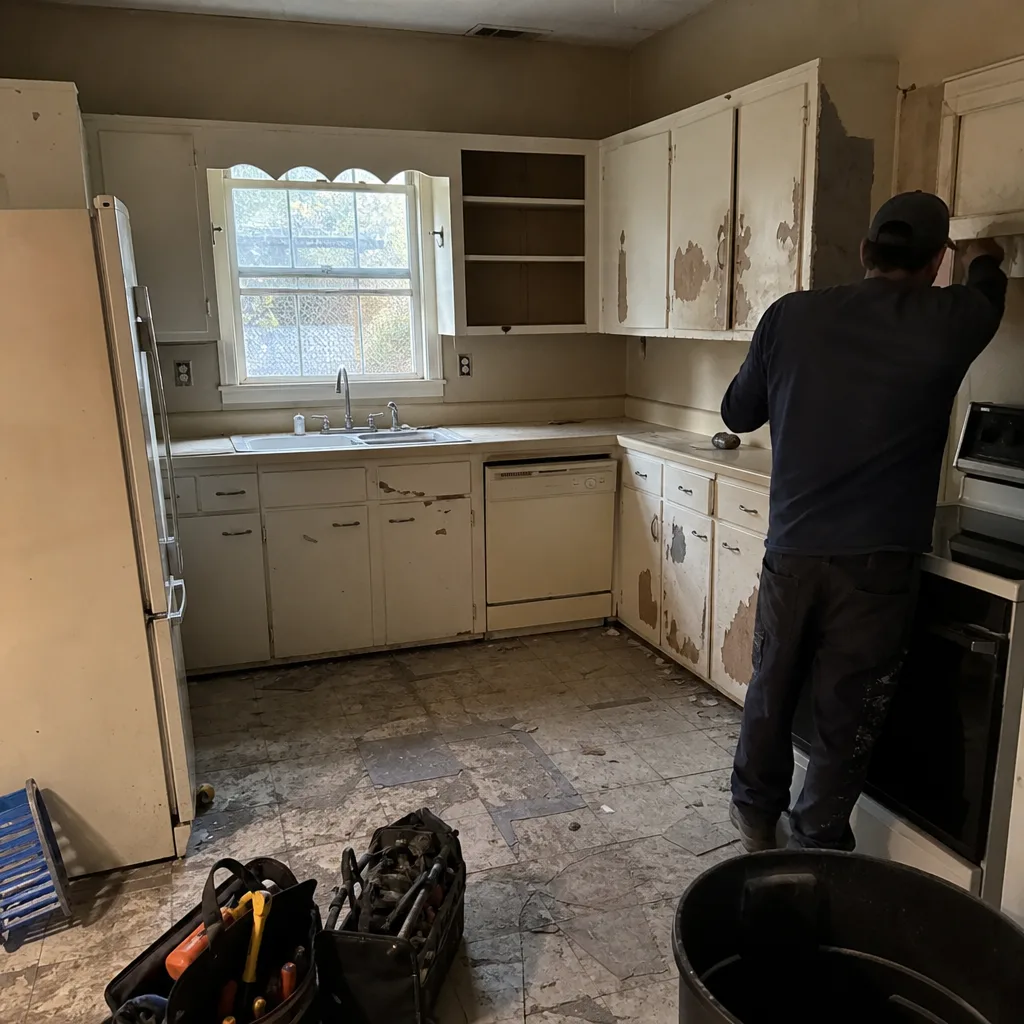 Before
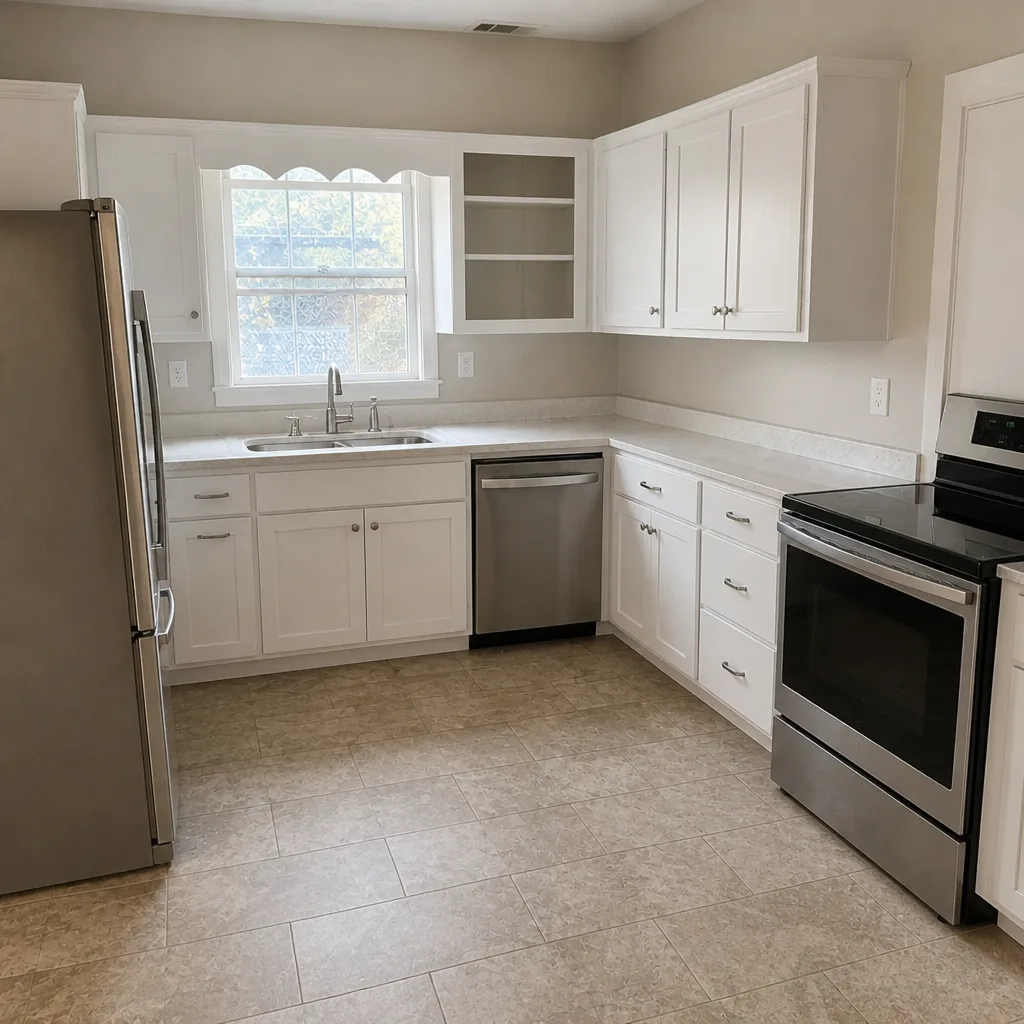 After
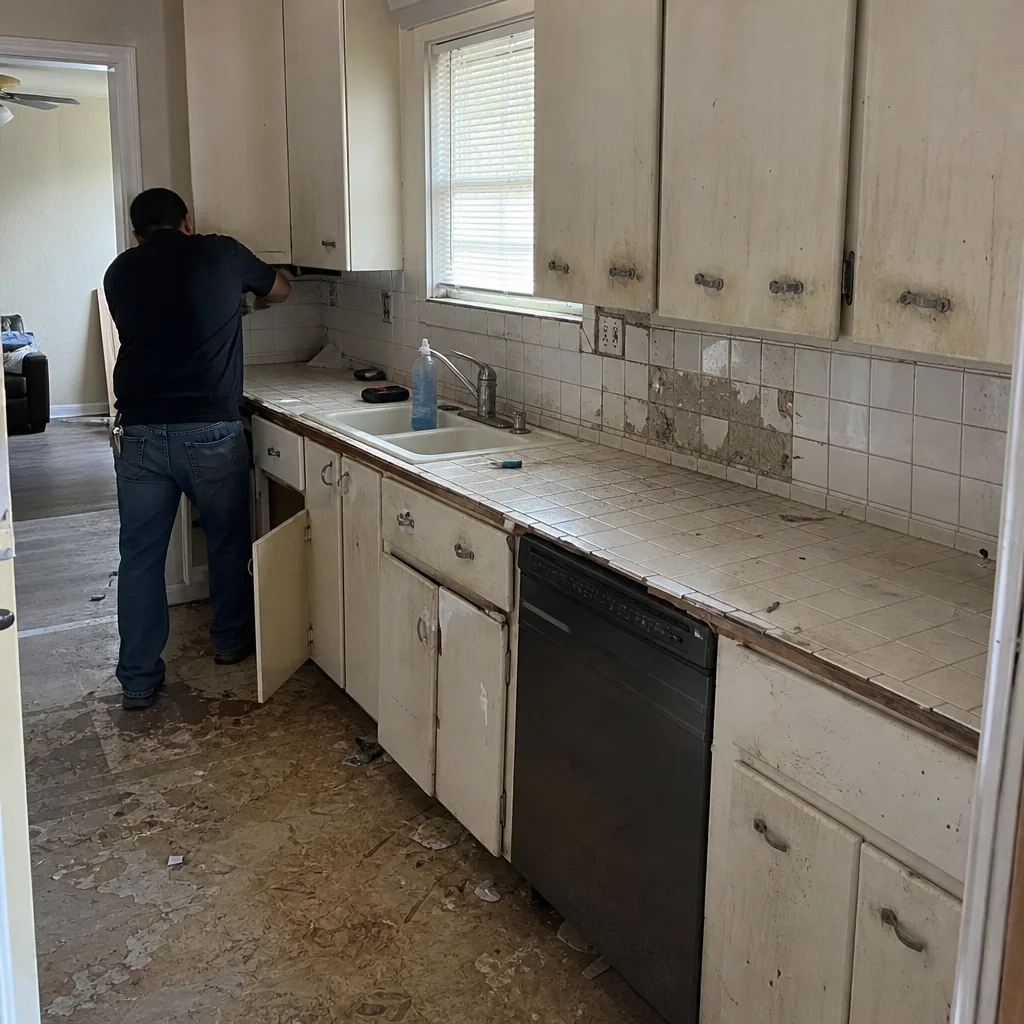 Before
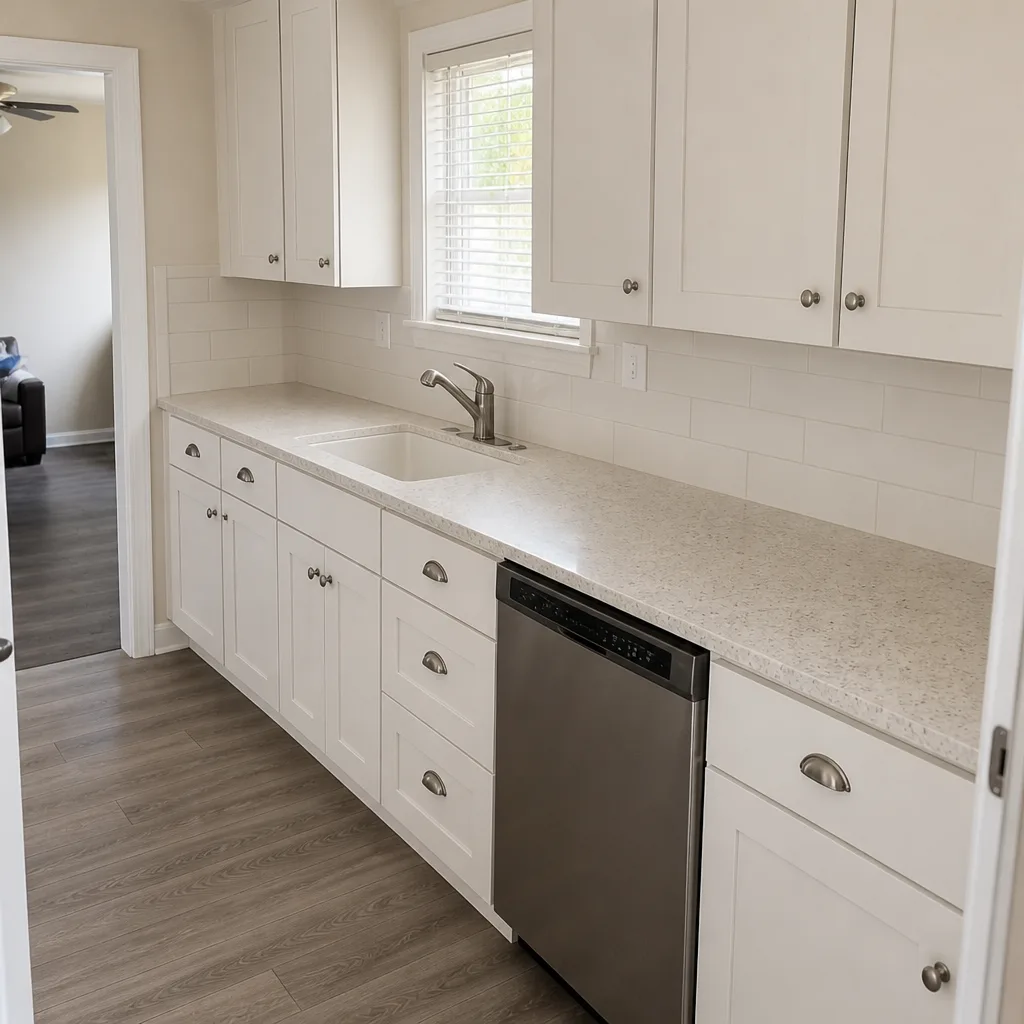 After
When to Call a Professional
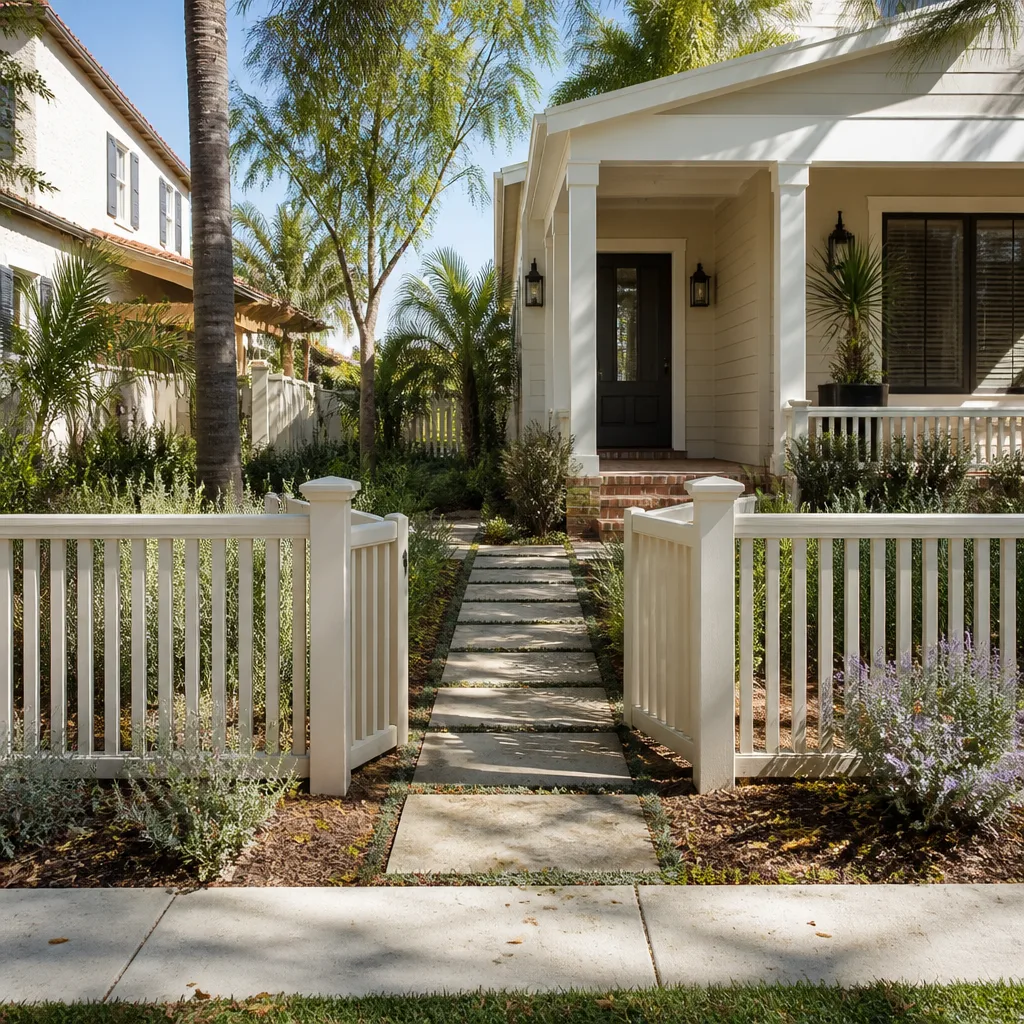
Call a professional when the work involves posts, footings, layout, or permits – the tasks where a mistake is invisible on installation day and expensive a season later. If your property line is unclear, if you’re on high-expansion clay, if the run is long, or if local height and setback rules apply to your scope, the risk of a DIY footing or layout error outweighs the labor you’d recover. A contractor handles the paperwork, sets footings to a written depth and mix spec, and carries the risk on the part of the job that’s hardest to fix after the fact.
Rowan Construction Group Dallas offers free estimates in Dallas – call (833) 954-5327. Our technicians have up to 19 years of experience, crews are background-checked and uniformed, and every visit includes a documented photo record as a standard deliverable, so you have evidence of what was found and what was done. Under Clause 1 of the Haven Standard, your price is written before any work starts, and no change proceeds without a signed change order. If you already have a written estimate from another contractor, we’ll review it line by line at no charge through our Free Second Opinion offer.
Frequently Asked Questions
You can install a fence yourself in Dallas if you restrict the scope to board work, staining, gate hardware, and pickets on an existing framework – those are safe and learnable. Post hole depth in Dallas clay and footing mixes are the risky part, and a mistake there produces a leaning fence that costs $150 to $300 per post to fix. For the structural work, hiring a professional is usually the cheaper path over the life of the fence.
Fence posts in Dallas clay should be buried at least 30 inches for a standard six-foot privacy fence, often deeper on high-expansion clay, with a hole roughly three times the post width so the concrete has mass to resist uplift. The national one-third rule frequently isn’t enough here because the clay expands and pushes up on shallow footings. Call (833) 954-5327 for an exact quote on a properly set post line – estimates are free.
Professional fence installation in Dallas typically runs $25 to $45 per linear foot installed, depending on material, height, and site conditions. Roughly 40% of that labor is board work, which is the portion a skilled homeowner can recover on a long run by doing it themselves. Call (833) 954-5327 for a written quote on your exact footage – estimates are free and the price is written before any work starts.
No – our price is a flat written price with a written scope delivered before work begins, and no change proceeds without a signed change order. That’s Clause 1 of the Haven Standard, and it’s the discipline that keeps projects within a few percent of the agreed cost. Call (833) 954-5327 to schedule your free estimate.
Yes – permit handling is part of the job, not something you chase after. Fence height limits, setbacks, and corner-visibility rules in Dallas are enforced by the city, and a fence that’s over-height or in the wrong place can draw a stop-work order. Call (833) 954-5327 to confirm what your scope requires.
The smartest hybrid is a contractor setting and footing all posts to a written depth and concrete spec, with the homeowner completing board installation on the structural line the contractor set. Each party’s deliverable is written into the contract before work begins, and a short sign-off on post plumb and footing depth happens before board work starts. That split keeps the technical risk with the professional and the recoverable labor with you. Call (833) 954-5327 to talk through a hybrid scope.
The Bottom Line

Fence work splits cleanly into two categories in Dallas. Boards, stain, gates, and pickets on a sound framework are learnable DIY work that saves real money on a long run. Posts, footings, layout, and permits are where the clay and the paperwork turn a small error into a $150 to $300-per-post repair – work best handed to someone who does it to a written spec. The recoverable savings is roughly 40% of the labor on board work, and it only holds on a project over 100 linear feet with simple geometry. If the job involves the footing, start with a written quote and a documented scope, and let the evidence carry the decision.
Call (833) 954-5327 to schedule your free estimate with Rowan Construction Group Dallas. A written price, a written scope, background-checked technicians, and a documented photo record on every visit – that’s the standard we hold ourselves to, whether the project is a fence line or a home addition in Dallas.
Written by the team at Rowan Construction Group Dallas.