Last updated November 17, 2026
Free written scope consultation - allowances, timeline, and change-order rules on paper before a single trade is scheduled
DIY vs Professional Driveway & Pavers: What’s Safe to Do Yourself
A plate compactor rents for $80 to $120 a day in Dallas, so the machine that makes a paver base hold up is technically available to anyone with a truck and a weekend. Here’s the part the tutorials skip: run that compactor wrong on Dallas’ expansive black clay and you’ll produce a driveway that feels like concrete underfoot and starts shifting within a year. The tool is accessible. The technique for this soil is not. This guide draws the line where it actually belongs, at the base rather than the surface, and shows you which paver tasks a careful homeowner can handle and which ones put real money at risk.
Quick Answer
Yes, you can safely do the surface work yourself: laying out a pattern, cutting pavers on a rented wet saw, setting them on a base that’s already been built and compacted, and applying polymeric sand. No, you should not do the excavation, base compaction, or drainage and slope work yourself on Dallas clay unless you own the equipment and know how to verify compaction with a test rather than a visual check. The base is where a DIY driveway either lasts fifteen years or fails in one, and it’s the piece most homeowners can’t do to spec.
Styles & brands we work with
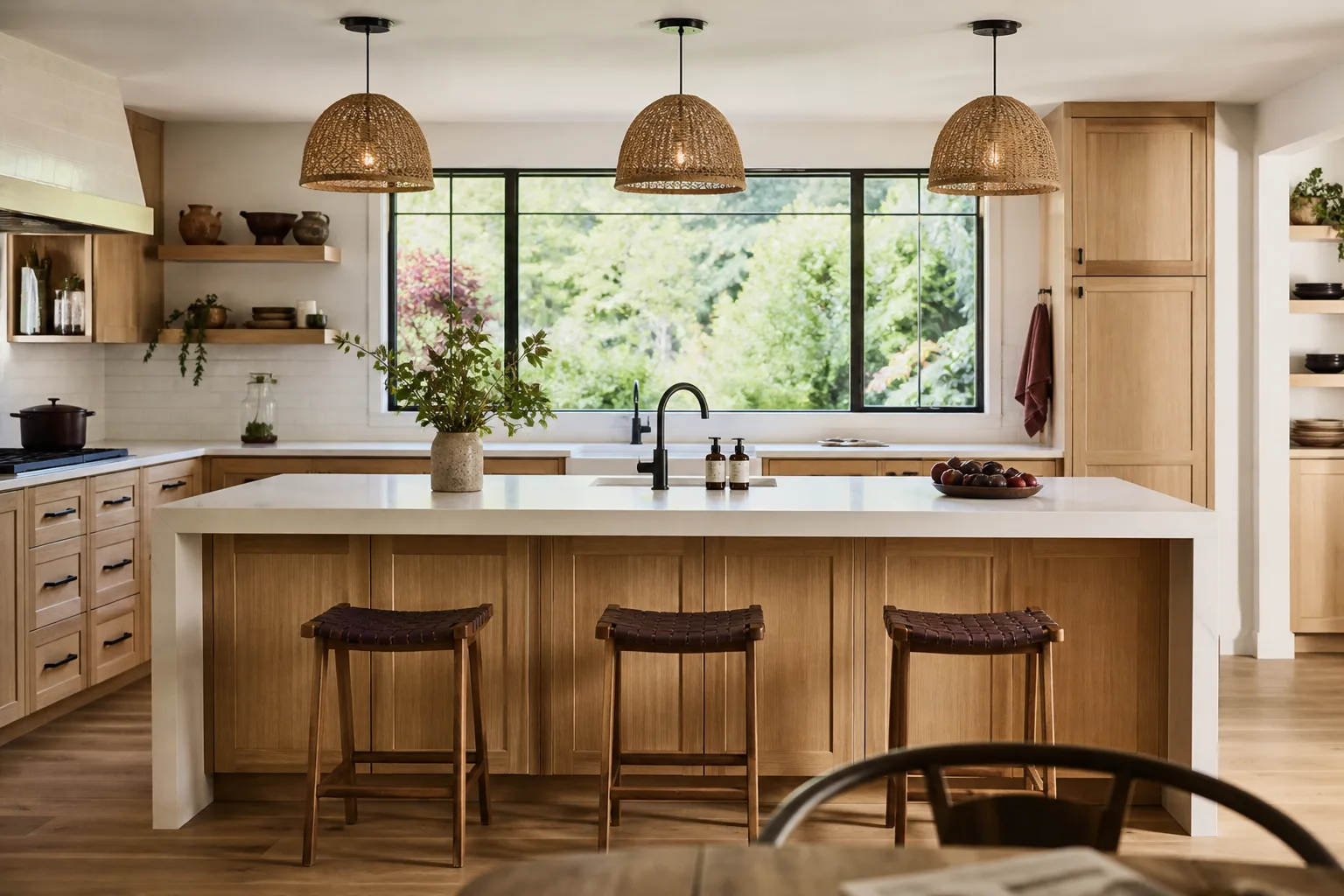
- Kitchen remodeling
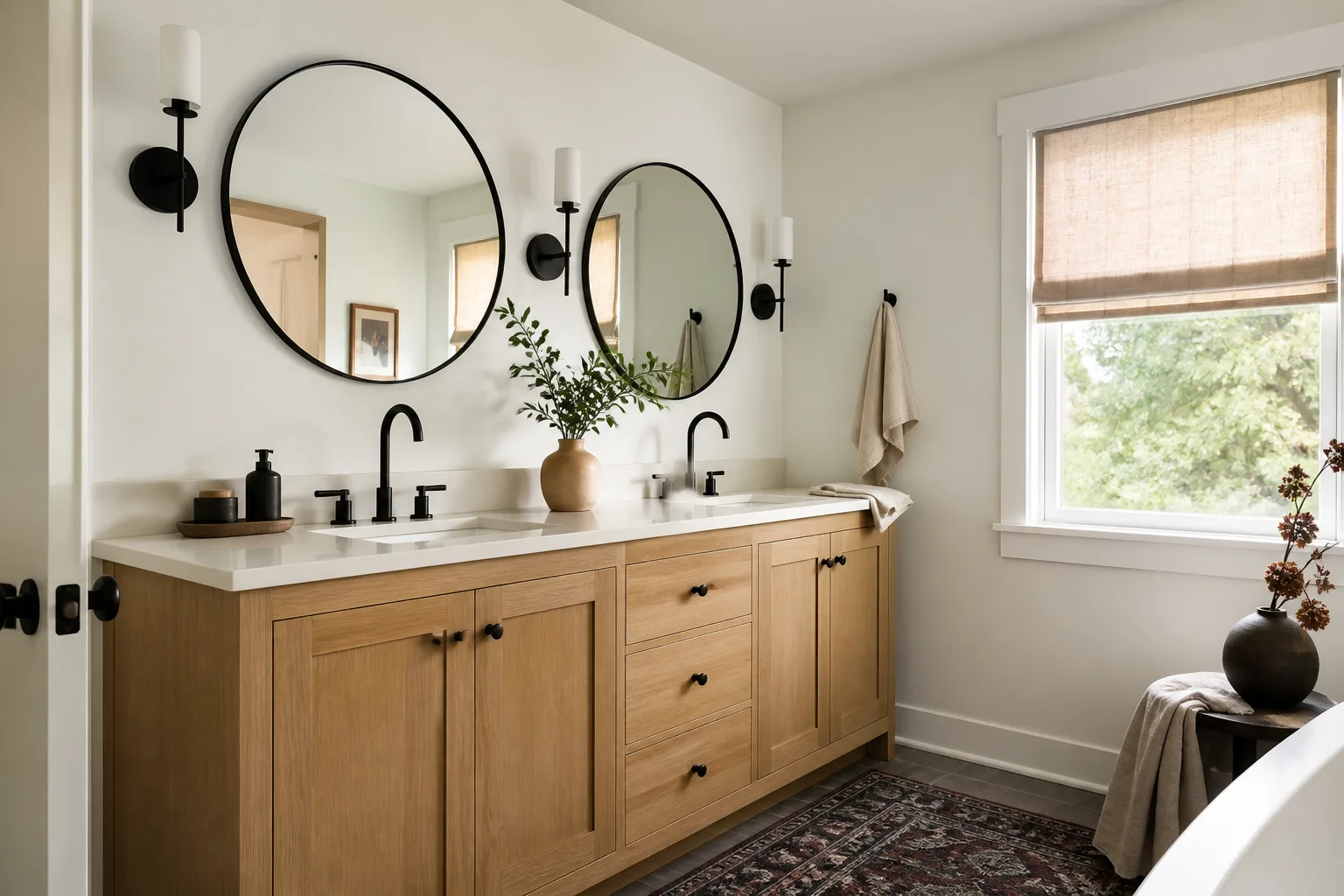
- Bathroom remodeling
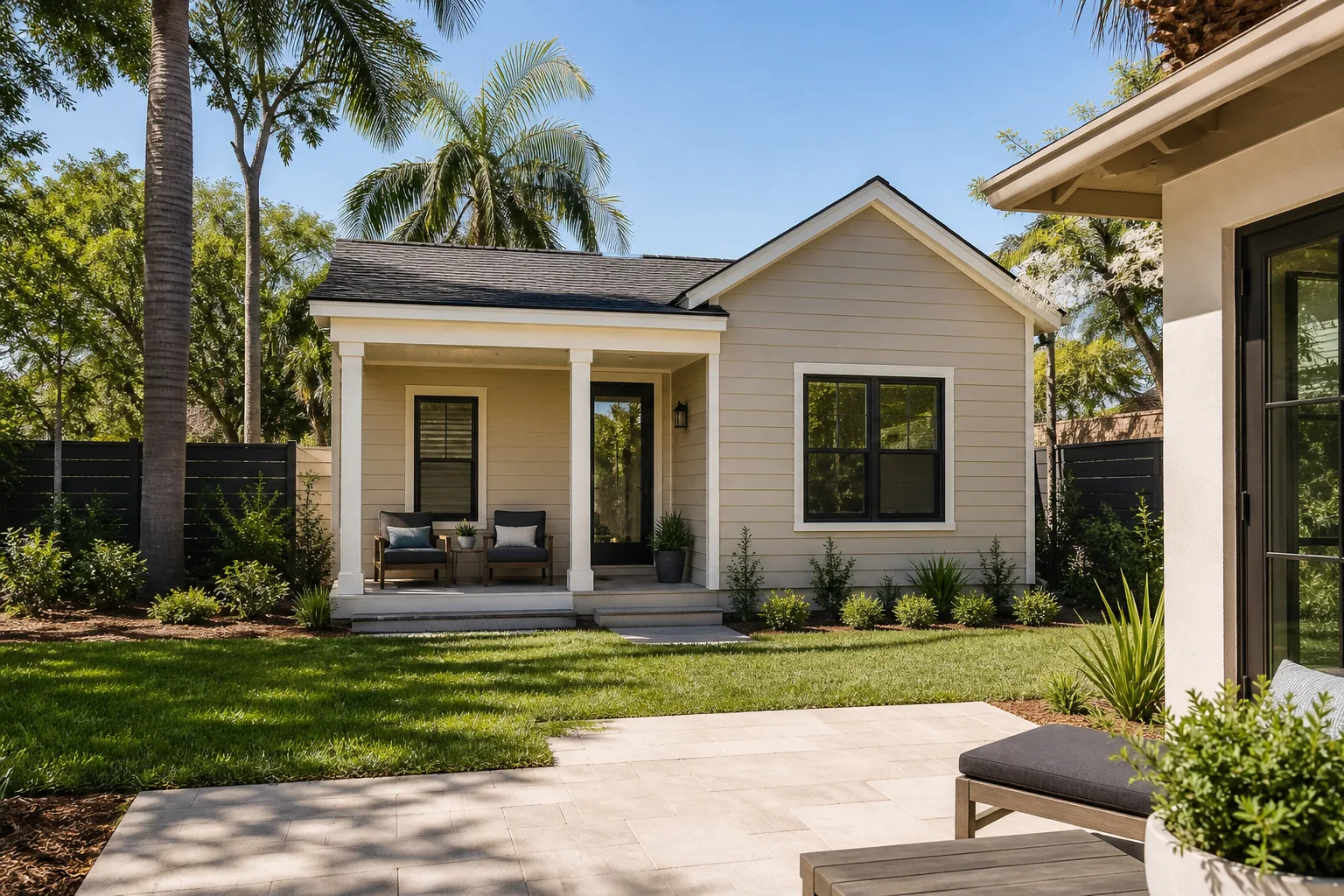
- Home additions & ADU
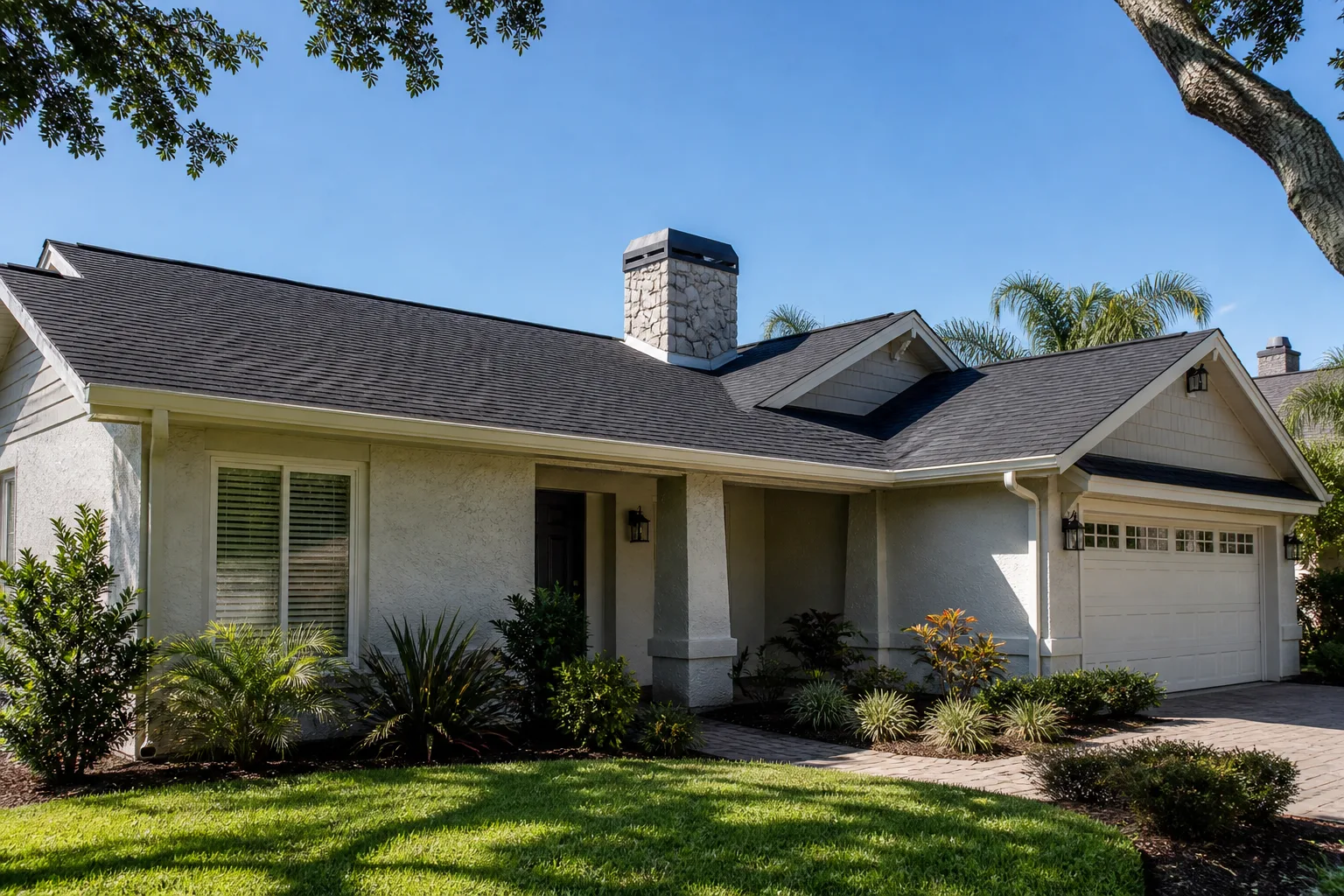
- Roofing
- Windows & doors
- Driveway & pavers
- Fence
Table of Contents
- What a Capable DIYer Can Do Without Professional Risk
- The Tasks That Carry Real Financial Risk
- Why Dallas Clay Changes the Whole Equation
- How Long a 400-Square-Foot Driveway Actually Takes
- Where the DIY Savings Really Show Up
- The Hybrid Approach and the Contract That Makes It Work
- Common Mistakes to Avoid
- When to Call a Professional
What a Capable DIYer Can Do Without Professional Risk
We’ve walked plenty of Dallas driveways where the homeowner did part of the job and did it well. The surface tasks are learnable, and if you’re patient and physically able, several of them are worth doing. These are the steps where a mistake costs you a redo, not a foundation problem.
- Pattern and layout. Setting out a herringbone or running bond with string lines and a chalk line is measuring and patience. Get the layout right on paper and stake it before you order a single paver. Order 8 to 10 percent extra for cuts and breakage.
- Cutting pavers. A rented wet saw from a Dallas tool rental runs roughly $60 to $90 a day and will handle cuts on a standard concrete paver cleanly. Work slowly, keep the blade wet, and cut on a stable surface.
- Setting pavers on a finished base. Once the base is compacted, screeding a thin bedding layer of sand and laying pavers into it is a physical job but a straightforward one. Knee pads, a rubber mallet, and an even pace will get you there.
- Polymeric sand. Sweeping joint sand into the gaps and activating it with a light mist is the finishing step, and it’s entirely within a homeowner’s reach. Use a manufacturer like Techniseptic or Alliance and follow the watering instructions exactly, because overwatering is the most common failure.
- Edge restraint assembly. If the base and restraint channels are already set, fitting and fastening the edge is a mechanical task. The restraint itself, though, has to be anchored into a properly compacted base, so it’s tied to the work underneath.
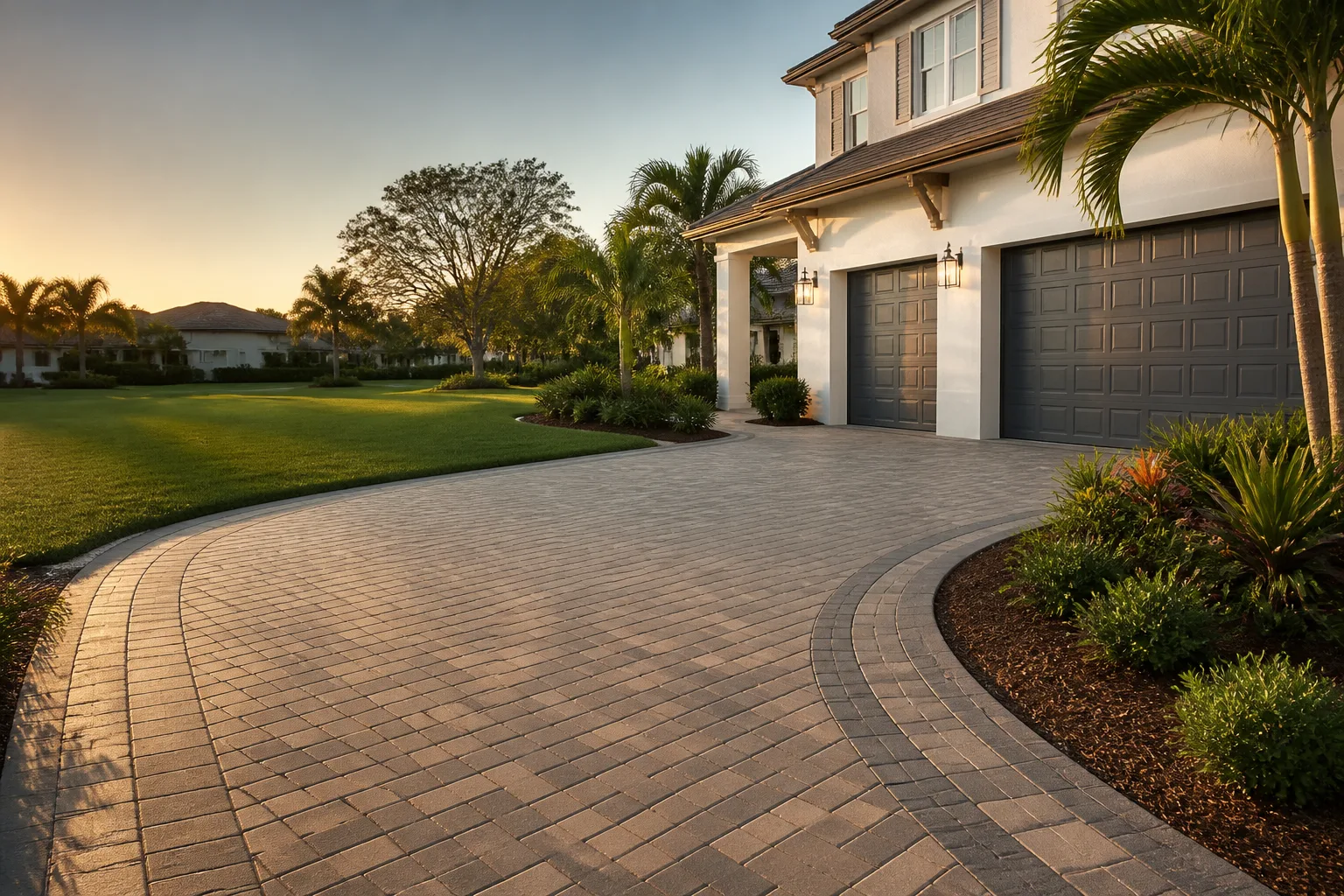
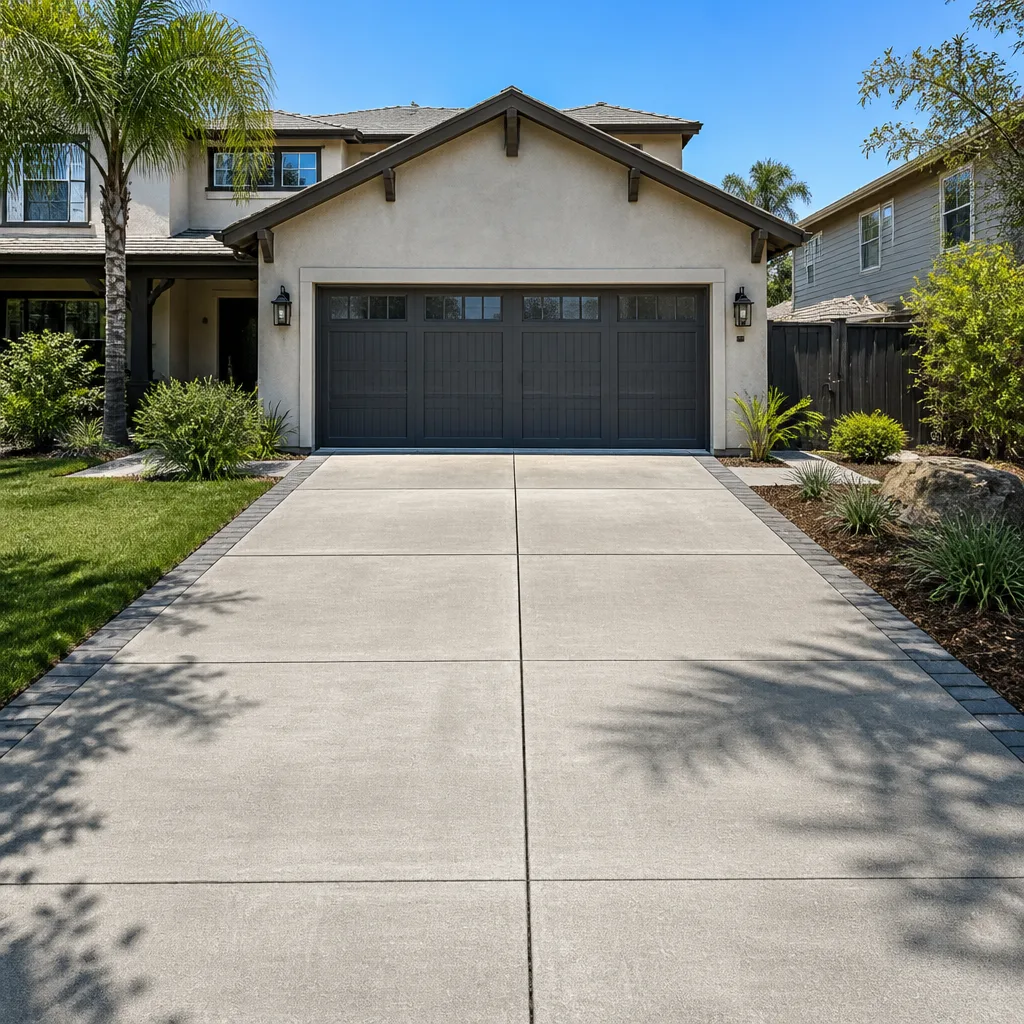
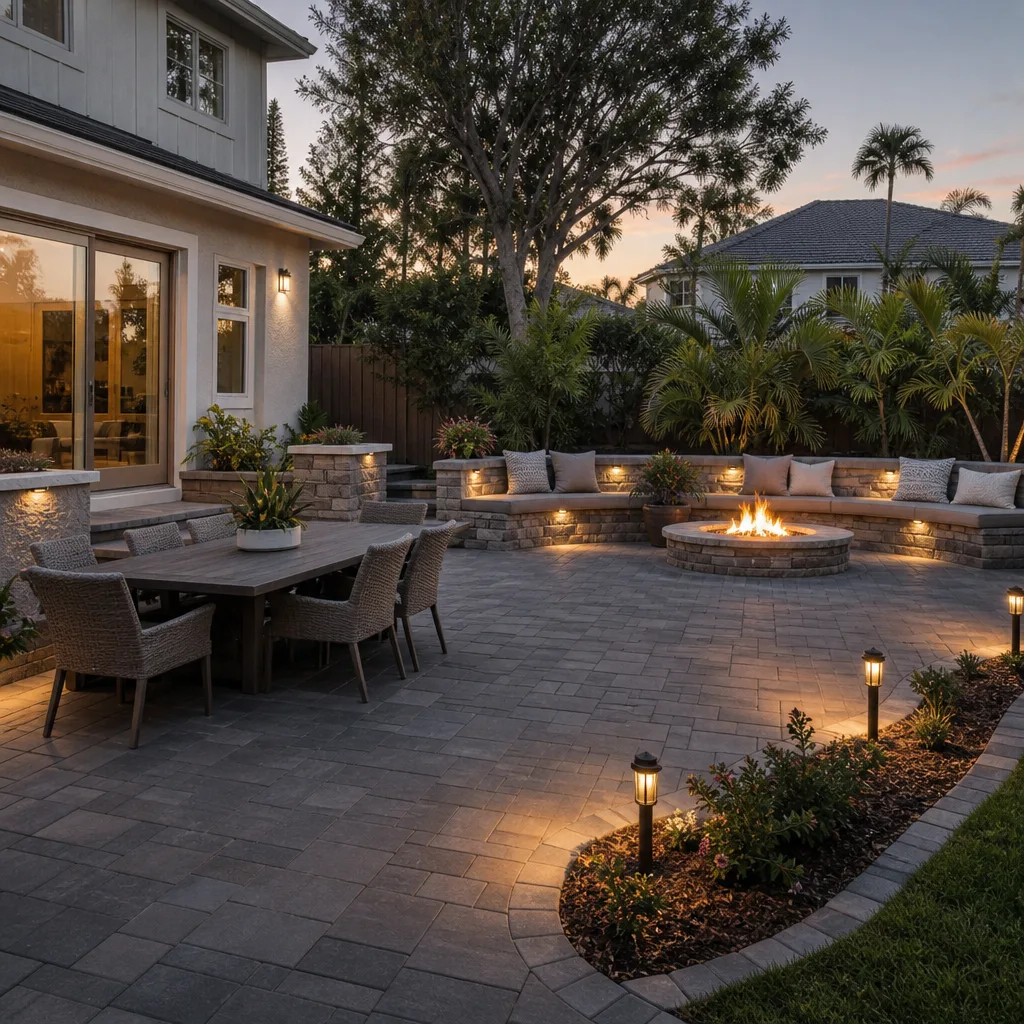
None of that touches the soil. All of it requires a base that’s already been built right. For the full range of what a finished project looks like, our Driveway & Pavers in Dallas page lays out the materials and brands we work with, including Belgard and Techo-Bloc.
The Tasks That Carry Real Financial Risk
Here’s where the honest line is. Three tasks decide whether your driveway is still level in year five, and each one has a way of looking fine from the surface while being wrong underneath.
- Excavation to the correct depth. Dallas clay requires more excavation than most guides assume: typically 8 to 10 inches for a residential driveway, accounting for a 4- to 6-inch compacted base, a 1-inch bedding layer, and the paver thickness. Get that wrong and the driveway sits too high against your garage slab, or the base is too thin and it flexes. Both problems show up after the surface is done and paid for.
- Base compaction verification. A plate compactor is not a magic wand. Proper compaction means multiple passes in a grid, then a density test. The standard is a proof-roll or a nuclear density gauge, and no homeowner does a visual check that tells them anything. We’ve seen bases that felt rock-solid after one pass and tested at 80 percent of required density. On expansive soil, that’s a driveway that will move with the first wet season.
- Slope and drainage engineering. Water has to leave the surface at a specified grade, usually around 2 percent, and it has to leave the sub-base too. On a Dallas lot that sits flat with clay soil, the difference between a driveway that drains and one that pools is a grade calculation plus a drainage plan. Regrading after the pavers are down means pulling them all back up.
If you’re doing a driveway as part of a larger project, the same excavation-and-base discipline carries over to fences and additions. Our Fence Installation in Dallas work runs into the same clay, and the preparation approach is similar.
Why Dallas Clay Changes the Whole Equation
Dallas sits on a lot of expansive clay, sometimes called black gumbo, and that soil swells when it takes on water and shrinks as it dries. This matters because a paver driveway rests on a base, and the base rests on that clay. A base that’s built correctly for stable soil can develop problems on clay within two wet seasons if the drainage grade isn’t right and the base wasn’t compacted to spec.
In neighborhoods like East Dallas and Irving, we regularly see spring failures where a driveway had looked fine through the dry fall and started shifting after a heavy spring. The pattern is consistent: movement at the edges first, then settling in the middle where a vehicle sits parked. The cause is usually inadequate compacted base or drainage that sends water under the driveway rather than away from it.
What this means in practice: the base layer needs a proper aggregate blend, typically a crushed stone mix or a base that includes a stabilizing component, and it has to be compacted in lifts, not all at once. That alone is why we recommend homeowners not attempt the base themselves. A $400 plate compactor rental doesn’t include the knowledge to run it in the right sequence on clay, and the mistake has a one-to-two-year delay before it’s visible. If your project also includes a structure like a detached garage or an ADU, the excavation stakes climb higher, and our Home Additions & ADU in Dallas page covers what a proper foundation and site plan look like.
How Long a 400-Square-Foot Driveway Actually Takes
Time is the quiet cost of DIY, and most estimators leave it out. Here’s an honest comparison for a 400-square-foot driveway, which is a small-to-moderate single-car pad or a wide parking area.
- DIY surface only, on a professionally prepared base: 3 to 5 weekends minimum. That includes cutting, laying, sanding, and cleanup. If it’s your first time laying pavers, add a weekend.
- DIY from demolition to finished surface: 4 to 6 weekends, and that’s optimistic if you’re renting equipment, coordinating deliveries, and dealing with weather. We’ve seen eager homeowners stretch to 8 weekends.
- Professional crew, from excavation through finished surface: 3 to 5 days for the same footprint. A crew with equipment and a plan moves faster because the steps run back-to-back, not weekend-to-weekend.
Value your own time at what you’d earn in those weekends. If you’re taking paid time off the day job to dig, you’re likely underwater even on a self-installed job. The number on the page matters for planning, so a professional quote should give you those days in writing up front.
Where the DIY Savings Really Show Up
Let’s put honest numbers on the table. Labor on surface installation, meaning setting pavers and polymeric sand on a finished base, typically runs about $6 to $10 per square foot in Dallas. On a 400-square-foot pad, that’s roughly $2,400 to $4,000 you avoid by doing the surface work yourself.
Here’s the catch. Base preparation, excavation, and drainage usually make up a similar or larger share of the total job. If you attempt those and get them wrong, redoing that work means pulling up everything you paid for on the surface, including the pavers you cut and set over those five weekends. The savings evaporate, and you’ve paid for the job twice.
Where DIY savings reliably appear:
- Small surface-only projects on a base built by a contractor. A short walkway or a small pad alongside a new driveway is where the surface labor math works in your favor.
- Cut and set on a re-do. If you’re repurposing or re-laying an existing surface over a sound base, the labor savings are real because the risky work is already done.
- In an area with low drainage risk where the base was built and inspected by someone who knows clay. That’s the exception, not the rule.
Where the savings reliably get erased: any full driveway from scratch, any project on Dallas clay without verified drainage, and any job where the excavation depth wasn’t right. We’d rather tell you that plainly than sell you a project you could half-do and regret. For that half of the work you shouldn’t touch, our team builds to a written scope, and you can read more about how we work on our Rowan Construction Group Dallas home page.
The Hybrid Approach and the Contract That Makes It Work
The hybrid approach is the one we actually recommend to homeowners who want to save money without taking on the risk. You hire a contractor for the excavation, base construction, compaction, and edge restraint installation, then you complete the paver setting yourself once they’ve handed off. The contractor’s job is the half that requires equipment and soil knowledge; yours is the half that requires patience and a wet saw.
What the contract needs to specify, line by line:
- Excavation depth in inches for your driveway, tied to the paver and base thickness you’re using. Not a rounded “as needed.”
- Base material spec and compaction requirement, including the target density and how it’s verified. This is the one line of the contract that protects the whole investment.
- Drainage grade and any drainage components installed, in terms of grade percent and where the water goes.
- Edge restraint installation and what’s anchoring it, since a loose edge will let pavers walk over a season.
- A handoff checklist you and the contractor both sign, with photos documenting the base condition. That record is what protects the warranty.
- Written scope and warrant for the contractor’s portion, and a clear statement that the customer is responsible for the surface layer.
Under a flat written price before work starts, that’s a clean, inspectable scope. It’s the same discipline we apply across our trades, whether it’s pavers or a Silestone kitchen counter, and the reason every Rowan project includes a documented photo record of the work when the crew leaves. If you already have a quote from someone else, we’ll review it line by line at no charge, as a free second opinion, and tell you if the base specification holds up.
Common Mistakes to Avoid
- Treating compaction as a visual check. A base that feels firm is not a base that tested to spec. It’s the single most expensive assumption a DIYer makes on Dallas clay.
- Excavating to the wrong depth for a Dallas driveway. A base that’s an inch too thin will settle, and by then the pavers are cut and installed.
- Ignoring where the water goes. On a flat, clay-heavy lot in East Dallas or Irving, standing water is a drainage problem, not a paving problem. Solve the drainage before buying a single paver.
- Ordering too few pavers. Cuts break and patterns eat material. Ten percent extra is the floor, not a luxury.
- Overwatering the polymeric sand. A light mist activates the polymer; a soaking wash blasts it out of the joints. Follow the bag exactly.
- Running a plate compactor on pavers with too much force. Once the pavers are down, compaction is a gentle finish, not a power move, or you’ll chip edges and crack laps.
- Skipping the edge restraint. Without a properly anchored restraint, the outer course walks over a season, and an edge that’s lifting is a driveway that’s failing.
When to Call a Professional
Call a pro if any of these are true. The driveway is a full new installation from bare ground. The site is on Dallas clay without an obvious drainage plan. You can’t verify compaction or excavation depth in writing. The driveway ties into a garage slab, a retaining structure, or a home addition, where the grade affects the building. Or the footprint is large enough that the surface labor savings don’t justify several weekends of work. Those are the scenarios where the base work either gets done right or costs you the whole job twice. Rowan Construction Group Dallas offers free estimates in Dallas and a free second opinion on any written quote, so you can compare a full scope against what you’d planned to do yourself. Every quote is a flat written price before any work starts, with a written scope and a written warranty. Call (833) 954-5327 to schedule yours.
See the difference
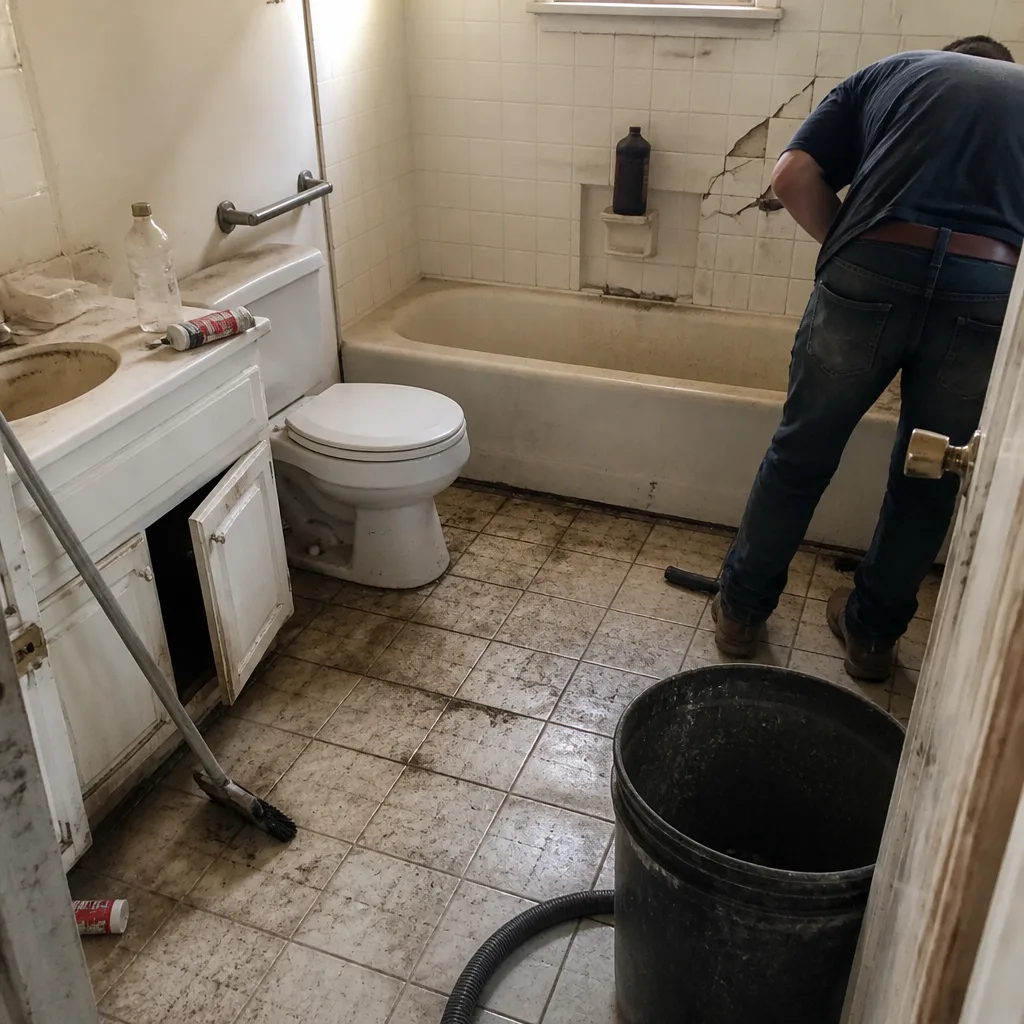 Before
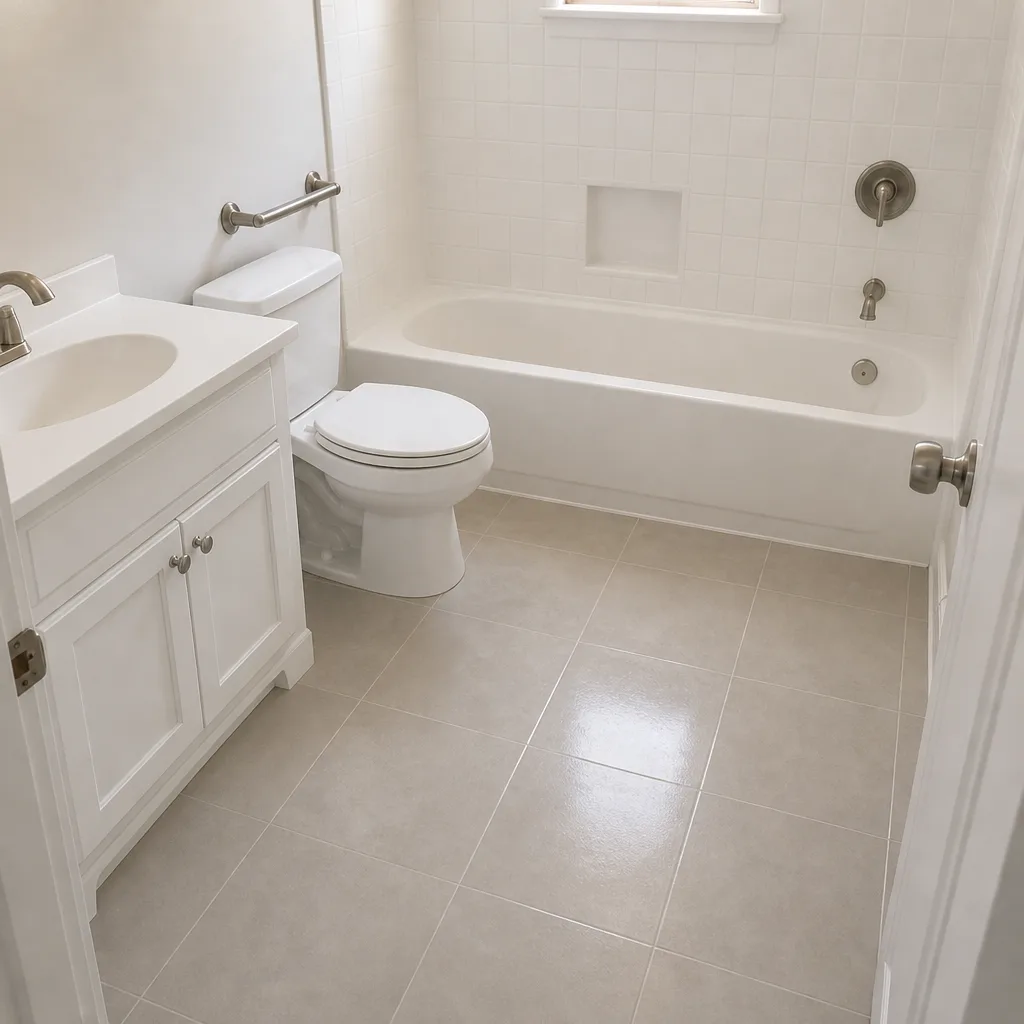 After
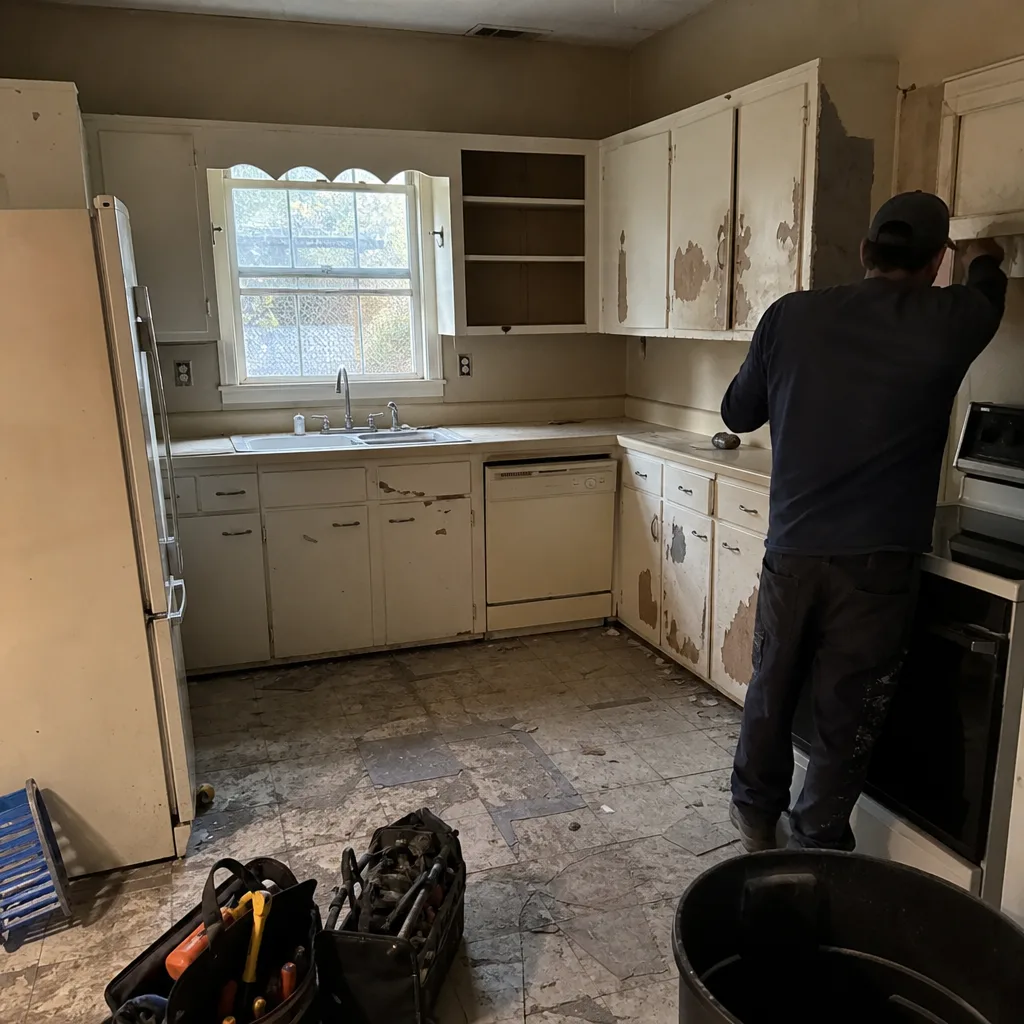 Before
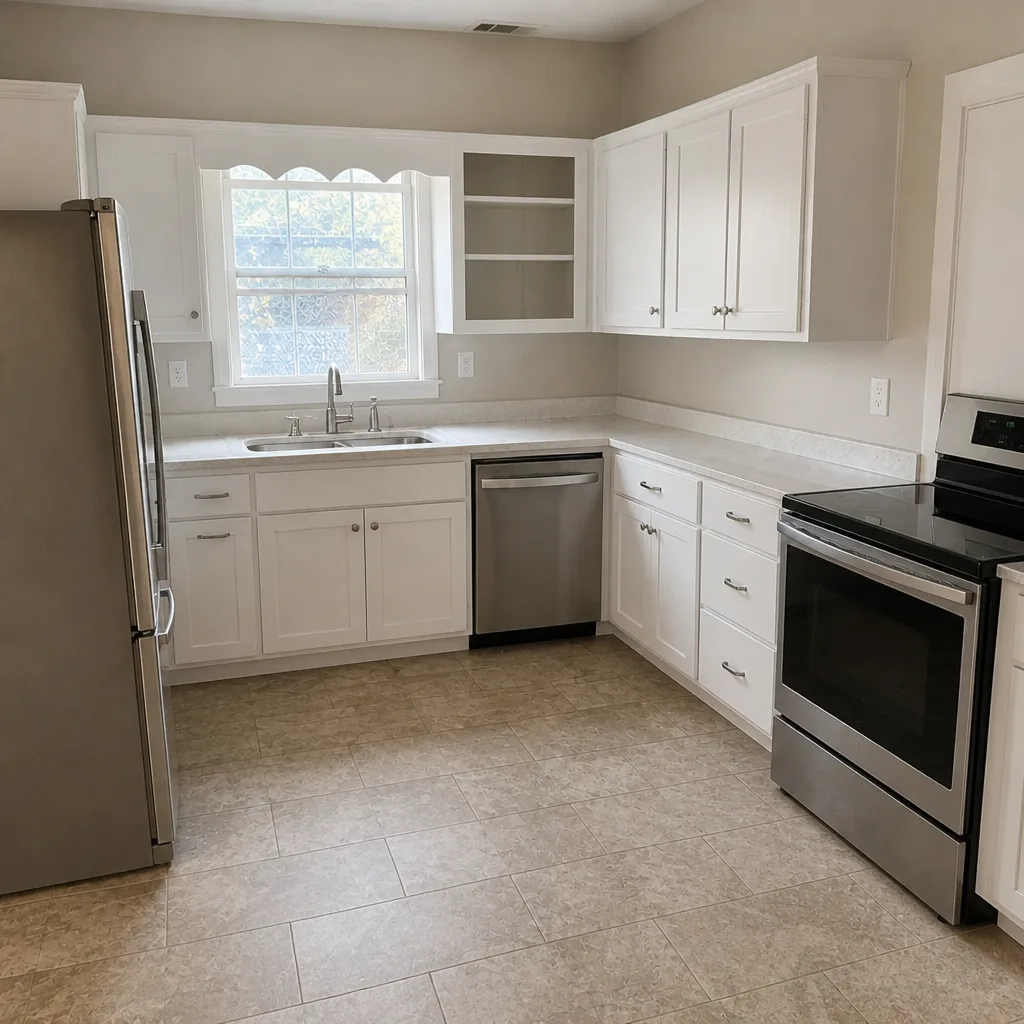 After
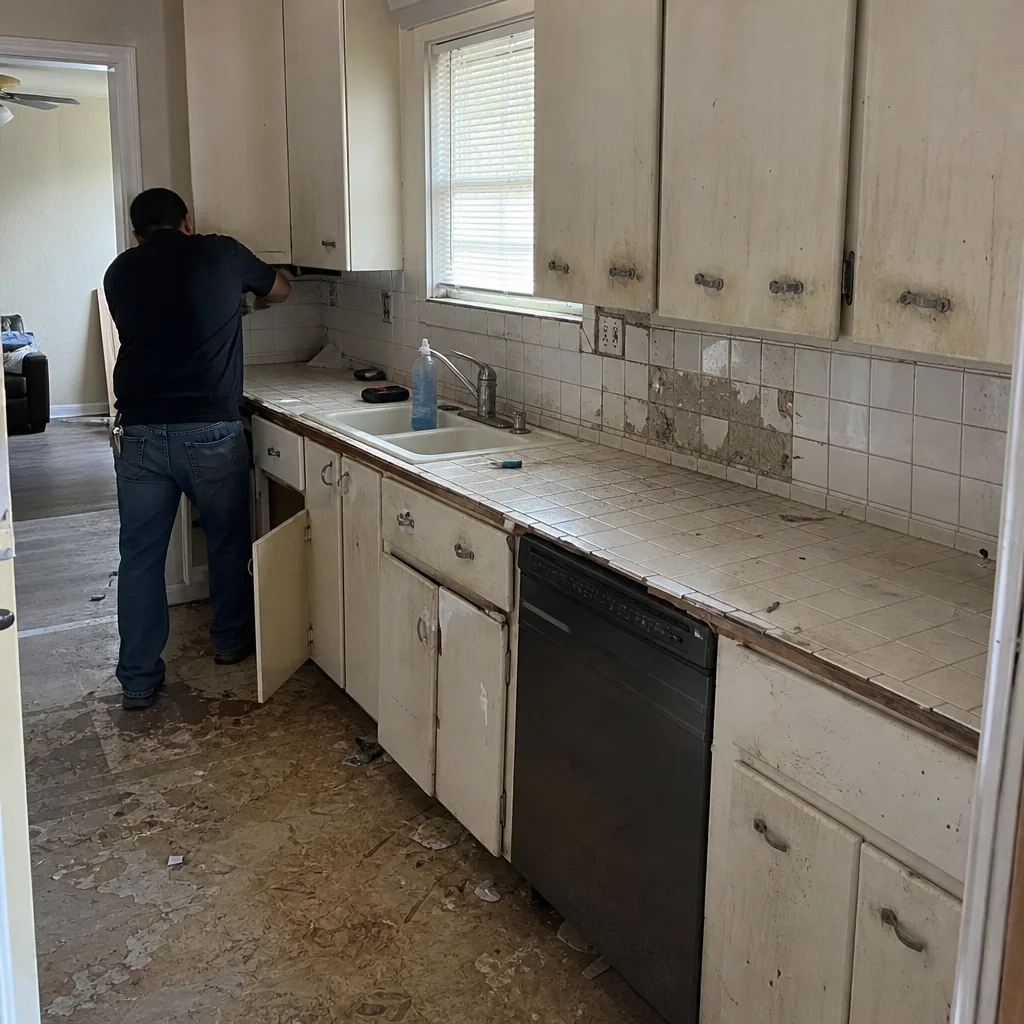 Before
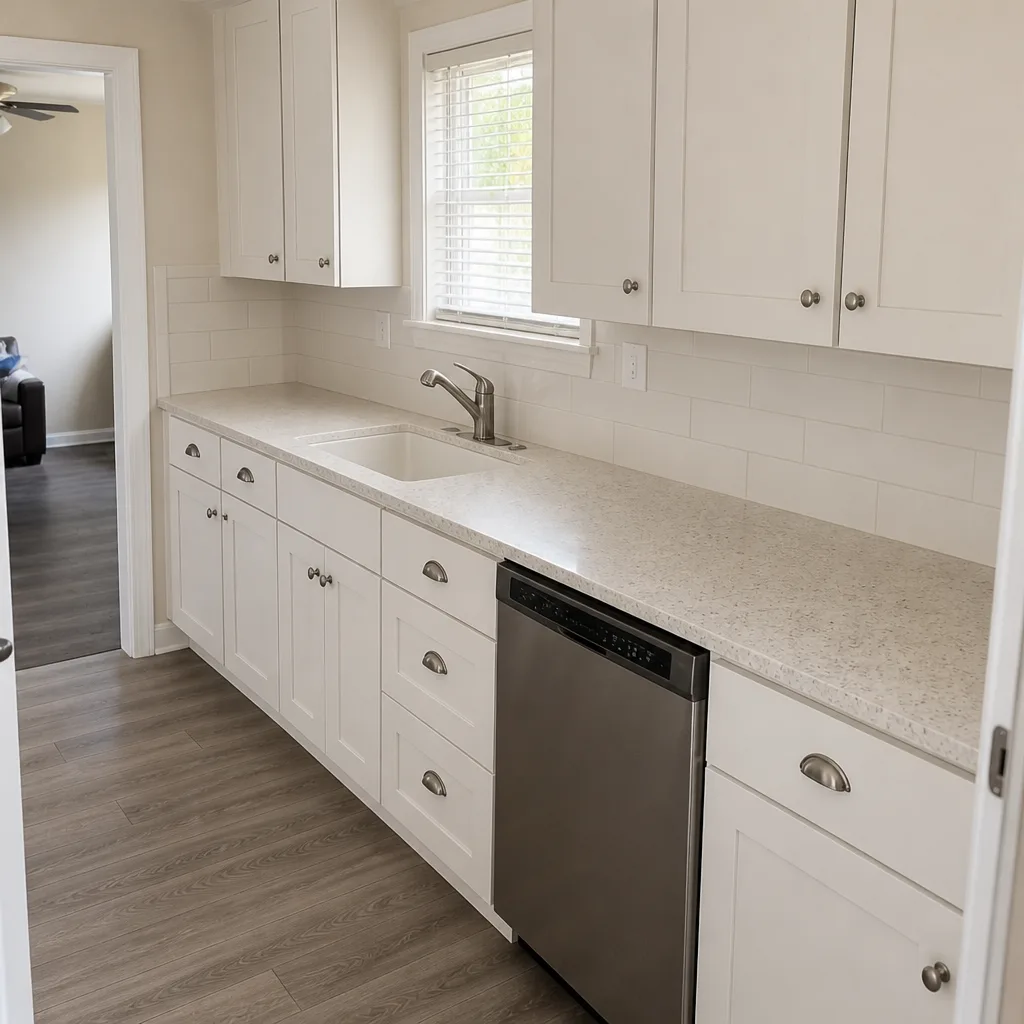 After
Frequently Asked Questions
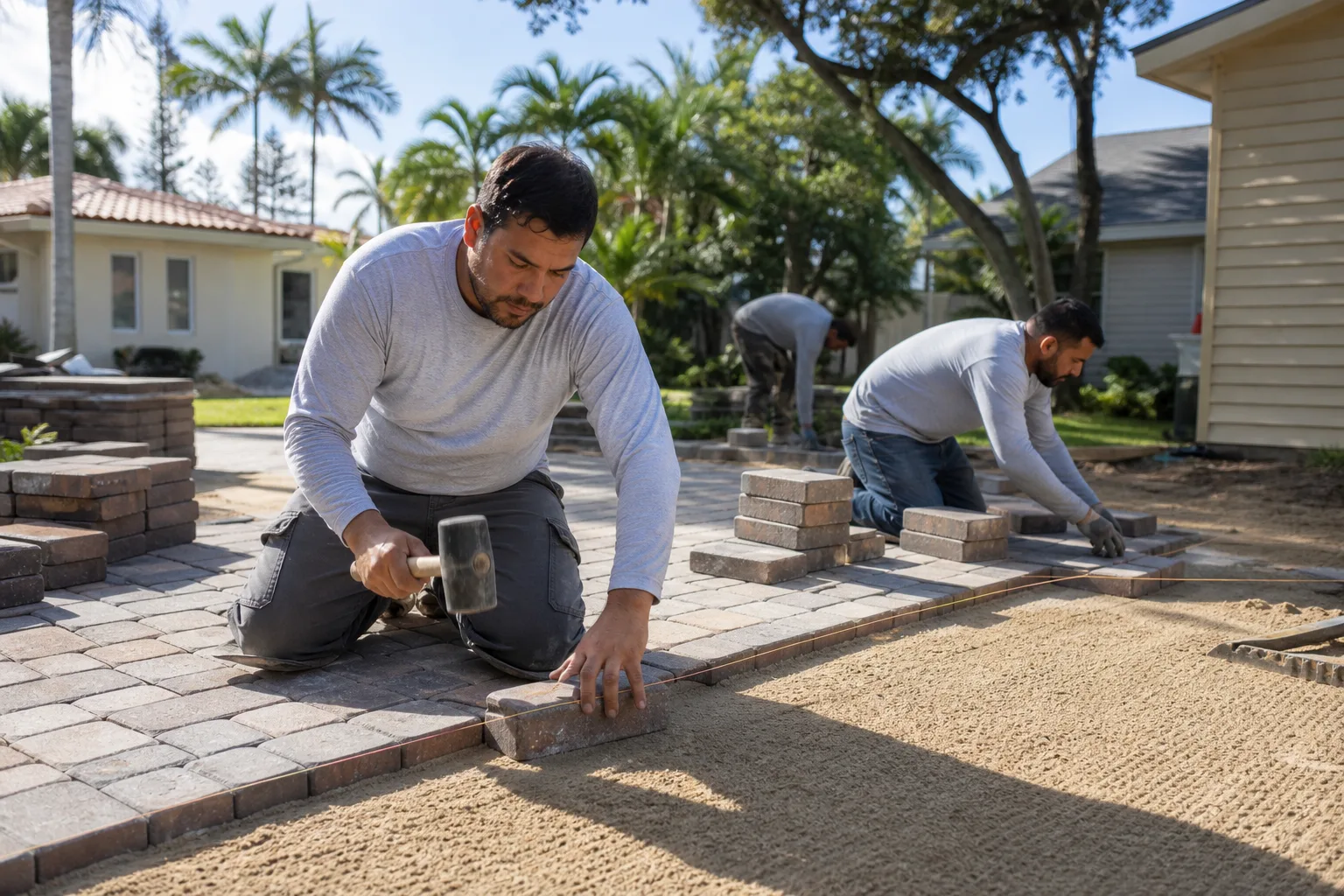
You can lay the surface pavers yourself, and many homeowners do it well, but only if the base has already been built and compacted by someone qualified. Dallas clay makes the base the deciding factor, so we recommend the hybrid approach: hire out excavation, base, and edge restraint, then set pavers yourself. If you’re unsure, call (833) 954-5327 for a free estimate.
You can’t confirm compaction by feel or sight. Proper compaction is verified with a density test or a proof-roll, and the base should be compacted in lifts of no more than a few inches. On Dallas’ expansive soil, an under-compacted base can look solid for a year before it moves. If your contractor can’t show how density was verified, ask before the pavers go down; call us for a second opinion if the answer is vague.
Because the pavers are the part that doesn’t fail. The base is what has to hold its grade through wet springs and dry summers on clay that swells and shrinks. When a driveway fails, we consistently see the fault in the base or drainage rather than the paver itself. Call (833) 954-5327 for a quote that specifies the base before it discusses the surface.
Surface labor runs about $6 to $10 per square foot in Dallas, so on a 400-square-foot pad you’re looking at roughly $2,400 to $4,000 of avoided labor. That’s real money, but only if the base under it was built right. A base redo erases the savings entirely and then some. Call for a written quote with the surface work separated out, and estimates are free.
It should specify the excavation depth in inches, the base material spec, the compaction requirement and how it’s verified, the drainage grade, the edge restraint installation, and a signed handoff checklist with photos. Get it in a flat written price before work starts. Call (833) 954-5327 and we’ll walk through a contract line by line, and we’ll review any competitor’s written estimate at no charge.
A professional crew typically finishes excavation through surface in 3 to 5 days, while a do-it-yourselfer doing the surface alone should budget 3 to 5 weekends, and more if tackling the whole job from demolition. Plan on a weekend buffer if it’s your first paver project. Call (833) 954-5327 for a scope and timeline written into your quote, so you know the days up front.
The Bottom Line
The honest DIY boundary on paver driveways is at the base, not the surface. You can lay out a pattern, cut pavers, set them on a finished base, and apply polymeric sand without professional risk. You shouldn’t excavate to depth, verify compaction, or grade drainage on Dallas clay unless you own the equipment and know how to test the result. The surface labor is genuinely recoverable at $6 to $10 per square foot, but it’s erased by one base redo. The hybrid approach, with the base built by a contractor and the pavers set by you, is where the math works. For everything underneath the surface, a written price before work starts is the only way to know what you’re buying.
If you want the base built to spec and a written flat price on the whole project, or a second look at a quote you already have, reach out. Free estimates, a written scope, documented photo records, and a warranty in writing. Call Rowan Construction Group Dallas at (833) 954-5327.
Written by the team at Rowan Construction Group Dallas.