Last updated November 17, 2026
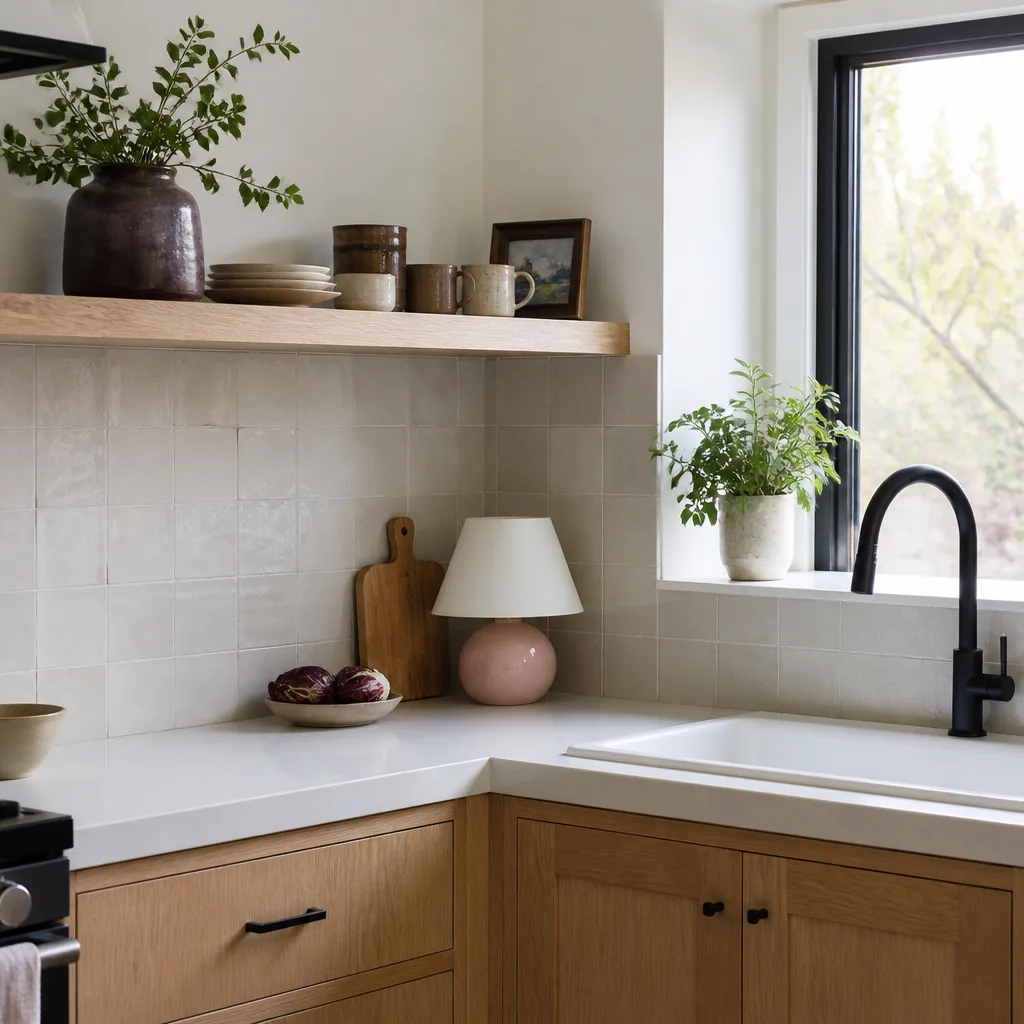
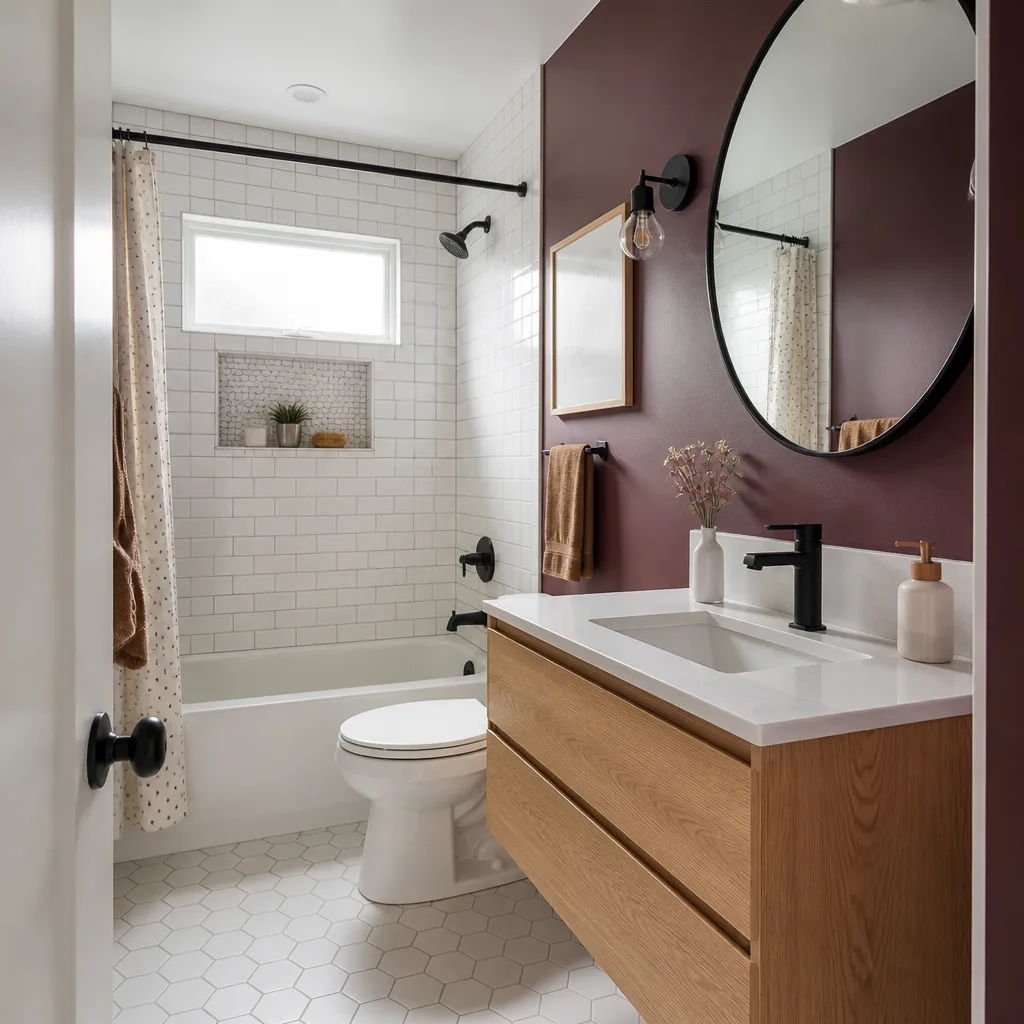
Free written scope consultation - allowances, timeline, and change-order rules on paper before a single trade is scheduled
Construction Cost Breakdown: The Dallas Homeowner’s Reference for 2026
A Dallas homeowner bidding a 400-square-foot room addition in 2026 will collect quotes ranging from roughly $38,000 to $91,000 for what looks, on paper, like the same project. The spread is not dishonesty. It’s specification depth: one bid assumes a slab on grade with a stock window package, another prices engineered framing, an upgraded envelope, and a full mechanical rough-in. The line items look identical. The scope behind them doesn’t. This reference breaks Dallas construction costs into labor, material, markup, overhead, and profit, names the three forces moving local pricing in 2026, and shows you how to read a bid instead of just accepting one.
Quick Answer
Construction costs in Dallas in 2026 run roughly $150 to $400 per square foot for additions and major renovations, with the spread driven by specification depth rather than contractor greed. Framing labor, concrete flatwork, and steel and lumber volatility are the three biggest local cost drivers, and municipal permit fees across Dallas and its suburbs have climbed measurably since 2024. A written, line-item scope is the only way to compare two bids honestly.
Styles & brands we work with
- Kitchen remodeling
- Bathroom remodeling
- Home additions & ADU
- Roofing
- Windows & doors
- Driveway & pavers
- Fence
Table of Contents
- What’s Driving Dallas Construction Costs in 2026
- Per-Square-Foot Costs for Eight Dallas Project Types
- How to Decompose a Lump-Sum Bid
- Dallas-Area Permit Fees, 2024 to 2026
- Material Cost Volatility and the Contract Language That Protects You
- The Real Cost of a Low Bid
- Common Mistakes to Avoid
- Frequently Asked Questions
What’s Driving Dallas Construction Costs in 2026
Three forces are pushing Dallas pricing this year, and knowing them lets you spot a bid built on stale assumptions.
1. North Texas labor tightness in framing and concrete flatwork. Framing crews and flatwork finishers are the two trades where Dallas bid spreads are widest, because the pool of available subs in those trades shrank while volume from the northern suburbs grew. When framers are booked six weeks out, their numbers climb, and the general contractor passes that climb straight to you. A bid priced in January and signed in April may not reflect today’s framing rate.
2. Steel and lumber volatility, with a 90-day lag to local supplier pricing. Lumber and steel quotes move weekly at the mill level, but Dallas-area yards typically adjust their board prices on roughly a 90-day lag. That delay means a bid written in a soft month can look wrong by the time the lumber is delivered, or the reverse. Framing lumber, engineered beams, and any steel beam or post in the scope are the line items most exposed to this lag.
3. Municipal fee increases across five major suburbs. Dallas, Frisco, Plano, McKinney, and Richardson have all raised residential permit and inspection fees since 2024. Fees are a small slice of a project total, but they land on the front end and are non-negotiable, so a bid that lowballs them is a signal the contractor hasn’t priced the job carefully.
When you learn to name these three inputs, you stop comparing total dollar figures and start comparing what each bid actually assumed. That’s the difference between reading a bid and accepting one. For the trades where these drivers hit hardest, see our breakdown of Home Additions & ADU in Dallas.
Per-Square-Foot Costs for Eight Dallas Project Types
These are 2026 Dallas-area ranges, with labor and material called out where they drive the number. Treat them as a sanity check on a bid, not a replacement for one. Local specifying choices like a Blanco sink or a Delta fixture set move a kitchen or bath number by hundreds, not thousands.
- Room addition (400 sq ft, conditioned): $190 to $325 per square foot, roughly 45 to 55 percent labor and 45 to 55 percent material. Framing and mechanical rough-in carry the labor weight.
- Detached garage (400 sq ft, unfinished interior): $120 to $200 per square foot. Slab and flatwork labor is the swing factor.
- Covered patio (300 sq ft, roofed): $75 to $160 per square foot. Roof framing and finish carry most of it.
- Kitchen gut renovation (200 sq ft): $55,000 to $110,000 total, not per square foot. Cabinetry and countertops (Cambria or Caesarstone quartz) and appliance packages create the widest spread.
- Master bath remodel (80 sq ft): $22,000 to $48,000 total. Tile membrane prep and fixture selection (a Toto or American Standard toilet, a curbless shower) move the number.
- Foundation repair (pier and beam, typical Dallas pier count): $4,000 to $15,000 or more, priced per pier, not per square foot. Expansive clay soil drives this line hard.
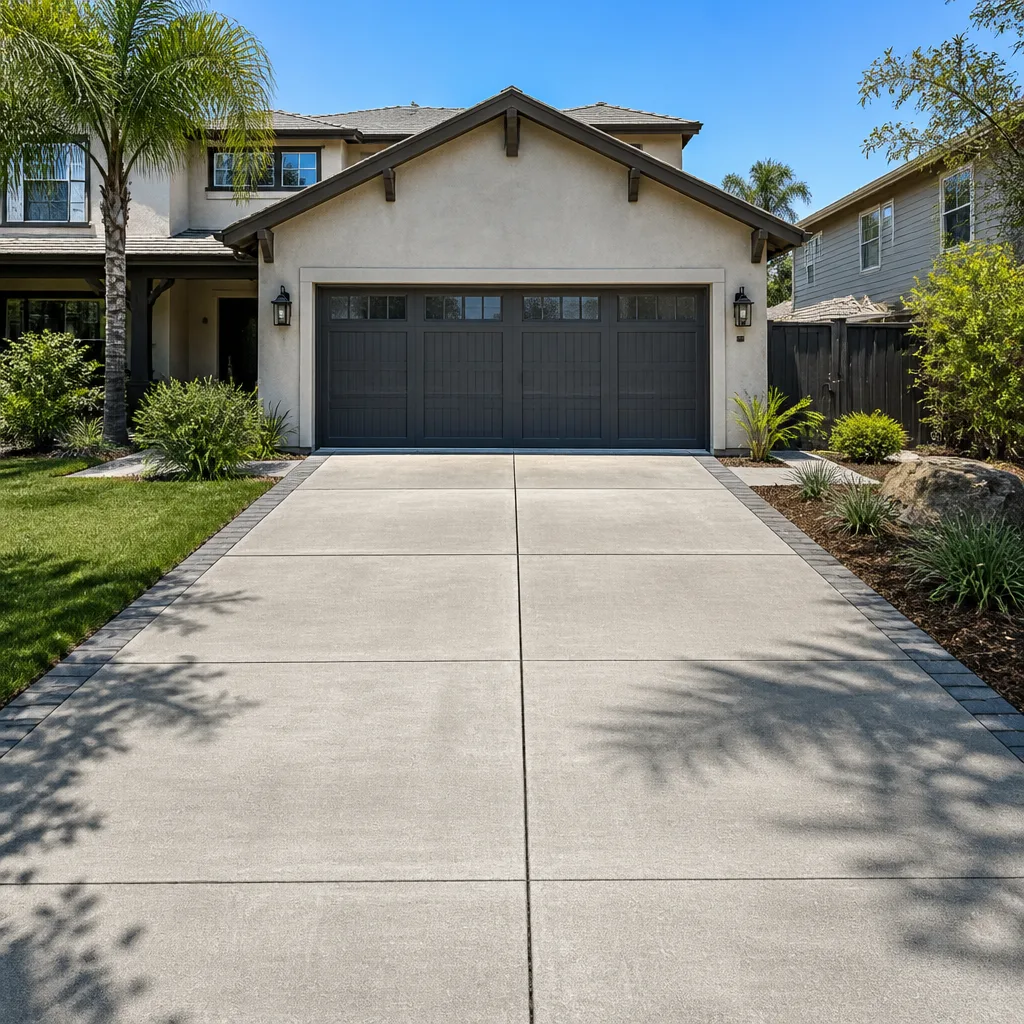
- Driveway replacement (600 sq ft): $12 to $28 per square foot for concrete; pavers sit at the high end. See Driveway & Pavers in Dallas.
- Retaining wall (linear feet, 4 ft height): $45 to $95 per linear foot, with engineering required above four feet in most Dallas-area jurisdictions.
The lesson behind every one of these ranges: Dallas clay soil and summer heat add real cost to foundations and to anything involving a slab. A bid that ignores soil movement on a foundation line is a bid you should question.
How to Decompose a Lump-Sum Bid
A lump-sum bid is a single number with a scope attached. To compare two of them, break each into its five component parts.
- Direct labor. Crew hours at their rate. Expect labor to be the largest single line on additions and flatwork-heavy jobs.
- Materials. Priced line by line. Ask which brand and model is assumed for cabinets, countertops, fixtures, and roofing, because a bid that says “standard fixtures” and one that names Kohler and Toto are not the same bid.
- Subcontractor markup. What the general contractor pays the sub. This is usually baked into the sub’s own price, but a transparent bid shows the sub line clearly.
- General contractor overhead. Insurance, warranty reserve, project management, scheduling. A reasonable Dallas overhead runs roughly 10 to 15 percent of the job cost.
- Profit. A healthy Dallas contractor margin runs roughly 10 to 20 percent on residential work. A bid with almost no visible profit is often a bid planning to make it back in change orders.
Ask for the five lines in writing. A contractor who won’t show overhead and profit as distinct from material and labor is telling you something. We write a flat price with a written scope and a written warranty before any crew picks up a tool, and we’ll review a competitor’s quote line by line at no charge under our Free Second Opinion offer. That’s how Rowan Construction Group Dallas home operates, and it’s why our projects finish within a few percent of the agreed number.
Dallas-Area Permit Fees, 2024 to 2026
Permit fees are the front-loaded cost homeowners underestimate. Here’s how the five most common residential project types price out in Dallas and Frisco, with the 2024 to 2026 trend noted. Figures below are market ranges, and the exact schedule depends on valuation and jurisdiction, so confirm current numbers with the authority having jurisdiction before you sign anything.
- Room addition: generally tied to valuation plus plan review. Across Dallas and Frisco, residential permit fees for a scope this size have trended upward since 2024, with plan review and inspection fees componentized separately.
- Detached garage: lower valuation than a conditioned addition, so a smaller fee, but still a permit and inspection set.
- Kitchen or bath renovation: permits required when plumbing, electrical, or structural work is involved. Often a smaller base fee plus trade-specific permits.
- Driveway replacement: typically a flat fee plus a right-of-way or approach permit where the driveway meets the street.
- Fence installation: a permit depends on height and location. Six-foot fences usually need one; taller or front-yard fences often need more. See Fence Installation in Dallas.
The 2024 to 2026 trend across Dallas, Frisco, Plano, McKinney, and Richardson is consistent: base fees and inspection fees have both moved up. A bid written on a 2023 fee assumption and signed in 2026 will understate permit cost. Ours won’t, because we pull the permit and pass the inspection in the price. Ask any contractor to show you where the permit line is in their bid, and how they arrived at it.
Material Cost Volatility and the Contract Language That Protects You
Three material categories in a Dallas project carry the most price movement, and the contract should say so explicitly.
- Framing lumber and engineered wood. The single most volatile line on additions and any structural scope. Mill pricing swings monthly; local yards adjust on roughly a 90-day lag.
- Concrete flatwork. Ready-mix and finishing labor both move with fuel and local demand. Driveways, slabs, and patios are exposed.
- HVAC equipment. Refrigerant regulation changes and equipment shortages can move an HVAC line by double digits inside a single project timeline.
The contract language that protects you is a material price lock through a fixed date, or an escalation clause that caps any mid-project increase at a stated ceiling and requires written notice before ordering. Anything worse than that, and a soft month in lumber pricing becomes your problem.
At Rowan, no work proceeds on a change until a change order is signed. Under Clause 1 of The Haven Standard, the price is written before anyone starts, and any change to it requires a signature. That single discipline has kept our projects within a few percent of the agreed cost across 4,000-plus jobs since 2007.
The Real Cost of a Low Bid
Here’s the case structure we see repeatedly in Dallas, and the clauses that make it possible.
A homeowner receives two bids on an addition. Bid A is $15,000 lower than Bid B. The homeowner signs Bid A. Three things in the contract enable the gap to become a problem:
- An open scope. The lower bid lists fewer explicit assumptions, so more items get classified as “not included, additional cost” once work begins.
- No change order process. Without a signed change order before work proceeds, every “we found something” becomes a priced line added after the fact.
- No documentation requirement. If the contractor doesn’t photograph and document what was found, the homeowner has no evidence to push back on.
By the end of the project, the $15,000 gap closes and reverses: documented change orders on that same Dallas job totaled $31,000, well past Bid B’s original number. The homeowner never got Bid B. The cost was baked in from the start; it just arrived later, in units they couldn’t compare.
Our answer to this is structural. The 365-Day Done Right Promise means if it isn’t done right, we make it right. The Free Second Opinion means you can bring a competitor’s quote and we’ll review it line by line at no cost before you sign. And every visit includes a documented photo record as a standard deliverable, so you have evidence of what was found and what was done. The written price before work starts is a promise, not a process step.
Common Mistakes to Avoid
- Comparing totals instead of scopes. Two bids for “a room addition” can specify different envelopes, window packages, and mechanical rough-ins. Line them up item by item, or the number tells you nothing.
- Ignoring Dallas clay soil on the foundation line. Expansive clay moves, and a foundation bid that doesn’t explicitly account for soil conditions and pier depth is a bid to question.
- Assuming “standard fixtures” means anything. Ask for models. A Blanco sink and a Toto toilet are not interchangeable with an unnamed builder-grade set, and the price gap is real.
- Accepting a permit line without asking what’s included. Dallas and Frisco permit fees have risen since 2024. If the contractor can’t show you the fee assumption, they’ll find it in a change order.
- Signing a contract without a change order clause. If the whole point is a written price and a signed change order before work proceeds, then a contract that omits the clause removes the only protection that matters.
- Treating a low bid as a discount. As the case above shows, a low bid is often a higher bid delivered in installments.
- Skipping the second opinion. Bring a competitor’s quote and let someone who writes these things for a living read it line by line. It costs you nothing and it changes what you sign.
See the difference
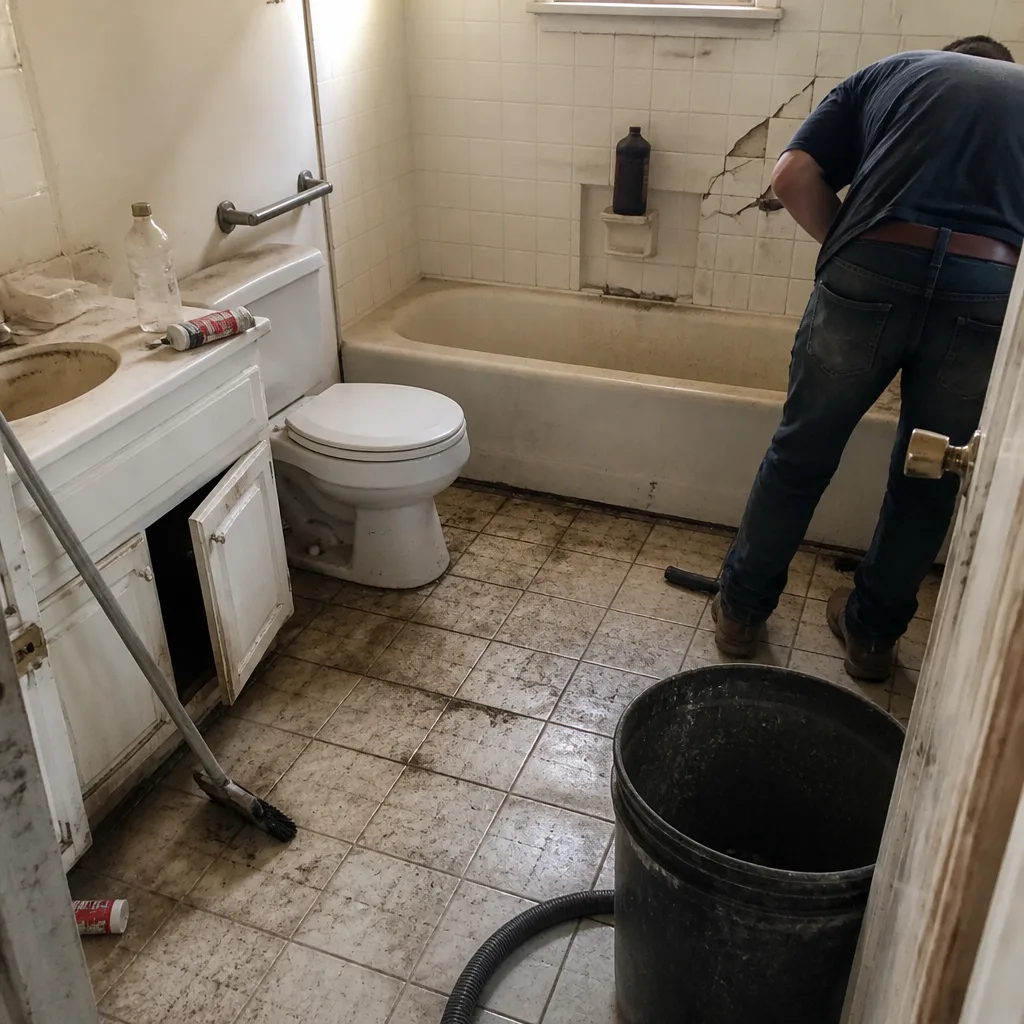 Before
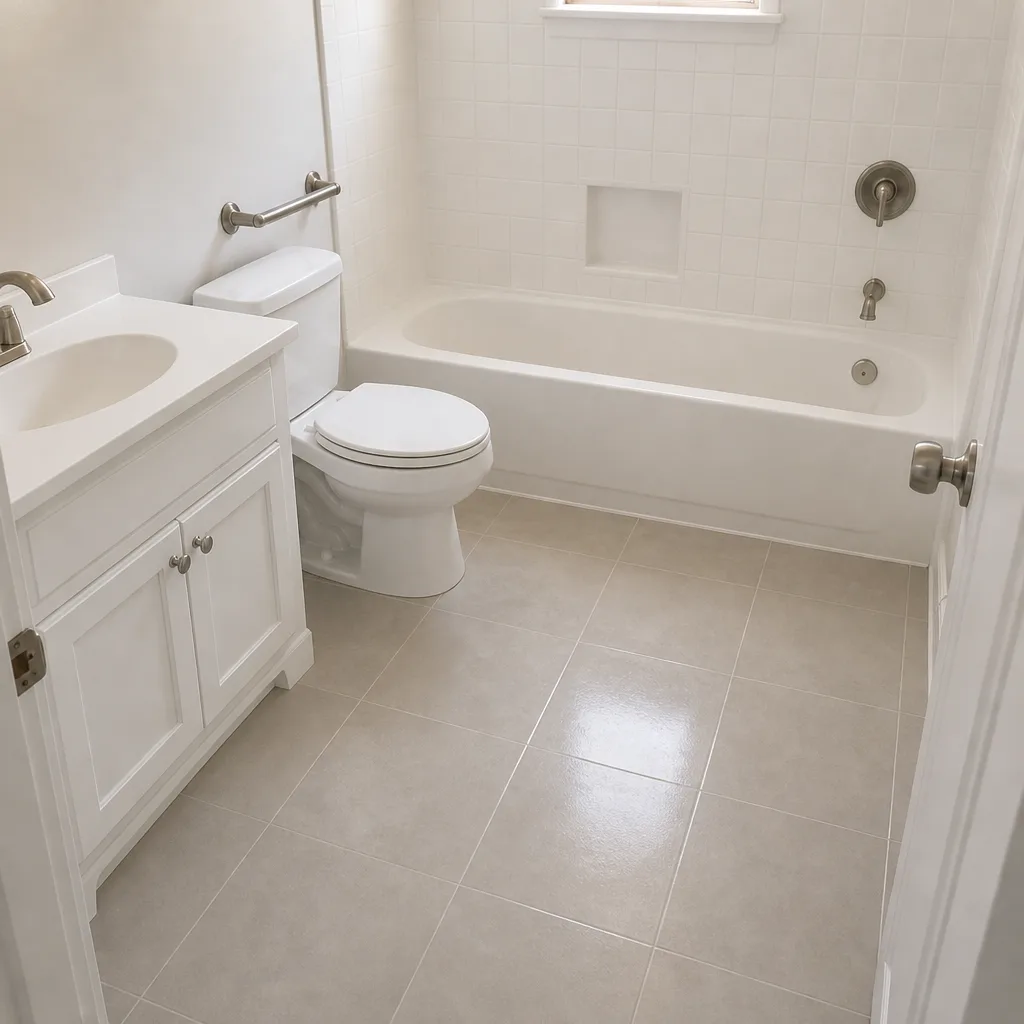 After
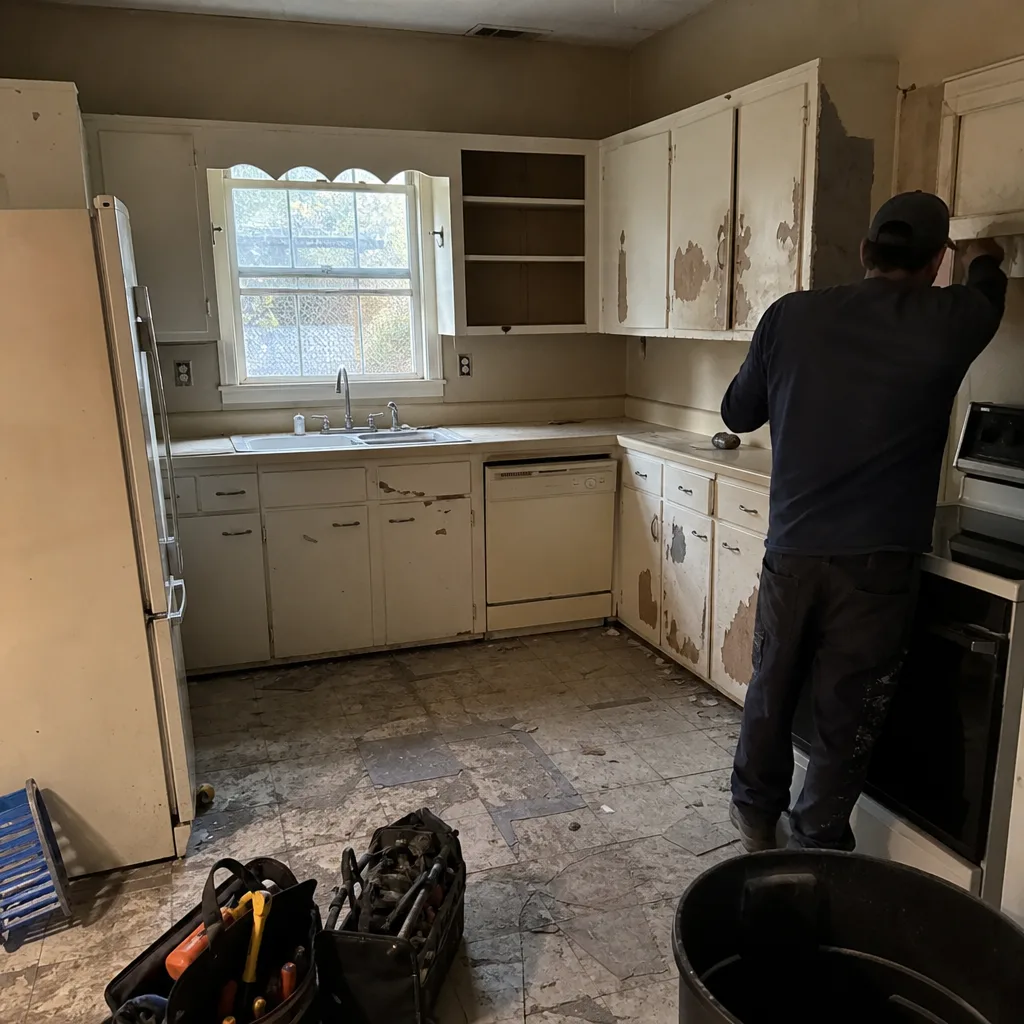 Before
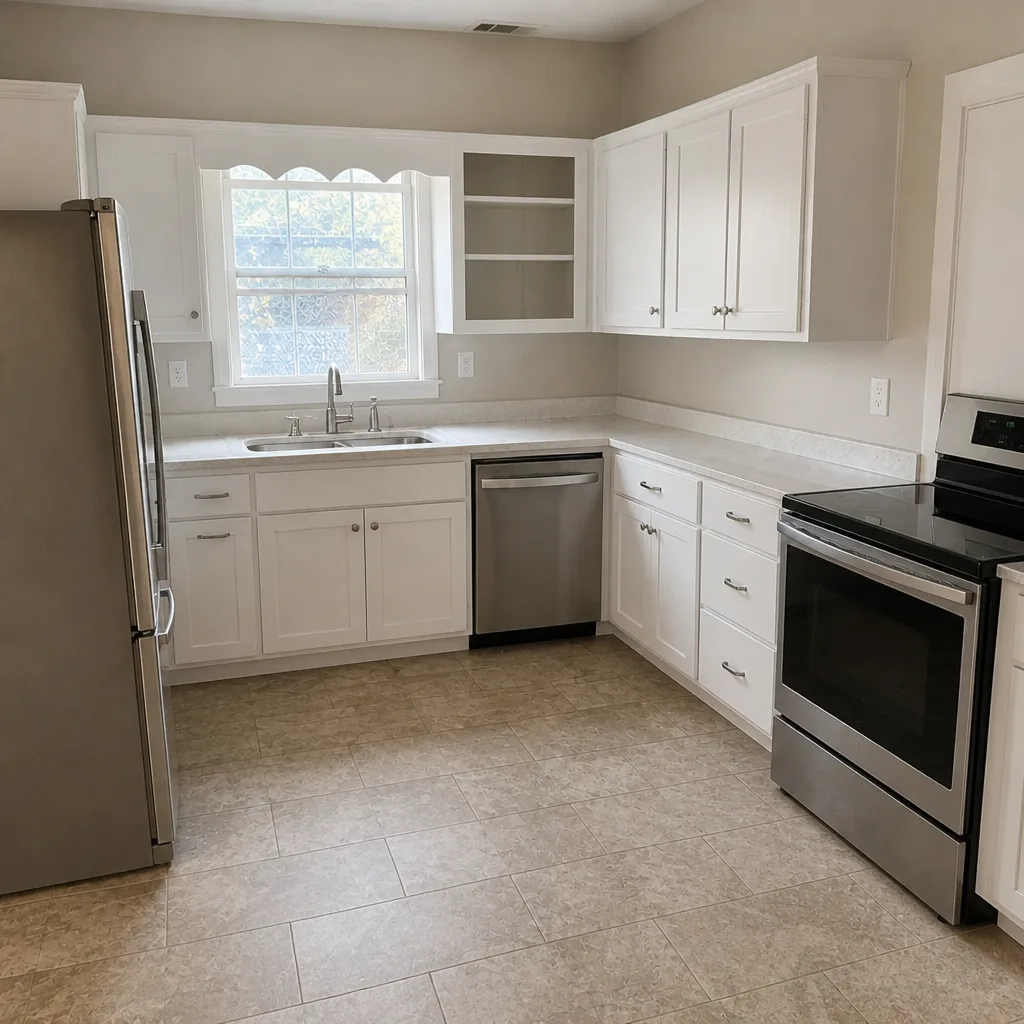 After
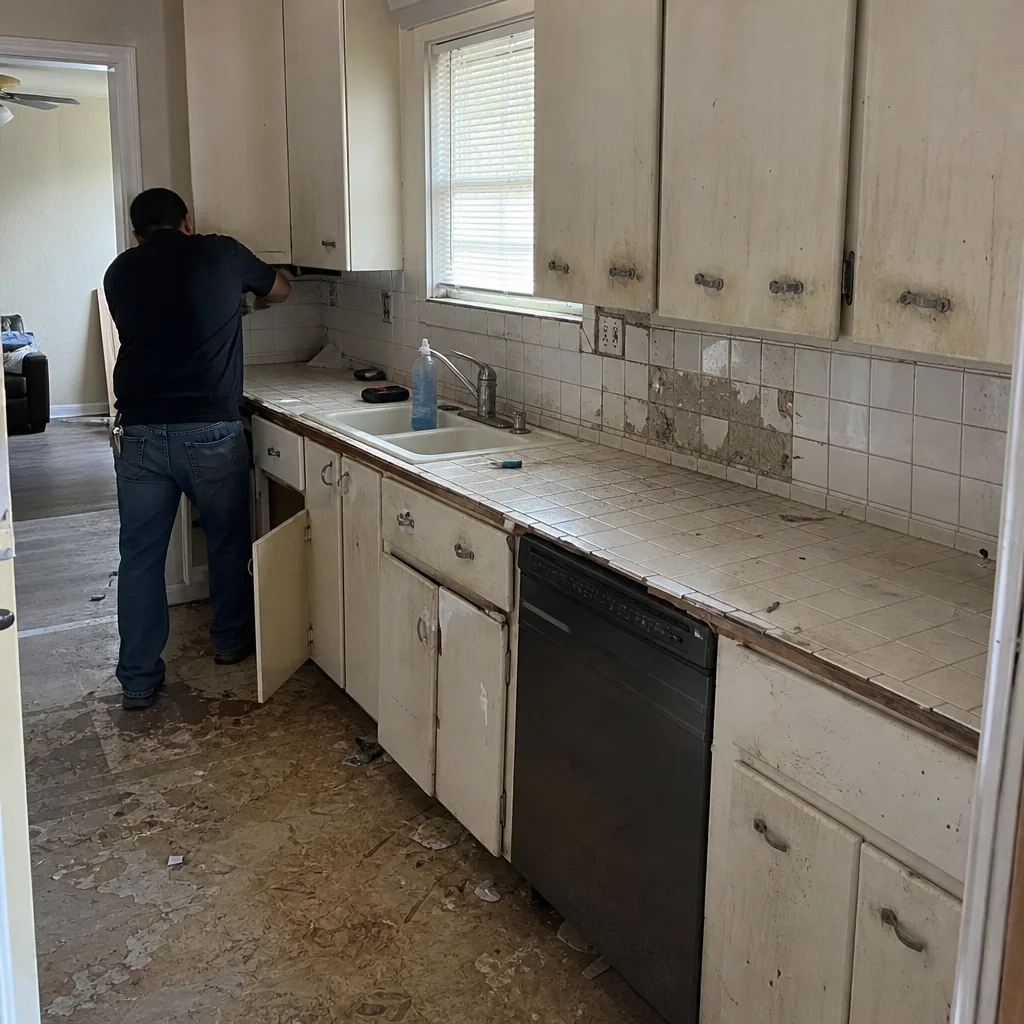 Before
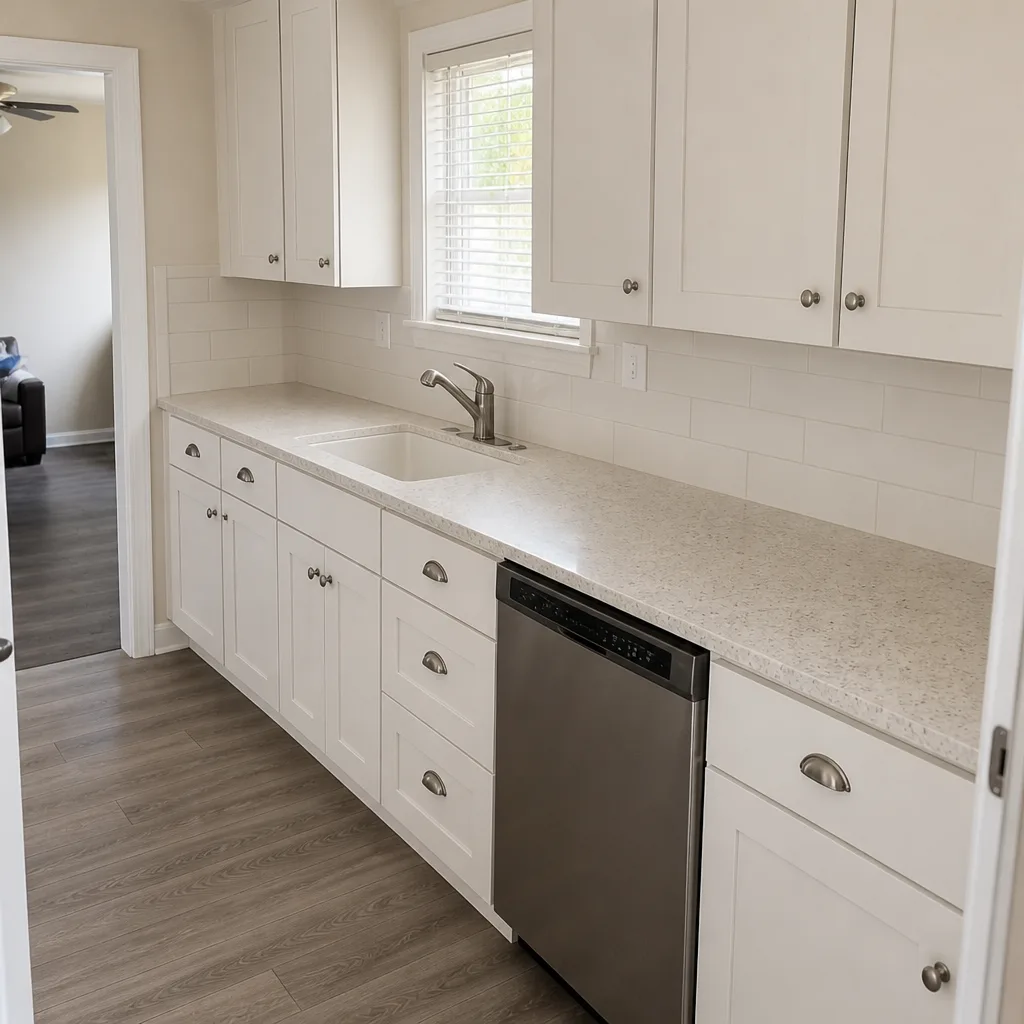 After
When to Call a Professional
Some scopes you can price in an afternoon. Others absolutely need a licensed crew and a permit pulled: room additions and any work touching structural framing or the envelope, HVAC or electrical or plumbing rough-in, foundation repair on Dallas clay soil, gas lines, and anything requiring a height-work or high-tension component. When the scope involves structural load, foundation movement, or a mechanical system, stop and call a trained professional. The risk of getting it wrong isn’t a bad finish. It’s a safety problem.
Rowan Construction Group Dallas offers free estimates in Dallas on all seven trades, with a written price and written scope before any work starts. Call (833) 954-5327 to schedule yours. Crews are background-checked, a live person answers calls 24/7, and every estimate comes with a documented record. If you’re ready to move, our teams cover driveway and paver work, fence installation, and additions and ADUs in Dallas and the surrounding suburbs.
Frequently Asked Questions
A 400-square-foot conditioned room addition in Dallas typically runs $190 to $325 per square foot, so roughly $76,000 to $130,000, with framing labor and mechanical rough-in driving the spread. Foundation conditions on North Texas clay push the number toward the top of that range. Call (833) 954-5327 for an exact quote. Estimates are free and written.
Bids vary because scopes differ in specification depth, not because one contractor is honest and another isn’t. Framing crew rates, window package quality, and the mechanical rough-in allowance can swing a 400-square-foot addition between $38,000 and $91,000 even though the line items look the same on the page. The fix is to decompose each bid into labor, material, subcontractor markup, overhead, and profit before you compare totals.
Not on a properly written contract. The protections are a fixed material price through a stated date, a change order signed before any change proceeds, and a written scope that names what’s included. At Rowan, Clause 1 of The Haven Standard is that the price is written before anyone starts, and no change happens without a signature. That’s why projects finish within a few percent of the agreed number. Call (833) 954-5327 for a written quote.
Yes. We pull the permits and pass the inspections as part of the price, across Dallas, Frisco, Plano, McKinney, and Richardson. Permit and inspection fees across those five suburbs have risen since 2024, so a bid that omits them or prices them stale is a bid that will find the difference in a change order.
A typical 400-square-foot conditioned addition takes several months from permit to close-out, and the schedule runs longest on the front end during permit review and framing. Dallas-area framing crews book weeks out, so the framing window drives the timeline more than interior finish. Ask any contractor for their written schedule assumptions before you sign, then hold them to it.
Yes, and it’s free. A line-by-line second opinion often reveals a low bid that’s quietly excluding plumbing or electrical rough-in, or pricing materials against a stale assumption. Bring a competitor’s quote to Rowan under our Free Second Opinion offer and we’ll review it at no charge. Call (833) 954-5327 to arrange it.
The Bottom Line
The 2026 Dallas construction market rewards homeowners who read bids instead of accepting them. Three forces drive local cost this year: framing and flatwork labor tightness, steel and lumber volatility on a 90-day lag, and rising permit fees across Dallas and its suburbs. The response is the same on every project. Decompose the bid into its five components. Demand a written scope and a written warranty. Make sure any change needs a signed change order before work proceeds. And get a second opinion on anything you’re unsure of. That discipline is how a $15,000 “savings” turns into $31,000 in change orders, and how the reverse happens too.
Ready to price your project? Call Rowan Construction Group Dallas at (833) 954-5327 for a free estimate. The price is written before work starts, 365-Day Done Right Promise backs every job, and a live person answers 24/7.
Written by the team at Rowan Construction Group Dallas.