Last updated November 17, 2026


Free written scope consultation - allowances, timeline, and change-order rules on paper before a single trade is scheduled
Construction Permits, Codes & Inspections in TX: What You Need to Know
Texas lets each city pick its own edition of the International Building Code. That single fact means a room addition permitted in the City of Dallas can be reviewed under a different code cycle than the identical addition permitted in Garland, DeSoto, or Arlington. We’ve watched out-of-area contractors bid a Dallas job from a template built on another city’s code and lose six weeks to review comments before a shovel ever touched dirt. This guide covers which editions each Dallas-area city has adopted, what permit types the common residential projects trigger, how Dallas review timelines actually run, and the liability that lands on you rather than your contractor when work happens without a permit.
Quick Answer
Construction permits in Texas are issued by the city or county with jurisdiction, not by the state, and each jurisdiction adopts its own edition of the International Residential Code and International Building Code. In Dallas and most surrounding suburbs, room additions, detached garages, pool houses, and driveway replacements each require a separate permit with its own review path and inspection sequence. Getting the wrong code edition or skipping a permit leads to failed finals and certificate-of-occupancy delays measured in weeks, not days.
Styles & brands we work with
- Kitchen remodeling
- Bathroom remodeling
- Home additions & ADU
- Roofing
- Windows & doors
- Driveway & pavers
- Fence
Table of Contents
- Why Texas Has No Single Building Code
- Adopted Code Editions for 10 Dallas-Area Cities
- Which Projects Need Which Permits
- Dallas Review Timelines in Business Days
- Structural Engineering Review vs. Self-Certification
- How to Read a Dallas Inspection Record
- The Liability That Falls on You, Not the Contractor
- Common Mistakes to Avoid
Why Texas Has No Single Building Code
Texas has no statewide residential building code. Cities and counties adopt their own editions of the International Code Council family (the IRC for one- and two-family homes, the IBC for larger structures) and amend them locally. A suburb can add its own rules on drainage, foundation design, or fence height on top of the model code, and those amendments don’t travel.
Most Dallas-area cities run on a recent IRC edition, but the specific cycle matters because the code changes between editions. Foundation requirements for North Texas expansive clay soils are the classic example: the post-tension slab detailing in one edition differs from the next, and a plan drawn to the older edition draws a correction letter. Dallas itself reviews to one edition while DeSoto or Mesquite may sit a cycle behind or ahead.
The practical takeaway: never assume. Confirm the adopted edition and any local amendments with the permitting authority before plans are drawn. When we’re scoping a home addition or ADU in Dallas, the code edition is one of the first things we verify, because the plan set has to match it line for line.
Adopted Code Editions for 10 Dallas-Area Cities
Here’s the working landscape for the top 10 cities in the Dallas metro. Editions shift as councils adopt new cycles, so treat this as a starting point and verify current adoption with each city’s building department before you submit.
| City | Governing Code Family | Review Character | Notes That Trip Contractors |
|---|---|---|---|
| Dallas | IRC / IBC with local amendments | Centralized, plan review queue | Expansive clay foundation detailing; floodplain review in parts of the city |
| Plano | IRC / IBC | Structured online submittal | Strict drainage and impervious cover review |
| Frisco | IRC / IBC | Fast-growing, high volume | Current-cycle adoption; detailed grading plans required |
| McKinney | IRC / IBC | Moderate volume | Historic district overlay adds design review |
| Irving | IRC / IBC | Centralized | Floodplain and drainage scrutiny near the Elm Fork |
| Garland | IRC / IBC | Moderate volume | Older housing stock; remodel permits need existing-condition notes |
| Mesquite | IRC / IBC | Moderate volume | Floodplain review along the East Fork |
| Grand Prairie | IRC / IBC | Centralized | Clay soil foundation requirements; drainage plans |
| Arlington | IRC / IBC | Structured submittal | Separate trade permits with individual inspection sequences |
| DeSoto | IRC / IBC | Moderate volume | Confirm current edition locally; adoption cycles vary |
Notice the pattern: Dallas County’s incorporated cities each run their own shop, and unincorporated Dallas County operates separately again. A single address boundary can change your reviewer, your adopted edition, and your inspection workflow.
Which Projects Need Which Permits
Most homeowners assume one permit covers a whole project. In Dallas and the surrounding cities, each structure and each trade runs its own permit and its own inspection sequence. Here’s how the common residential projects map out.
Room additions
- Building permit: Required for any addition that changes the footprint or adds conditioned space. Triggers plan review for structural, energy, and egress compliance.
- Electrical, plumbing, mechanical: Separate trade permits, each with its own rough-in and final inspections.
- Foundation: Engineered slab design is standard in North Texas clay country; expect foundation review as part of the structural review.
Detached garages
- Building permit: Required. Setback and impervious-cover review applies even when the garage is unheated.
- Electrical: Required if you want power, lighting, or a garage door opener circuit.
- Driveway approach: A separate permit in most cities if you’re cutting or widening the curb.
Pool houses
- Building and trade permits: Required for any roofed structure, and mechanical permits if it’s conditioned.
- Pool barrier: Pool safety barrier rules are local and enforced separately from the pool permit itself.
Driveway replacements
- Right-of-way permit: Required in most Dallas-area cities if the work touches the curb, apron, or public right-of-way.
- No building permit: A replacement within private property typically doesn’t need one, but confirm with the city before the crew mobilizes. When we quote driveway and pavers in Dallas, the right-of-way question comes up front, not after demolition.
Dallas Review Timelines in Business Days
Timelines are the part of a project homeowners underestimate most. In our experience across Dallas jobs, here’s a realistic planning range for City of Dallas review. Treat these as working estimates; actual times move with department volume.
- Zoning and setback review: roughly 5 to 10 business days for a straightforward addition.
- Structural and architectural plan review: roughly 10 to 20 business days, longer if the plan draws corrections.
- Trade plan review (electrical, plumbing, mechanical): runs parallel once the building review clears, roughly 5 to 10 business days.
- Corrections resubmittal: 5 to 10 business days per cycle. This is where the weeks bleed away.
- Permit issuance: 1 to 3 business days once all reviews clear and fees are paid.
- Inspection scheduling: 1 to 5 business days per inspection, with rough-in, insulation, and final each scheduled separately.
Add it up and a clean Dallas addition can run four to eight weeks from submittal to issued permit. A project that draws two correction cycles can push that past three months. The four-to-six-week final inspection delay we flagged isn’t a scare figure; it’s what happens when a final fails on a code detail that a plan review would have caught if the plan set had matched the adopted edition. If your timeline matters, budget for review time and plan the contract around it.
Structural Engineering Review vs. Self-Certification
In Dallas County, whether a plan needs a licensed structural engineer’s seal depends on the scope. The dividing line is documented, so there’s no guesswork once you know it.
What triggers a mandatory structural engineering review
- Anything structural that isn’t prescriptive code: beam removals, new load paths, cantilevers, and non-standard framing.
- Foundation design outside prescriptive slab detail, which is common on North Texas expansive clay and especially on hillside or fill lots.
- Retaining walls above roughly four feet of retained height, which require engineering in most Dallas-area cities.
- Additions that alter the structural system of the existing home, not just add a box to the back.
What a contractor can self-certify
- Prescriptive projects that fit the adopted code’s tables: standard wood-framed additions within established limits.
- Like-for-like replacements and cosmetic work that doesn’t change structural loads.
- Standard driveway replacements on private property, where no engineering is required at all.
When in doubt, pull the engineering. A sealed plan set moves through review faster than an unsealed one that draws a correction demanding the seal anyway. We build the engineering review into the scope of a Rowan Construction Group Dallas home project before the plan set is submitted, not after the first correction letter.
How to Read a Dallas Inspection Record
Every Dallas permit has a public inspection record, and it’s the single best tool for knowing whether your project is actually on track. Here’s how to read it.
- Find the permit by address. Dallas publishes permit and inspection history through its online permitting portal; search by address or permit number.
- Read the inspection sequence. Each inspection type (foundation, framing, rough-in, insulation, final) carries its own status: scheduled, passed, failed, or conditional pass.
- Check the comments. A failed or conditional inspection comes with a code-referenced note. The note tells you exactly what the inspector wants to see at re-inspection.
- Track outstanding items. A permit that can’t be closed shows which inspections haven’t passed. That’s your punch list for closing out the job.
A “conditional pass” is the result homeowners ask about most. It means the inspection technically passed but the inspector logged conditions that have to be satisfied before the final sign-off: a missing draft-stop, an exposed nail pattern on sheathing, a handrail detail. Your project timeline doesn’t break, but a re-inspection is required later, and if the condition isn’t fixed, the final fails. Treat a conditional pass as a to-do, not a pass.
The Liability That Falls on You, Not the Contractor
Texas law puts the exposure for unpermitted work on the property, and that means it follows you as the owner. If work requiring a permit proceeds without one, you can be ordered to stop, to expose the work for inspection, or to remove and redo it. The Texas Property Code governs how work can proceed and when a municipality may act against unpermitted construction, and it doesn’t shift the penalty to the contractor. We don’t cite a section we can’t verify on your behalf, so we recommend confirming the specific provision with a Texas real estate attorney. The exposure, though, is real.
That exposure also lands on a sale. Title companies and buyers’ lenders routinely ask for permit history, and unpermitted work can stall a closing. Our answer is to permit every project that requires one, pull the inspections, and leave you the record. The fence installation in Dallas work we do is the category homeowners most often assume needs no permit; that’s usually true on private property, but it isn’t a rule you should assume. Confirm eligibility before you build.
For structural and electrical items, the safety argument runs alongside the legal one. A panel that was never inspected, or a framing package that lacks an engineered seal, isn’t a paperwork problem; it’s a hazard. Our technicians have up to 19 years of experience, and every one of them knows to stop and call in a licensed trade rather than guess at a code requirement.
Common Mistakes to Avoid
- Assuming one city’s code edition is another’s. A plan set drawn to Garland’s adopted edition can draw corrections in Frisco. Confirm the edition for the specific address before drawing, not after.
- Skipping the right-of-way permit on a driveway replacement. If the apron or curb is touched, most Dallas-area cities want a permit. We’ve seen driveways done beautifully and then stuck because the right-of-way was never pulled.
- Treating a conditional pass as a pass. The conditions have to be cleared before the final. Ignoring them reroutes a fast closing into a failed final and a weeks-long redo.
- Submitting without the structural seal when scope requires it. If the project changes load paths or foundation design outside prescriptive detail, an unsealed set simply draws a correction. Seal it up front.
- Assuming the contractor absorbs the unpermitted-work penalty. The exposure falls on the owner and the property. Confirm permits in writing before work begins.
- Underestimating review cycles. A single correction cycle can add 5 to 10 business days. Plan the project timeline around two cycles, then be relieved when you clear in one.
- Forgetting the trade permits. A building permit doesn’t cover the electrical, plumbing, or mechanical rough-ins. Each needs its own permit and inspection.
See the difference
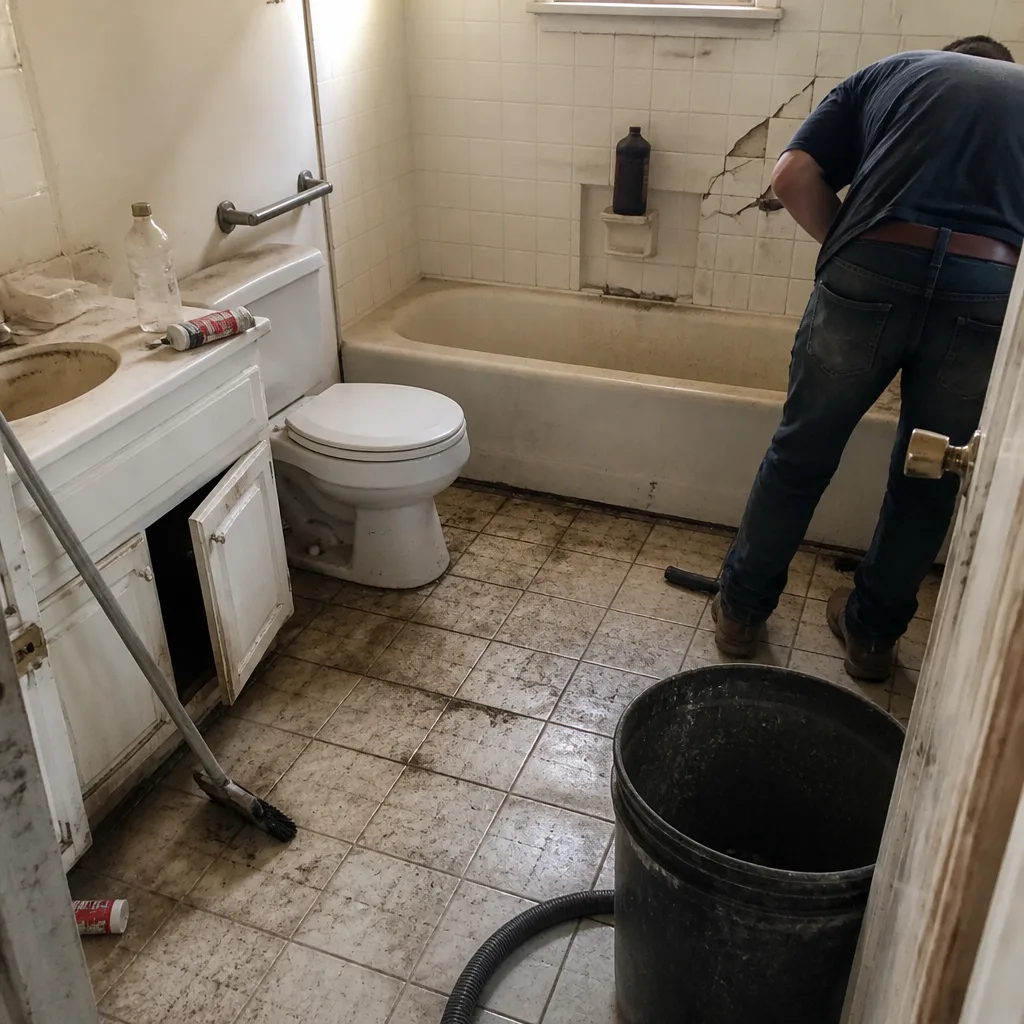 Before
 After
 Before
 After
 Before
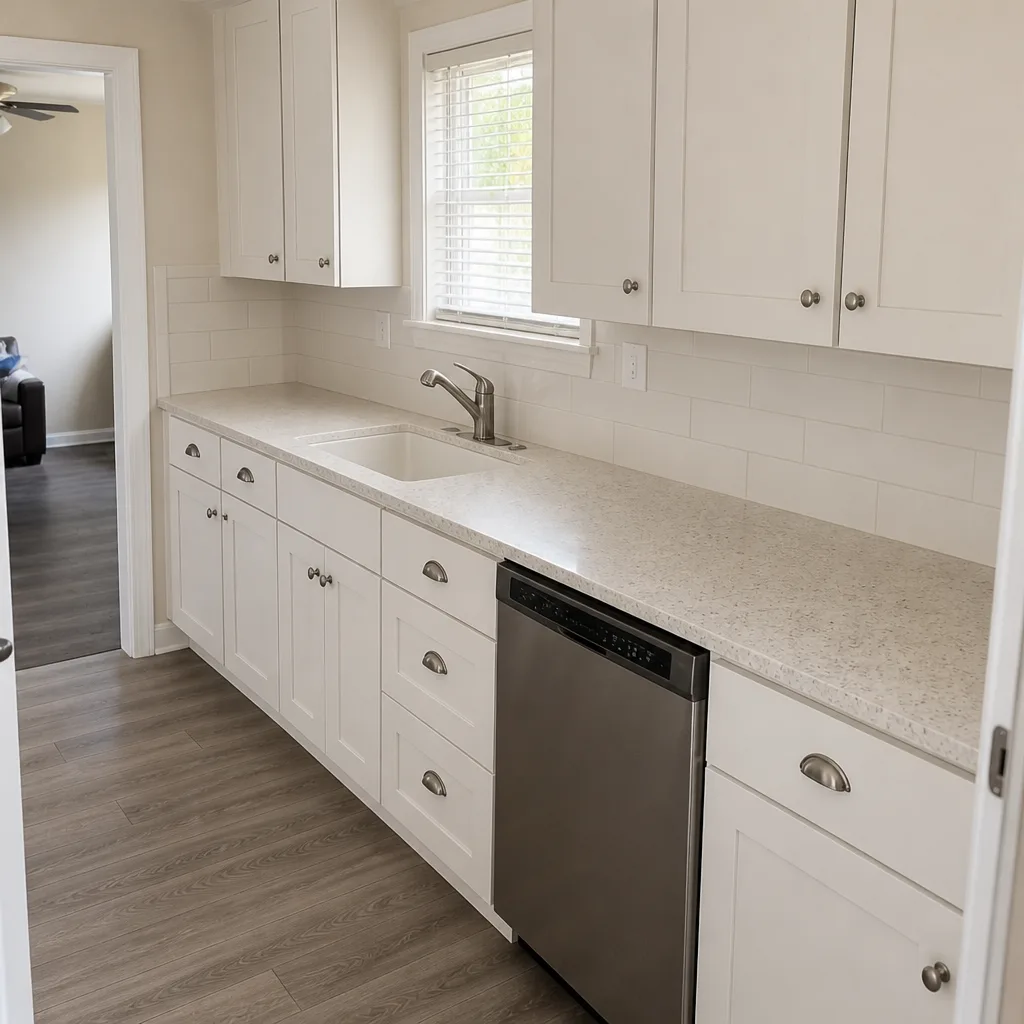 After
When to Call a Professional
Some permit work is a homeowner’s own paperwork. Most isn’t. Call a professional when the project changes the footprint, the structural system, or the electrical service; when the plan set needs an engineer’s seal; when a review comment asks for a code interpretation; or when the inspection record is showing conditional passes and failed finals that need to be cleared. If you’re planning an addition, a detached structure, or a pool house in Dallas, the plan set and the permit are one job. Rowan Construction Group Dallas offers free estimates in Dallas; call (833) 954-5327 and we’ll review the scope and outline the permit path before you sign anything. Under Clause 1 of The Haven Standard, the price is written before anyone starts, and no change proceeds until you sign a change order. We also offer a Free Second Opinion on any written estimate you’ve already got, line by line, at no charge.
Frequently Asked Questions
No. Texas has no statewide residential building code. Each city and county adopts its own edition of the International Residential Code or International Building Code, with local amendments. That’s why the adopted code edition can differ from Dallas to Garland to DeSoto.
The City of Dallas typically runs 4 to 8 weeks from submittal to issued permit for a straightforward residential addition, with 5 to 10 business days per review stage. A project that draws two correction cycles can push past three months. Call (833) 954-5327 for an exact quote on a scope review; estimates are free.
A conditional pass means the inspection technically passed but the inspector logged conditions that must be cleared before the final sign-off. Your project timeline continues, but a re-inspection is required. Ignoring the conditions turns a fast closing into a failed final.
Only for prescriptive work within the adopted code’s tables. Anything that changes load paths, uses non-standard framing, or falls outside prescriptive foundation detail needs a licensed structural engineer’s seal. The dividing line is documented, not negotiated.
The exposure follows the property and the owner, not the contractor. Texas Property Code governs how work proceeds and how a municipality may act against unpermitted construction, so confirm the specific provision with a Texas real estate attorney. In practice, unpermitted work can stall a sale and force exposure or redo of the work.
If the work touches the curb, apron, or public right-of-way, most Dallas-area cities want a right-of-way permit. A replacement fully within private property typically doesn’t need a building permit, but confirm with the city before demolition. Call (833) 954-5327 and we’ll walk the scope with you; estimates are free.
The Bottom Line
The takeaway is in the numbers. Dallas-area cities each adopt their own code edition, run their own review queues, and enforce their own inspection records, and the difference between getting it right and getting it wrong is a failed final and a certificate-of-occupancy delay of four to six weeks. Pull the right permits, seal the plans that need sealing, read the inspection record early, and plan for two correction cycles. When you need the price in writing before work begins, Rowan Construction Group Dallas does that on every project, backed by the 365-Day Done Right Promise. Call (833) 954-5327 to schedule your free estimate.
Written by the team at Rowan Construction Group Dallas.