Last updated November 17, 2026





Free written scope consultation - allowances, timeline, and change-order rules on paper before a single trade is scheduled
Construction Emergency Preparedness Guide for Dallas Homes
When a Dallas homeowner calls a foundation repair contractor the day after a major soil-movement event, they are calling alongside hundreds of other homeowners. The contractors who respond immediately to undocumented strangers are rarely the ones a homeowner would choose with 30 days to research. That gap between panic and preparation is what this guide closes. Dallas sits on expansive clay soil that swells and shrinks with every drought-and-rain cycle, and the metro gets pounded by hail most springs. We’ve watched homeowners pay premiums for rushed decisions they’d never make calmly. Here’s how to have a plan mapped out before the event, so the emergency is a logistical problem, not a financial one.
Quick Answer
Dallas construction emergency preparedness means having three things ready before a weather event: a cloud-backed document kit (photos, measurements, contractor records) accessible without home power, two or three pre-vetted emergency contractors per trade already researched, and a clear understanding of the Texas insurance claim sequence and City of Dallas emergency permit rules. Foundation repair, hail damage, and sudden HVAC failure dominate Dallas emergencies, and each follows a different documentation and permitting track.
Styles & brands we work with
- Kitchen remodeling
- Bathroom remodeling
- Home additions & ADU
- Roofing
- Windows & doors
- Driveway & pavers
- Fence
Table of Contents
- The Pre-Emergency Document Kit
- Foundation Failure and Dallas Soil Cycles
- Hail Damage and Roofing Documentation
- Structural Shoring and When an Engineer Matters
- Filing a Texas Storm-Damage Insurance Claim Without Voiding Coverage
- City of Dallas Emergency Permit Process
- Pre-Selecting and Vetting Emergency Contractors
- Sudden HVAC Failure During Triple-Digit Heat
The Pre-Emergency Document Kit
Most Dallas insurance disputes we’ve seen don’t turn on whether damage happened. They turn on whether the homeowner could prove the condition of the house before the event. Build this kit now, while the house is intact, and store it where you can reach it when the power is out and your phone is at 8 percent.
What belongs in the kit:
- Dated exterior photos of all four sides of the house, the roof from ground level (and drone shots if you have them), the fence line, the driveway, and the HVAC condenser and furnace nameplates.
- A simple floor plan with room dimensions, wall thicknesses where you know them, and the location of the main water shutoff, gas meter, electrical panel, and attic access.
- Contractor records for any work done in the last ten years: the written scope, the final invoice, and any warranty paperwork. Under Rowan’s Haven Standard, for instance, every visit comes with a documented photo record, which is exactly the kind of file your adjuster will want.
- Insurance declarations page, policy number, and your agent’s direct line, saved as a PDF.
- Serial numbers for the HVAC system, water heater, and any major appliance.
Store the whole kit three ways: in a cloud folder you can reach from a phone, on a USB drive in your go-bag, and printed in a waterproof sleeve in the pantry. A common Dallas mistake is saving everything to a desktop computer that’s also out of commission after a storm. If you want the records to hold up under adjuster scrutiny, have a second set of eyes look at any written estimate you’ve collected. Bring a competitor’s quote to us and we’ll review it line by line at no charge, the same free second opinion we offer on any written estimate.
Foundation Failure and Dallas Soil Cycles
Dallas foundations fail on a schedule set by the weather, not the calendar. The blackland clay under most of the metro holds water like a sponge then cracks into plates during a dry summer. A house on a pier-and-beam or slab foundation can go from level to visibly out-of-level in a single drought cycle, especially in older neighborhoods where drainage was never re-graded after the lot was built out. We see it most in areas with mature trees close to the slab, because the root systems pull moisture unevenly.
Foundation repair in Dallas is not a trade you can hire casually. Texas requires foundation repair contractors to register through the Texas Department of Licensing and Regulation (TDLR). Any crew that can’t produce a registration number before they start work should not be on your property. The repair itself typically means installing steel or concrete piers driven to stable soil, then re-leveling the slab. Costs in the Dallas market run into the thousands per pier, so the difference between a properly engineered repair and a rushed one is real money.
Two things to do before the ground moves:
- Walk the perimeter every spring and fall. Photograph any new stair-step cracks in brick, doors that stick in one season and not another, or gaps at the corners of the slab.
- Keep gutters clear and make sure downspouts discharge at least four feet from the foundation. Water management is half of foundation maintenance in Dallas.
When a soil-movement event hits, call the TDLR-registered contractor you already vetted, not the first yard sign you see. Structural shoring, which we cover below, is a different job and sometimes has to happen before foundation work can begin.
Hail Damage and Roofing Documentation
Dallas sits in the heart of hail alley, and the metro sees damaging hail most springs. The difference between a claim that pays and one that gets denied usually comes down to documentation. An adjuster is looking for a pattern of impact marks, granule loss, and creased shingles, not just “the roof looks bad.”
What to have ready before hail season:
- The roofing material and, if known, the shingle layer count. Two layers is common in older Dallas homes; three is rare and often a sign a replacement is overdue.
- The installation date and the manufacturer’s warranty paperwork. If the roof is GAF or Owens Corning, the warranty registration matters at claim time.
- Ground-level and drone photos taken in clear weather.
After a hail event, document before you clean up. Photograph gutters full of granules, dings on the HVAC condenser fins, dents in the fence, and any soft spots in the decking. Do not let a roofer remove shingles before your adjuster has seen them, because removal destroys the evidence. Ask any roofer for the written scope of work and the manufacturer’s product spec before they touch the roof; a written price before any work starts is the baseline, not a favor. The same standard applies to the fence line if the storm knocked panels down, which is where a proper Fence Installation in Dallas assessment comes in. Roofing and fencing are two separate claims, filed under the same policy.
Structural Shoring and When an Engineer Matters
Sometimes the damage is severe enough that the house needs temporary or permanent shoring before anyone can repair it. Structural shoring means supporting a load-bearing element that has failed or is at risk of failing, using posts, jacks, or beams. This is not a repair you want a general contractor to ad-lib. A licensed structural engineer must be on-site before any contractor begins shoring work on a Dallas home, both because it’s the right engineering practice and because most insurers and the City of Dallas will demand the engineer’s stamp before they accept a plan.
The sequence looks like this:
- Identify the failure: a sagging beam, a cracked footing, a wall that has moved out of plumb, or a floor that has dropped.
- Call a licensed structural engineer for an inspection. The engineer issues a written report and, if shoring is needed, a stamped plan.
- Get written estimates from contractors who can work from that plan. The estimate should reference the engineer’s plan by name.
- Only then does shoring begin, and only with an engineer or their designated inspector present for critical stages.
In a major event, engineers get booked fast. Having one in your contacts before you need them is worth more than a spare generator. The same preparation logic applies to anything structural, including the Home Additions & ADU in Dallas work where load paths and soil bearing matter from day one.
Filing a Texas Storm-Damage Insurance Claim Without Voiding Coverage
Texas insurance claims follow a legally significant sequence. The order in which you notify your insurer, get a contractor estimate, and let the adjuster inspect matters, and getting it wrong can put coverage at risk. The Texas Department of Insurance sets the rules; your own policy’s “duties after loss” section is the binding contract.
Follow this order:
- Notify your insurer immediately, before any permanent repairs. Most Texas policies require prompt notice, and a delay of days or weeks can be used to dispute the claim.
- Make only temporary protective repairs to prevent further damage, and photograph them before and after. Keep every receipt.
- Get a written contractor estimate for the scope of the damage. This is documentation, not a repair authorization. A written price before any work starts also gives your adjuster a fair market benchmark.
- Let the adjuster inspect before permanent repairs. If a contractor starts replacing shingles or removing drywall of the damaged area before the adjuster has seen it, the carrier can dispute what caused the damage. Temporary tarping is fine; permanent replacement is not.
- Document each conversation. Note dates, times, adjuster names, and what was said. Dallas claims that go to appraisal or mediation are won on this paper trail.
A common misstep is signing a contractor’s “assignment of benefits” (AOB) before you understand it. An AOB transfers your right to collect from the insurer to the contractor, and Texas regulates them tightly. Read what you’re signing, and don’t sign one the day after a storm. If a contractor won’t give you a written scope and a written price before work begins, that’s your signal to walk.
City of Dallas Emergency Permit Process
The City of Dallas separates storm-damage repairs into categories, and each follows a different permit path. Understanding this before a storm saves weeks.
- Immediate work, no permit required: shingle replacement, tarping, minor siding repair, glass replacement, and temporary fence panels. These are considered maintenance and emergency protection.
- Inspection before work starts: structural repairs to framing, foundation work, and any repair to a load-bearing element. The city requires an inspection of the damaged area, or a licensed engineer’s plan, before the contractor can begin. Shoring, as noted above, needs the engineer’s stamp.
- Full permit review: any repair that changes the footprint, adds a new structural element, or replaces more than a threshold percentage of the roof or wall assembly. In Dallas, a full roof replacement typically needs a permit and a final inspection.
Two practical reminders. First, the city requires a contractor to hold the correct Dallas registration and licensing before pulling a permit; verify before you hire. Second, keep the permit and inspection paperwork with your insurance file. Adjusters routinely ask for it, and a contractor who pulls the permit and passes inspection gives you a documented paper trail that a rushed crew won’t. Whether the work is a driveway replacement after a storm or a whole new structure, the same permit discipline applies; the driveway and hardscape track lives at Driveway & Pavers in Dallas.
Pre-Selecting and Vetting Emergency Contractors
The best time to find an emergency contractor is when you don’t need one. Pre-selecting two or three qualified contractors per trade, and documenting the vetting, turns the panic phase into a phone call.
What to have on file for each contractor before you call them:
- License or registration number, verified through the relevant Texas database (TDLR for foundation repair, the Texas Real Estate Commission or local licensing board for general contracting, and the city’s trade registration for roofing and electrical).
- Insurance certificate: general liability and workers’ compensation naming the carrier and policy number. Check that the policy is current.
- A reference from a job completed in the last six months, ideally in your neighborhood or one with similar soil and construction.
- A written example of their standard scope and contract terms, including how change orders are handled. In our experience at Rowan, the discipline of no work proceeding on a change until the change order is signed is what keeps projects on budget. Agree on that term in advance with any contractor you’d call under stress.
Then write down, in your document kit, the phone number and address for each contractor and the trade they cover. Store it with the insurance file. If you want a starting point, Rowan Construction Group Dallas home and our estimates page list the trades and the written-price-first process we use on every job.
Sudden HVAC Failure During Triple-Digit Heat
Dallas summers regularly push past 100 degrees, and a failed air conditioner is its own kind of construction emergency. The house becomes unsafe within hours for children, elderly residents, and pets. Unlike a roofing claim, there’s no insurance event and no permit. The worst that happens is you wait three days for a repair in a heat wave.
Prepare for this one the way you would a fire drill:
- Have the HVAC brand and model number written down. When the system fails, you’ll call the right parts source instead of guessing.
- Schedule a spring tune-up in March or April, before the first 100-degree day. Contractors are less booked and parts are available.
- Keep a backup cooling plan: a window unit or portable AC stored and tested, plus a list of nearby cooling centers in Dallas.
- Know the age of the unit. If it’s over 15 years old and failing in July, the decision may be replace rather than repair, and you’ll want a written price in hand before the fourth day of a heat wave.
Once the air is back on and the immediate health risk passes, treat the HVAC decision like any other construction job: get a written price and scope before anyone starts. The same standard applies whether it’s a compressor replacement or a whole system, and a documented photo record from the visit is part of the file you keep.
Common Mistakes to Avoid
- Signing the first contractor who shows up after a storm. A crew with no verifiable Texas registration and no written scope is the most likely to leave you with a worse problem. Wait for the contractor you can document.
- Removing storm-damaged materials before the adjuster sees them. Shingle removal, drywall cutting, and fence panel disposal all destroy the evidence your insurer needs. Tarp it and photograph it first.
- Filing a foundation claim without an engineer’s report. Dallas foundation claims are often contested, and an engineer’s stamped report is the strongest documentation you can have.
- Storing the document kit only on a desktop computer. A storm that knocks out power renders your files inaccessible. Keep cloud and paper copies.
- Hiring a foundation contractor who can’t produce a TDLR registration. Verify the number through the state database, not just the business card.
- Letting a roofer talk you into a full replacement before the adjuster inspects. Repairs and replacements are different claims and carry different documentation needs; don’t jump ahead of the adjuster.
- Signing an assignment of benefits under pressure. Read the terms on a clear day, not in a downpour. If a contractor won’t put their price in writing before work, that’s the answer you need.
See the difference
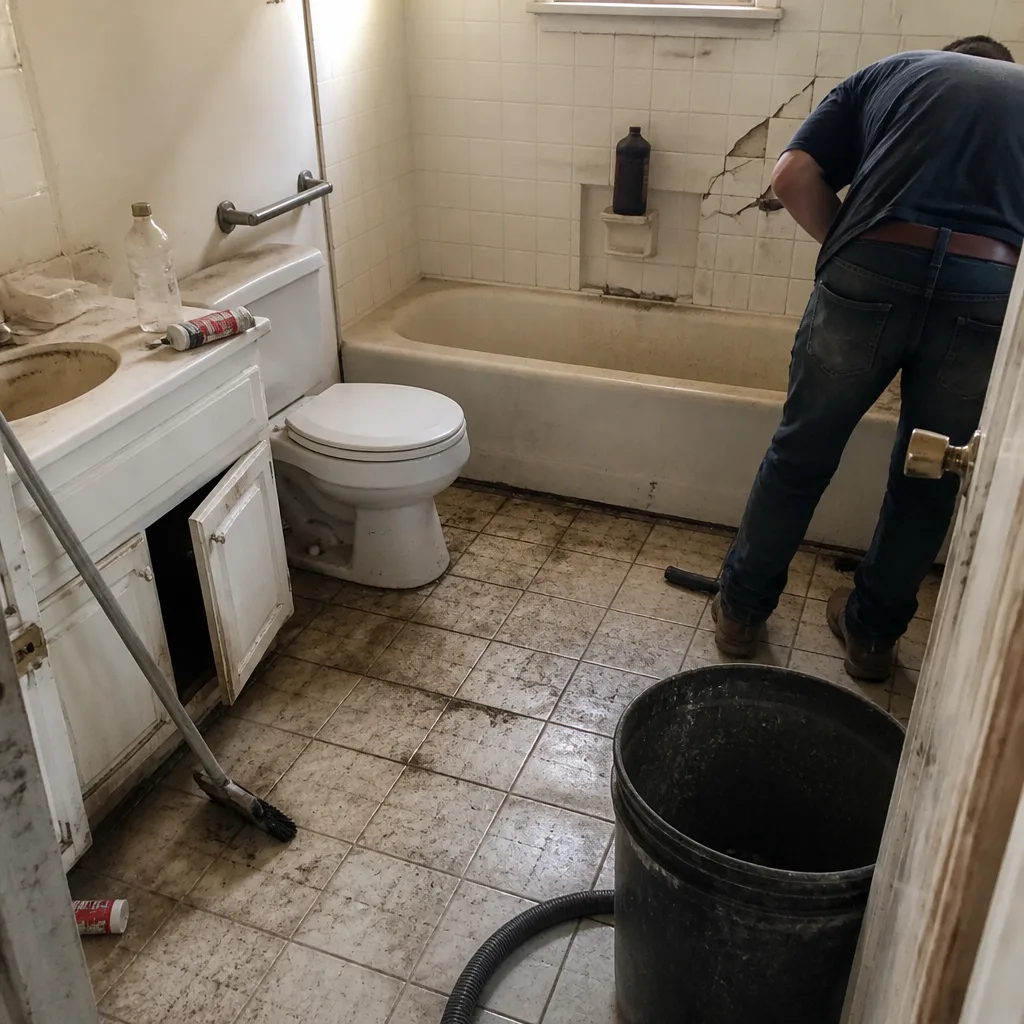 Before
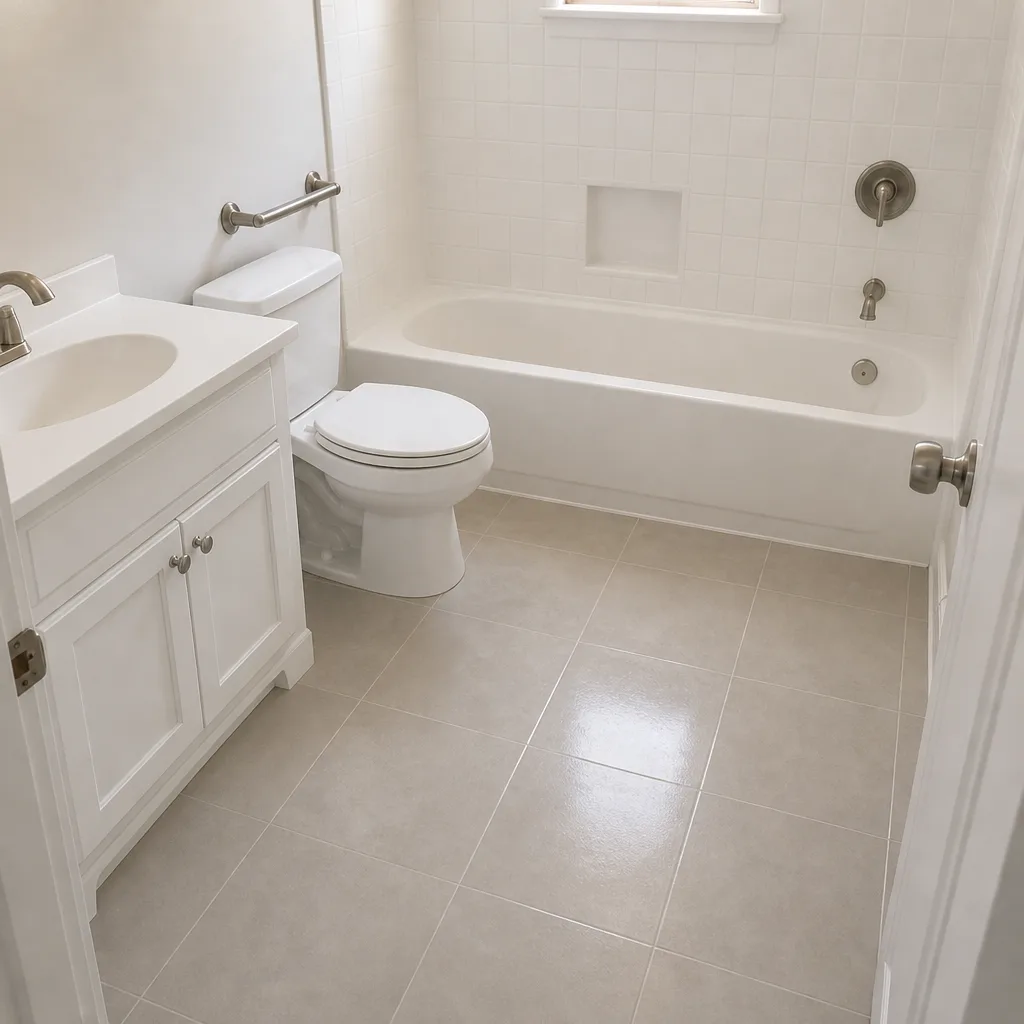 After
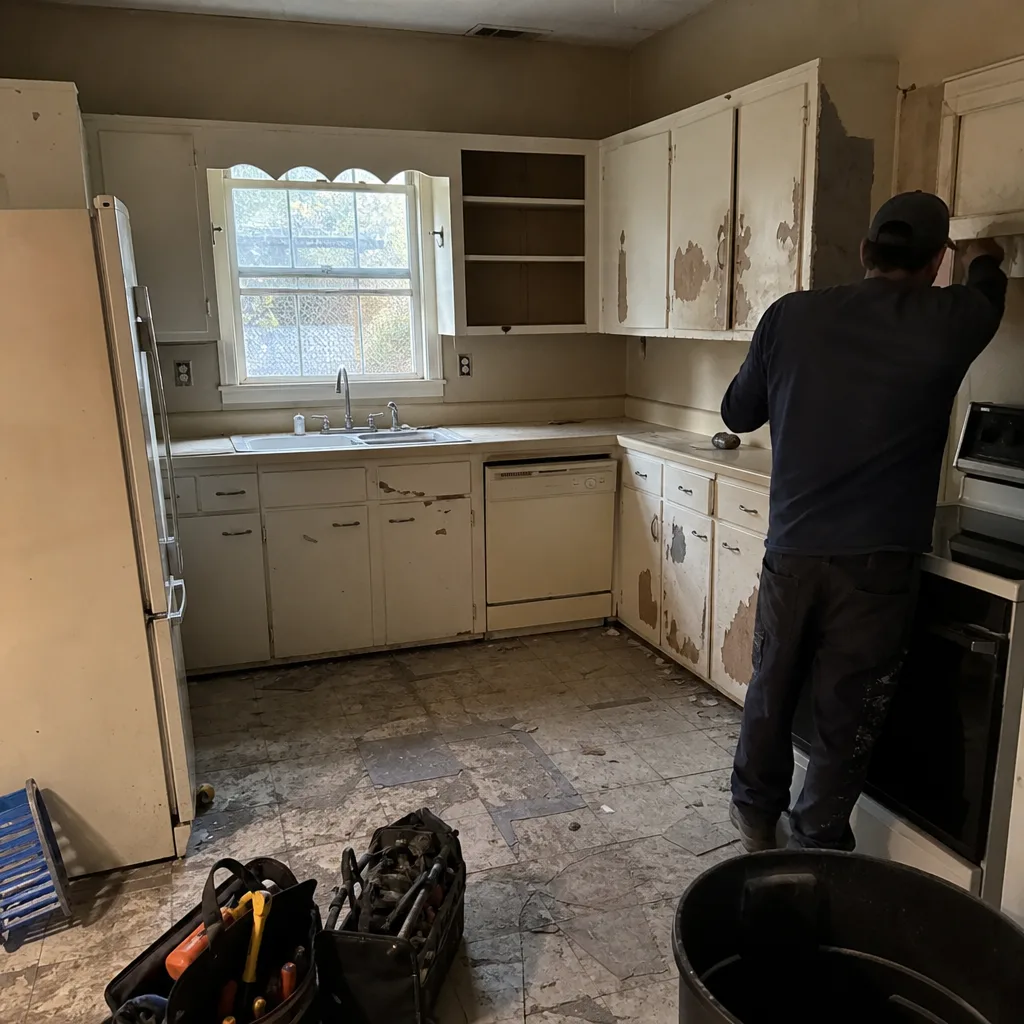 Before
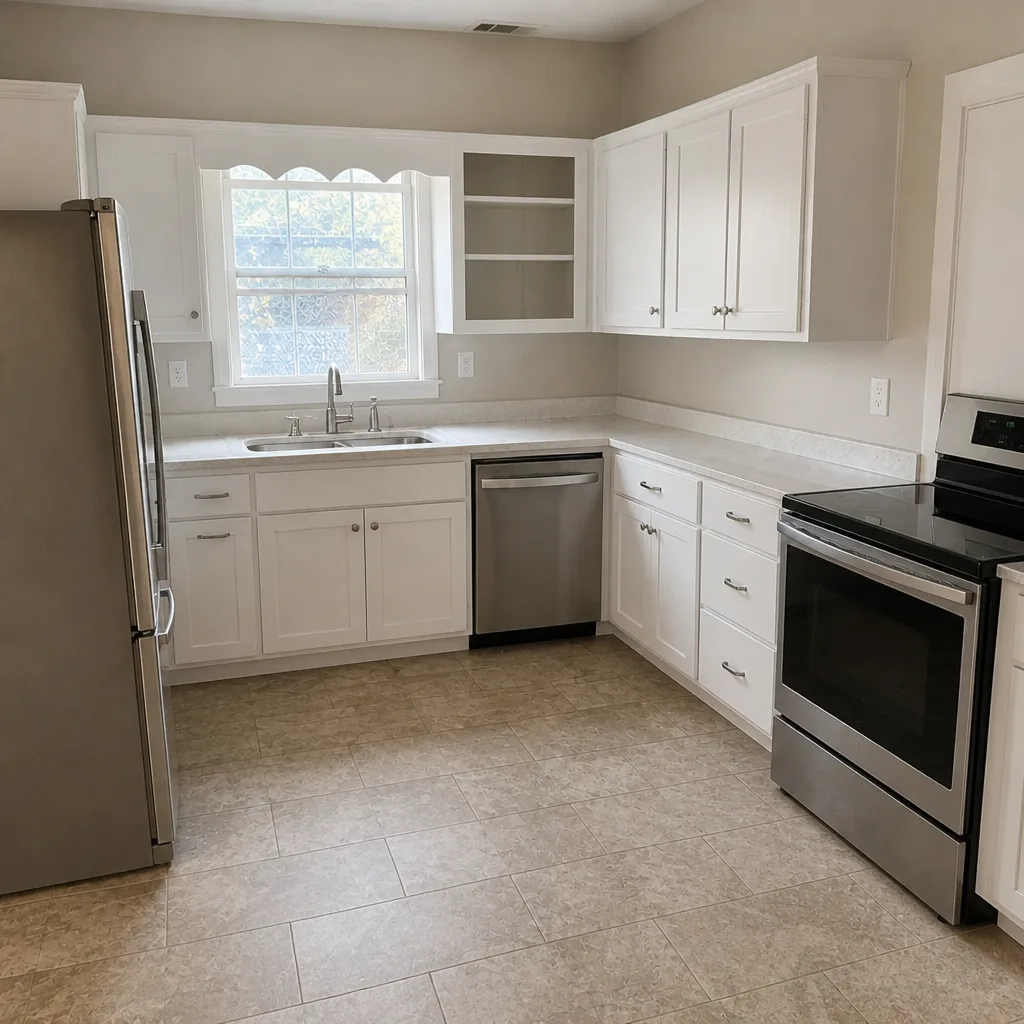 After
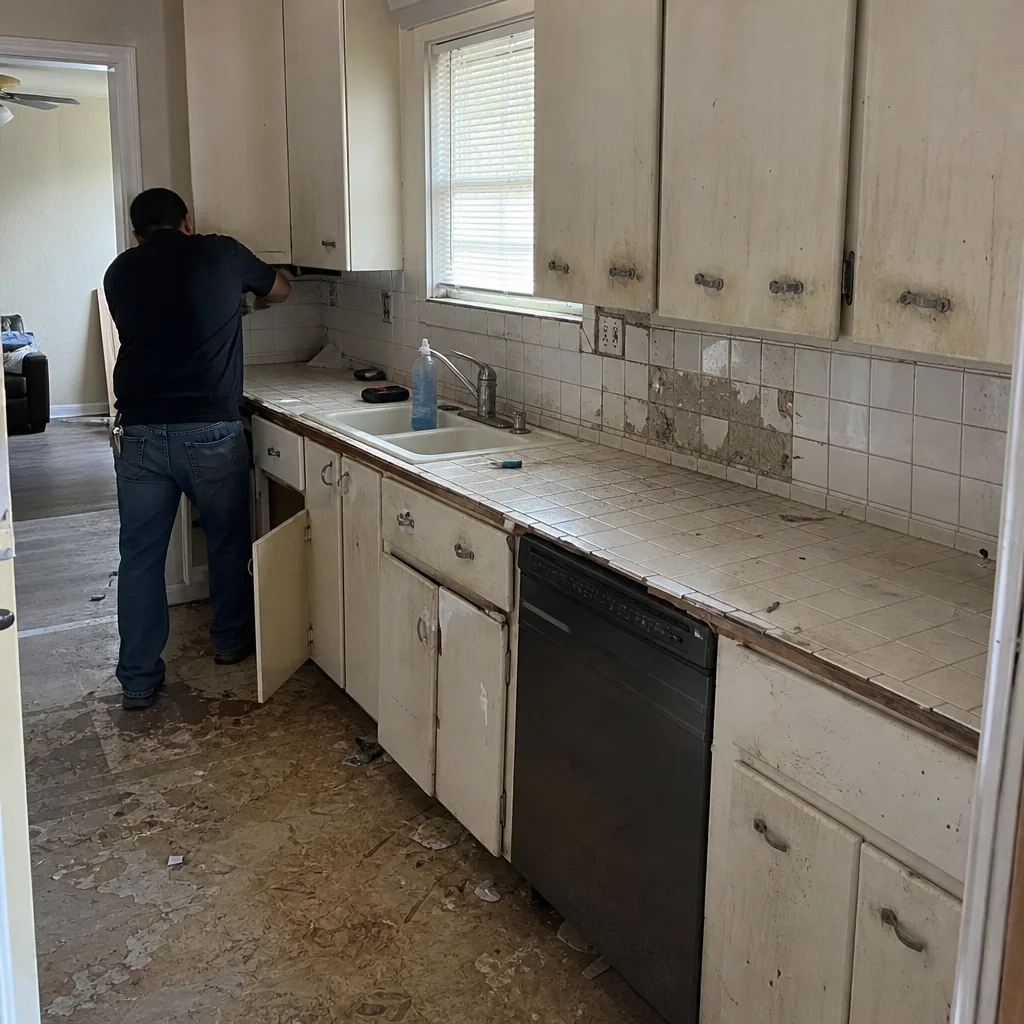 Before
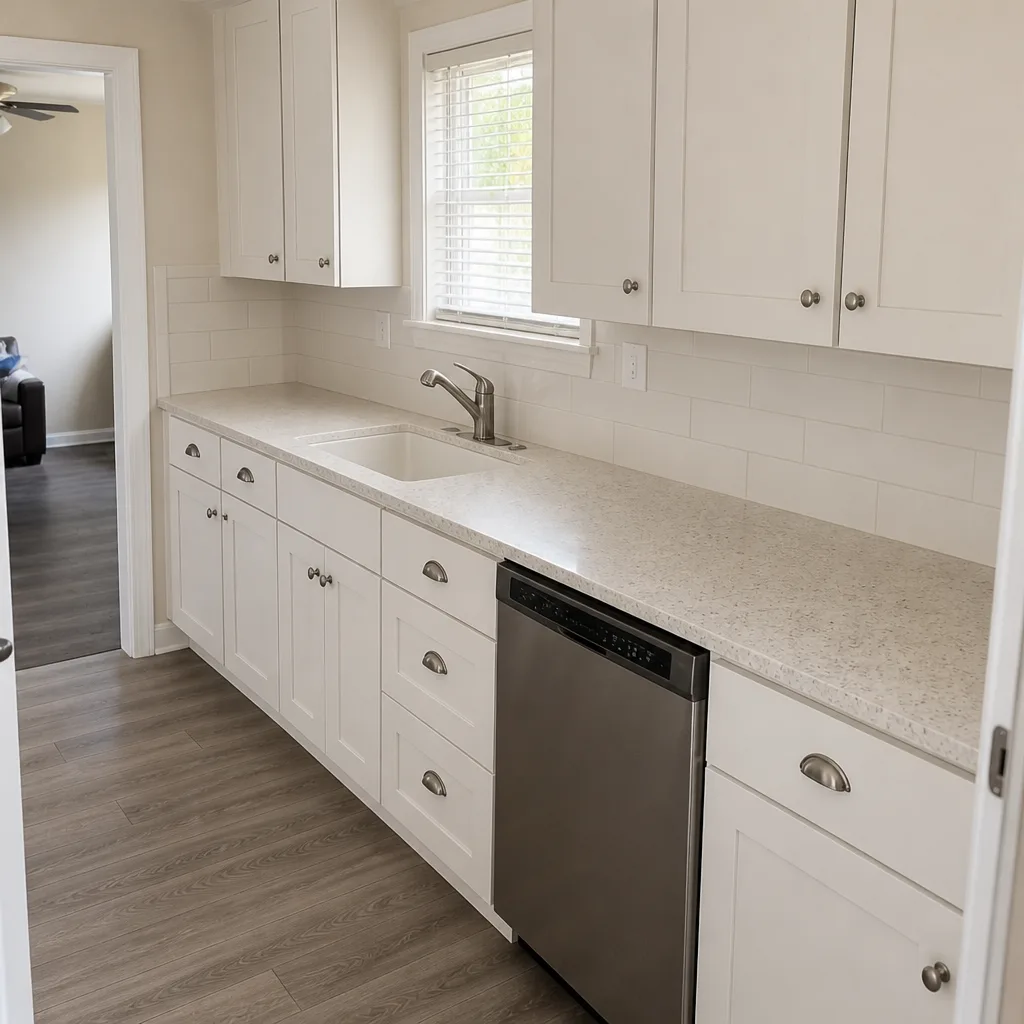 After
When to Call a Professional
Call a professional immediately for any foundation movement that shows as a crack wider than a quarter inch, a door that suddenly won’t close, a roof with visible sag or missing shingles, a fence blown down, or an HVAC failure during a heat wave. For structural shoring, the engineer comes before the contractor; for storm damage, the insurer notification comes before any permanent repair. If you’re unsure whether your situation crosses the line, err on the side of an inspection. Rowan Construction Group Dallas offers free estimates in Dallas and will review any written estimate line by line at no charge. Call (833) 954-5327 to schedule your free estimate. Our technicians have up to 19 years of experience, and every visit includes a documented photo record as standard.
Frequently Asked Questions

Foundation repair in Dallas is priced per pier installed, and the total depends on the linear footage of the failing area, the type of pier, and the engineer’s plan. Most written estimates in the Dallas market are in the thousands per pier, with the total running higher for larger or multi-level homes. The number you’re quoted should come with the engineer’s report and a written scope of work. Never accept a verbal price for foundation work. Call (833) 954-5327 for an exact quote; estimates are free.
Notify your insurer first, photograph the damage before touching anything, and make only temporary protective repairs like tarping. Do not let a roofer remove shingles or a contractor dispose of damaged materials before the adjuster has inspected them. Get a written contractor estimate as documentation, but don’t authorize permanent repairs until the adjuster has seen the evidence.
Yes. Foundation repair contractors in Texas must register through the Texas Department of Licensing and Regulation (TDLR). Ask for the registration number and verify it through the state database before work begins. The number on a business card is not proof; confirm it yourself. A crew that can’t produce a current registration should not be on your property.
Minor shingle repair, tarping, glass replacement, and temporary fence panels typically need no permit. Structural repairs, foundation work, and any repair to a load-bearing element require an inspection before work starts, and a licensed engineer’s plan where the structure has moved. Full roof replacements and any work that changes the footprint or replaces more than a threshold percentage of the assembly require a full permit and final inspection.
During a triple-digit heat wave, most Dallas HVAC contractors are booked and response times stretch to days. That’s why the emergency plan matters: have your unit’s model number written down, schedule a spring tune-up, and keep a backup window unit tested and ready. If the system is failing and it’s over 15 years old, get a written price for replacement before the second day of heat.
Yes. In Texas, you choose your contractor; your insurer cannot force you to use a preferred vendor. The insurer will write an estimate, and you can compare it with your own contractor’s written price. If the numbers diverge, that’s when an independent review helps. Rowan will review any competitor’s written estimate line by line at no charge. Call (833) 954-5327 to schedule.
The Bottom Line
Dallas construction emergencies come down to three events, each with its own script: foundation failure from our drought-and-flood clay cycles, hail damage with its insurance documentation sequence, and sudden HVAC failure that makes a hot house unsafe within hours. The preparation that matters is documentation and relationships. Build the document kit, keep it cloud-backed and printed, register the contractors you’d call before you need them, and know the Texas claim sequence that begins with insurer notification, not a repair. The homeowner who acts in the calm is the one who saves money in the storm. For a free written estimate with a scope and warranty in writing, call (833) 954-5327.
Written by the team at Rowan Construction Group Dallas.