Last updated November 17, 2026



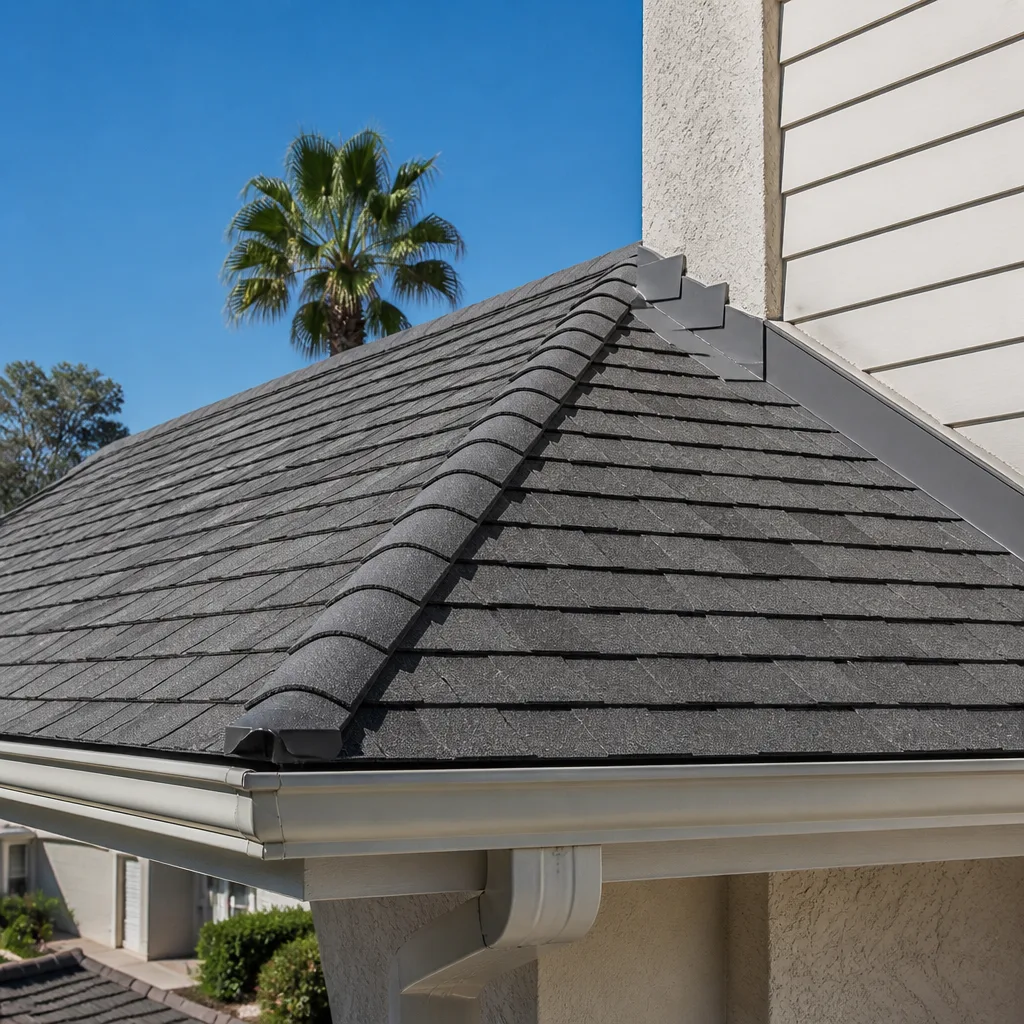

Free written scope consultation - allowances, timeline, and change-order rules on paper before a single trade is scheduled
Construction Warning Signs: A Dallas Homeowner’s Reference Guide
A Dallas homeowner signed a contract for a $180,000 home addition. The document included a single phrase – “time and materials” – with nothing capping the labor hours. The project finished. The final invoice read $247,000. The contractor hadn’t lied, hidden fees, or pulled a bait-and-switch. He simply billed the open-ended clause the homeowner had signed. The most expensive construction warning signs in Dallas don’t show up in conversation; they live in the paperwork. This guide teaches you to read the documents before the tools come out.
Quick Answer
The biggest construction warning signs for Dallas homeowners are contract language that shifts cost and schedule risk onto you (“costs may vary,” “subject to material availability,” “schedule is estimated”), bids built almost entirely on subcontractors with no direct GC liability, and draw schedules that front-load payments before work is done. Reading three documents – the contract, the bid breakdown, and the draw schedule – catches most five-figure problems before they start.
Styles & brands we work with
- Kitchen remodeling
- Bathroom remodeling
- Home additions & ADU
- Roofing
- Windows & doors
- Driveway & pavers
- Fence
Table of Contents
- Contract Language That Should Make You Stop Reading
- The Replacement Language That Actually Protects You
- How to Spot a Subcontractor-Heavy Bid
- Site Behavior That Predicts Schedule Slippage
- Material Substitution: Reading Invoices Against Spec Sheets
- What a Front-Loaded Draw Schedule Looks Like
- The Documentation Trail a Real Contractor Leaves
- Dallas-Specific Red Flags
Contract Language That Should Make You Stop Reading
Three phrases appear in nearly every problem contract we’ve reviewed on second opinions in Dallas, and each shifts a different category of risk onto you.
“Costs may vary.” This sentence, standing alone, is an open door. It tells you the final price can move in any direction, by any amount, with no ceiling. If the contractor later bills you $14,000 over the agreed figure for “unforeseen conditions,” the contract already allowed it. A real estimate names the price, names the scope, and states in writing what triggers a change order and how that change is priced before the crew touches a hammer.
“Subject to material availability.” Dallas sits in a competitive building market, and supply chains for brands like KraftMaid cabinets or GAF roofing do flex. But “subject to availability” as a standalone clause lets a contractor swap a specified product for a cheaper one with no credit back to you. The clause should state that substitutions require your written approval and any cost difference is credited or itemized.
“Schedule is estimated.” Every schedule is estimated. The problem is a schedule with no completion date and no remedy for delay. If your Dallas addition is scheduled for twelve weeks and eleven weeks pass with no consequence for the contractor, you have no leverage. Look for a stated substantial completion date and a delay provision, even a modest one.
Ask yourself one question per clause: if this goes wrong, who pays? If the answer is you, whether on cost, schedule, or product, that’s a warning sign. Bring any written estimate to us for a line-by-line review – free, no obligation, because the review costs us nothing and it protects the homeowner.
If your project involves an addition, the scope document matters as much as the price; see our guide to Home Additions & ADU in Dallas for what a complete scope looks like.
The Replacement Language That Actually Protects You
The remedy isn’t to distrust every contract. It’s to require language that pins risk to a mechanism. Here’s what the clauses should say – and this is exactly what a
well-written agreement does.
- For cost: “The total contract price is $X. Changes require a signed change order stating the work and the price before the work proceeds.” No signed change order, no charge. This is the discipline that keeps a project within a few percent of the agreed number.
- For materials: “All specified products are as listed in the attached spec sheet. Any substitution requires owner approval in writing, and savings are credited to the owner.”
- For schedule: “Substantial completion is scheduled for [date]. Delays caused by the contractor extend the schedule at no additional cost to the owner.”
- For warranty: A written workmanship warranty with a stated term, and a remediation path – fix it, or the guarantee is spelled out in terms, not covered by an asterisk.
Under our own Haven Standard, Clause 1 is simple: the price is written before anyone starts. Every Rowan quote is a flat price with a written scope and a written warranty, which means the contract already closes the three loopholes above. That’s why we publish a Free Second Opinion on any written estimate – bring the competitor’s quote and we’ll check whether it closes those loopholes or leaves them open.
How to Spot a Subcontractor-Heavy Bid
Most residential construction work in Dallas is performed by specialty trades, and that’s normal. The warning sign isn’t the use of subs – it’s a general contractor who holds no direct liability for the trade work and files the risk on you.
The tell is in the bid structure. A subcontractor-heavy bid will show a line item like “Plumbing – $4,200” with no named subcontractor, no license reference, no warranty pass-through. If the plumber’s work fails at year one, the GC has no contractual obligation to you if the contract says “subcontractors are independent and warrant their own work.”
Here’s what a homeowner should require:
- A named subcontractor for each major trade, or at minimum the statement that “all subcontractors are licensed, insured, and background-checked.”
- Language that the contractor is responsible for all work performed under the contract, including trade work, and will enforce sub warranties on your behalf.
- A lien waiver from each subcontractor at payment, so a sub you never hired can’t lien your property.
- Confirmation of general liability and workers’ comp carried by the GC and passed down to every sub.
Ask directly: “If the tile shower pan fails in year two, who do I call?” If the answer is “the tile guy,” the bid has already failed you. On a Dallas roof, that question matters even more – see Fence Installation in Dallas for why documentation on any exterior trade should be treated with the same rigor.
Site Behavior That Predicts Schedule Slippage
You don’t need to inspect the work to know whether a project is behind schedule. You can read it from the site itself.
One pattern shows up repeatedly in our second-opinion reviews: a site left unmanned for more than three consecutive business days during the first thirty days of a project predicts a sixty-day-plus overrun with disturbing regularity. That early window is when mobilization, sequencing, and material pulls either happen or stall. If the crew vanishes for a week and no one updates the schedule, the back half of the project absorbs the slip.
Watch for these behaviors:
- No staged material delivery. A project that should be framing in week two but has no lumber on site in week two is already slipping.
- Different faces every week with no lead. A rotating cast of subs with no consistent site lead signals handoff problems – the exact condition that generates delays.
- No photo record. We document every visit with a photo record included as standard, not an upgrade, because the customer should leave each week with evidence of what was found and what was done. A contractor who takes no photos has no record – and neither do you.
- No written schedule update. Ask for a written progress note each week; a contractor unable to produce one isn’t tracking the job.
A Dallas homeowner who wants to verify how a contractor works on a drive or hardscape project first should see Driveway & Pavers in Dallas – that’s where sequencing discipline shows up in plain view.
Material Substitution: Reading Invoices Against Spec Sheets
The invoice arrives, the project looks done, and the cabinets aren’t the cabinets you chose. This is the quietest warning sign in construction because it doesn’t fail loudly – it costs you value silently.
Here’s how to catch it. Before work starts, your spec sheet should name the brand and product: KraftMaid or Wellborn cabinets, Cambria or Caesarstone countertops, GAF or Owens Corning roofing. When the invoice arrives, compare the delivered product line by line against the spec sheet. Then match that line to the signed change order and to the subcontractor’s lien waiver, which documents what was actually installed and by whom.
A substitution becomes real and expensive when three documents tell three different stories – spec sheet says well-brand pavers, invoice says generic, and the lien waiver is silent. Require that every delivered product is documented on the spec sheet, every substitution is approved in writing, and the lien waiver is signed only after you’ve matched what was delivered.
In our experience on Dallas driveways and pavers, the concrete base is where substitutions hide – a less expensive aggregate or mix going down under the finished surface. If the invoice names a product like Quikrete or Sakrete without the specific mix, ask for it in writing. The paver surface is what you see; the base is what makes it last.
What a Front-Loaded Draw Schedule Looks Like
Draw schedules break payment into milestones. The question is whether each milestone is tied to completed work or to a date on the calendar. A calendar-driven schedule that front-loads payments is a warning sign.
Here’s a concrete example. A Dallas homeowner is quoted $60,000 for a small addition. The contractor’s draw schedule reads:
- Draw 1: $24,000 on signing (40%)
- Draw 2: $18,000 at week two “mobilization” (30%)
- Draw 3: $12,000 at framing (20%)
- Draw 4: $6,000 at substantial completion (10%)
By week two, the contractor holds 70% of the money while roughly 15% of the work is done. If the project stalls, you’re $42,000 in with foundation and framing and little leverage. That last 10% must be held until you sign off on punch list completion, warranty documents, and the final lien waivers.
The draw schedule should flip the proportions. Milestones tied to completed work:
- Draw 1: signing plus mobilization – deposit only, typically 10-15%.
- Draw 2: foundation and framing complete, inspected.
- Draw 3: rough trade work complete, permits inspected.
- Draw 4: finishes complete.
- Final: punch list signed off, warranty and lien waivers delivered.
A draw schedule heavy on the front end is one of the clearest construction warning signs in Dallas. A schedule that follows the work is the sign of a contractor who expects to earn the money.
If you’re comparing a full build-out against a smaller project, our Rowan Construction Group Dallas home page lays out the seven trades and how a flat written price applies to each.
The Documentation Trail a Real Contractor Leaves
A serious contractor in Dallas produces paper at every stage. Before work starts: a written flat price, a written scope, a written warranty, the named subs, and the draw schedule. During work: a documented photo record on every visit, weekly progress notes, signed change orders before any change proceeds. At the end: lien waivers, permit inspection records, and the warranty in hand.
Ask for that file at the start of the project. A contractor who can produce it without delay is a contractor who already keeps it. If you’re asked to accept a verbal scope and a check on a handshake, ask yourself what record you’ll have when the crew leaves – because that’s the record that protects you later.
Crews should be background-checked and uniformed, and a live person should answer the phone, not a machine cycling to a call center. Our technicians have up to 19 years of experience, and the standard we work to publishes the 365-Day Done Right Promise – if it isn’t done right, we make it right – on the terms page, not the asterisk.
Dallas-Specific Red Flags
Some warning signs are specific to building in Dallas. The clay soil here swells and shrinks with moisture, and any foundation scope that doesn’t mention soil movement or drainage is written for a different climate. A bid with no drainage line item, no mention of yard grading after excavating, and no reference to how the soil will be managed is a bid that will bill you for “unforeseen” site conditions later.
Dallas summers hit well over one hundred degrees, and exterior trades – roofing, pavers, fence posts – can be set during cooler seasons for better bonding and less risk of heat-related workmanship problems. A contractor who schedules a paver installation in the middle of August with no heat-management plan is one who is rushing a schedule.
And permits. Dallas requires permits for structural additions, some fencing work, and many hardscape projects, and a contractor who suggests skipping the permit to “save time” is one who has decided the inspection record doesn’t matter. That record is your proof the work was done to code when you someday sell. For a fence, a solid install starts with knowing the local setback rules and permit lines – our Fence Installation in Dallas page covers what to verify before posts go in.
Common Mistakes to Avoid
- Signing a contract with “costs may vary” and no ceiling. A price range can shift by thousands with a single clause. Require a flat written price or a clearly defined cap before any signature.
- Accepting a bid with no named subs and no liability pass-through. If the GC won’t take responsibility for the plumber’s work, you’re the one who holds the risk.
- Approving a 40% deposit. Dallas contractors don’t need 40% to mobilize. A 10-15% starting point with work-tied draws is standard, and holding the last 10% until punch list closeout keeps the job honest.
- Ignoring a site that goes quiet in the first 30 days. Three consecutive unmanned business days early is a documented predictor of sixty-day overruns. Ask for a schedule update in writing.
- Skipping the permit. A Dallas permit and its inspections are the record you’ll produce at resale. A contractor who offers to skip it has removed a safeguard you paid the city for.
- Paying a final draw before lien waivers. A signed waiver from every sub and supplier is the only proof you won’t get a lien against the property after the crew leaves.
- Not asking for a photo record. Every visit should produce photo evidence of what was found and what was done. Without it, your only record of the work is the finished surface.
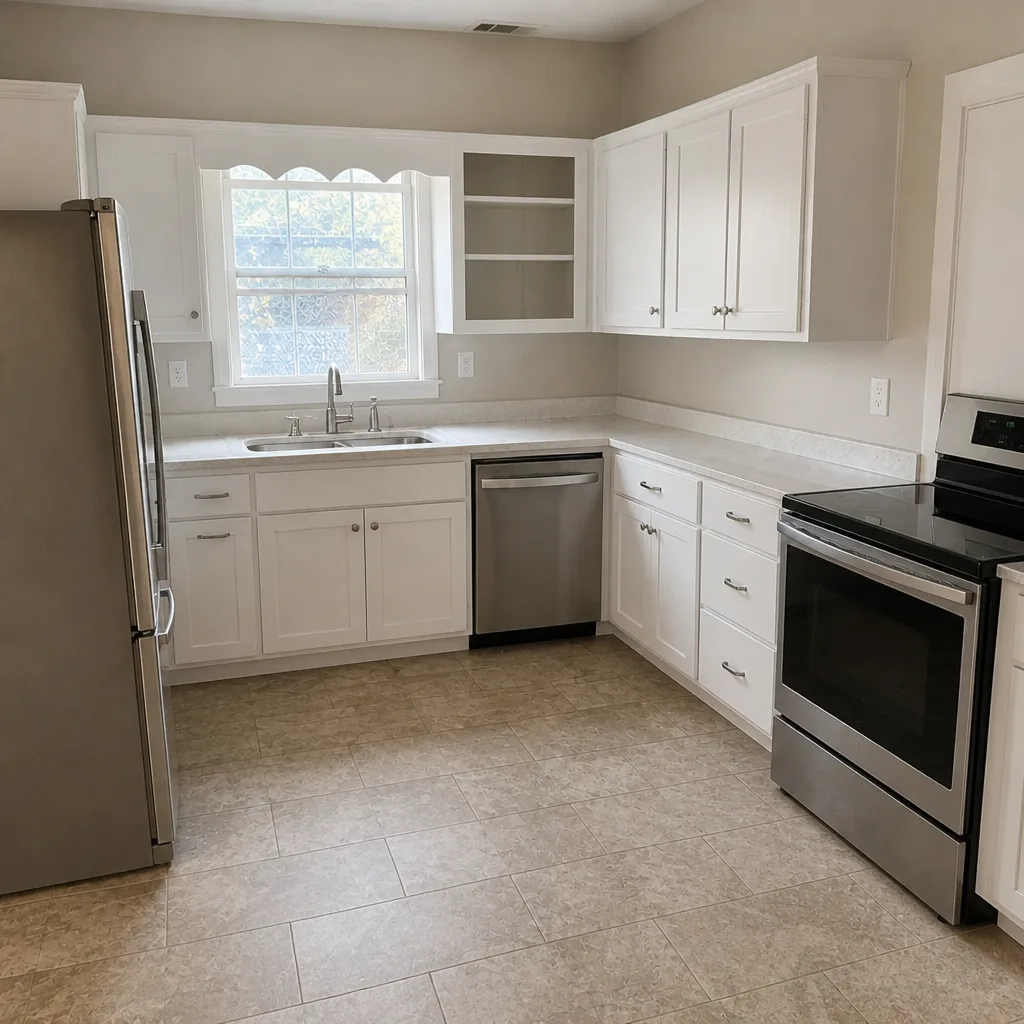
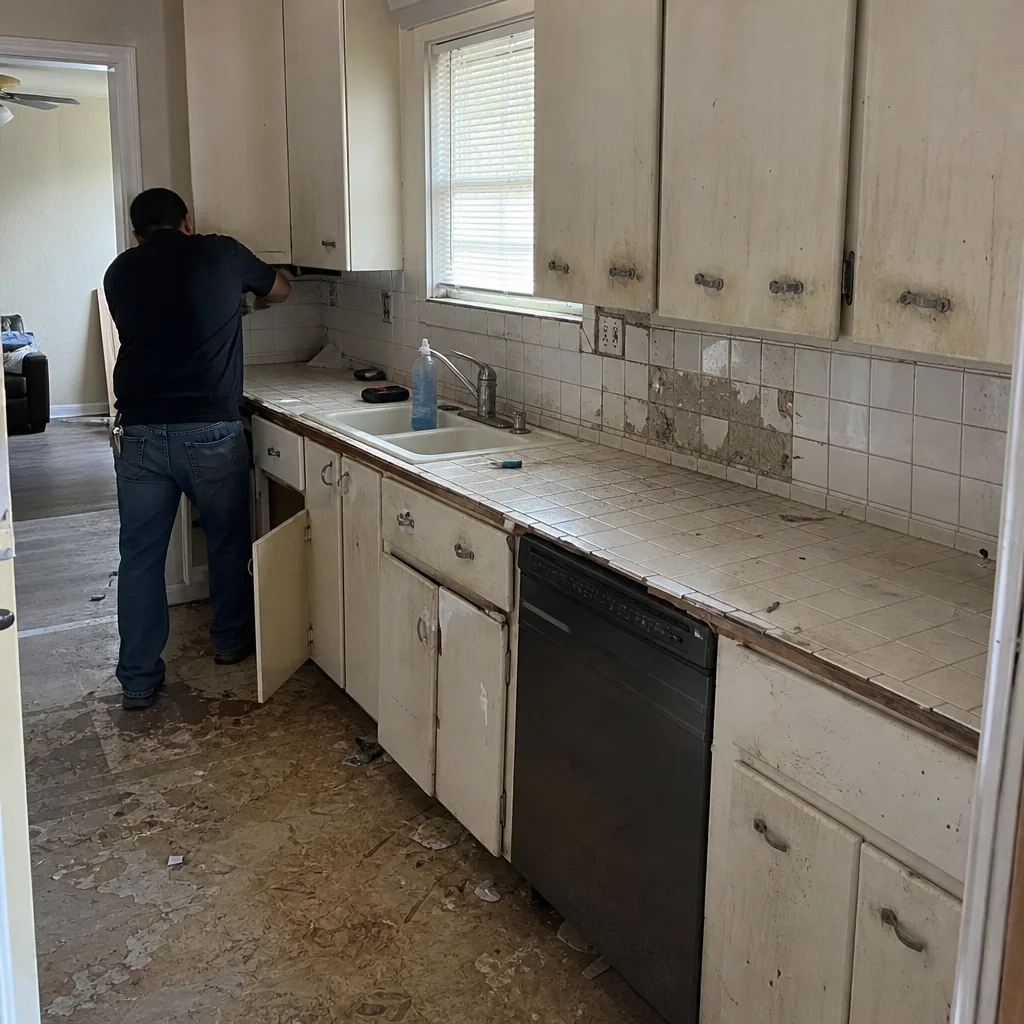
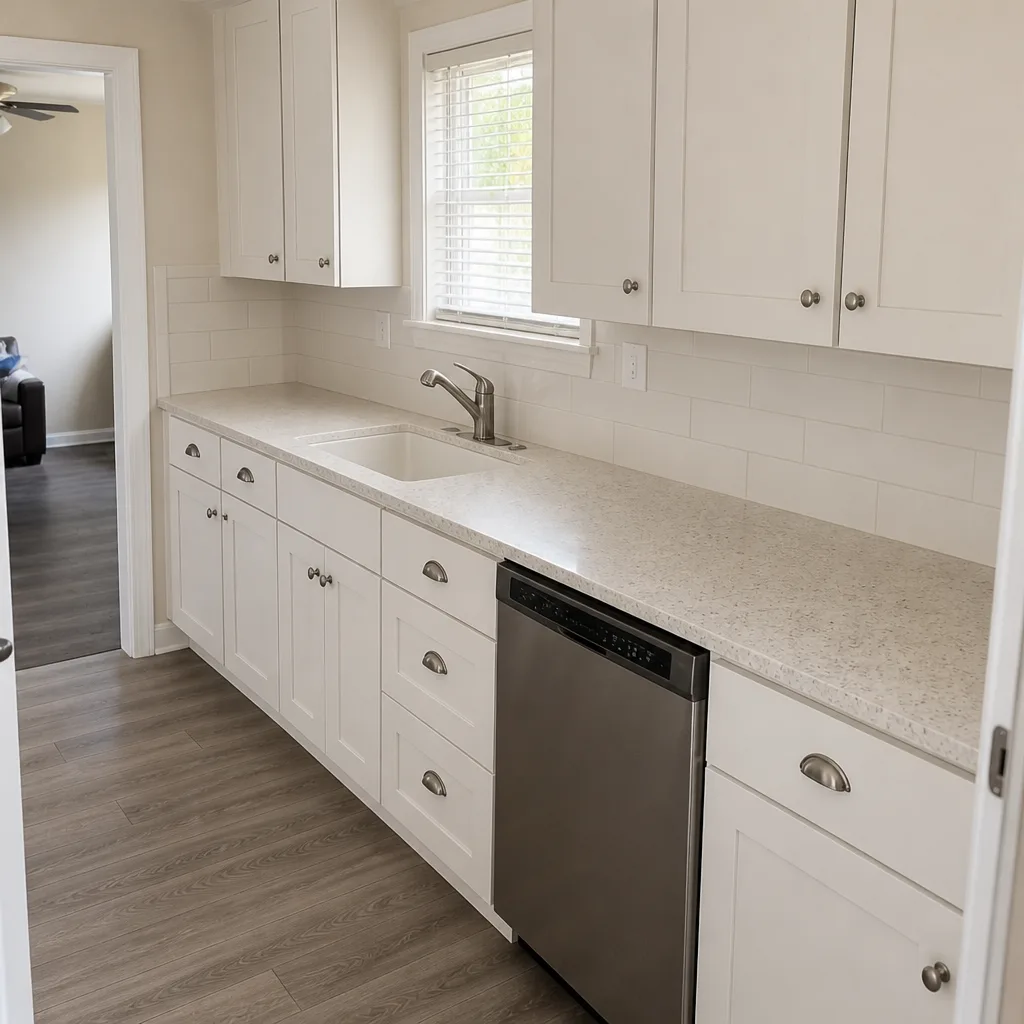
See the difference
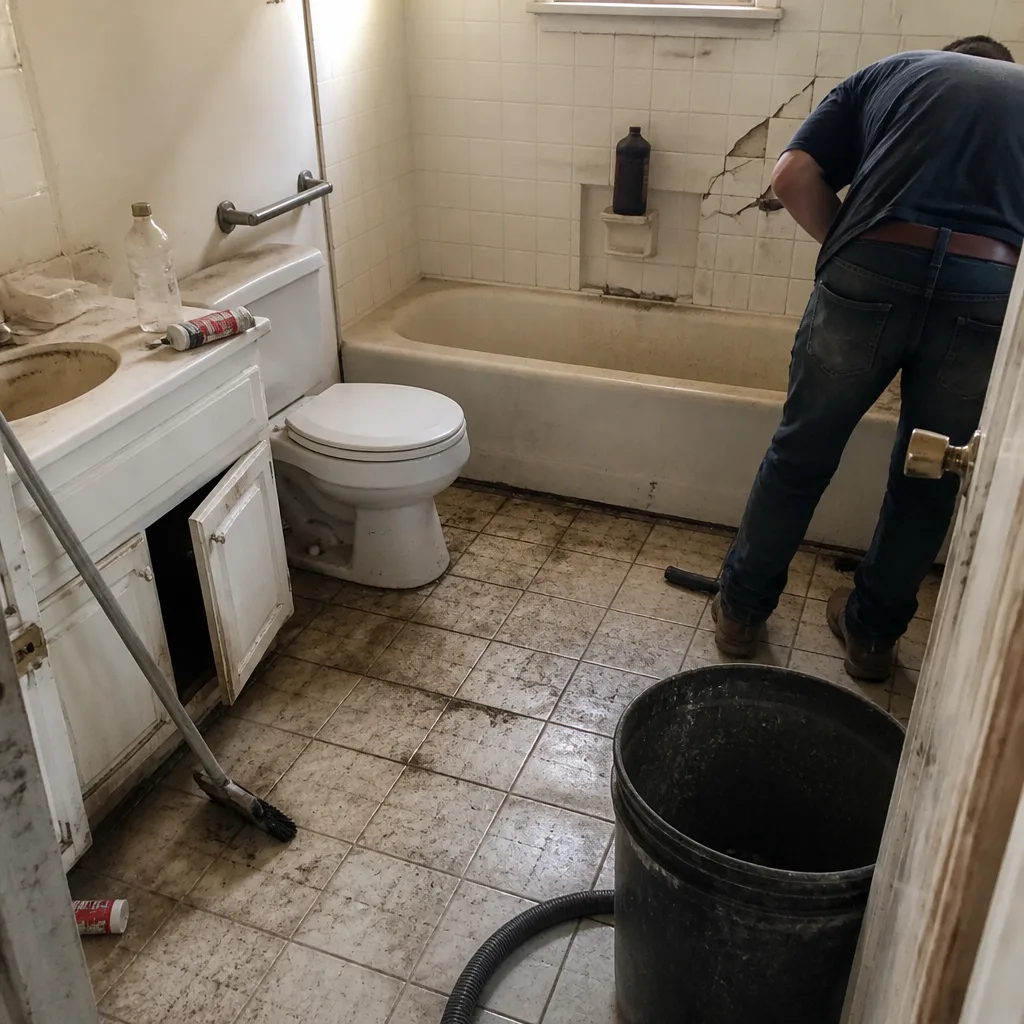 Before
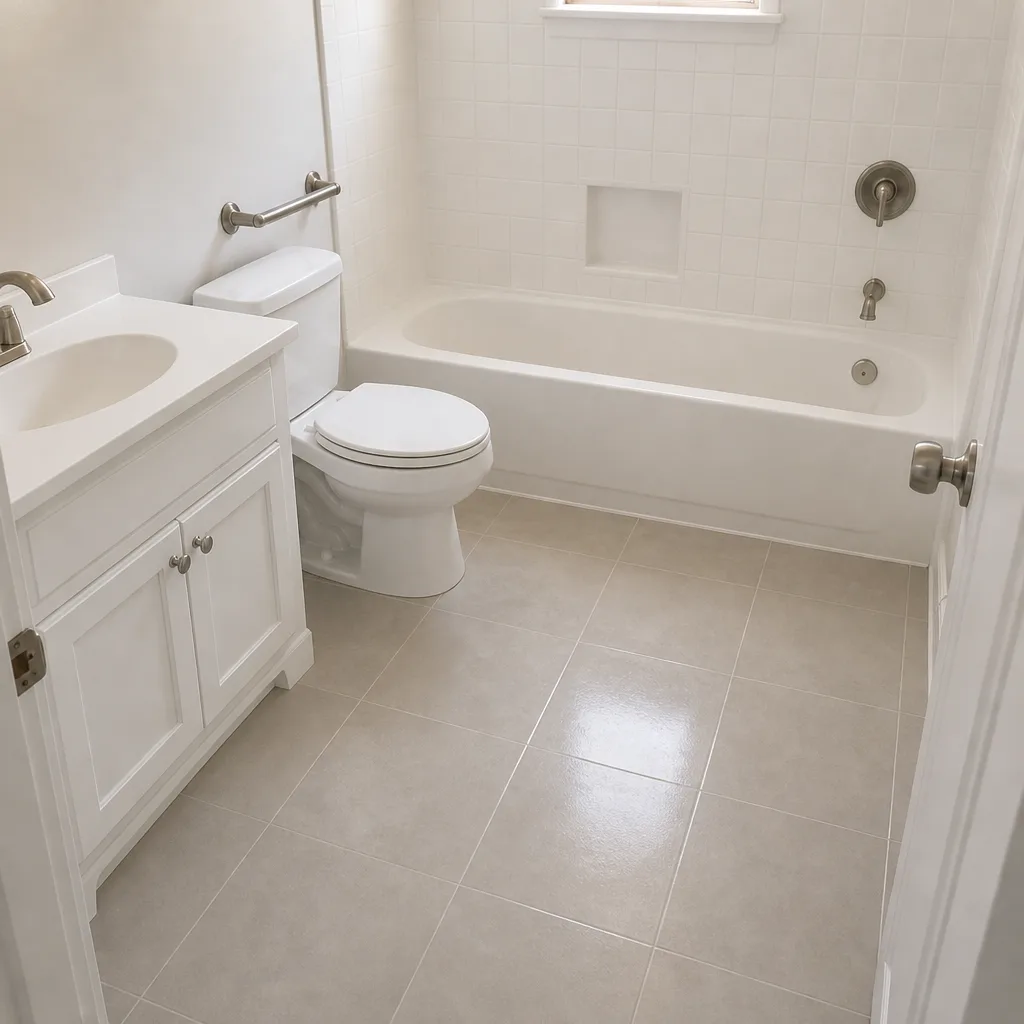 After
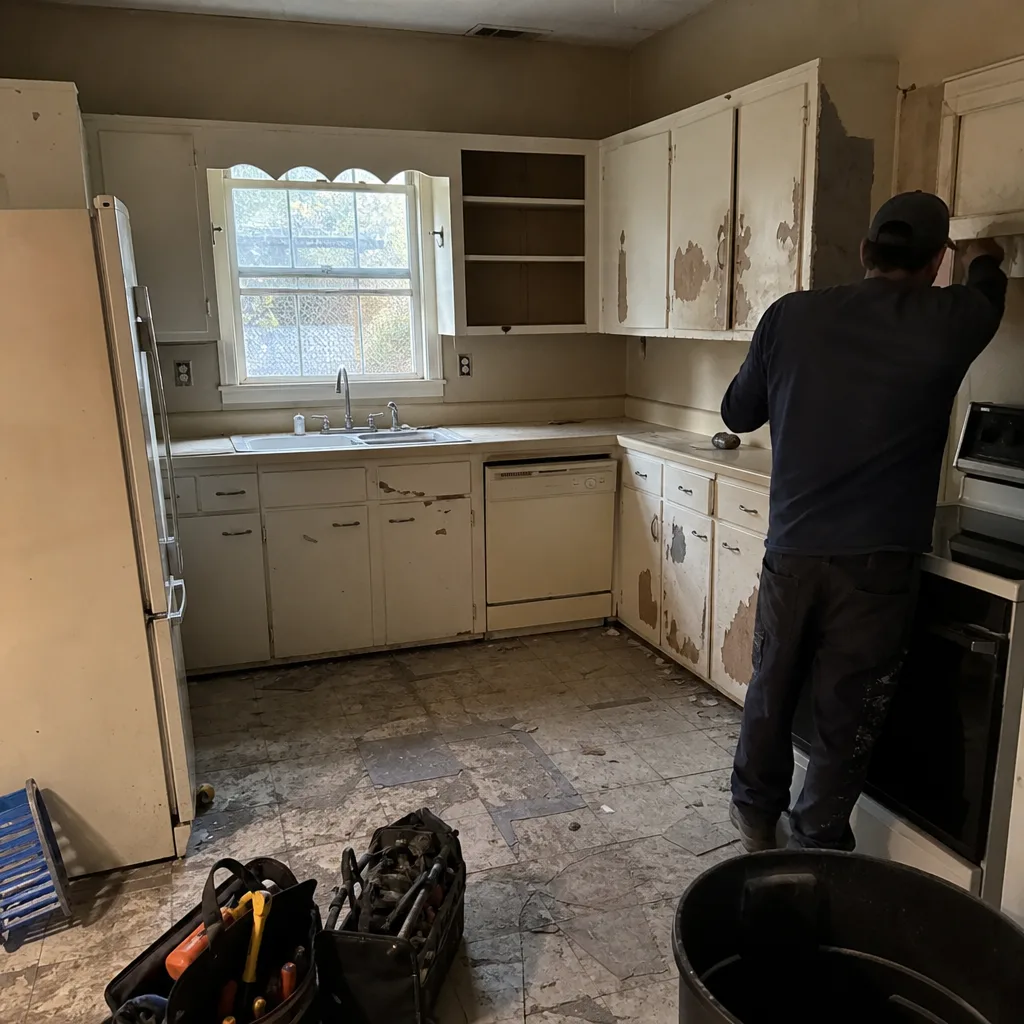 Before
 After
 Before
 After
When to Call a Professional
Some warning signs are documents, but some require a trained eye to catch before the paperwork confirms the worst. If you’ve gotten a bid with an open-ended “time and materials” clause on an addition or a structural change, if your draw schedule shows more than a third of the money paid before the foundation is done, if you’re being told to skip a Dallas permit, or if a site has gone quiet in the first month with no written progress update, that’s the moment to bring in a professional review.
Rowan Construction Group Dallas offers free estimates in Dallas, including a Free Second Opinion on any written estimate. Bring a competitor’s quote and we’ll review it line by line – contract language, bid structure, draw schedule, and documentation – at no charge. Call (833) 954-5327 to schedule your free estimate.
Frequently Asked Questions
The open-ended “time and materials” clause with no labor cap. It removes the ceiling on the final price and lets cost rise past the agreed figure with no signed change order. Require a flat written price with a defined scope and a change-order process before signing; call (833) 954-5327 for a free review of any written estimate.
A Dallas home addition typically runs from $140,000 to $300,000-plus depending on square footage, foundation conditions, and finish level, and the range narrows sharply once scope is documented. The cost side of the estimate matters less than the clause mechanism: a flat price with a signed change order is what keeps the final invoice inside the range. Call (833) 954-5327 for an exact written quote – estimates are free.
It shouldn’t if the contract is written correctly. A disciplined contractor prices the work before it starts and requires a signed change order for any change in scope or cost. Bring your existing contract to us for a free second opinion on the change-order clause and the draw schedule – call (833) 954-5327.
Yes, the contractor should pull every required permit for structural work, and the inspection record should be handed to you at closeout. A bid that says “no permits needed” for a habitable addition is a warning sign. We pull and document permits as part of the job; call (833) 954-5327 to talk through your project.
Look for line items that name no subcontractor, no license reference, and no warranty pass-through. If the contract says subcontractors warrant their own work, you hold the risk if a trade fails. Ask who you call at year two; a contractor who will accept that responsibility will say so in writing. Call (833) 954-5327 for a free line-by-line review.
A typical Dallas addition runs four to six months for permitting, foundation, framing, trades, and finish, though a site that goes quiet for more than three consecutive business days in the first thirty signals a longer overrun. A written substantial completion date and a delay provision in the contract protect you. Call (833) 954-5327 for a written timeline and a flat price before any work starts.
The Bottom Line
Most construction warning signs in Dallas are technical, not conversational. Read the contract for open-ended cost language, read the bid for named subs and liability pass-through, read the draw schedule for payment that leads the work, and read the invoices against the spec sheet and lien waivers. Watch the site for the first thirty days – a quiet site predicts a long overrun. The documents tell you what conversations never will. If a clause makes you unsure who pays when something goes wrong, that’s your signal to get a second opinion before signing.
Rowan Construction Group Dallas delivers a flat written price before any work starts, on every trade, and a Free Second Opinion on any written estimate. Call (833) 954-5327 to schedule your free estimate in Dallas.
Written by the team at Rowan Construction Group Dallas.