Last updated November 17, 2026



Free written scope consultation - allowances, timeline, and change-order rules on paper before a single trade is scheduled
The Complete Guide to Construction in Dallas
Dallas construction isn’t one market. It’s seven trade environments running on different clocks, and they collate. A homeowner who books a general contractor in February and expects a June completion is planning against a 6-to-10-week concrete and framing labor backlog that tightens every spring across North Texas. The drywall goes up late because the rough-in trades were scheduled against a crew that got pulled to a Plano job. The tile arrives late because the supplier quoted a national average lead time, not a Dallas one. This guide maps those dependencies so you can read a project schedule and see exactly where the risk sits before the first invoice arrives.
Quick Answer
Construction in Dallas is governed less by the trades themselves than by sequencing: HVAC and electrical rough-in must be locked to the same calendar window or the whole schedule cascades, permit review cycles in Dallas, Plano, Frisco, and McKinney run different lengths, and expansive Blackland Prairie clay forces a soil report and often a drilled-pier foundation before a slab can be poured. A realistic Dallas residential timeline accounts for all three, plus material lead times from local suppliers that frequently diverge from the national number a sales rep quotes you.
Styles & brands we work with
- Kitchen remodeling
- Bathroom remodeling
- Home additions & ADU
- Roofing
- Windows & doors
- Driveway & pavers
- Fence
Table of Contents
- Why trade sequencing controls your Dallas schedule
- Expansive clay and why Dallas foundations aren’t simple
- Permit timelines: Dallas versus Plano, Frisco, and McKinney
- 2025 – 2026 material lead times from Dallas-area suppliers
- How to read a scope-of-work section before you sign
- The seven trades, and where each one fails
- What Dallas construction work actually costs
Why trade sequencing controls your Dallas schedule
The single most common cause of residential delays in DFW has nothing to do with materials or weather. It’s the HVAC rough-in and electrical rough-in fighting over the same calendar window. Both trades need the same open framing, both need the same inspection slot, and both are staffed by subcontractor pools that overlap. When one slips, the other moves to the next open slot, and the drywall crew behind them gets pushed a week, then two.
Here’s how a well-sequenced Dallas project actually reads:
- Foundation and framing – locked first, with a concrete pour date confirmed in writing before framing lumber is ordered.
- HVAC rough-in and electrical rough-in – scheduled in the same two-week window, with a backup crew named for each.
- Plumbing rough-in – runs parallel to electrical where the plan allows, which is why pre-construction coordination matters.
- Rough-in inspection – booked as a single appointment covering all three trades. Splitting these appointments is where most schedules bleed.
- Insulation and drywall – only after the inspection card is signed. Rushing this step means tearing out drywall later.
- Finishes – cabinets, countertops, fixtures. This is where lead times from the next section bite.
In our experience, the projects that finish on time are the ones where the rough-in trades were scheduled against each other, not one after the other. If your contractor’s schedule shows HVAC finishing before electrical starts, ask why. That single question surfaces more scheduling risk than any other.
Expansive clay and why Dallas foundations aren’t simple
Dallas sits on Blackland Prairie soil, a clay-heavy geology that swells when it’s wet and shrinks when it dries. During a North Texas summer, that clay can move an inch or more under a slab. Build on it without accounting for the movement and you get the hairline cracks, sticking doors, and out-of-level floors that show up in Dallas homes built cheaply in the 1990s and 2000s.
What that means for a real Dallas project:
- A soil report comes before foundation design. A geotechnical engineer samples the site and reports the clay content and plasticity index. Most general guides skip this step entirely, and it’s the step that determines whether you need a drilled-pier foundation or a conventional slab.
- Drilled piers reach below the active clay layer. Piers are bored down to stable soil and poured with rebar, so the building loads sit below the zone that moves seasonally.
- Drainage is part of the foundation. Grading that pushes water away from the slab, plus gutters that discharge well clear of the footprint, keep the clay from cycling wet and dry under one corner of the house.
We’ve watched homeowners approve a foundation plan that never mentioned a soil report, then spend the next decade patching cracks in the drywall above. Ask for the geotechnical report by name. If it doesn’t exist, that’s your first warning sign, and it’s worth a second look before you sign anything. This same caution applies to any structural work, from a slab extension to a full Home Additions & ADU in Dallas project, since both start with the same soil conditions underneath.
Permit timelines: Dallas versus Plano, Frisco, and McKinney
Permit review isn’t a single number. It’s a different cycle in every municipality, and treating them as interchangeable is how schedules get promised that nobody can keep. The City of Dallas, Plano, Frisco, and McKinney each run their own review process, their own plan-check backlog, and their own inspection scheduling. A project that sails through one can stall in another on the same drawings.
What you should expect when you’re building or remodeling:
- Plan review differs by scope. A structural addition or an ADU triggers a longer review than a cosmetic kitchen refurbishment in the same jurisdiction.
- Inspection scheduling runs on its own clock. Once the permit is issued, rough-in inspections in the larger municipalities can book days out, so the contractor has to schedule the trades around the inspection slot, not the reverse.
- Suburban cycles aren’t faster by default. A smaller suburb can have a faster review but a tighter inspection window, because the department is smaller.
Ask your contractor which jurisdiction the permit is filed in, and whether they’ve pulled one there recently. The answer tells you whether the review cycle they’re quoting is documented or a guess. Under Clause 1 of the Haven Standard, the price is written before anyone starts; on a permit-driven job, the permit timeline should be written into the schedule the same way.
2025 – 2026 material lead times from Dallas-area suppliers
National lead-time averages mislead. A cabinet manufacturer’s published number reflects a national distribution pattern, but what actually matters is how the product flows through a Dallas-area supplier. Local lead times depend on what’s stocked in the regional warehouse, what’s being trucked from a plant in another state, and what’s on allocation.
Here’s what we see for the top materials on a typical Dallas residential job:
- Cabinets – KraftMaid and Wellborn stock patterns ship faster than semi-custom, but any custom door style pushes the number out by weeks. Countertop templating can’t happen until cabinets are set, so the two finish steps compound.
- Countertops – Cambria and Caesarstone slabs are typically available from regional stone yards, but the fabricator’s template-and-install cycle, not the slab, is the bottleneck.
- Roofing – GAF and Owens Corning shingles are common enough that stock is rarely the problem; the crew is.
- Windows and doors – the longest lead item on most exterior work. Measure and order early.
- Fixtures – Moen, Blanco, Delta, and American Standard faucets and sinks generally ship quickly, but specific finish combinations can backorder.
- Pavers – Belgard and Techo-Bloc stock flow through regional distributors, though color-specific runs sell out in peak season.
The rule: get the lead time in writing from the supplier your contractor will actually order from, not from a national catalog. A Driveway & Pavers in Dallas project ordered in April and installed in June sees a different availability picture than one ordered in November, so the schedule should reflect the season.
How to read a scope-of-work section before you sign
The scope-of-work section is where a contractor tells you what’s included. The gap between what’s written and what you assumed is where change orders come from. Read it line by line and ask which trades it covers.
What to check:
- Every trade named individually. HVAC, electrical, plumbing, insulation, drywall, cabinetry, countertops, flooring, painting. If a trade isn’t listed, it isn’t in the price.
- Inclusions and exclusions in plain language. “Electrical rough-in” means something specific: it covers the wire and boxes, but not the finished fixtures unless those are named.
- Permit responsibility. Who pulls the permit, and who pays the fee. If it’s not stated, assume you’re paying.
- Change order process. No work should proceed on a change until the change order is signed. That discipline is the whole reason projects finish within a few percent of the agreed cost.
- Written warranty. A warranty you can read is different from a warranty you’re told about.
A written price with a written scope and a written warranty is the baseline. If a contractor won’t put the scope in writing, the number in the quote is an estimate of an estimate, and you’ll find out which line items were missing when the first change order arrives. Our Rowan Construction Group Dallas home page lays out the standard terms if you want to compare formats. If you already have a quote from someone else, we’ll review it line by line at no charge, which is a good way to catch a missing trade before the contract is signed.
The seven trades, and where each one fails
Most of what we do falls into seven residential trades, and each one has a failure point you can plan around. Here’s where each one tends to go wrong in Dallas:
- Kitchen remodeling fails on sequencing: cabinet delivery lands before countertop templating can be scheduled, and the two slip together. A Kitchen Remodeling in Dallas project lives or dies on the order those two are booked.
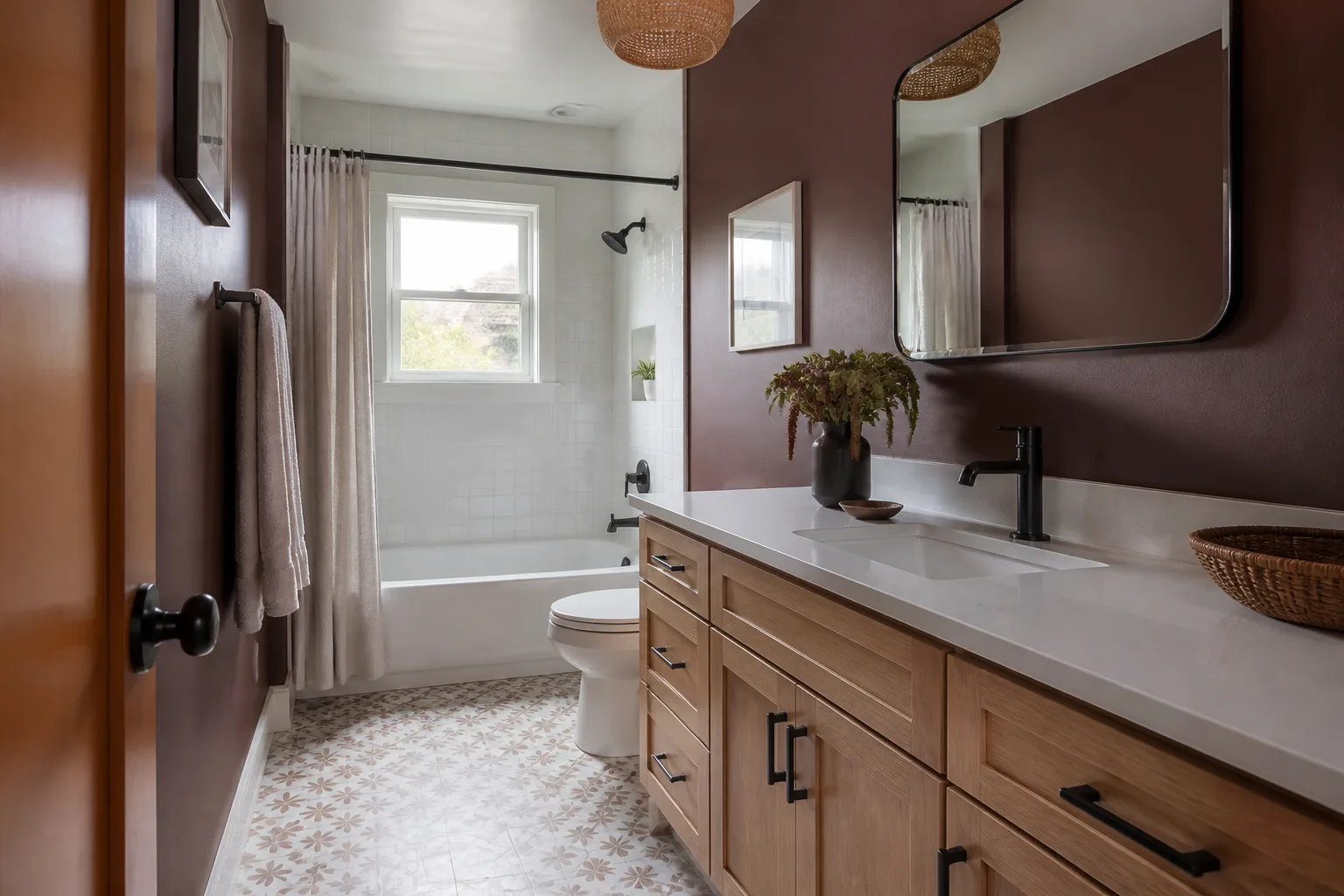
- Bathroom remodeling fails on the waterproofing membrane. Skipping a proper tile substrate and membrane means the leak appears two years later, under the tile. Every tile setting has a membrane behind it, and it’s worth looking at the installed product, not just the invoice.
- Roofing fails on the layer count. Dallas hail is hard on shingles, and a roof that gets a second layer over a first has less capacity for the next repair. Ask how many layers are on the roof now and what the plan is for the next one.
- Windows and doors fail on lead time and on flashing. Order early, and check that the flashing detail around the opening is written into the scope.
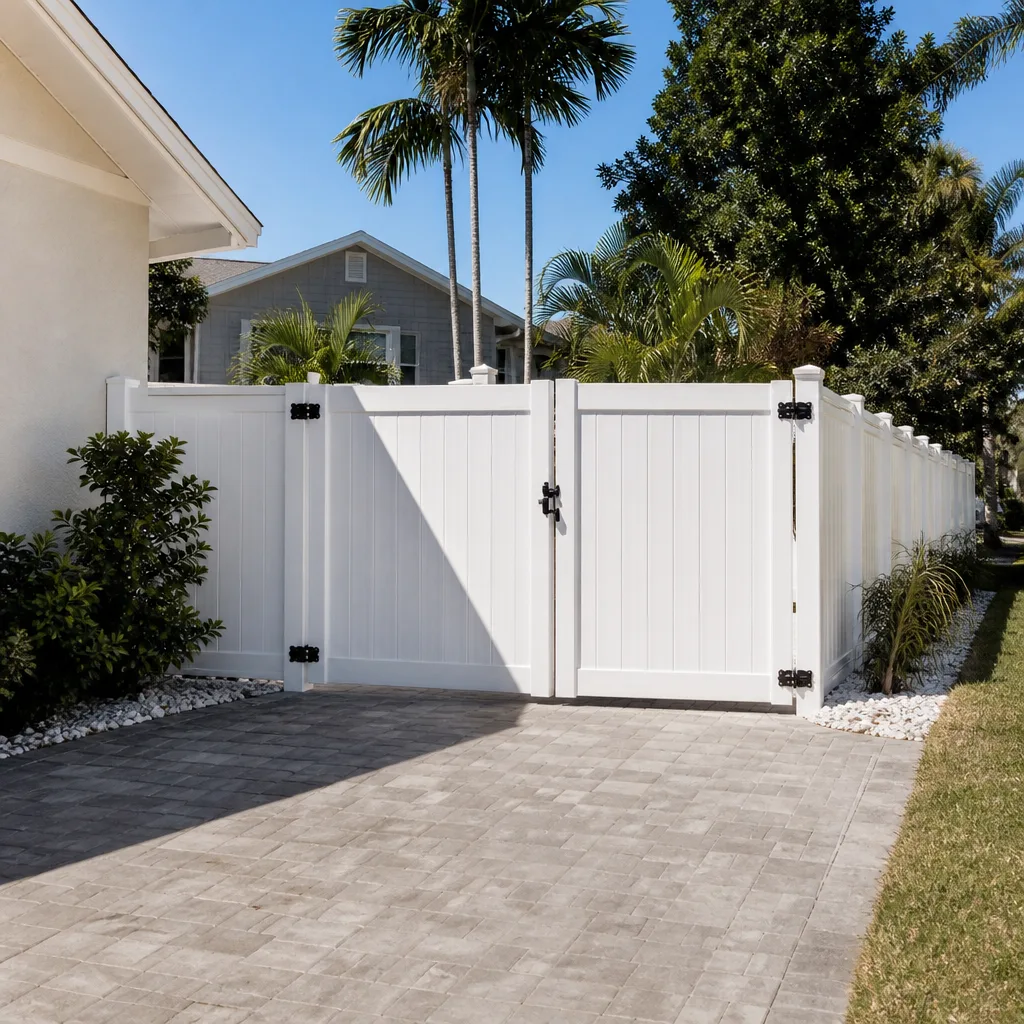
- Fence installation fails on post setting. Clay soil and a shallow post are a poor match; fencer depth and concrete matter more than picket style. See Fence Installation in Dallas for the structural considerations.
- Driveway and pavers fail on base prep. A paver driveway is only as good as the compacted base beneath it, and that base has to account for the same clay movement as a foundation.
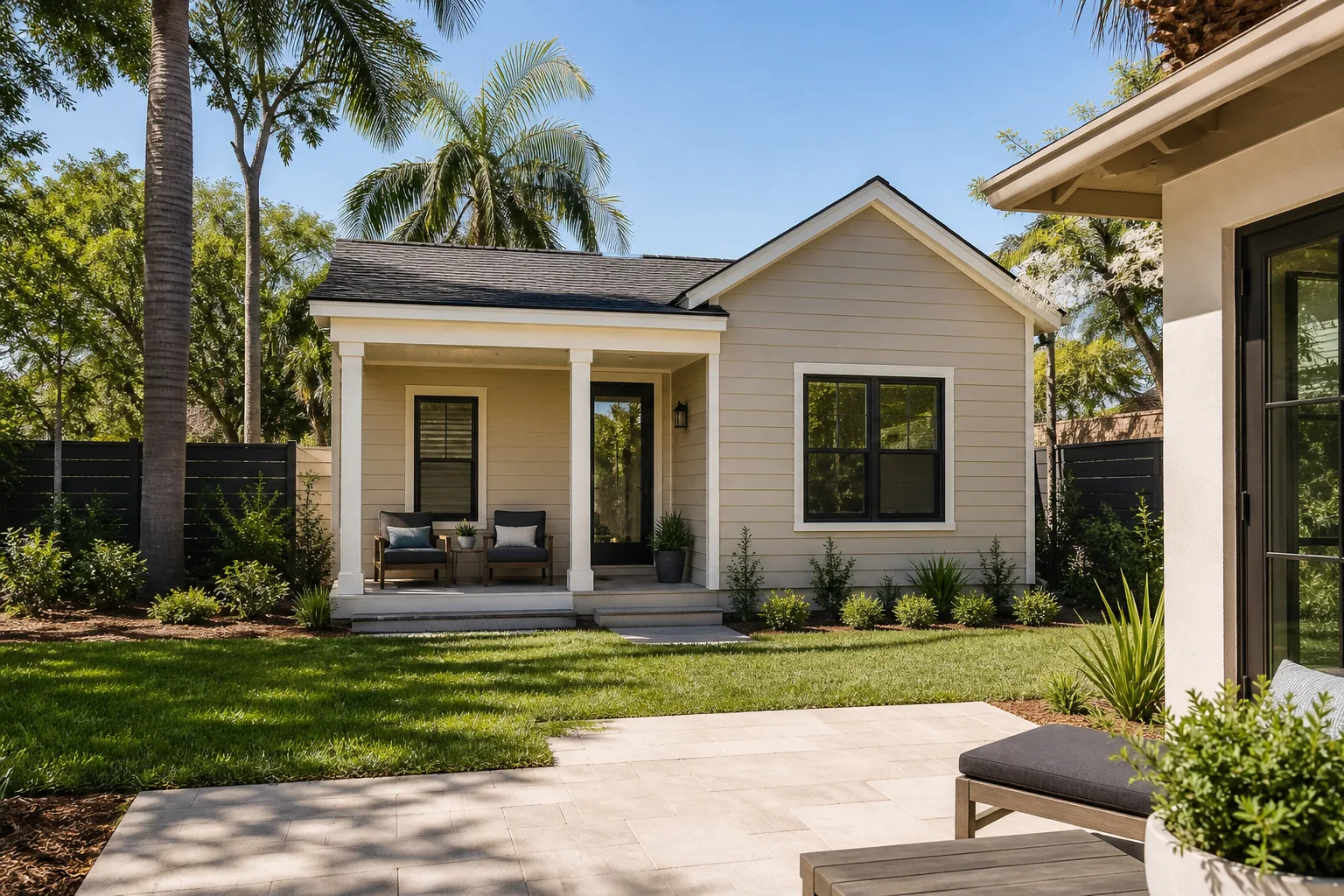
- Home additions and ADUs fail on the permit and the soil report, in that order. The Home Additions & ADU in Dallas page walks through which jurisdictions run which review cycles.
Each trade has a counterpart in the others, and that’s the point. Kitchen cabinet delay pushes countertop installation, which pushes final plumbing trim, which pushes the final inspection. Reading the whole schedule, not each line item, is how you see the risk.
What Dallas construction work actually costs
These are line-item ranges we see on Dallas jobs, given as flat written prices with a written scope. They move with the season, the supplier, and the specific finish selections, so treat them as the band you should expect, not a quote.
| Item | Typical Dallas range |
|---|---|
| Kitchen remodel (mid-range, full) | $28,000 – $65,000 |
| Bathroom remodel (full, tile and fixtures) | $12,000 – $30,000 |
| Roof replacement (asphalt, single layer) | $9,000 – $18,000 |
| Window replacement (per opening) | $500 – $1,200 |
| Fence installation (per linear foot) | $25 – $55 |
| Paver driveway (per square foot) | $8 – $18 |
| Room addition (per square foot) | $180 – $350 |
| ADU (per square foot, finished) | $200 – $400 |
The band matters less than what’s inside it. A kitchen remodel at the low end and one at the high end are different jobs: one has KraftMaid stock cabinets and laminate counters, the other has custom fronts and a Cambria slab. The written quote should name the products so you can compare line items between contractors rather than comparing totals.
Common Mistakes to Avoid
- Approving a foundation without a soil report. Blackland Prairie clay is the most expensive soil in the region to undersize a foundation for, and the report is the only way to know what you’re building on. If it’s not in the file, ask for it before the pour.
- Scheduling HVAC and electrical rough-in in sequence. They need to share a window and an inspection appointment. Ask for the schedule to show them overlapping, with a named backup crew for each.
- Treating Dallas and Plano permit timelines as the same. Each jurisdiction runs its own plan-check cycle, and a schedule that assumes uniformity will miss. Ask which jurisdiction and how long the review runs.
- Using national lead-time averages for local orders. The number that matters is the one from the Dallas-area supplier your contractor will order from, in writing, at the time of order.
- Signing a scope that lists trades in groups instead of individually. “Mechanical, electrical, and plumbing” hides whether plumbing trim is included. Every trade gets its own line.
- Letting a trade finish before the rough-in inspection is signed. Insulation and drywall over an unsigned inspection card means tearing the wall back open. The card gets signed first.
- Comparing contractors on total price instead of line-item product and scope. A low total with missing line items costs more than a high total with a full scope, every time.
See the difference
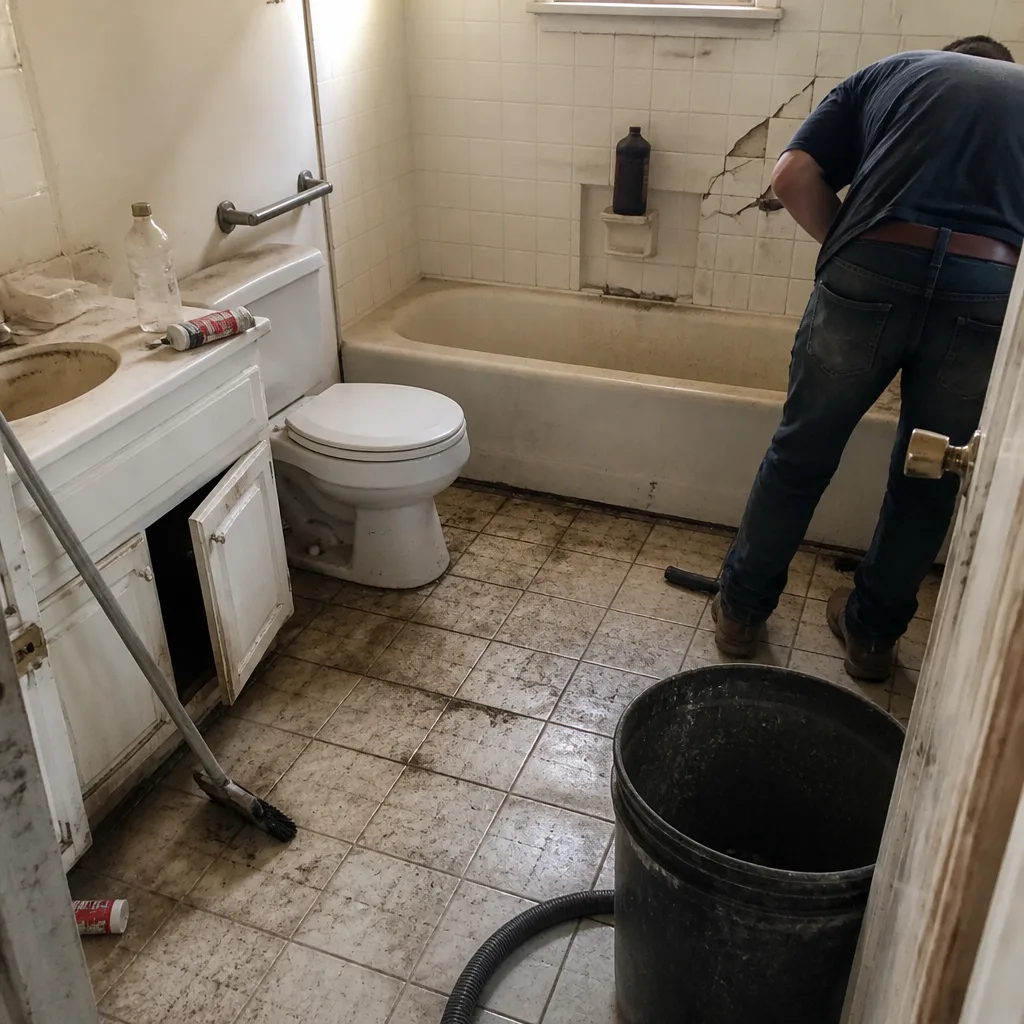 Before
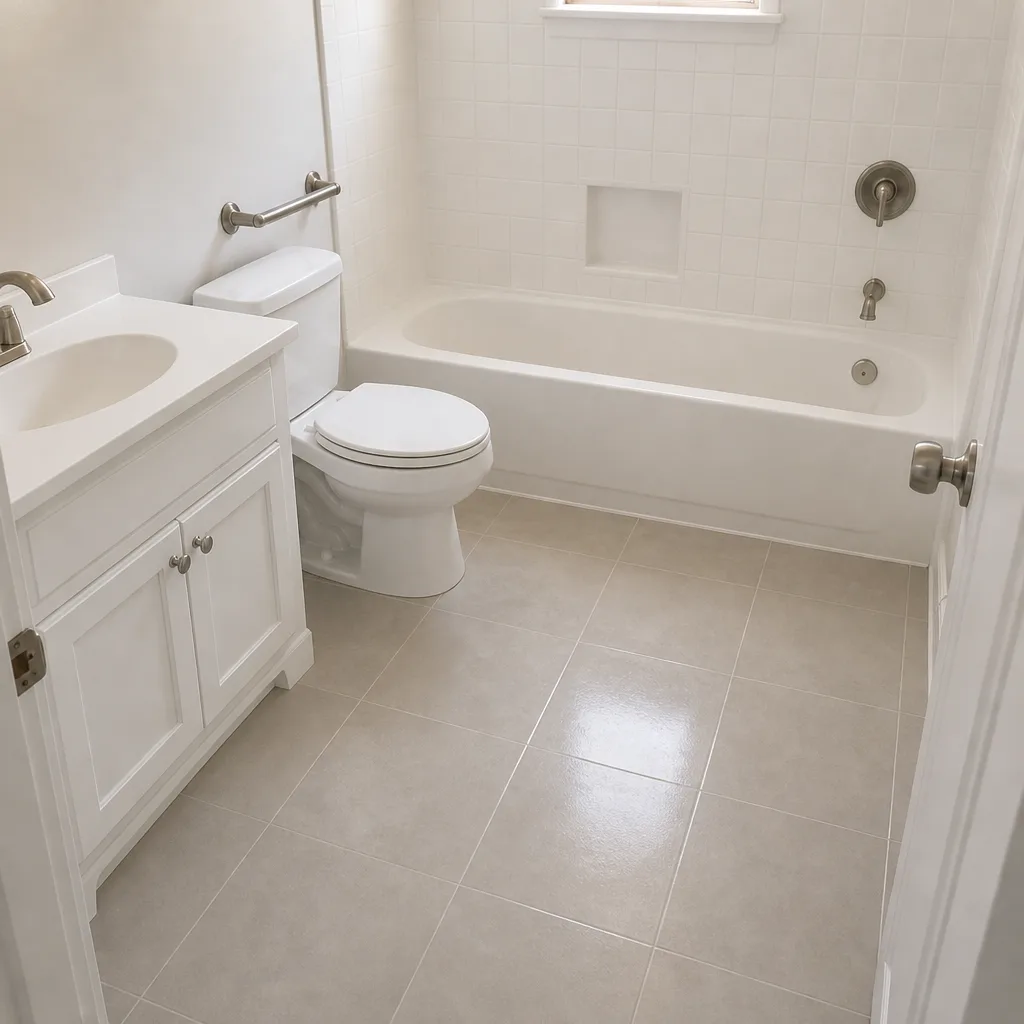 After
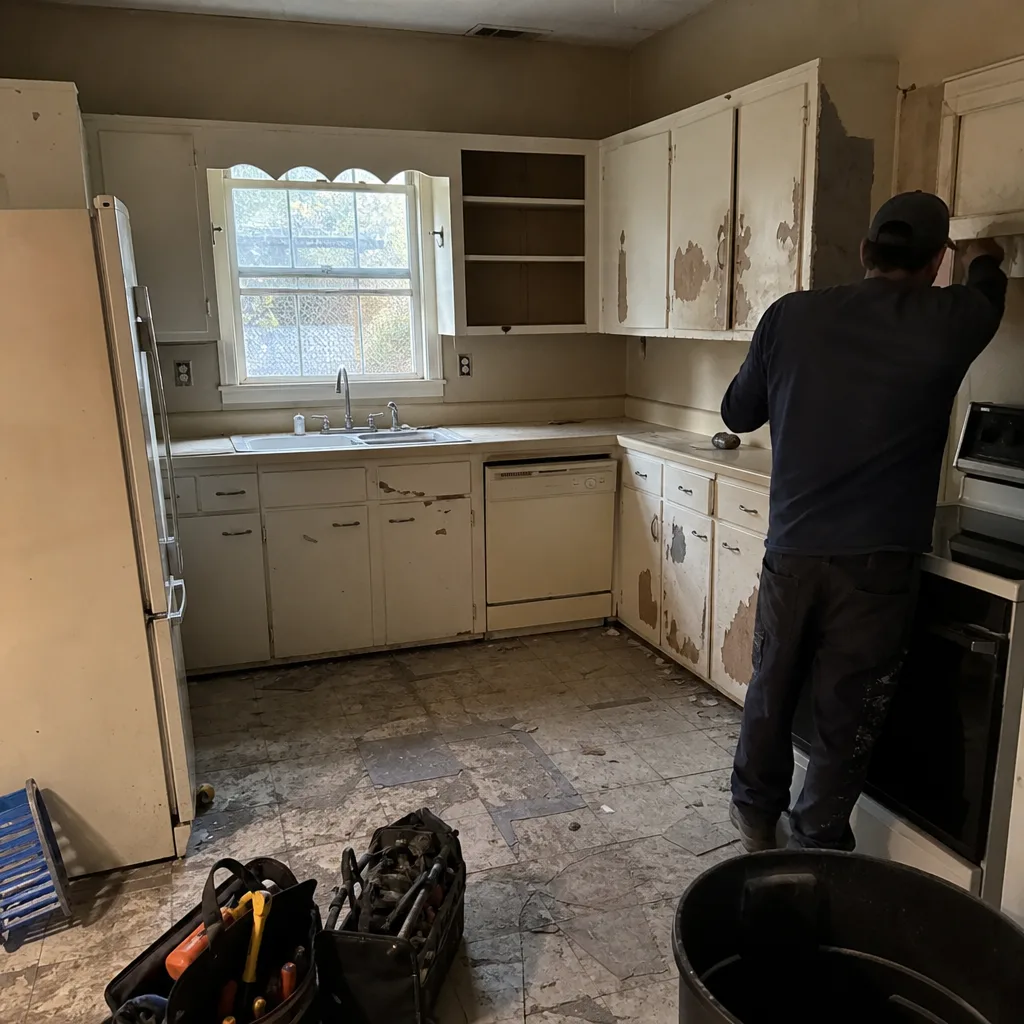 Before
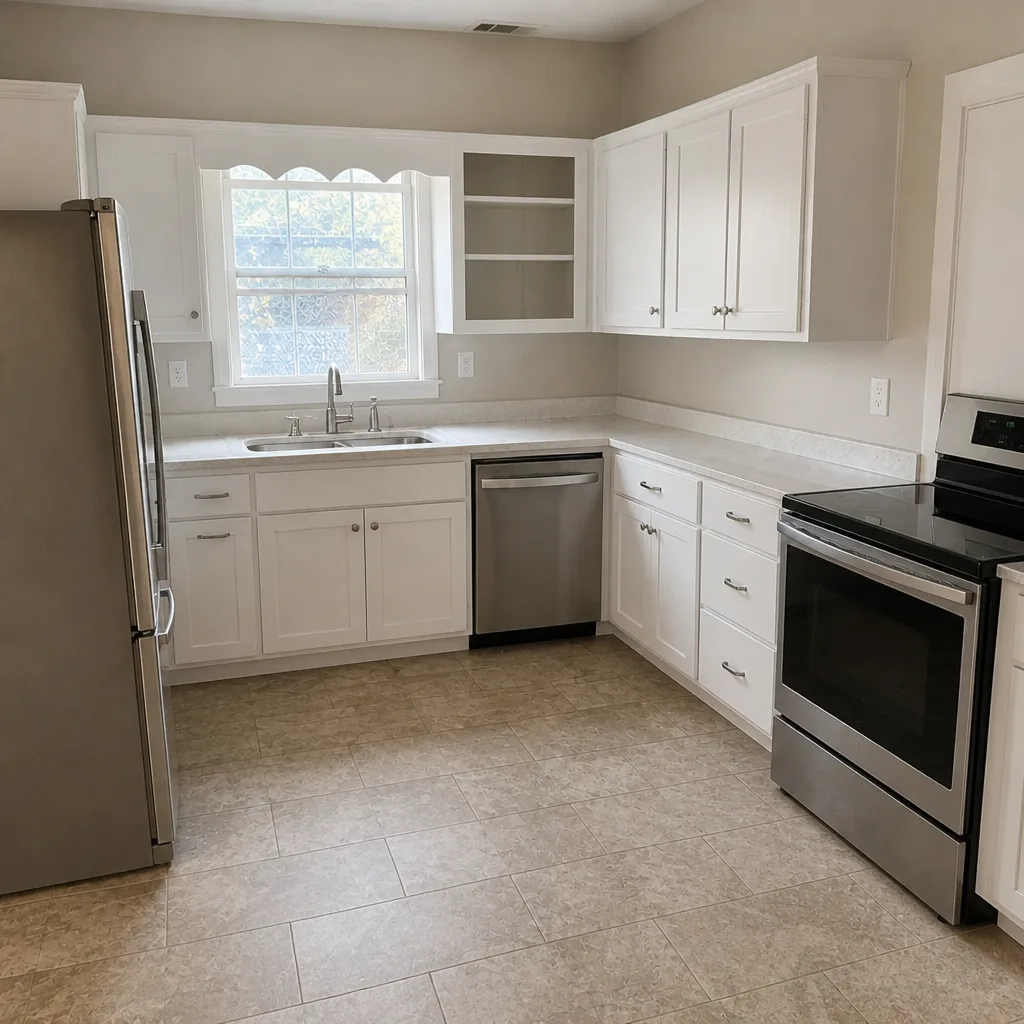 After
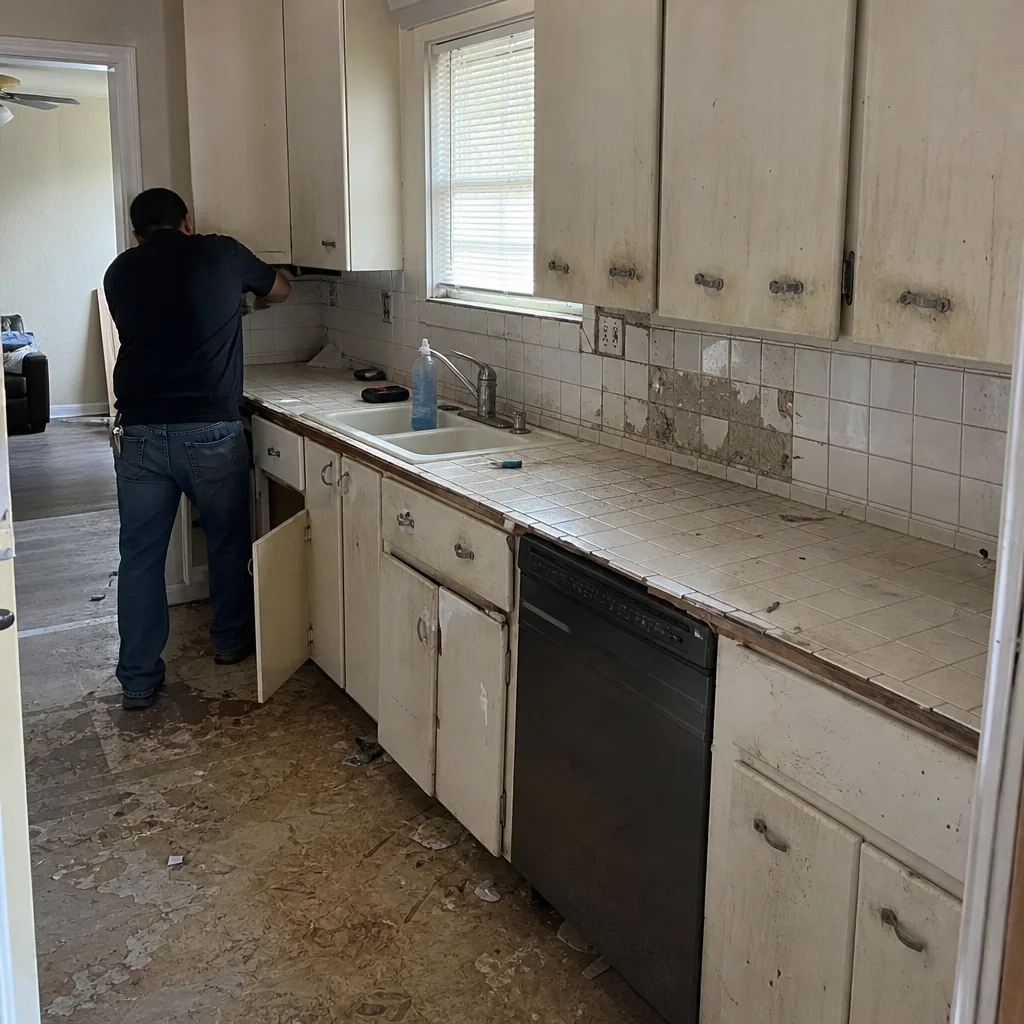 Before
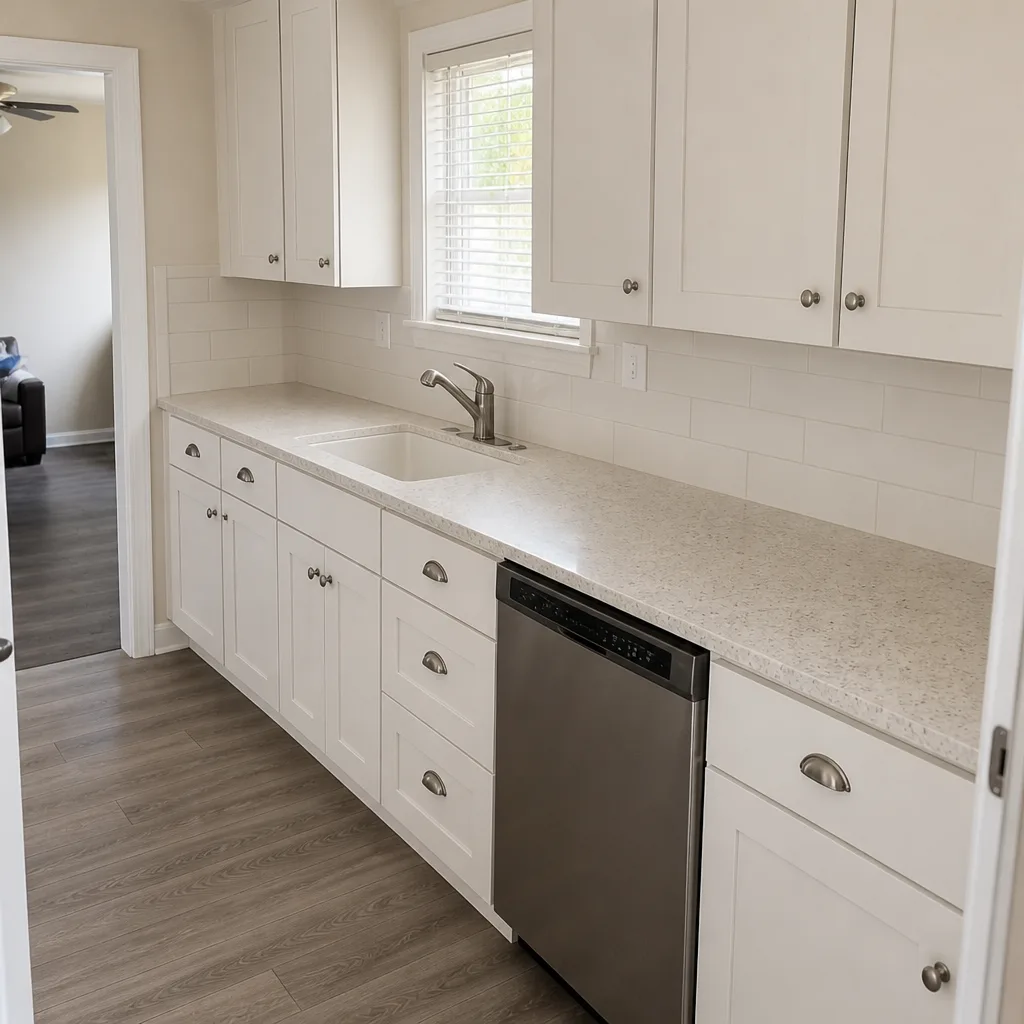 After
When to Call a Professional
Some jobs are genuinely do-it-yourself, and repainting a room is one of them. When a project touches structure, permitted trades, gas, or the electrical panel, the cost of a mistake is measured in more than money. Call a professional when your scope includes foundation work on expansive clay, when HVAC or electrical rough-in is involved, when a permit is required, or when an addition or ADU changes the building’s footprint or load. A generic guide can’t tell you whether your specific slab will move, and doing it wrong isn’t worth discovering later. Rowan Construction Group Dallas offers free estimates in Dallas, and a written price before any work starts. Call (833) 954-5327 to schedule yours.
Frequently Asked Questions

Sequencing, not skill. The hardest part is coordinating HVAC and electrical rough-in so they share a calendar window and one inspection appointment, because when those slip the entire schedule behind them moves with them. The drywall and finish trades can’t start until the rough-in inspection card is signed, so a one-week slip in the rough-in becomes a month of cascading delays. That single dependency is where most DFW residential schedules go wrong.
Yes, for any new foundation or structural addition. Blackland Prairie clay is expansive and moves seasonally, so a geotechnical report tells the engineer the clay content and plasticity before foundation design. Without it, you’re guessing whether a conventional slab or drilled piers are appropriate, and a wrong guess shows up years later as cracking and unlevel floors. A qualified engineer is worth the cost here, and the report is the document that proves supervision.
It depends on the jurisdiction and the scope, so a single number would mislead. The City of Dallas, Plano, Frisco, and McKinney each run their own plan-check cycle, and a structural addition or ADU takes longer to review than a cosmetic remodel. The right answer is to ask your contractor which jurisdiction the permit is filed in and how long that office’s review typically runs for your scope. Get that in writing in the schedule.
Because some quotes include the full scope and some leave line items out. A quote without plumbing trim, without the permit fee, and without finished fixtures looks lower until the change orders arrive. Compare line items and named products, not totals. A written price with a written scope and a written warranty is the fair comparison, and it’s the only one that tells you what the job will actually cost.
Often yes, but it depends on the lot, zoning, and the jurisdiction’s review cycle. ADUs in Dallas and the surrounding suburbs are permitted through the local building department, and the structural plan has to account for the same soil conditions as the main house. The first step is a site review and zoning check before any drawings are made. Our Home Additions & ADU page covers what that review looks at.
A flat written price, a written scope that names each trade, and a written warranty, all delivered before any work starts. That’s Clause 1 of the Haven Standard, and it means you’re comparing a real number rather than a preview of one. If you already have a written estimate from another contractor, we’ll review it line by line at no charge. Call (833) 954-5327 for a free estimate.
The Bottom Line
Dallas construction is a sequencing problem more than a materials problem. The foundation waits on a soil report that accounts for Blackland Prairie clay. The schedule waits on HVAC and electrical rough-in sharing a calendar window. The permit waits on the jurisdiction’s plan-check cycle, which differs in Dallas, Plano, Frisco, and McKinney. The finishes wait on lead times from Dallas-area suppliers, not national averages. Read a project schedule looking for those four dependencies and you’ll spot where the risk sits before the first invoice. Then compare line items, not totals, and ask for the scope in writing.
Get your free estimate. Rowan Construction Group Dallas offers free estimates across all seven trades, a written price before any work starts, and a free second opinion on any written estimate you bring us. Call (833) 954-5327 today and put the number in writing.
Written by the team at Rowan Construction Group Dallas.