Last updated November 17, 2026

Free written scope consultation - allowances, timeline, and change-order rules on paper before a single trade is scheduled
The Complete Fence Installation Guide for Dallas Homeowners
Most residential fences in Dallas don’t fail because of bad lumber or a cheap gate. They fail because the posts were set the way they’ve always been set, in a footing that ignores what the soil underneath actually does. Dallas sits on expansive clay that swells when it’s wet and shrinks when it’s dry, and that seasonal heave moves a fence out of plumb long before the boards wear out. This guide starts where the ground and the city code start, then works up to materials, pricing, and what a contract should actually say. By the end you’ll know the Dallas permit thresholds, the footing depth your soil demands, and the installed cost per linear foot for wood, cedar, vinyl, aluminum, and chain link.
Quick Answer
A typical residential fence in Dallas runs about $22 to $38 per linear foot installed for pressure-treated pine, $30 to $55 for Western Red Cedar, $35 to $60 for vinyl, $40 to $70 for aluminum, and $15 to $30 for chain link. The number that determines how long that fence lasts isn’t the material price, it’s the post footing: Dallas clay requires a concrete footing set well below the seasonal heave zone, deeper than the old one-third-of-post-length rule allows.
Styles & brands we work with
- Kitchen remodeling
- Bathroom remodeling
- Home additions & ADU
- Roofing
- Windows & doors
- Driveway & pavers
- Fence
Table of Contents
- What Dallas Requires: Permits, Height Limits, and Property Lines
- Why Post Footings Fail in Dallas Clay
- Choosing a Material: Durability Data, Not Marketing
- What Fence Installation Costs in Dallas
- What a Complete Fence Contract Should Include
- HOA Approval in Dallas and the Inner Suburbs
- The Step-by-Step Installation Process
- Common Mistakes to Avoid
What Dallas Requires: Permits, Height Limits, and Property Lines
Dallas city code requires a building permit for a fence taller than 8 feet, and for any fence that functions as a retaining wall or sits in a floodplain. A standard 6-foot residential privacy fence does not require a permit in the city of Dallas. That’s the short answer most homeowners want. But the exceptions matter, and the suburbs differ.
The city caps fence height in a front yard at 4 feet and in a side or rear yard at 8 feet, measured from the finished grade. Corner lots get extra scrutiny because a tall fence at a sight triangle can block driver visibility, and Dallas will make you cut it back. Before you dig, confirm your property line. A fence built over the line becomes your neighbor’s fence, and removing it is your cost.
The surrounding cities set their own thresholds, and they are not uniform:
- City of Dallas: Permit required above 8 feet; 4-foot front-yard limit, 8-foot side and rear.
- Plano: A permit is required for most new fences, and the city inspects the footing. Fence height caps at 8 feet in the rear, 6 feet in a side yard, and 4 feet in the front.
- Richardson: Permits required for new fence construction, with a masonry requirement for front-yard fencing on many lots and an 8-foot rear limit.
- Garland: Permit required, height generally capped at 8 feet, with additional rules near floodplain and greenbelt properties.
Always pull the current code for your specific address before work starts, because thresholds change and an inspector works from the version in force on the day of inspection. We build the permit check into the written scope so the homeowner isn’t the one discovering a gap at the inspection. For the broader picture of what we do across the city, see our Fence Installation in Dallas page.
Why Post Footings Fail in Dallas Clay
Here’s the part competitors skip. The standard rule of thumb says bury a post one-third of its above-ground length in concrete. For a 6-foot fence with an 8-foot post, that’s about 24 inches in the ground. In Dallas, that isn’t enough.
Dallas’s expansive clay, the same Blackland Prairie soil that cracks foundations across the metro, moves roughly 1 to 2 inches seasonally as moisture rises and falls. A post set 24 inches deep sits right inside that active zone. Every wet season the clay swells and lifts, every dry season it shrinks and drops. The concrete plug rides up and down with it, cracks, and loses its grip on the post. Two to five years in, the whole run leans out of plumb, gates drag, and boards pop off the stringers.
The fix is depth, and the numbers below are what we spec on Dallas jobs:
- Set the footing below the active clay zone. We recommend a concrete footing at minimum 36 inches deep for light soils, and 42 to 48 inches for high-plasticity Blackland clay, which is most of central and east Dallas.
- Widen the bottom. A footing 10 to 12 inches in diameter at the base, flared, gives the concrete a bell to resist uplift.
- Overdig and backfill with gravel. Porous material at the surface channels water away before it reaches the clay under the post.
- Set the post base above grade. Keep the wood at least 6 inches above finished grade, on a post base or on gravel, so water doesn’t wick up the end grain.
- Use a no-hole dig or auger, not a spade. A neat hole with undisturbed walls holds the concrete; a widened hole from a shovel lets the plug slip.
If you’re installing 40 feet of fence beside a remodel, coordinate the schedule so the fence crew isn’t fighting the concrete trucks. Our Home Additions & ADU in Dallas work often shares a site with fence runs, and sequencing them in the written plan is cheaper than tearing out a fresh fence later. If the driveway and fence meet, the same footing logic applies to the pavers behind them, detailed on our Driveway & Pavers in Dallas page.
Choosing a Material: Durability Data, Not Marketing
Material choice in Dallas is a durability question first and a style question second, because the summer sun and the soil work against you either way. Here’s what’s actually available through Dallas lumber yards and fence suppliers, and how the products hold up.
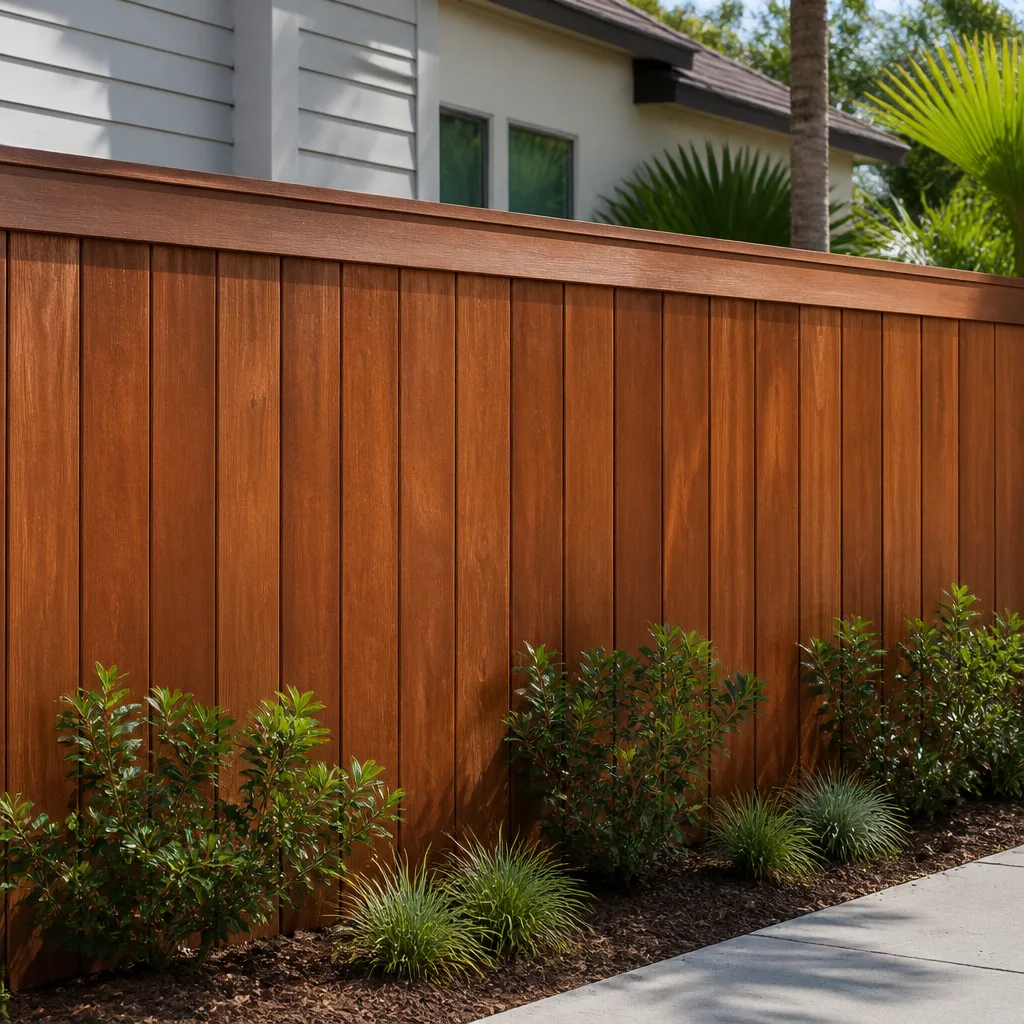
- Pressure-treated pine: The budget standard, $22 to $38 per linear foot installed. Southern yellow pine treated to ground-contact rating (UC4B or higher) is the only grade worth using at a post. Expect 12 to 20 years in Dallas with a stained finish refreshed every 3 to 5 years; untreated end grain at the base is what kills it.
- Western Red Cedar: $30 to $55 per linear foot installed. Real Western Red Cedar is graded by the Western Red Cedar Lumber Association; look for “tight knot” or “clear” grades and avoid cedar sold as “cedar tone” over a pine core. It’s naturally rot- and insect-resistant and stains beautifully, but it still needs a top-coat and still needs deep footings.
- Vinyl: $35 to $60 per linear foot installed. ActiveYards makes the vinyl most Dallas yards stock, and its Lifetime Limited warranty and color-through profiles (no painting, no fading to cream) are the reasons it sells here. Vinyl doesn’t rot, but it’s coarser in very cold snaps and needs a footing spec just like wood.
- Aluminum or steel ornamental: $40 to $70 per linear foot installed. Ameristar is the brand most common in Dallas supply, with powder-coated finishes. It won’t rot or warp, but it’s not privacy, it’s perimeter. Use it where HOA rules require a black metal look and privacy isn’t the goal.
- Chain link: $15 to $30 per linear foot installed. The cheapest and the longest-lasting in Dallas soil if the posts are set right. Galvanized or vinyl-clad both work; it’s the post footing, again, that decides the life of the run.
We source across many brands, including James Hardie for adjacent siding and trim work that ties into the fence line. A brand we don’t stock is still a brand we can quote, and the written price doesn’t change because we had to order it.
What Fence Installation Costs in Dallas
Here are the installed cost ranges in the current Dallas market, all-in, post and labor included, for a standard 6-foot privacy run. These are ranges, not quotes, and the written price we deliver will be a flat number with a written scope.
- Pressure-treated pine privacy: $22 to $38 per linear foot
- Western Red Cedar privacy: $30 to $55 per linear foot
- Vinyl privacy (ActiveYards): $35 to $60 per linear foot
- Aluminum ornamental (Ameristar): $40 to $70 per linear foot
- Chain link: $15 to $30 per linear foot
- Gate, hardware, and installation: $250 to $800 per gate, depending on width and self-closing hardware
- Old fence removal and haul-off: $3 to $8 per linear foot
Two things move the number more than material choice. First, footings: deep concrete in high-plasticity clay adds labor and material, and it’s a line item every honest Dallas quote should show. Second, site access and demo. A fence against a tight side yard with a mature tree in the way costs more to build than one along a clear property line. A written quote on a Dallas fence is a scope, not just a price. When we write it, it includes the footing depth and diameter, the post spacing, the gate hardware by brand, and the disposal line. You can read more about the smaller-scale version of that approach on our Rowan Construction Group Dallas home page.
What a Complete Fence Contract Should Include
A fence contract that doesn’t specify the footing is the contract to walk away from. Ours contains, at minimum, the following, and yours should too:
- A site plan showing property line setbacks, gate locations, and any corner-lot sight triangles.
- Post specification with footing dimensions: post species or material grade, footing depth in inches, footing diameter, and the concrete mix.
- Gate hardware specified by brand and model, including the hinges, latch, and self-closing mechanism, because gate sag is the most common complaint on a new fence.
- Finish specification for wood: stain brand and color, and the number of coats.
- A signed change order process for any field modification, so a surprise root or a buried pipe doesn’t become a verbal adjustment at the end.
- The warranty, in writing, covering materials, workmanship, and the term.
Under Clause 1 of The Haven Standard, the price is written before anyone starts, and the scope above is what makes that price meaningful. No work proceeds on a change until the change order is signed. That’s the discipline that keeps a project within a few percent of the number the customer agreed to, and it’s why the Dallas homeowner who reads their contract carefully will find nothing missing.
HOA Approval in Dallas and the Inner Suburbs
In Dallas proper, HOA rules and city code are two different approvals. The city signs off on permits; the HOA signs off on appearance, which is the approval that more often delays a Dallas fence. In Plano and Richardson, HOA architectural review committees have their own submission windows, sometimes a single monthly meeting, and the fence can’t be started until the approval letter arrives.
Start the HOA submission before you sign a contract. Most covenants cap fence height at 6 feet in a side or rear yard, require an approved material palette (usually specific vinyl colors or natural cedar), ban chain link along a street frontage, and require the finished, “good-neighbor” side to face outward. Get the approval in writing and keep the date. We build the HOA review into the project timeline so the install date we promise reflects the approval window, not just the crew’s calendar.
The Step-by-Step Installation Process
Here is the order of work on a typical Dallas install, stated plainly so you know what to expect on the day.
- Mark and locate. We call in the utility locate line before any digging; a buried irrigation line or a gas line is the most expensive surprise on a fence job.
- Set the property line. Confirm the line from the survey or a recent plat; the fence goes on or just inside it.
- Dig and pour footings. Auger holes to the specified depth, flare the base, set the post on gravel or a post base, and pour the concrete. Let it cure before loading the posts.
- Frame the run. Set stringers level and straight, with the top rail at the same height the full length.
- Hang boards or panels. Fasten with the specified fasteners and finish the top cap.
- Hang the gate. Install the hardware, confirm the self-closer operates, and check for drag and sag.
- Clean up. Remove the old material, haul off, and leave the photo record of what was found and what was done.
Every visit includes a documented photo record, including the depth of the footings, so you have evidence of the spec that matters most.
Common Mistakes to Avoid
- Skipping the deep footing because the old fence lasted 20 years. The old fence failed because of the footing, not in spite of it. Match the footing to Dallas clay, not to the last fence.
- Assuming Dallas is a no-permit city. Above 8 feet, or on a corner lot, or under Plano and Richardson rules, the permit is real. Confirm before you order material.
- Not confirming the property line. Building 6 inches onto a neighbor’s lot in Dallas hands them the fence and hands you the bill to move it.
- Buying “cedar” that is a pine core with a cedar stain. Ask for the Western Red Cedar grading and look for a tight-knot or clear grade from a supplier that names it.
- Forgetting HOA approval until the fence is ordered. The Plano review committee may meet once a month, and the install date slides with it.
- Using a cheap gate hinge. A gate that sags within a year is the most common call we get on a new Dallas fence. Specify the hinge by brand.
- Signing a one-page estimate with no scope. A price with no footing depth, no stance on disposal, and no change order process is a price you’ll argue about later.
See the difference
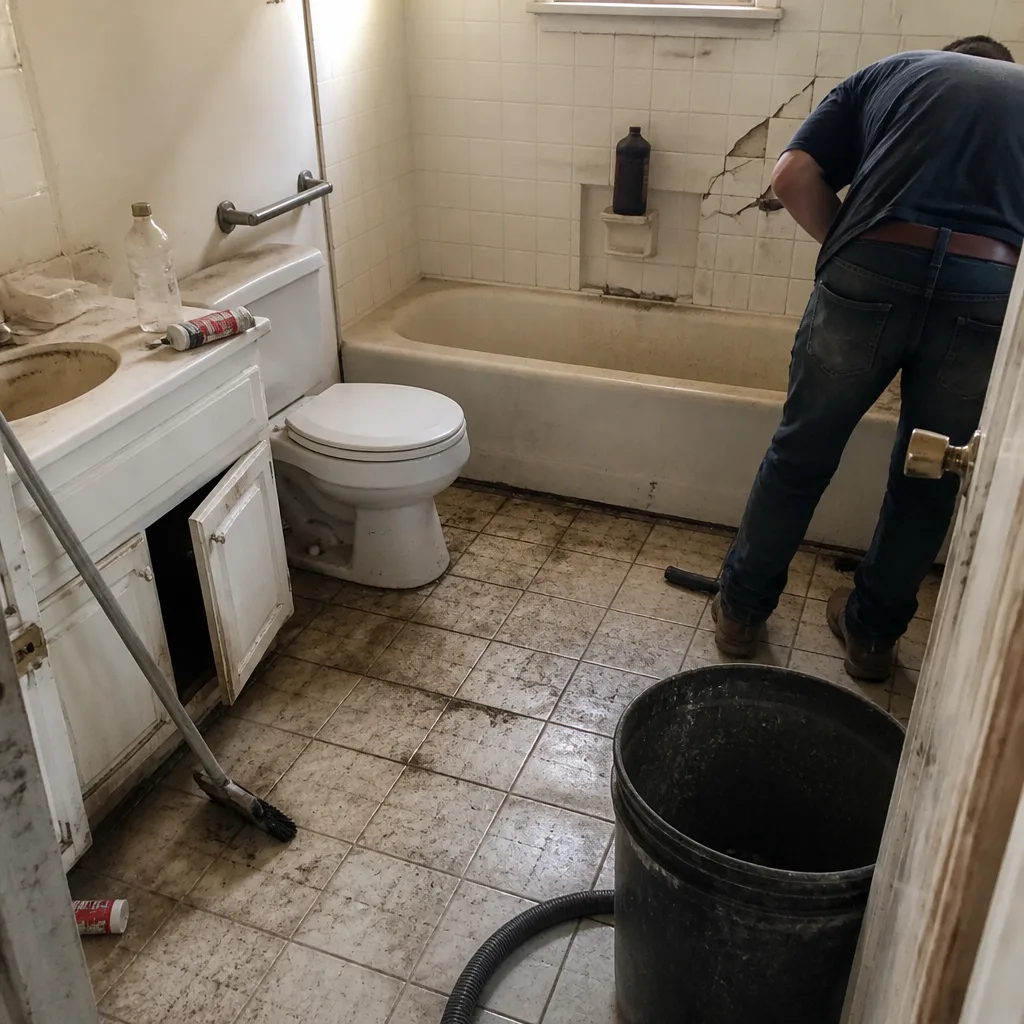 Before
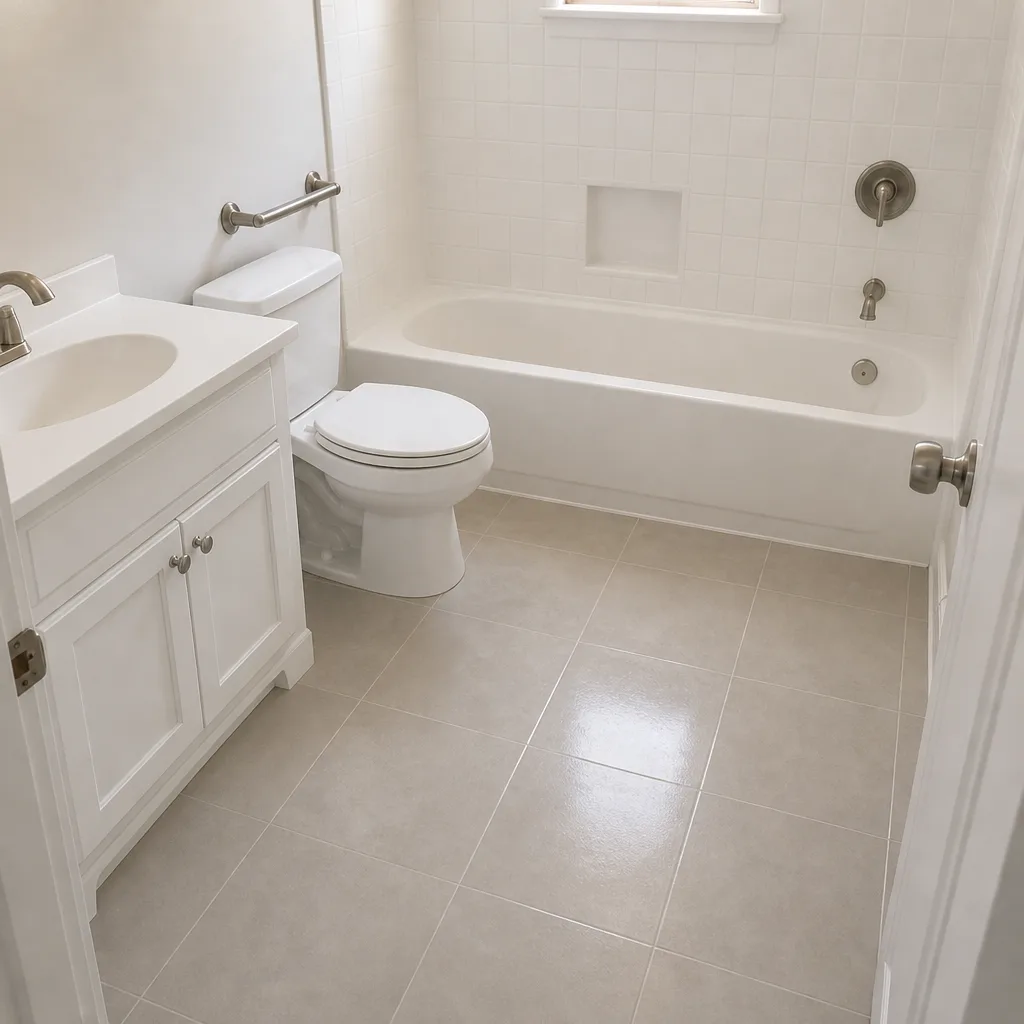 After
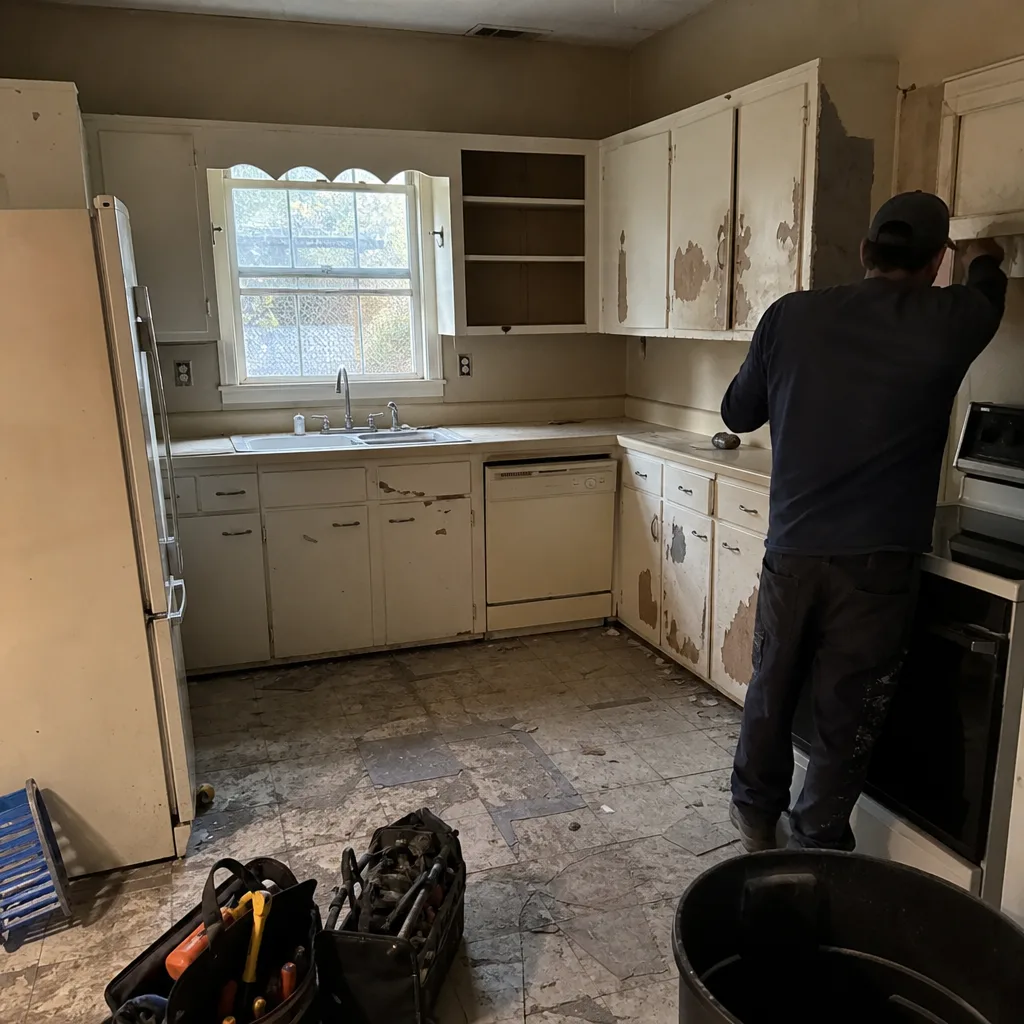 Before
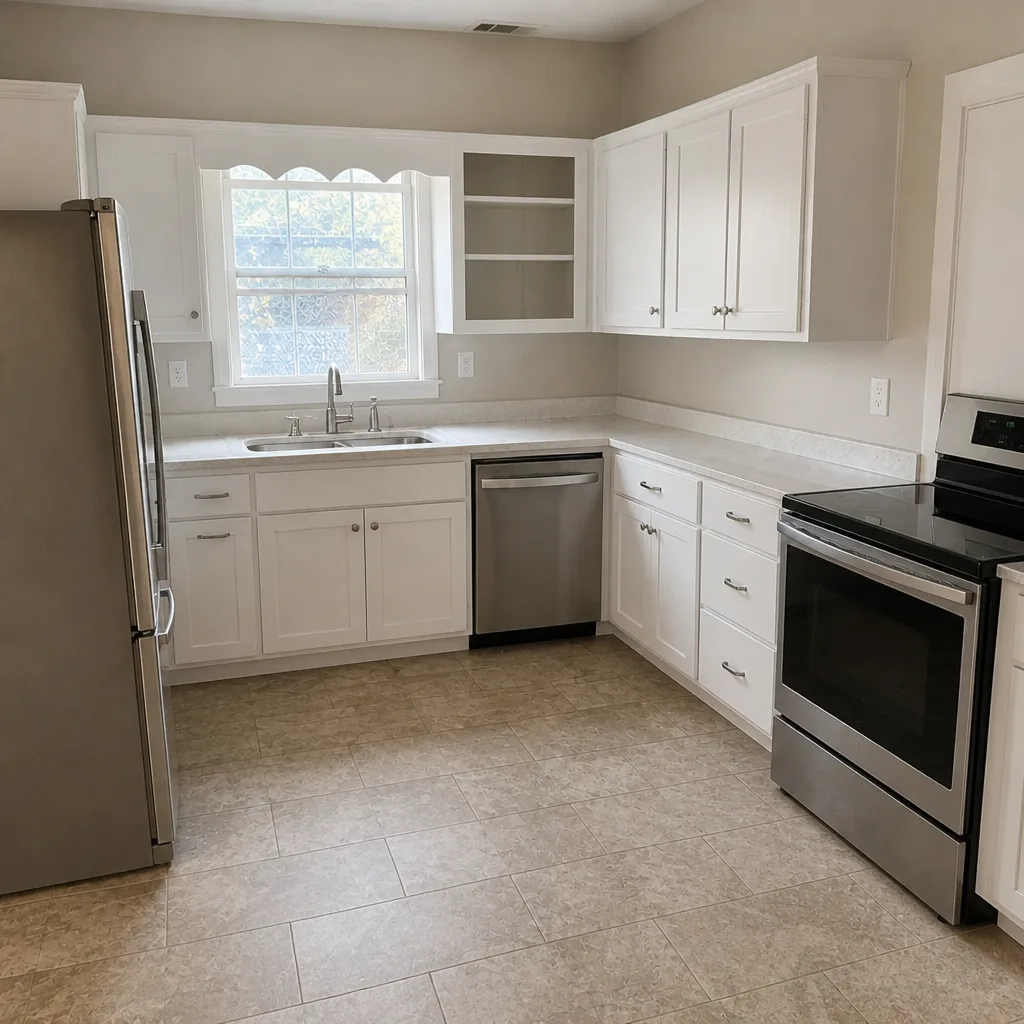 After
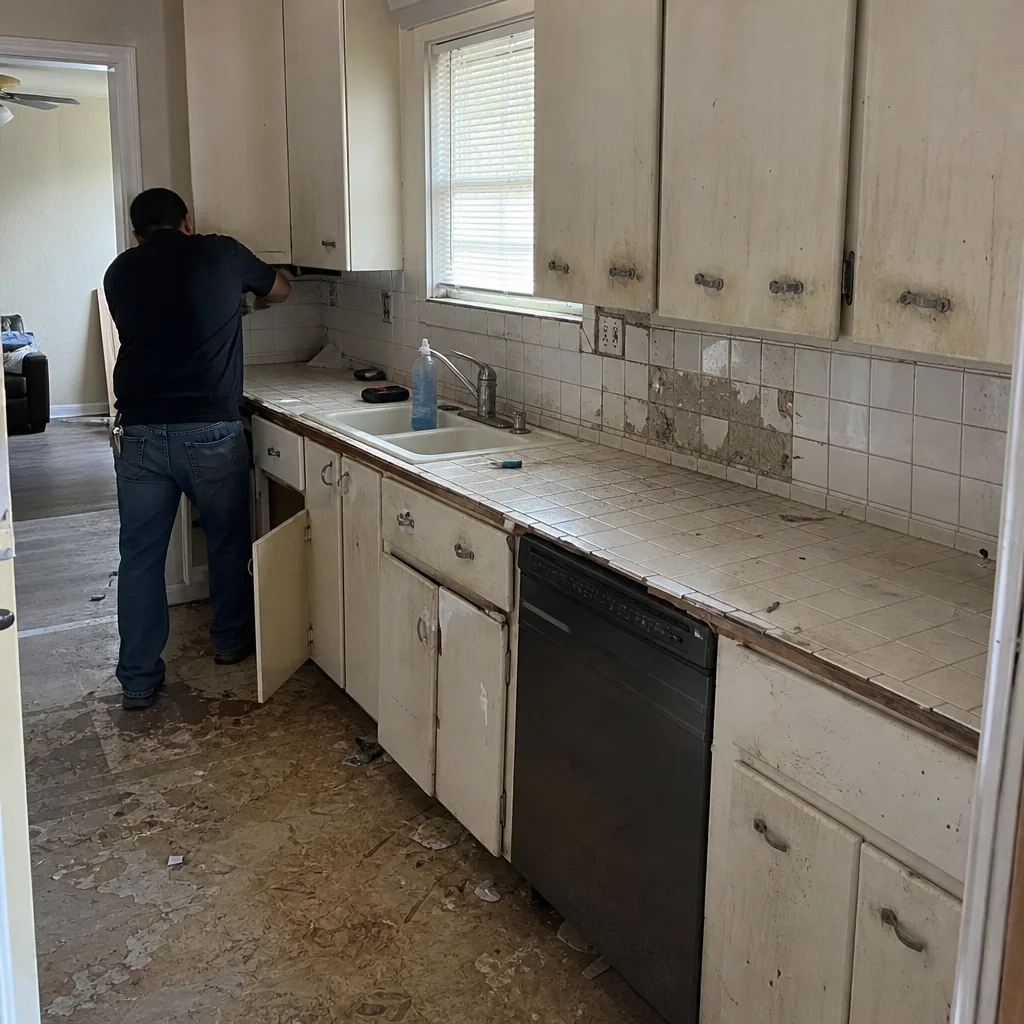 Before
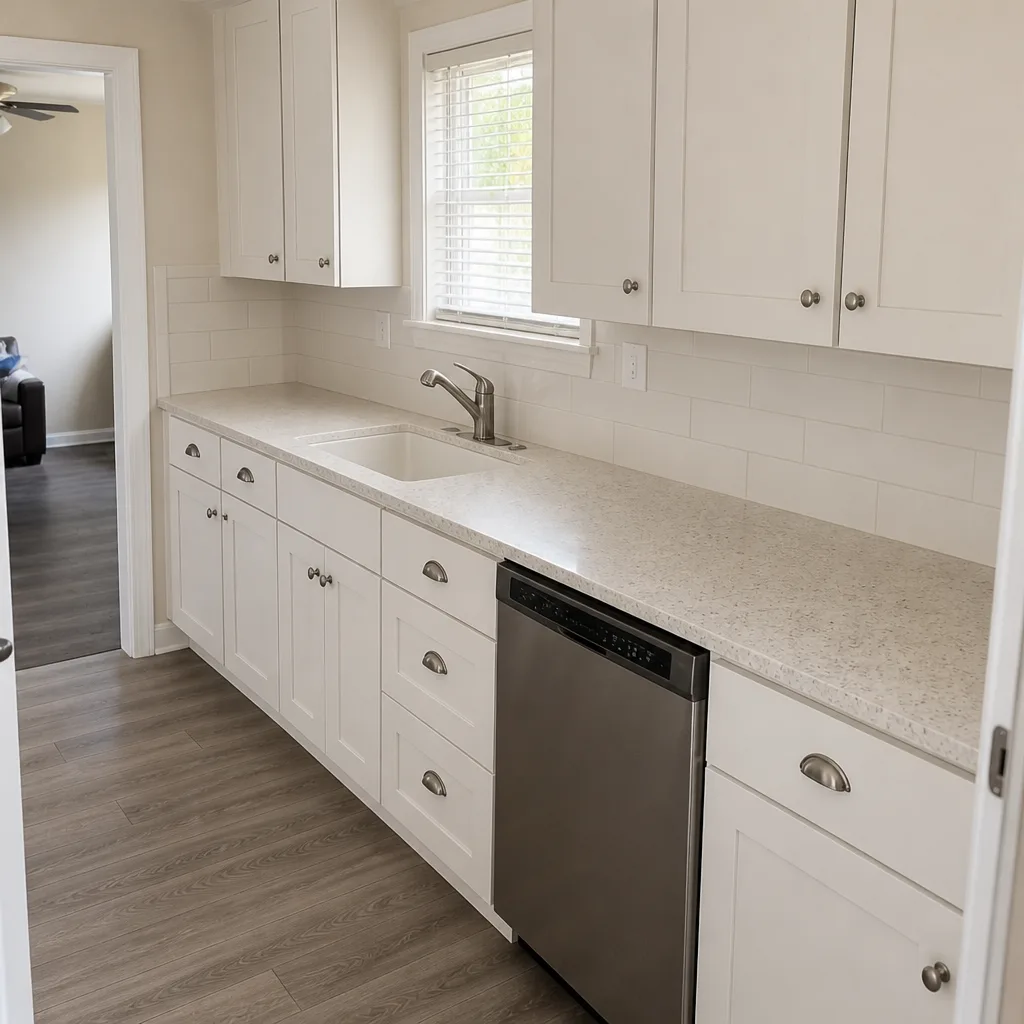 After
When to Call a Professional
Some jobs a capable homeowner can take on. A short run of low garden fencing on a clear lot, no permits, no clay heave to fight, can be done on a Saturday. But once the fence is a property-line privacy fence, a permit is in play, the footing needs to be set 42 inches into Dallas clay, and the run crosses a corner-lot sight triangle, it’s a project that rewards a documented plan and an experienced crew. The footing work alone is the difference between a fence that stands for 15 years and one that leans inside three. The same goes for gates, which need proper hardware and a level hanging. Rowan Construction Group Dallas offers free estimates in Dallas, and every quote comes as a flat written price before any work starts. Call (833) 954-5327 for a free estimate, or bring a competitor’s written number and we’ll review it line by line at no charge.
Frequently Asked Questions
In the city of Dallas, a permit is required for a fence taller than 8 feet, but a standard 6-foot residential fence does not need one. Plano and Richardson require permits for most new fences, so confirm before you start. Call (833) 954-5327 for a free estimate and we’ll walk through your address.
We recommend a minimum 36-inch concrete footing in lighter soils and 42 to 48 inches in high-plasticity Blackland clay, with a flared 10- to 12-inch base. The old 24-inch rule sits inside the active heave zone and fails within a few years. The footing depth is spelled out in writing before we dig.
Pressure-treated pine privacy fencing runs about $22 to $38 per linear foot installed, and Western Red Cedar runs $30 to $55. Those ranges include posts and labor; old fence removal adds $3 to $8 per foot. Call (833) 954-5327 for an exact quote, and the estimate is free.
A typical 150-foot residential privacy fence takes two to four days once the permit and HOA approval are in hand. Footing cure time and site access move that window. The schedule is written into the scope so you know the dates before the crew arrives.
Usually, if the material, color, and height follow the covenant, but the review committee controls the timeline and may meet only once a month. Submit before you order material. We build the approval window into the project schedule so the install date reflects it.
If a fence is not done right within the 365-Day Promise, Rowan makes it right, and the guarantee is printed on the page and backed by a terms page, not an asterisk. That covers workmanship and the footing spec we wrote. Call (833) 954-5327 for a free estimate.
The Bottom Line
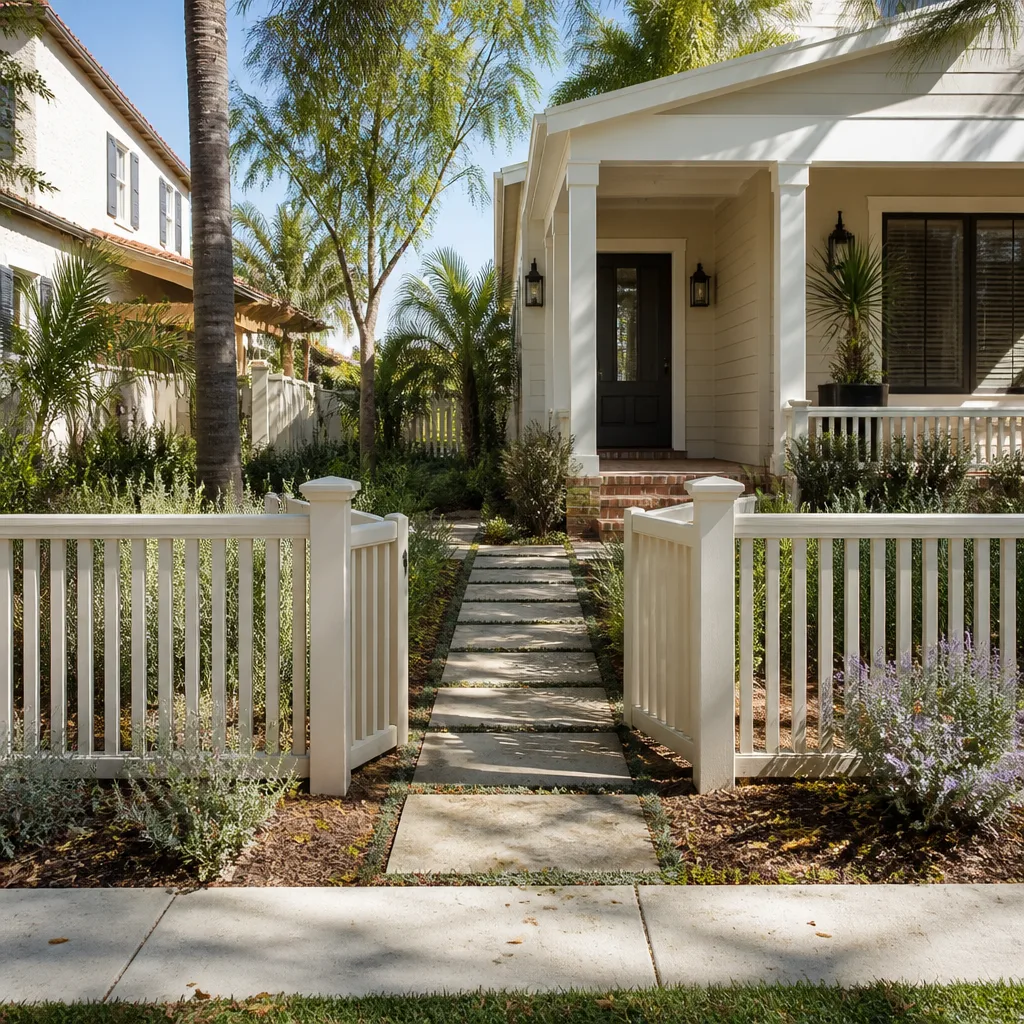
In Dallas, the fence that lasts is the one whose footings were set below the clay heave zone before any board was chosen. Get the permit threshold right for your city and your lot, confirm the property line and the HOA approval before you order, then choose material based on durability data rather than marketing. The written contract that specifies footing depth, gate hardware, and a signed change order process is the document that protects the money. Our technicians have up to 19 years of experience, and every Dallas fence we quote comes with a written price before work starts and a documented photo record when the crew leaves. If you want the number in writing before anyone picks up a tool, call us.
Ready to price your fence line? Contact Rowan Construction Group Dallas at (833) 954-5327 for a free estimate, a flat written price, and a written scope with the footing spec on it.
Written by the team at Rowan Construction Group Dallas.