Last updated November 17, 2026
Free written scope consultation - allowances, timeline, and change-order rules on paper before a single trade is scheduled
The Complete Driveway & Pavers Guide for Dallas Homeowners
Dallas sits on some of the most expansive clay in North America. The soil under a typical Preston Hollow or Lakewood driveway can heave 3 to 4 inches between a wet spring and a dry August, then swell back again. And yet almost every paver guide you’ll find leads with color palettes, stone types and driveway photos. The base depth that actually keeps those stones level gets a paragraph at best. This guide flips that order. We’ll cover what CH-rated clay does to a driveway, why a 6-inch compacted base matters more than which brand you pick, what installation really costs in the Dallas market, and what a written scope of work should spell out before anyone breaks ground.
Quick Answer
A paver driveway in Dallas typically costs $12 to $30 per square foot installed, depending on material and base requirements. The single most important decision is not the paver brand but the compacted base: Dallas’s expansive CH-rated clay demands a minimum 6-inch compacted, properly graded aggregate base, versus the 4-inch standard common in stable-soil markets. Get the base right and a driveway lasts decades; skip it and pavers start rocking within a few seasons no matter how much you spent on the stone.
Styles & brands we work with
- Kitchen remodeling
- Bathroom remodeling
- Home additions & ADU
- Roofing
- Windows & doors
- Driveway & pavers
- Fence
Table of Contents
- Why Dallas Clay Soil Changes Everything
- The Base: 6 Inches vs. the 4-Inch Standard
- What Pavers Cost in Dallas
- Paver Brands and PSI Ratings
- Permits: Dallas vs. Plano, Frisco and McKinney
- What a Written Scope of Work Must Include
- Common Mistakes to Avoid
- Frequently Asked Questions
Why Dallas Clay Soil Changes Everything
The soil across much of Dallas and its inner suburbs is classified as expansive clay, often in the CH group on the Unified Soil Classification System – “CH” meaning high plasticity. In plain terms: this clay holds a lot of water, swells when it absorbs it, and shrinks and cracks hard when it dries. A Dallas summer can pull moisture out of the top several feet of soil fast enough to move a foundation, and it moves driveways the same way.
What that means at the surface is seasonal movement. A slab or paver field that sits level in April can heave in a wet May and settle by August. Concrete handles this by cracking. Pavers handle it – or don’t – depending on what’s underneath them. The stones themselves are almost never the failure point. The base is.
We’ve watched this play out block by block. In older neighborhoods near White Rock Lake, where lots have mature trees pulling moisture out of the soil, the movement is uneven across a single driveway. In newer development on the northern edge of the city, the fill placed during grading can behave differently from the native clay a few feet away. The base has to be engineered for the worst case across the whole slab, not the average.
- Seasonal movement: 3 to 4 inches of swell and shrink is realistic on CH clay through a Dallas year.
- Moisture is the lever: where water drains and where it pools decides where the soil moves.
- Tree roots matter: roots pull moisture out and create differential movement under part of a driveway.
- Fill vs. native soil: newer lots may have both under one slab, and they move differently.
None of this is a reason to avoid pavers. A flexible paver system, correctly based, actually tolerates clay movement better than a poured slab because the joints absorb small shifts. The point is that in Dallas the base is the engineering, not a formality.
The Base: 6 Inches vs. the 4-Inch Standard
Most paver installation guides written for stable-soil markets specify a 4-inch compacted aggregate base for a residential driveway. In Dallas, that number is too thin. For a driveway that will carry vehicles on expansive clay, the working minimum is a 6-inch compacted base, and heavier traffic or poorer-draining spots can justify more.
Why the extra depth? A deeper base spreads the load over more soil, gives the paver field a stable platform that doesn’t telegraph every clay movement straight up through the stones, and provides more room for a graded drainage plane so water moves off and away instead of soaking into the clay beneath. On CH soil, that drainage function is doing as much work as the structural one.
Base material choice matters too. A crushed, angular aggregate that locks together under compaction – often sold as a base or class 2 material from suppliers like Oldcastle or Quikrete’s aggregate lines – compacts far better than rounded gravel. The compaction itself is a process, not a single pass:
- Excavate to depth. Remove existing material to accommodate the paver thickness plus the full base depth plus bedding sand – not just the base depth alone.
- Lay the base in lifts. Base is placed and compacted in layers of roughly 2 to 3 inches, not dumped at full depth and hit once.
- Compact each lift with a plate compactor. Each layer is mechanically compacted before the next goes down.
- Grade for drainage. The base is shaped to fall away from the house and any structure at a consistent slope.
- Verify before bedding. The compacted base is checked for level, slope and density before the sand and pavers go on.
If a contractor can’t tell you the base depth and how it will be compacted, that’s the moment to ask harder questions. It’s also why the first thing to price is the base, not the stone. To see how this work is scoped end to end, look at our Driveway & Pavers in Dallas service.
What Pavers Cost in Dallas
Dallas paver pricing breaks down into material, base preparation and labor, and the numbers move with material choice and site conditions. The ranges below reflect the Dallas market as of 2024 for a properly based driveway – meaning the 6-inch compacted base described above, not a 4-inch shortcut. If a quote comes in well under these numbers for full-depth work, the base is usually where the difference is hiding.
| Material | Installed Cost (per sq ft) | Notes |
|---|---|---|
| Concrete pavers | $12 – $22 | Most common choice; wide color and shape range; strong value |
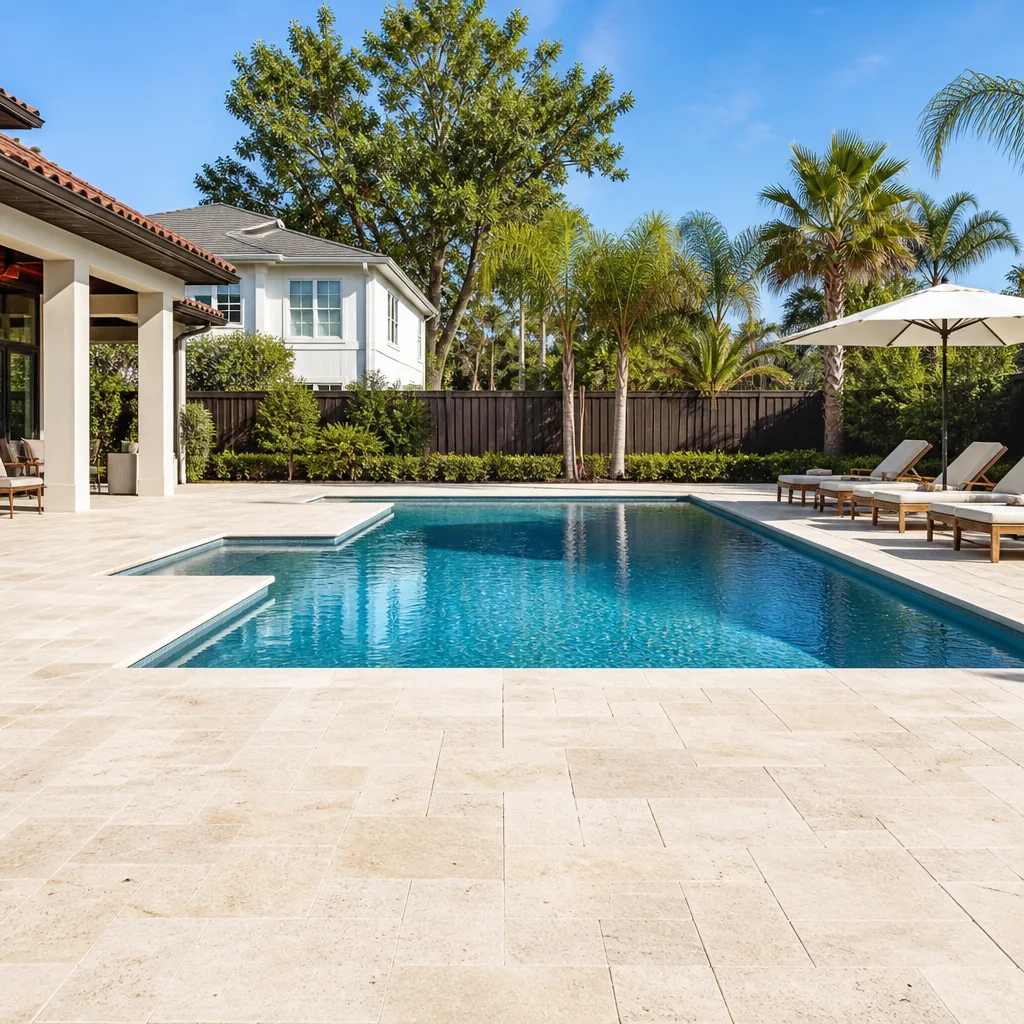
| Natural stone (flagstone, travertine) | $20 – $35 | Higher material cost, more labor to set; premium look |
| Clay brick pavers | $18 – $30 | Classic look; brick supply and color availability vary |
For a typical two-car Dallas driveway of about 600 square feet, that works out to roughly $7,200 to $13,200 for concrete pavers, and more for stone or brick. Add-ons that move the number: removing and hauling away an existing slab, correcting a drainage problem, or a site that needs deeper excavation for poor soil. Those are real costs and should appear as line items, not be folded silently into a single price.
- Labor: the largest share of an installed price; base prep and compaction is labor-intensive.
- Material: roughly $4 to $12 per square foot for concrete pavers before labor.
- Base & excavation: significant on clay; the depth is the cost.
- Edge restraint and joint sand: small line items that a written quote should still name.
- Haul-away: removing an old slab adds to the total; ask whether it’s included.
The right way to price this is a written, line-item quote you can compare. Our team can walk a Dallas driveway and put a flat written price in your hands before any work starts. Call Rowan Construction Group Dallas home when you’re ready, or read on to understand what those line items should say.
Paver Brands and PSI Ratings
Once the base is right, material selection becomes the interesting part. Three brands you’ll encounter through Dallas suppliers are Belgard, Unilock and Techo-Bloc. They differ in style, sourcing and – the number most guides skip – compressive strength, measured in PSI (pounds per square inch). For a driveway, you want pavers rated well above what foot traffic needs.
- Belgard: a broad concrete paver line widely stocked in the Dallas market; strength is typically engineered to meet or exceed the ASTM C936 standard for concrete pavers, and their driveway-rated products are built to carry vehicle loads. Good starting point for classic and contemporary looks.
- Unilock: known for a strong endurability story and dimensional consistency; their driveway-grade pavers are rated for vehicular traffic and their joint systems are worth discussing with your installer.
- Techo-Bloc: a wide architectural range with distinctive textures; their driveway products are engineered for vehicle loads and are common in higher-end Dallas residential work.
The takeaway on PSI: ask your installer for the manufacturer’s spec sheet for the specific paver you’re choosing, and confirm it’s rated for vehicular use rather than pedestrian only. Any reputable brand will publish this. A paver that’s beautiful but rated for patios is the wrong product for a driveway in Dallas, where the clay is already working against you. Material quality is a hedge against base movement, not a replacement for a proper base.
If your project also includes a new fence along the driveway, plan both together so the excavation and grading is handled once – see our Fence Installation in Dallas work for how we line those up.
Permits: Dallas vs. Plano, Frisco and McKinney
Permit requirements for a driveway or paver project differ between Dallas proper and the surrounding suburbs, and the difference can affect which materials you choose. This is one of the most commonly skipped topics in paver guides, and it catches homeowners on the wrong side of a city inspector.
In Dallas, a driveway that connects to a public street typically involves the city’s right-of-way rules, and any change to a curb cut, driveway approach or stormwater drainage pattern may require a permit and inspection. Replacement in-kind is sometimes treated differently from a new or reconfigured approach. Because the code and its enforcement can change, the reliable move is to confirm the current requirement with the city before signing a contract – and to ask your contractor whether they pull the permit or expect you to.
In suburbs like Plano, Frisco and McKinney, the rules vary by city, and HOA covenants often add a layer on top. Many HOA architectural review committees require material and color approval before work begins, and some restrict certain paver colors, stone types or driveway widths. Plano and Frisco in particular have active HOAs where an unapproved material can mean a stop-work order and a redo.
- Confirm the city requirement. Check with Dallas or your suburb whether your scope needs a permit or right-of-way approval.
- Check HOA covenants first. Get the material and color approved before you buy pavers.
- Ask who pulls the permit. A written contract should state whether the contractor handles it.
- Keep the paperwork. Retain the permit and inspection records with your project file.
Under the Haven Standard we follow, permits and inspections aren’t an afterthought – they’re part of the documented record when the crew leaves. If you’re also planning a structure that changes how the driveway is laid out, our Home Additions & ADU in Dallas team can coordinate the sequencing so nothing gets torn out twice.
What a Written Scope of Work Must Include
A paver driveway lives or dies on the details in the written scope. A vague “install paver driveway” line is not a scope – it’s a blank check. Here’s what a proper written scope for a Dallas paver driveway should spell out, line by line, before work begins.
- Base specification: the depth (6-inch compacted minimum on Dallas clay), the aggregate type, and the number of lifts and compaction method.
- Drainage plan: how water will fall away from the house and where it will go – a graded slope, a drain, or both. On clay, drainage is structural.
- Edge restraint type: how the paver field is held at the perimeter – typically a concrete or spiked edge restraint that keeps the field from spreading.
- Joint sand specification: the sand that fills the gaps and locks the pavers, named specifically.
- Excavation and haul-away: whether removing an existing slab is included and where the debris goes.
- Material and color approval: the exact brand, product and color, with the HOA approval attached if applicable.
- Written price and warranty: a flat price, a written warranty, and the change-order rule – no work proceeds on a change until it’s signed.
That last point is the discipline that keeps a project honest. Under Clause 1 of the Haven Standard, the price is written before anyone starts, and a project that’s properly scoped finishes within a few percent of the agreed number. The photo record we leave behind documents the base depth, the compaction and the finished field – evidence, not assurances.
Common Mistakes to Avoid
- Skipping the soil question. Choosing a paver brand before anyone has assessed the clay under the driveway is backwards. In Dallas, the base comes first, always.
- Accepting a 4-inch base. A standard built for stable soil will rock on CH clay within a few seasons. Insist on the depth the site actually needs.
- Ignoring drainage. Without a graded plane and edge restraint, water pools against the clay, the soil swells unevenly, and the paver field moves. Drainage is not optional on a Dallas driveway.
- Buying pavers before HOA approval. In Plano, Frisco and McKinney, a color or material the HOA rejects means a redo. Get written approval first.
- Buying pedestrian-rated pavers for a driveway. Confirm the manufacturer’s vehicular rating before you commit; the spec sheet is the proof.
- Signing a single-line quote. A quote without a base spec, drainage plan and edge restraint type isn’t a scope. Ask for line items.
- Letting changes happen on a handshake. Any surprise – a buried pipe, a soft spot – should trigger a signed change order before work continues, not a phone call after the fact.
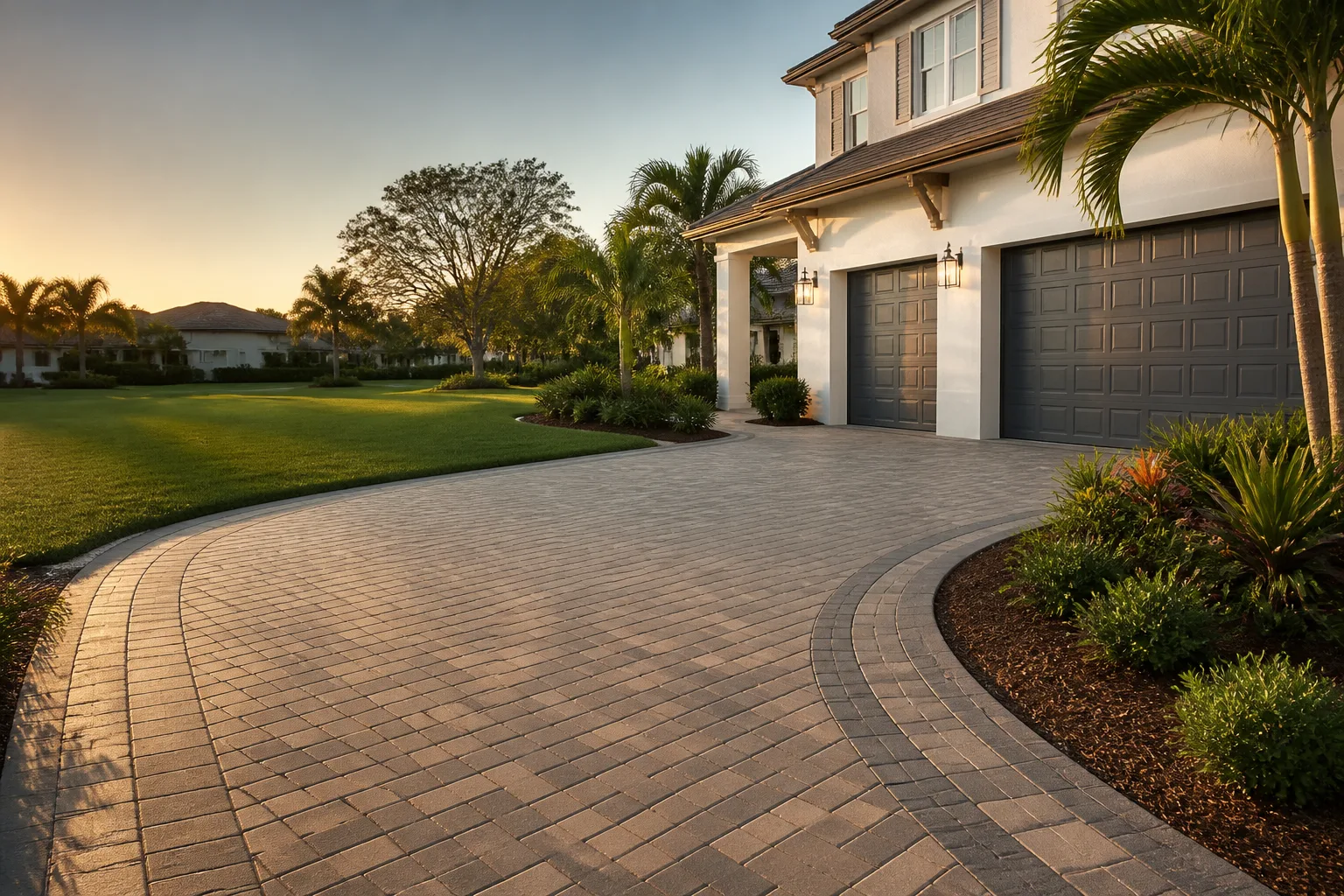
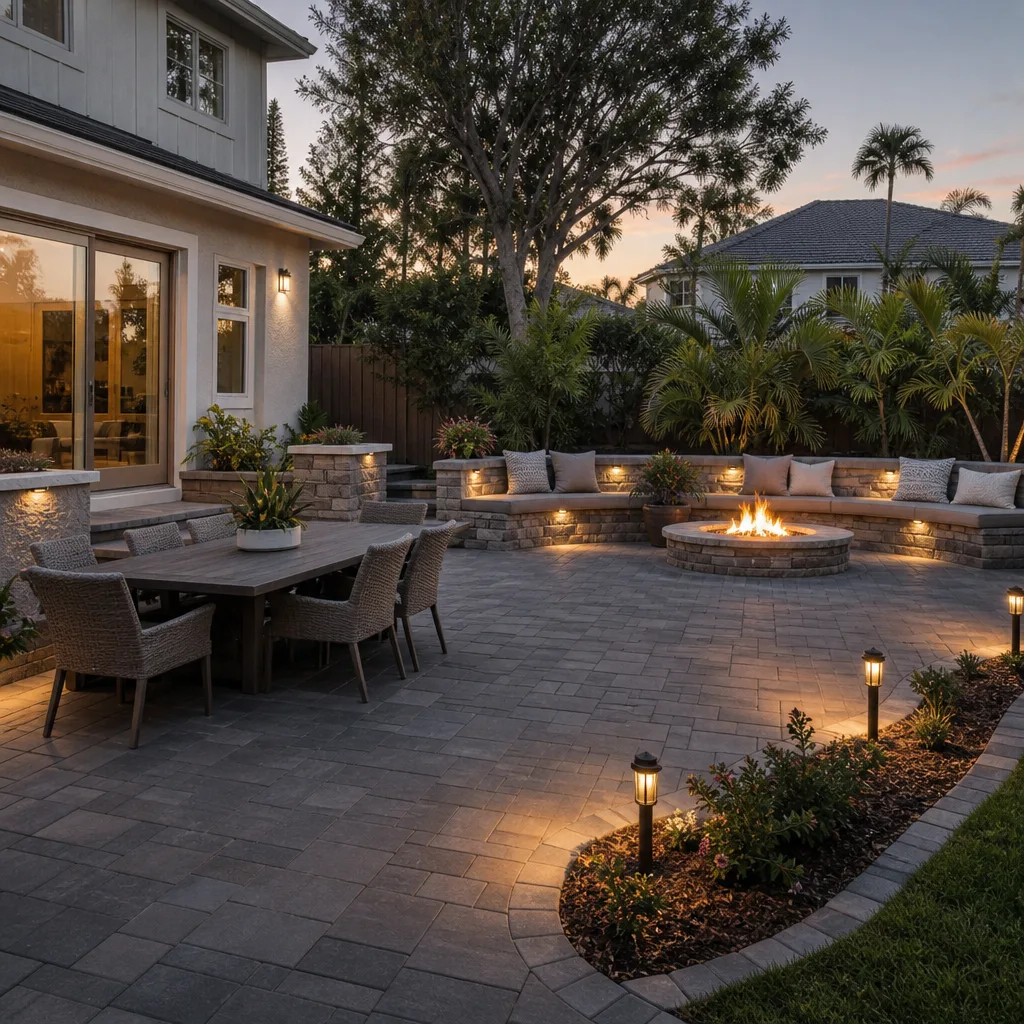
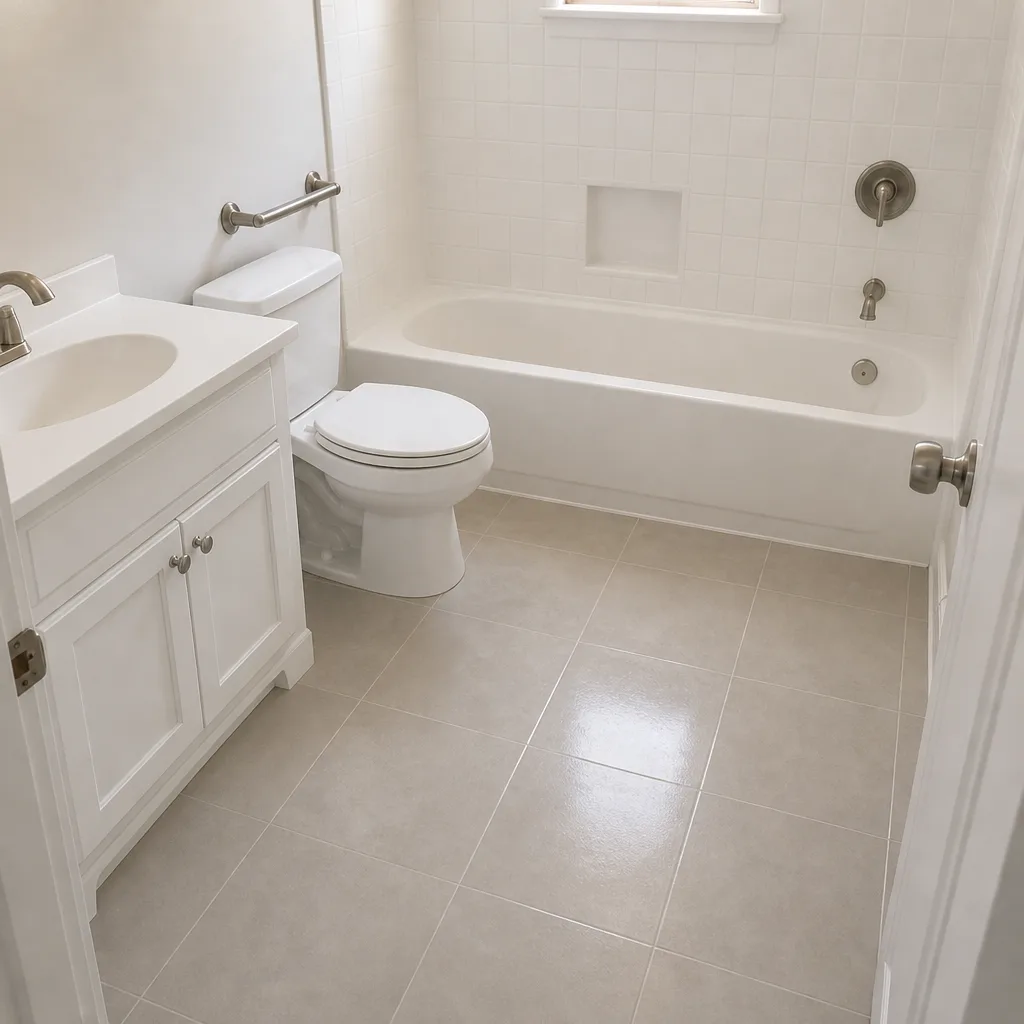
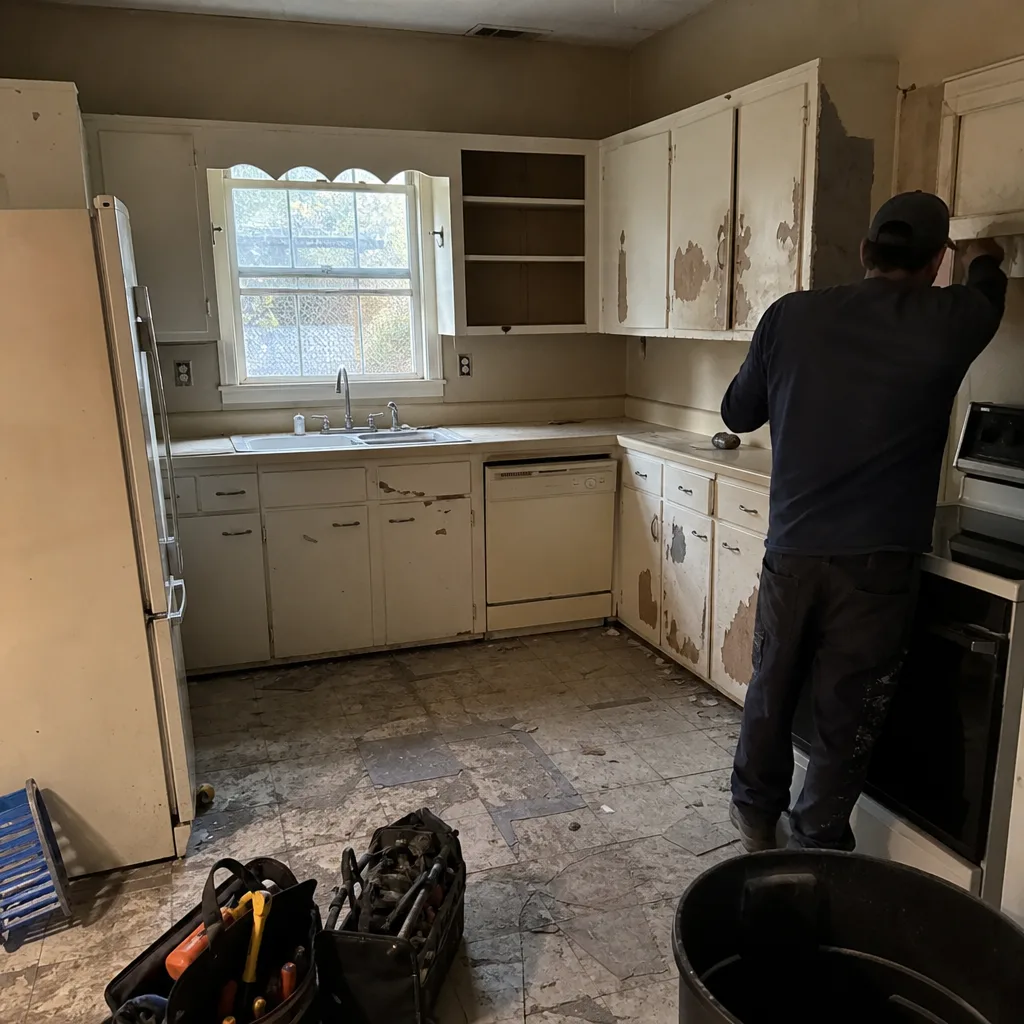
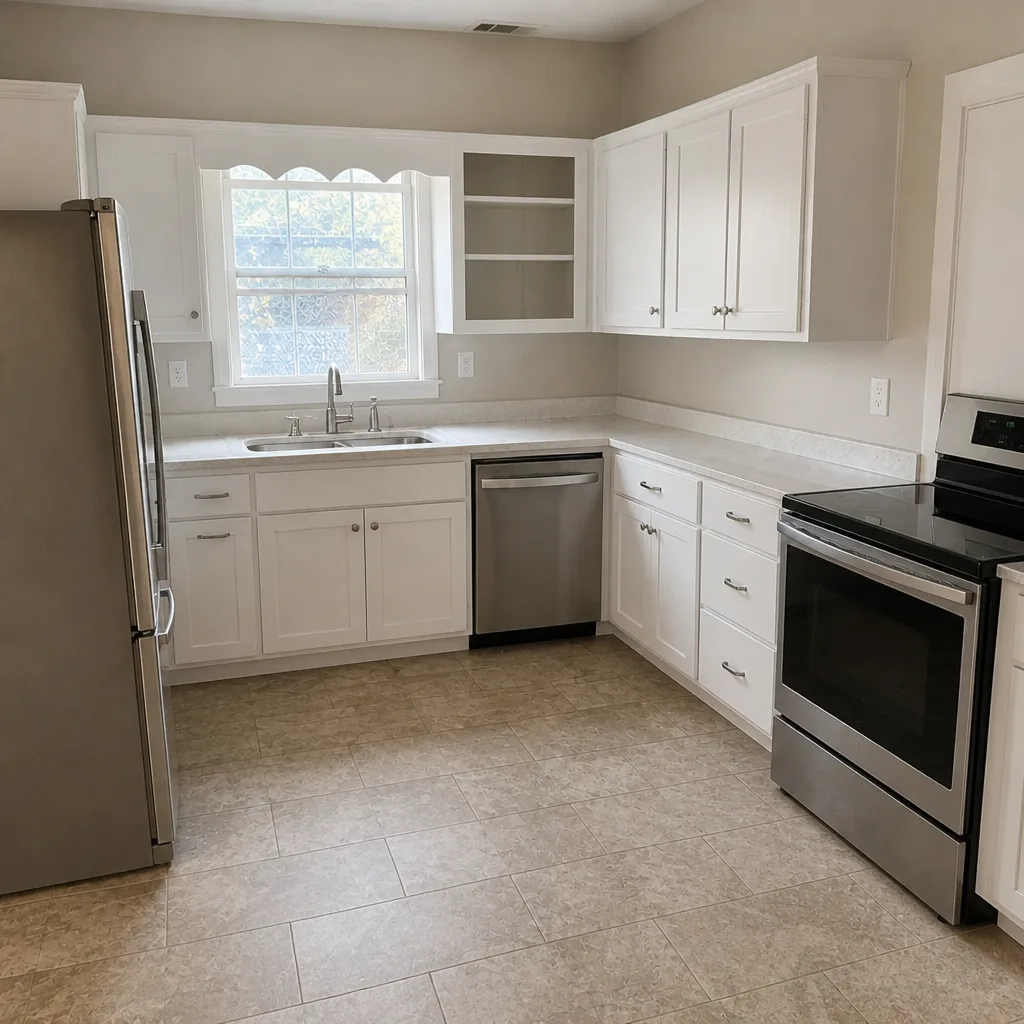
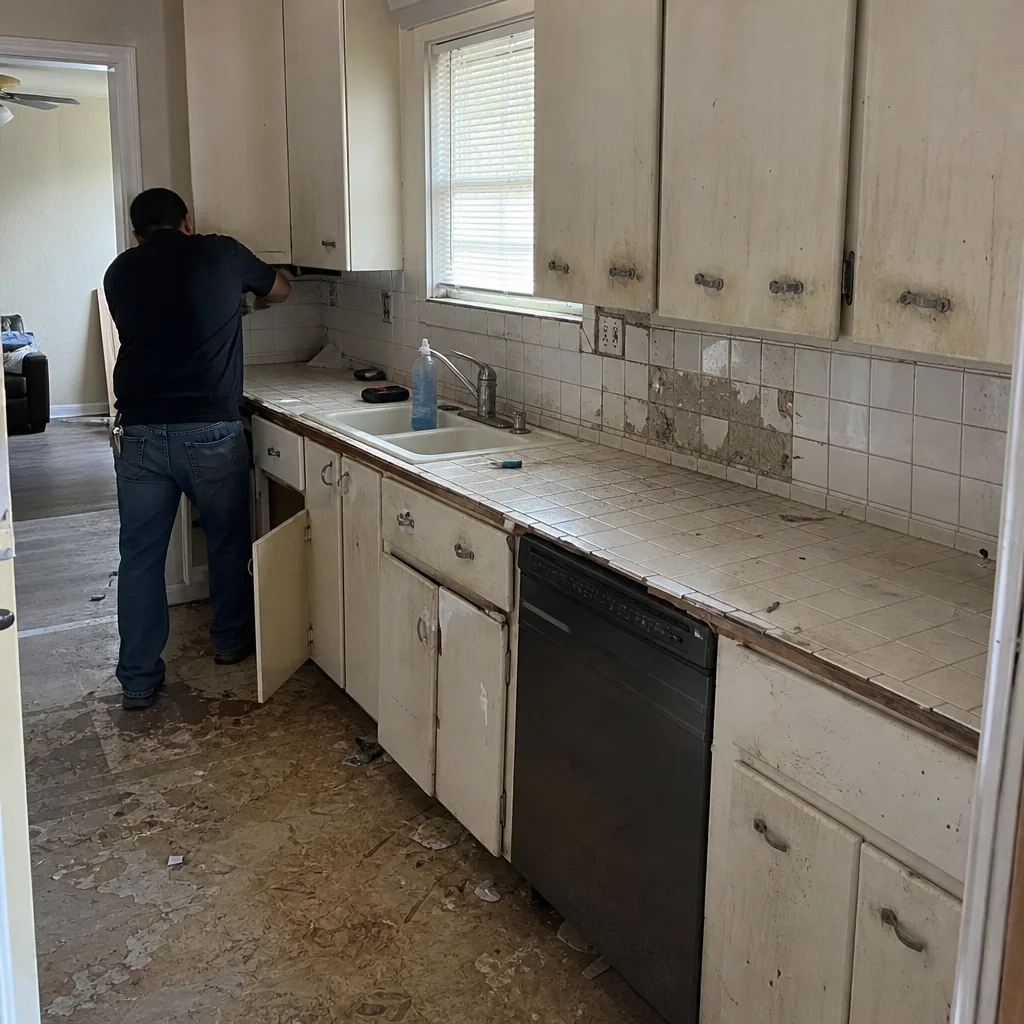
See the difference
 Before
 After
 Before
 After
 Before
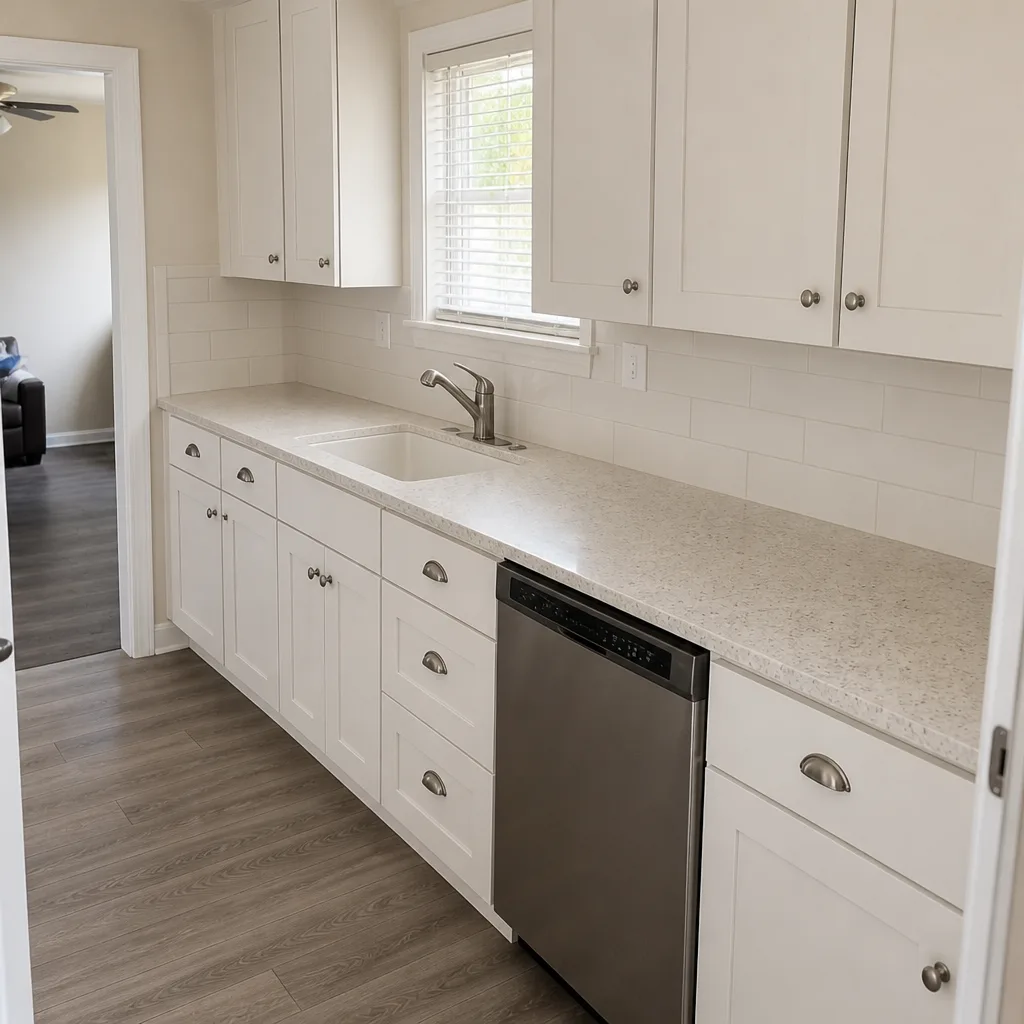 After
When to Call a Professional
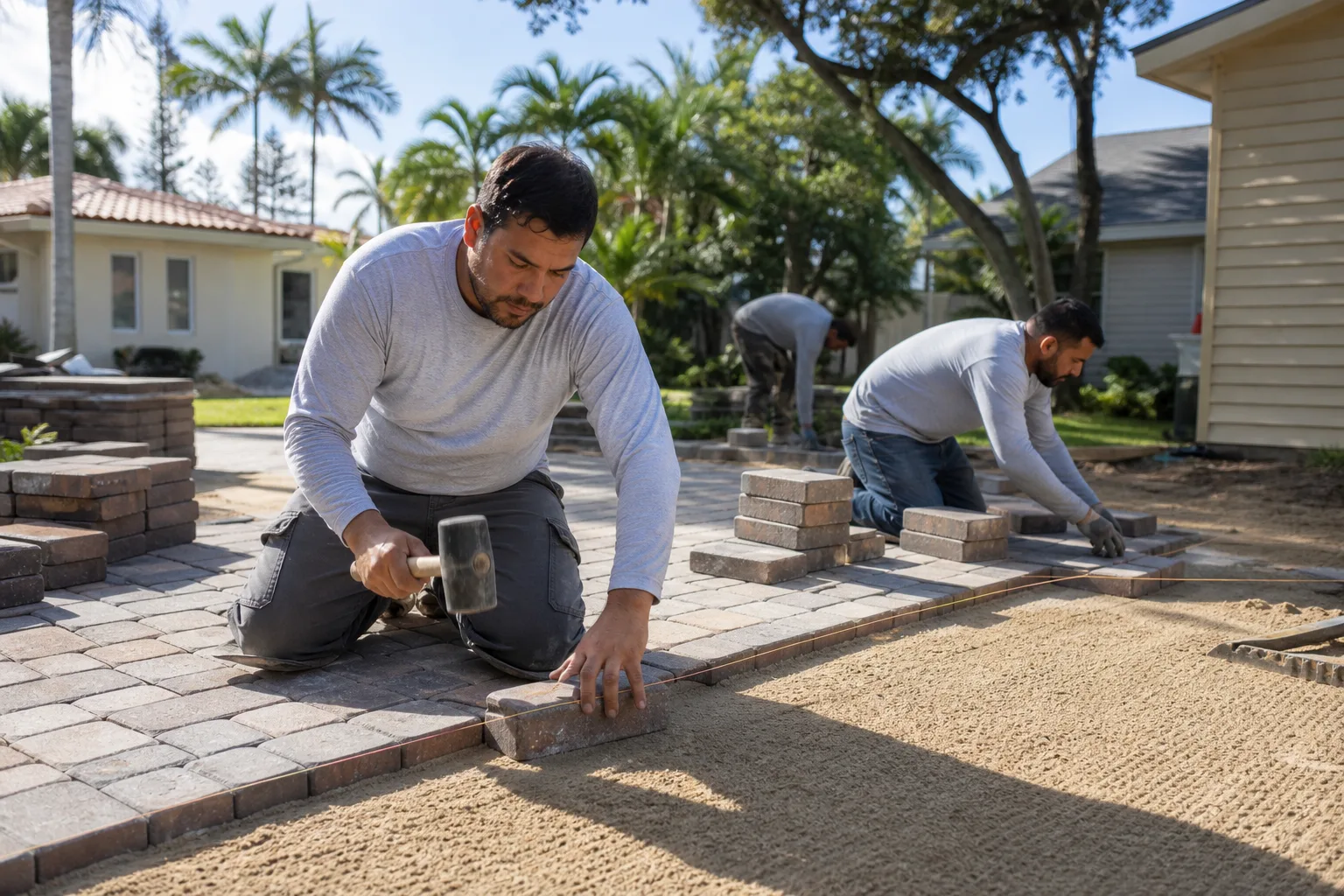
A paver driveway is not a weekend project you can safely improvise, especially on Dallas clay. Call a professional when existing pavers are rocking or heaving and the cause isn’t obvious, when water is pooling against the house after rain, when you’re replacing a cracked slab and need to know what’s underneath, or when your HOA requires approved materials and drawings. Those are the moments where a bad guess gets expensive.
Rowan Construction Group Dallas offers free estimates in Dallas – call (833) 954-5327. Because we put the written price and the written scope in front of you before any work starts, you’ll know exactly what the base, drainage and materials will cost before you commit. Bring a competitor’s written quote and we’ll review it line by line at no charge.
Frequently Asked Questions
A paver driveway in Dallas typically runs $12 to $30 per square foot installed, depending on material – concrete pavers sit lower in that range, natural stone and brick higher. A 600-square-foot two-car driveway commonly lands between roughly $7,200 and $13,200 for concrete pavers. Call (833) 954-5327 for an exact written quote; estimates are free.
Dallas’s expansive CH-rated clay can heave 3 to 4 inches seasonally, which is far more movement than a standard 4-inch base is built to absorb. A 6-inch compacted base spreads the load, provides a proper drainage plane, and buffers the paver field from that soil movement. On stable-soil markets a 4-inch base is common; in Dallas it’s a shortcut that shows up as rocking pavers within a few years.
Belgard, Unilock and Techo-Bloc are all available through Dallas-area suppliers. Yes, PSI matters – compressive strength tells you how well a paver handles vehicle loads, and you want a product rated for vehicular traffic, not pedestrian use. Ask for the manufacturer’s spec sheet for the exact paver before you commit. A wrong-rated paver is a costly mistake on a driveway.
It depends on the scope. In Dallas, a driveway connecting to a public street or changing the curb cut or drainage may require a permit and inspection; in-kind replacement is sometimes treated differently. In Plano, Frisco and McKinney, city rules vary and HOAs often add architectural approval. Confirm the current requirement with the city and check HOA covenants before buying materials, and ask your contractor who pulls the permit. Call (833) 954-5327 to talk through your scope.
A proper scope names the base depth and compaction method, the drainage plan, the edge restraint type, the joint sand spec, whether excavation and haul-away are included, the exact brand and color with HOA approval, and a flat written price with a warranty. No work should proceed on any change until a change order is signed. If a quote is one line, ask for the line items.
A correctly based paver driveway on Dallas clay can last decades; a poorly based one can start rocking within three years. The difference is the base depth, the grading for drainage, and proper compaction – not the brand of stone. Materials matter as a hedge, but the base does the real work. Call (833) 954-5327 for a free estimate and a written scope before you commit.
The Bottom Line
On Dallas clay, the base is the whole ballgame. Choose a paver brand before anyone has assessed the soil and you’re guessing; build a 6-inch compacted, properly drained base and a driveway can hold level for decades. Concrete pavers run $12 to $22 per square foot installed in Dallas, with natural stone and brick climbing higher, and the cost that matters most is the base preparation – the part most quotes bury. Demand a written scope that names the base, the drainage and the edge restraint, get your HOA approval first, and know your permit requirements before the first paver goes down. Then pick the stone.
Ready to get a written price before any work starts? Rowan Construction Group Dallas delivers a flat written price and a written scope before anyone picks up a tool, with a documented photo record on every visit and the 365-Day Done Right Promise behind the work. Call (833) 954-5327 for a free estimate, and bring a competitor’s quote for a free line-by-line second opinion.
Written by the team at Rowan Construction Group Dallas.