Last updated November 17, 2026
Free written scope consultation - allowances, timeline, and change-order rules on paper before a single trade is scheduled
Driveway & Pavers Maintenance Schedule: What to Do and When
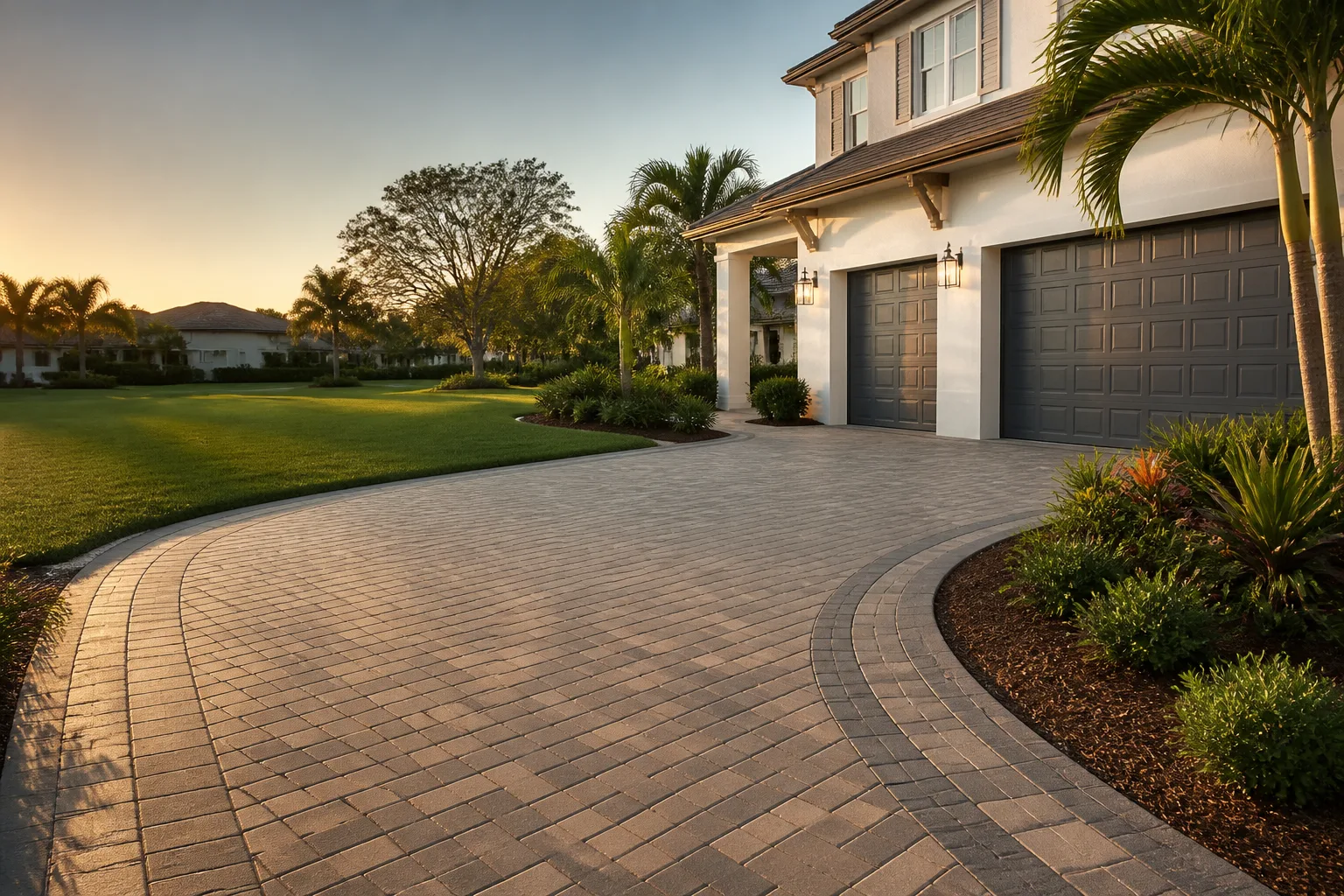
Polymeric joint sand is the material that locks pavers together and keeps weeds out of the joints, and it has a functional lifespan of three to seven years. Most homeowners don’t learn this until a section of driveway has already sunk and the fix is a $1,500 base repair instead of a $200 sand top-off. Dallas makes this worse than most markets because the climate runs two separate stress cycles a year, not one. This guide lays out a month-by-month schedule built around Dallas weather, the sealer types that actually hold up here, a written DIY inspection checklist with real thresholds, and the maintenance-versus-repair math in dollars.
Quick Answer
On a Dallas paver driveway, seal before the June heat (April to mid-May), top off polymeric joint sand every two to three years, and inspect after every fall storm and freeze event. Plan on $200 to $600 per maintenance cycle for sealing and sand, and treat skipping two cycles as a $1,500 to $4,000 gamble on base repair. The schedule follows Dallas’s thermal expansion and freeze cycles, not the generic spring-and-fall calendar most national guides publish.
Styles & brands we work with
- Kitchen remodeling
- Bathroom remodeling
- Home additions & ADU
- Roofing
- Windows & doors
- Driveway & pavers
- Fence
Table of Contents
- Why Dallas Is a Two-Cycle Climate for Pavers
- The Month-by-Month Dallas Paver Calendar
- Polymeric Joint Sand: The Three-to-Seven-Year Clock
- Penetrating vs. Film-Forming Sealers: Which and When
- The Annual DIY Inspection Checklist
- Weed and Moss Treatment That Won’t Ruin Your Joints
- Maintenance vs. Repair: The Numbers Side by Side
- Freeze-Event Protocol for Dallas Ice Storms
Why Dallas Is a Two-Cycle Climate for Pavers
Concrete and clay pavers expand and contract with temperature. In Dallas, that swing runs from summer highs above 100°F down to single-digit lows during the occasional arctic push. The expansion in July pushes pavers tight against edge restraints. The contraction during a February freeze pulls them back. Every cycle nudges joint sand outward and stresses the bedding layer underneath. A paver system installed in 2018 on a driveway in Lakewood has already lived through six or seven of these full cycles.
The second stress cycle is water. Dallas averages around 39 inches of rain a year, and the severe thunderstorms that roll through in March through May and again in October are the ones that matter for pavers. A storm that drops two inches in an hour tests the drainage channel, the slope of the base, and whether the joint sand is intact. If any one of those is compromised, water reaches the bedding sand, and the base starts to move.
The pattern we see most often: a driveway in Preston Hollow or the Park Cities looks fine after a dry spring, gets sealed late, and then the first hard freeze in January opens a joint that water got into during a November storm. The paver heaves a quarter-inch. It goes unnoticed. By the following summer, the surrounding pavers have migrated, and the fix has grown from a $300 re-sand to a base repair. That sequence, repeated across the metro, is why a Dallas paver schedule cannot be lifted from a guide written for Phoenix or Chicago.
The Month-by-Month Dallas Paver Calendar
Here is the schedule we hand to homeowners who ask what to do and when. It is built around Dallas weather, not a generic task list.
- January: Post-freeze inspection. Walk the driveway after any hard freeze. Look for heaves, rocking pavers, and joint sand that’s washed or blown out. Any paver that rocks underfoot is a call-us item.
- February: Second freeze check. Dallas can freeze again late in the month. Same inspection, five minutes, no tools.
- March: Pre-storm-season prep. Clear the drainage channel at the apron. Check that the joint sand is at depth. If it’s below the chamfer, top it off before the spring rains.
- April: Seal window opens. Air temps need to be above 50°F and rising, with 24 hours of dry weather after application. April in Dallas usually cooperates.
- May: Second seal window. This is the last clean shot before the summer heat. Do not seal once daytime highs push past 90°F.
- June through August: Monitor only. No sealing. Watch for weeds in joints and check the apron edge where thermal expansion is highest.
- September: Post-summer inspection. Heat expansion has been working on the edge restraint all summer. Check for movement.
- October: Post-storm inspection. After the first significant fall thunderstorm, walk the drive. Water that pools anywhere on the surface is a slope issue, not a paver issue.
- November: Pre-winter prep. Clear debris from the drainage channel. Confirm joint sand is at depth before the first freeze.
- December: Freeze watch begins. Salt and ice-melt products are the enemy of polymeric sand; see the freeze protocol below.
If you’d rather not track the calendar yourself, this is the kind of work a driveway and pavers service in Dallas folds into a maintenance visit. The point is not to sell you a plan; the point is that the timing matters.
Polymeric Joint Sand: The Three-to-Seven-Year Clock
Polymeric sand is a mix of fine sand and a polymer binder. Once it’s installed and activated with water, it cures into a semi-rigid joint that resists washout, blocks weeds, and stops ants from tunneling under pavers. It is the single most important component of your driveway’s longevity, and it is the one homeowners forget.
The functional lifespan runs three to seven years depending on how much sun, traffic, and water the driveway sees. A shaded driveway under trees in the M Streets will run the short end. A full-sun driveway in Frisco will run the long end. The signs it’s failing:
- Joint sand sitting below the paver chamfer by more than 1/8 inch, which means it’s eroded and needs topping off.
- Weeds or grass sprouting from joints, which means the polymer binder has broken down.
- Ant mounds along the joints or at the edges, which means the sand has loosened enough to let them in.
- Sand washing out visibly after a heavy rain, which means you have both an erosion and a drainage issue to solve.
Top-off is a maintenance item. Full replacement is what you do when the clock runs out. Budget the top-off every two to three years and a full joint re-sand every five to seven. That’s a $200 to $400 item for a typical two-car driveway in Dallas. Skip it and the $1,500 base repair, which is a real number from real jobs, becomes the cheaper option only if you enjoy surprises.
Penetrating vs. Film-Forming Sealers: Which and When
Paver sealers come in two families, and Dallas pushes hard on which one you should choose.
Penetrating sealers
These soak into the paver surface and chemically bond with the material without leaving a film. Brands like TechniSeal Paver Sealer and Foundation Armor make penetrating formulations that are breathable. Reapplication interval is generally three to five years. On a Dallas driveway, penetration is the choice we recommend for any paver that isn’t already stained or badly weathered.
Film-forming sealers
These leave a visible coating on the surface, which can look glossy or wet. Brands like Super Seal 30 and EnduraSeal make film-forming products that give the pavers a “wet look” and pop the color. The problem in Dallas: film-forming sealers don’t breathe, which traps moisture underneath and leads to efflorescence (the chalky white mineral bloom) and, worse, freeze-damaged paver faces. If you must go film-forming, plan to reapply every two to three years and expect to strip it before every re-coat.
For a typical Dallas paver driveway, doing the penetrating sealer before the June heat means the sealer cures fully before the thermal expansion cycle starts pushing pavers tight. Do not seal after June. Do not seal if rain is forecast within 24 hours. Do not seal over a wet joint or wet paver surface. And do not seal a driveway that has standing water pooling on it, because you’d be sealing in the problem. That is a call-a-contractor moment.
The Annual DIY Inspection Checklist
This is what we walk through on a maintenance visit, and what you can check yourself in 15 minutes with no tools. Every item has a threshold: monitor, or call.
- Joint sand depth: Use a screwdriver to probe a joint to the bottom. If sand is more than 1/8 inch below the paver chamfer, monitor. If it’s more than 1/4 inch below or the joint is empty, top off or call.
- Edge restraint movement: Walk the perimeter and push the edge restraint inward with your foot. No movement means monitor. Any movement, any gap between restraint and the paver edge, or any paver lifting at the edge means call.
- Drainage channel clearance: Look at the channel along the garage apron and the low side of the driveway. Clear debris means monitor. Water pooling on the surface for more than a few minutes after rain stops means call, because it’s a slope issue.
- Surface staining: Motor oil and rust are usually cosmetic; efflorescence that returns after washing is not. A single stain means monitor. Recurring white bloom across several pavers means call; you likely have a moisture trap.
- Rocking pavers: Stand on each corner of the driveway and shift your weight. Any paver that rocks means call. Rocks signal bedding sand has washed out underneath.
- Weeds in joints: A handful of weeds means monitor and pick them out. A patch means the joint sand has broken down and needs replacement.
- Color fade: Even color means monitor. Faded or blotchy surface across the whole driveway means the sealer has worn through and needs reapplication.
Write down what you find, with dates. A written maintenance log is exactly the kind of record that matters if you ever sell the house, and it’s the same standard we hold ourselves to on every job: a documented photo record when we leave.
Weed and Moss Treatment That Won’t Ruin Your Joints
Not every herbicide is safe on a polymeric joint. Some of the products sold for weed control on hardscape will dissolve the polymer binder and turn your joints back into loose sand. Here’s what works and what doesn’t.
Safe for polymeric joints
- Vinegar-based herbicide (20% acetic acid): Apply directly to the weed, not the joint. It burns the weed down without harming the polymer.
- Hand-pulling: The cheapest and safest treatment. Pull weeds after rain when the soil is soft and the roots come out easily.
- Boiling water: Works on small weeds in Dallas’s summer heat and leaves no residue.
- Pre-emergent granular (Prodiamine-based, such as Barricade): Apply in early March before weeds germinate. Safe on polymeric joints, applied at label rate.
Not safe for polymeric joints
- Glyphosate-based herbicides (Roundup and similar): These are not safe on polymeric joints. They degrade the polymer and can cause joints to fail within a season.
- Concentrated bleach or chlorine: Will bleach the paver color and accelerate polymer breakdown.
- High-pressure washing over 2,000 PSI: Blasts the joint sand out. A paver driveway should be washed at 1,500 PSI or below with a fan tip.
Moss is less of a Dallas problem than a Houston one, but it does grow on shaded north-facing driveways, especially in neighborhoods with mature tree canopy like the M Streets and Wilshire Heights. For moss, a 50/50 mix of water and white vinegar sprayed on the affected area, left 20 minutes, and rinsed, is safe on pavers and joints. Apply in early morning, not midday, so it works before it evaporates.
Maintenance vs. Repair: The Numbers Side by Side
The case for scheduling maintenance is a financial one, and the numbers are on the page. Here is what a typical two-car paver driveway in Dallas actually costs across a ten-year window, done two ways.
- Maintenance path (doing the schedule): Sealing every three to four years at $300 to $600 per application. Joint sand top-off every two to three years at $200 to $400 per top-off. Annual DIY inspection, free. Ten-year total: roughly $2,000 to $3,500, with the driveway looking and performing the way it did on day one.
- Skipping two cycles: No sealer for six years, no joint sand top-off for four years. Erosion reaches the bedding sand. Edge restraints move. A section of driveway sinks. Base repair for a two-to-three-square section runs $1,500 to $4,000, and that’s before the re-sand and re-seal you have to do anyway once the base is fixed.
The math is not close. Maintenance costs roughly half of what one skipped-cycle repair costs, and the repair takes a week you didn’t plan to lose. We’ve written about this in the broader context of residential construction in Dallas, and the same pattern shows up whether the trade is pavers or roofing: the homeowner who follows the schedule spends less, and the record proves it.
Freeze-Event Protocol for Dallas Ice Storms
Dallas does not freeze often, but when it does, ice storms and single-digit lows hit in a short burst and the damage lands fast. Here is what to do, in order, when the forecast calls for a freeze.
- Before the freeze: Clear the drainage channel. Confirm joint sand is at depth. Any paver that is already rocking, fix or brace it before it freezes in a bad position.
- During the freeze: Do not apply de-icing salt. Rock salt and calcium chloride crystals attack polymeric joint sand and stain pavers. Use sand for traction, nothing else.
- After the freeze: Wait 24 to 48 hours for a thaw, then walk the drive. Check for heaves of 1/8 inch or more, new rocking pavers, and popped joint sand at the edges. Any of those means call; freeze damage compounds fast.
- After an ice storm with tree damage: If limbs came down on the driveway, that’s a separate trade. The fence installation team in Dallas can also advise on storm-damaged fencing on the same property, and the driveway inspection should happen after the debris is cleared.
The freeze protocol is short because the window is short. Getting it right is the difference between a $0 inspection and a $1,500 base repair the following spring.
Common Mistakes to Avoid
- Sealing in the summer. Sealing when the pavers are above 90°F can cause the sealer to flash-cure before it penetrates, leaving a cloudy film you’ll pay to strip. Do it in April or May.
- Using salt on the driveway. Dallas’s occasional freeze has one lesson: rock salt ruins polymeric joints. Sand for traction, no salt, ever.
- Power-washing joints at full pressure. A 3,000 PSI pressure washer will strip the joint sand in minutes. Use a 1,500 PSI fan tip or a garden hose.
- Ignoring a rocking paver. A rocking paver in October is a $50 fix. A rocking paver that lives through the spring rains and gets sealed in April is a $400 fix. Same paver, different month.
- Treating efflorescence as cosmetic. White bloom that returns after washing means moisture is trapped underneath, and the cause is usually a film-forming sealer applied over a damp surface. It needs to be stripped, not re-coated.
- Sealing over weeds. Sealing a driveway with weeds in the joints locks them in and makes them harder to remove. Hand-pull or treat first, wait a week, then seal.
- Running the sprinkler onto the driveway. In Dallas’s July heat, an irrigation head that overshoots the lawn onto the pavers keeps the joint sand wet, which shortens its lifespan and grows weeds. A simple head adjustment saves the top-off.
See the difference
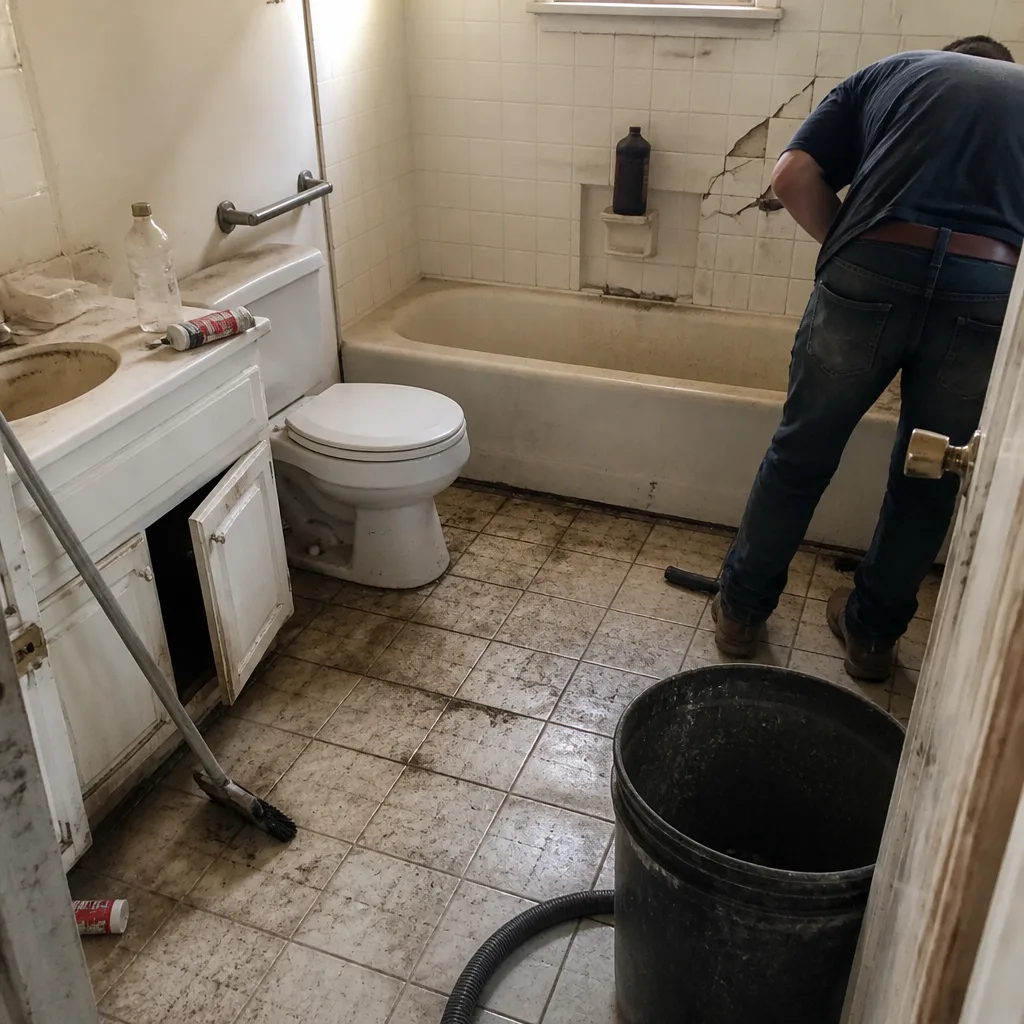 Before
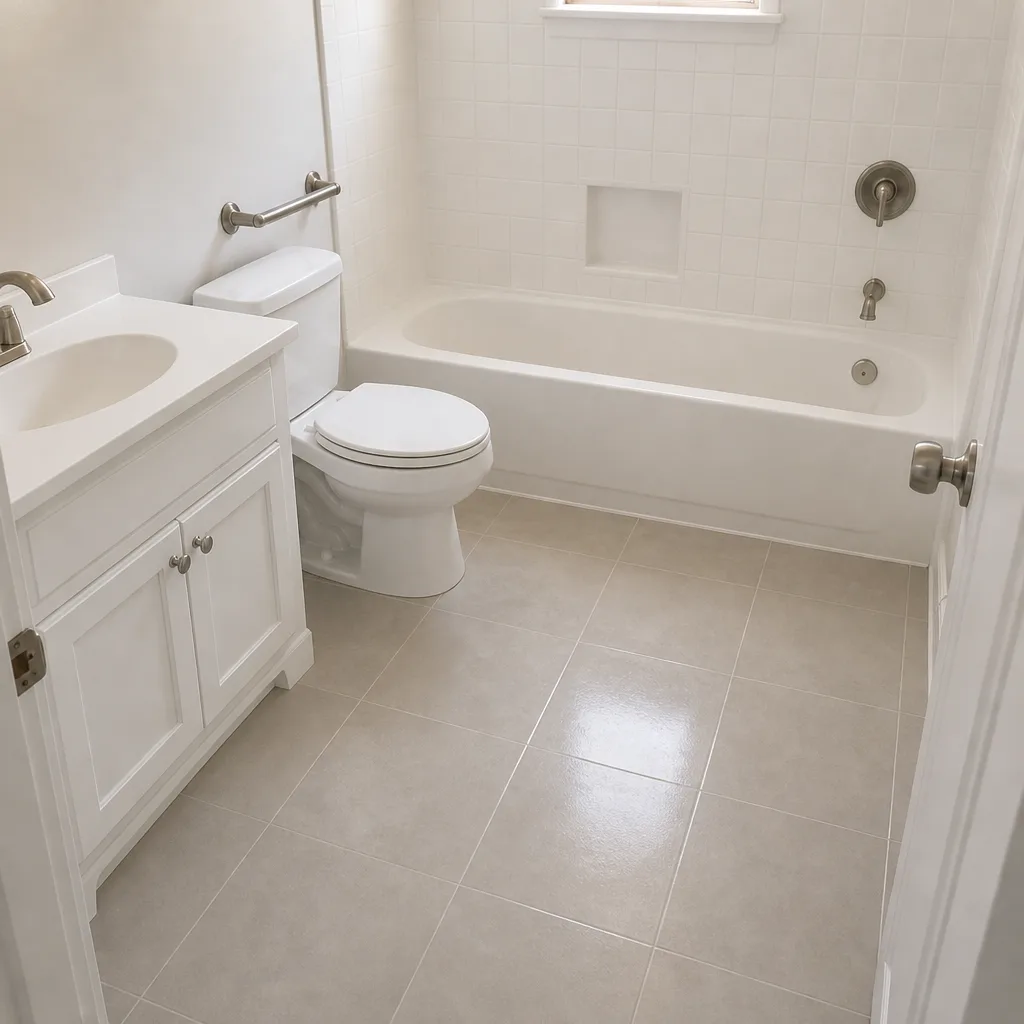 After
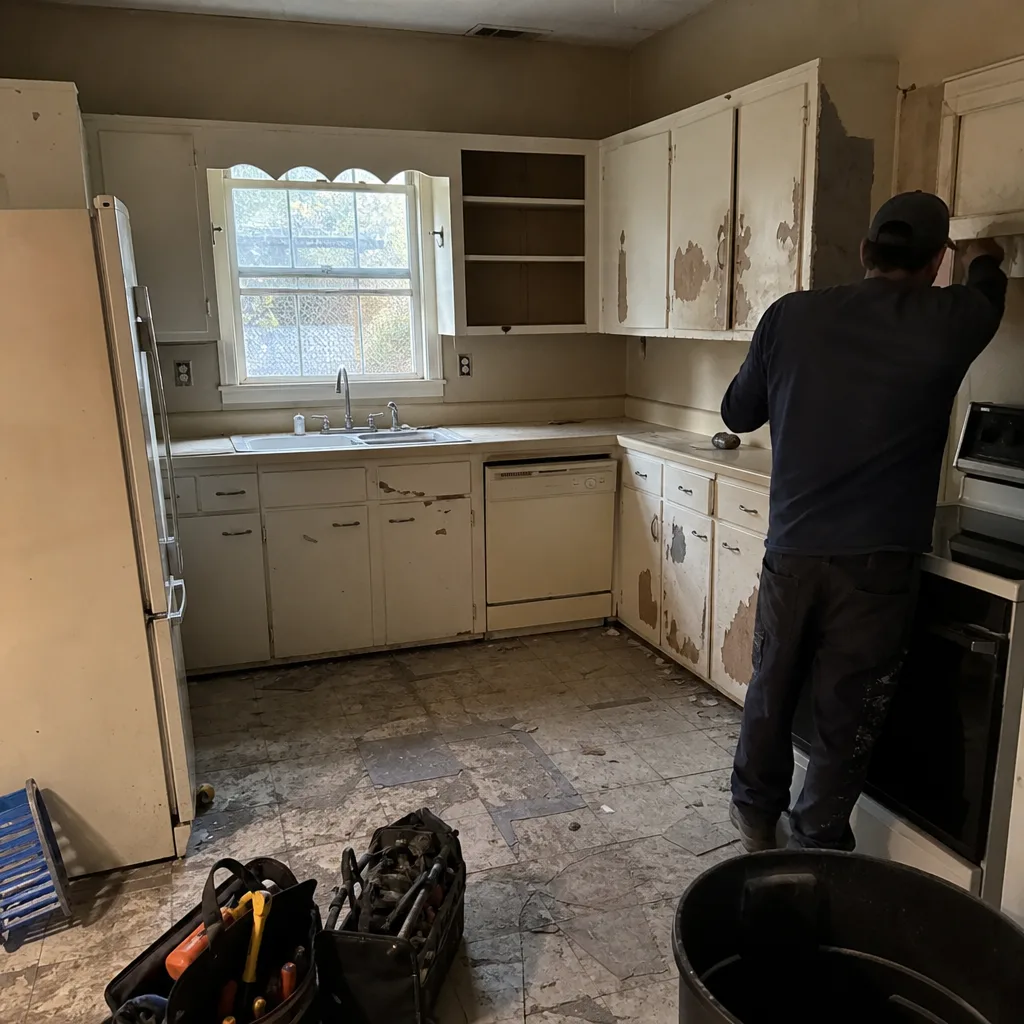 Before
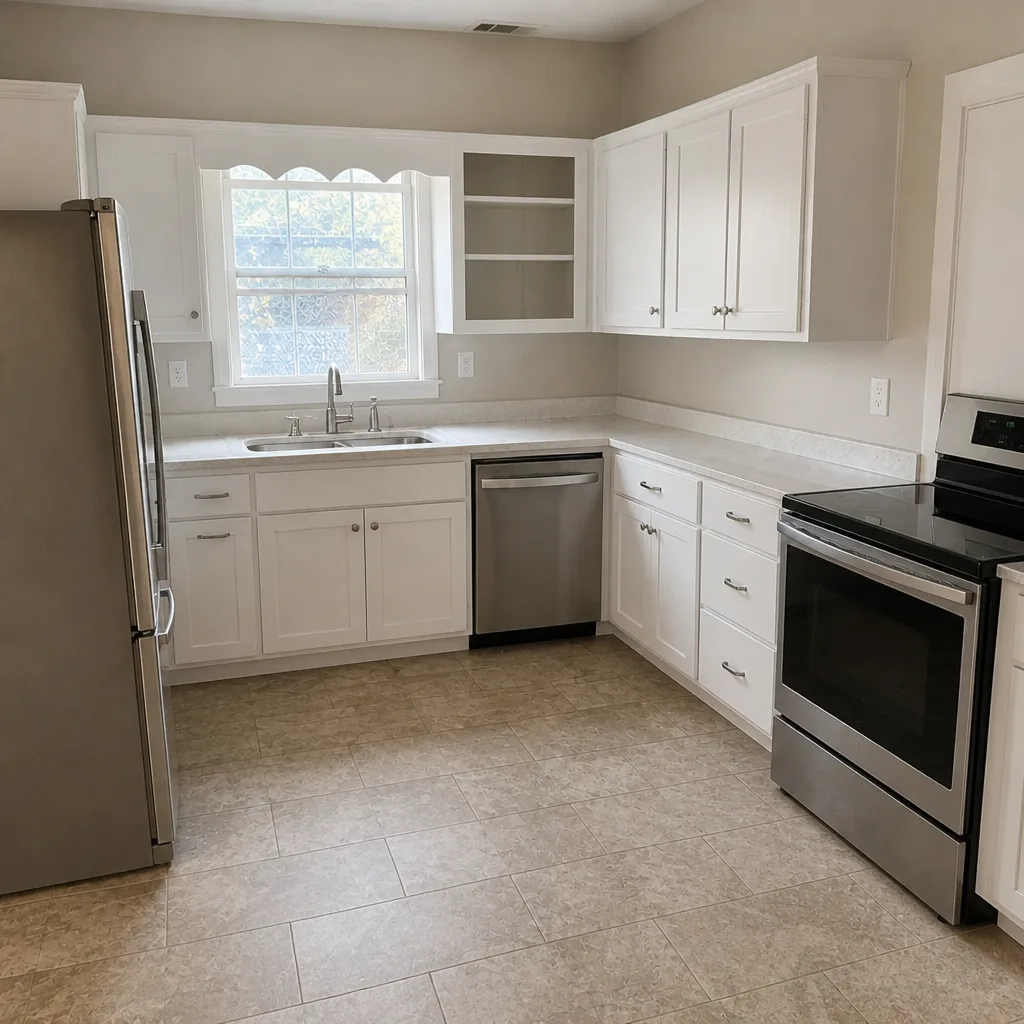 After
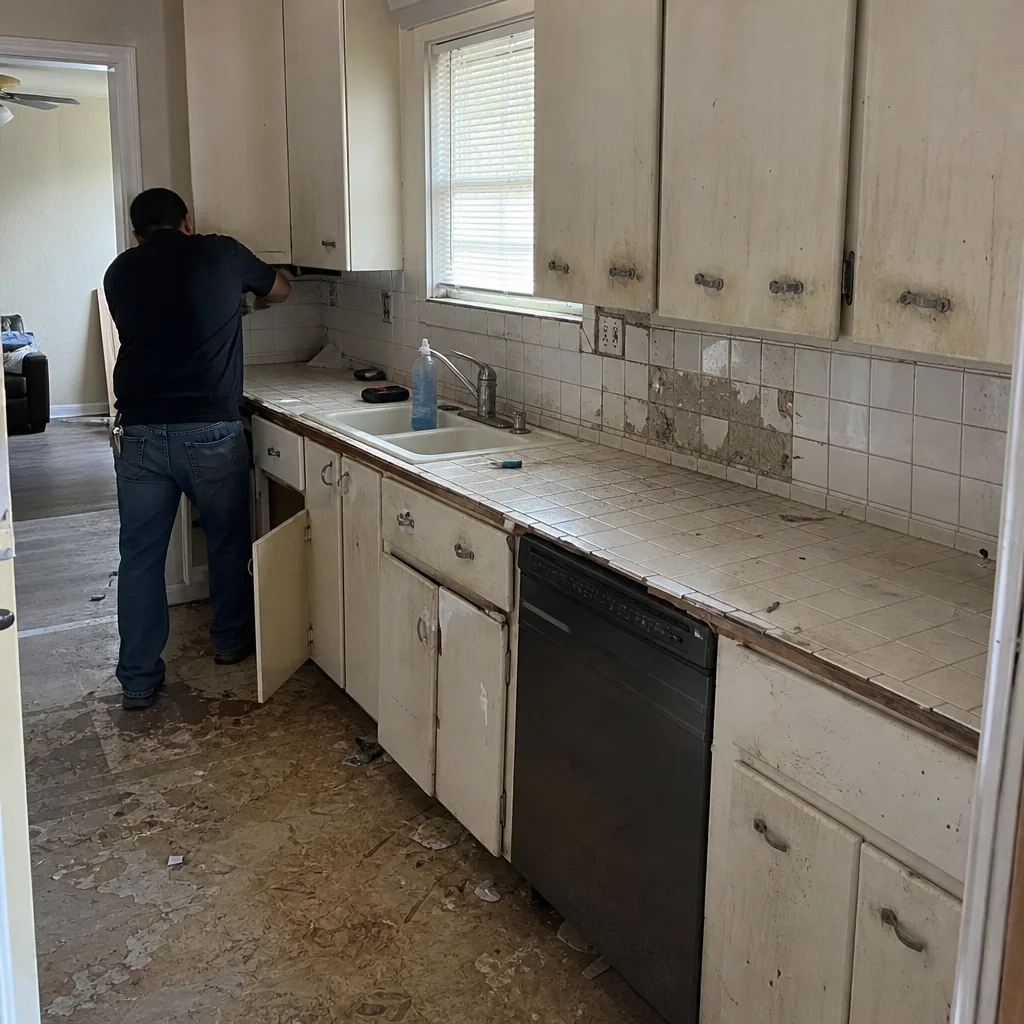 Before
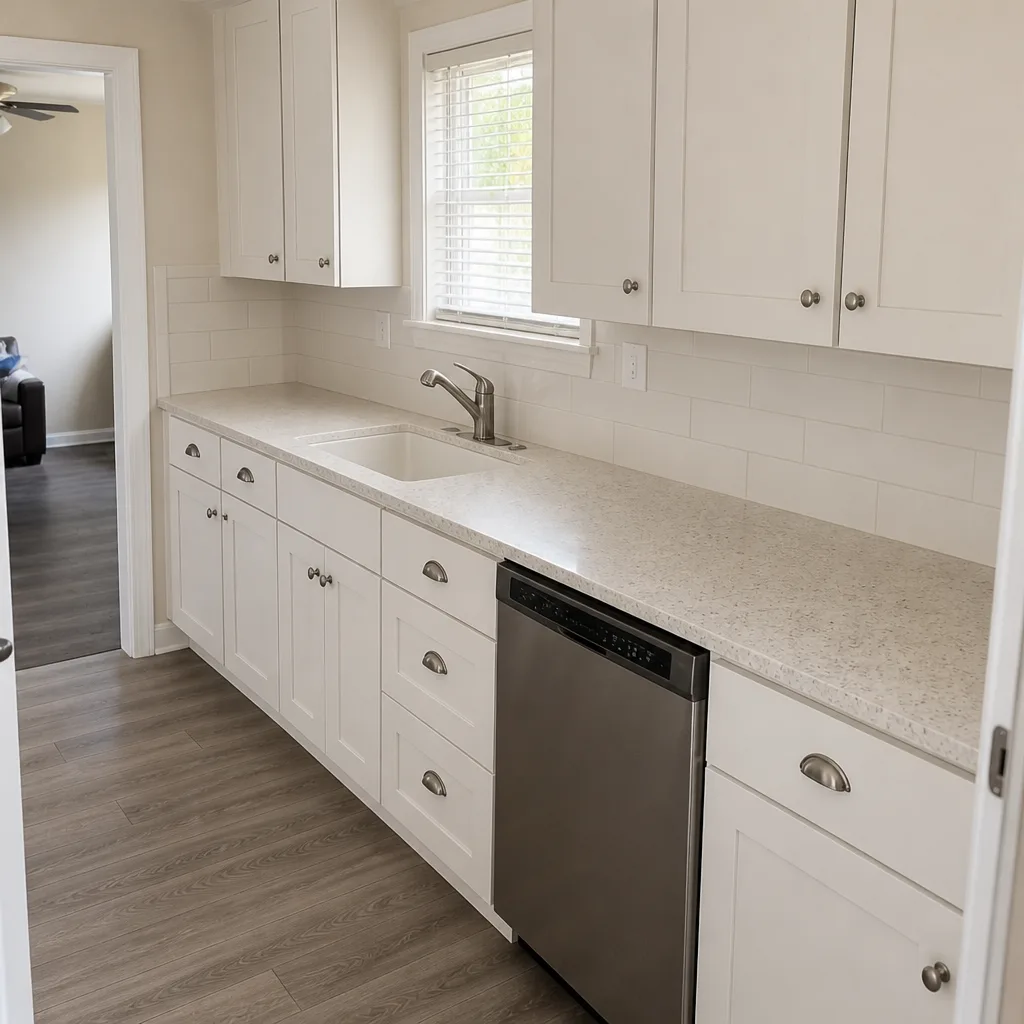 After
When to Call a Professional
Most of the schedule above is DIY, and it should be. The items that aren’t DIY are specific. Call when a paver rocks underfoot, when an edge restraint moves more than 1/8 inch, when water pools on the surface after rain stops, when efflorescence returns after a wash, or when a freeze event heaves more than one paver. Base repair, re-sloping, and edging are the three jobs that always go to a contractor; a sealer reapplication and a joint sand top-off are the two that homeowners usually do themselves. If you’re facing a base repair on a driveway that also needs a new retaining wall or a home addition on the same lot, the sequence matters and the project is bigger than a paver job. That’s a conversation about home additions and ADUs in Dallas, and it’s worth a second look before anyone breaks ground.
Rowan Construction Group Dallas offers free estimates in Dallas. Call (833) 954-5327 to schedule a walk-through. If you’ve got a written estimate from another contractor for the same work, we’ll review it line by line at no charge, and every quote comes with a flat written price before any work starts. Under Clause 1 of The Haven Standard, the number is on the page before anyone picks up a tool.
Frequently Asked Questions
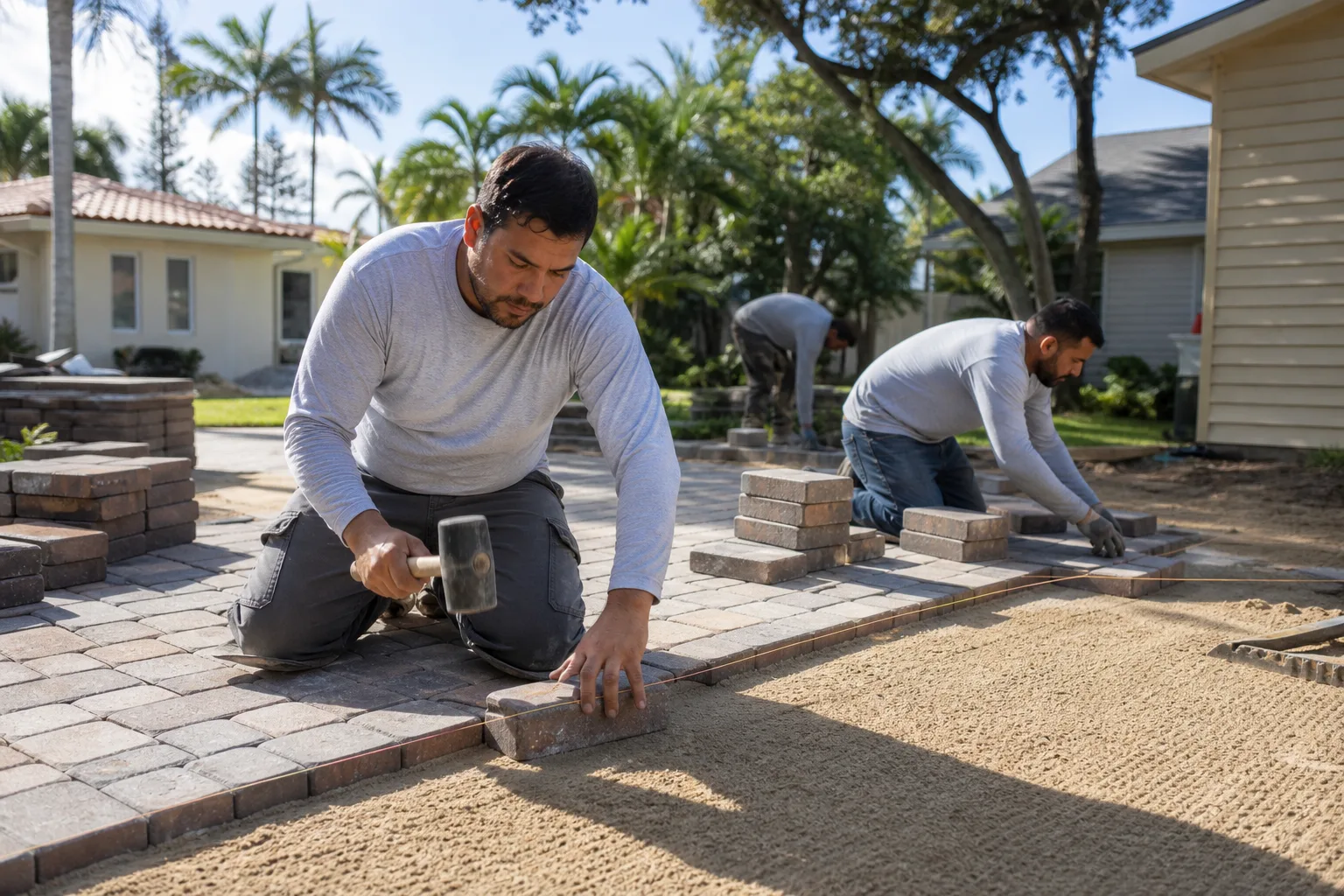
Every three to five years with a penetrating sealer, and every two to three years with a film-forming sealer. Dallas’s heat is the reason for the shorter interval on film-forming products: the surface gets harder on the coating every summer. For most Dallas driveways, penetrating is the better choice and the longer interval is a bonus. Call (833) 954-5327 for a free estimate on a seal or a schedule review.
The joints erode, weeds establish, and water reaches the bedding sand underneath the pavers. Once the bedding sand washes out, pavers rock, and a base repair becomes necessary. The joint sand replacement is $200 to $400 on a typical two-car driveway; the base repair it prevents is $1,500 to $4,000 or more. Call (833) 954-5327 to schedule a joint sand top-off before the next rain season.
No. Rock salt and calcium chloride attack the polymer binder in joint sand and stain the paver face. Use sand for traction, and remove any salt you’ve already applied with a broom and a hose before the freeze. After the thaw, inspect for heaves and call if you find one. Call (833) 954-5327 if you’re not sure what you’re looking at.
$300 to $600 for a typical two-car driveway, including the sealer and the labor. Larger driveways, stamped or colored pavers, and driveways that need joint sand top-off in the same visit run toward the top of that range. Estimates are free, and the price is written before work starts. Call (833) 954-5327 for an exact number for your driveway.
Yes, and the damage is disproportionate to the number of freeze days. A single ice storm with two hard freezes can open joints that were already compromised, and the resulting heave is often 1/8 to 1/2 inch. Inspect within 48 hours of any thaw. If you find movement, call (833) 954-5327 before the spring rains get into the joint.
It will, and the difference is measured in years, not months. A paver system installed with a proper base and maintained on the schedule (seal every three to four years, sand every two to three, inspect annually) routinely lasts 25 years or more. The same system with no maintenance typically needs base repair within ten. Call (833) 954-5327 to schedule the first inspection and get a written schedule for your specific driveway.
The Bottom Line
A paver driveway in Dallas is a long-lived asset, but it lives on a clock set by the local climate: thermal expansion in the summer, freeze events in the winter, severe storms in between. The schedule is small – seal in April or May, top off joint sand every two to three years, inspect annually and after every freeze, no salt, no high-pressure wash, no summer sealing. The cost of following it is $200 to $600 per cycle. The cost of skipping two cycles is a $1,500 to $4,000 base repair. That’s the whole case, and it’s the reason we put the number in writing before anyone starts. Call (833) 954-5327 for a free estimate and a written schedule that fits your driveway.
Written by the team at Rowan Construction Group Dallas.