Last updated November 17, 2026





Free written scope consultation - allowances, timeline, and change-order rules on paper before a single trade is scheduled
Windows & Doors Troubleshooting: Common Problems and How to Fix Them
Here’s the number that should stop you before you buy another tube of exterior caulk: a failed insulated glass unit (IGU) can cost a homeowner $50 to $200 in sealants, weatherstripping, and “leak stop” sprays that do absolutely nothing. The fog is between the panes. No product you apply to the inside or outside of the glass will reach it. Misdiagnosis is the most expensive part of window and door repair, and it’s the easiest part to get right. In this guide we’ll walk through the four problems Dallas homeowners call us about most – condensation, sticking doors, drafts, and lock misalignment – and show you how to tell a maintenance failure from an installation failure before you spend a dollar.
Quick Answer
Most window and door problems have two possible causes: a maintenance failure you can fix, or an installation failure in the opening itself that no surface repair will solve. Condensation between glass panes means a failed IGU seal and a glass replacement, not a cleaning project. A door that sticks seasonally is usually wood movement; a door that sticks year-round is usually a foundation question. Drafts and misaligned locks come down to whether the frame and rough opening are still square. Diagnose the cause first, then decide.
Styles & brands we work with
- Kitchen remodeling
- Bathroom remodeling
- Home additions & ADU
- Roofing
- Windows & doors
- Driveway & pavers
- Fence
Table of Contents
- Condensation: The Three-Location Decision Tree
- Sticking Doors: Seasonal Wood vs. Foundation Movement
- Draft Infiltration: Finding the Real Source
- Lock and Hardware Failure: Hardware vs. Frame
- When to Stop Troubleshooting and Call a Contractor
- Common Mistakes to Avoid
- Frequently Asked Questions
Condensation: The Three-Location Decision Tree
Where the water appears tells you almost everything. This is the single most useful diagnostic in window troubleshooting, and it takes about ten seconds to perform.
1. Condensation on the interior glass surface. This is a humidity problem inside your house, not a window failure. Dallas homes run humid through summer and into fall, and bathrooms, kitchens, and laundry rooms with weak exhaust drive interior glass fogging. The window is doing its job. Response: run exhaust fans longer, confirm the bath fan actually vents outside through the roof or wall (we’ve found plenty in Dallas that dump into the attic), and drop indoor humidity below 50 percent. No window work required.
2. Condensation between the panes. This is a failed IGU seal, full stop. The desiccant inside the spacer has been saturated, the argon has escaped, and the unit has lost most of its insulating value. Response: the glass assembly gets replaced. Cleaning, caulking, and sealing the exterior perimeter cannot fix it because the failure is inside the sealed unit. This is exactly the problem the hook above describes, and it’s the one homeowners most often throw money at.
3. Condensation on the exterior surface. Normal dew point physics. On a cool morning, an efficient window’s outer pane sits below the dew point and water beads up outside. It looks alarming and means the opposite of what people assume – it’s evidence the glass is insulating well. Response: none.
If you’re seeing water on the interior of a single-pane window in an older Dallas bungalow, plain old glass is simply cold. That’s a replacement conversation, not a repair one.
Sticking Doors: Seasonal Wood vs. Foundation Movement
A door that sticks in August and frees up in November is telling you something different than a door that drags all year. Get this distinction right and you’ll avoid both an unnecessary contractor call and an unnecessary repair.
The stick-season test
- Mark it on the calendar. Note when the door sticks and when it frees. Sticking only in humid months points to wood swelling in the door slab or jamb – a maintenance issue.
- Measure the gap. Close the door and measure the reveal (the gap between door edge and jamb) at the top, the strike side, and the hinge side. A consistent gap that shrinks in summer is seasonal. A gap that’s wide at the top and pinched at the bottom, or vice versa, means the opening has racked.
- Check it with a level. Place a 4-foot level on the hinge-side jamb and on the head jamb. Out-of-level readings that show up in more than one door in the house are the tell for foundation movement.
Seasonal wood movement responds to planing a small amount off the binding edge, adjusting hinges, or simply waiting out the humid season. It comes back next year, and that’s fine – it’s cosmetic.
Foundation shift is a structural problem first. Dallas sits on expansive clay soils that swell and shrink with our wet-dry cycles, and a house that racks enough to bind doors is a house you don’t want to start planing until a foundation specialist has looked at it. Adjust the door first and you’ll adjust it again in six months, because the opening keeps moving.
Draft Infiltration: Finding the Real Source
Most draft complaints end with a window replacement that isn’t needed. The air usually comes in somewhere other than the glass. Here’s how to find the actual path.
Two low-tech detection methods
- Incense stick test. On a windy day, light an incense stick and run it slowly along the window’s perimeter – the frame-to-wall joint, the sash-to-frame edge, the weatherstripping line, and the sill. Watch where the smoke bends toward the interior. That’s your leak.
- Thermal camera app. Phone-based thermal apps won’t give you lab accuracy, but they’ll show a cold streak where air moves across a surface. Use them on a cold morning with the heat off for ten minutes. A vertical cold band at the frame edge points to a rough-opening gap; a horizontal band at the sill points to weatherstripping.
Reading the result
- Smoke pulled in at the frame-to-wall joint: the gap is behind the frame, between the window and the rough opening. This is an installation failure. Interior or exterior trim caulk can slow it, but proper air sealing lives behind the trim and usually needs the casing off.
- Smoke pulled in at the weatherstripping line: worn or compressed weatherstripping. This is a cheap, legitimate DIY fix. Weatherstripping is a wear item; a decade of Dallas summers cooks it stiff.
- Smoke pulled in at the glass-to-sash seal (glazing): failed glazing compound or gasket. Small sections can be repaired; broad failure across the sash usually means the sash or unit is done.
One more Dallas-specific note: our north and west facades take the worst of summer sun and winter north winds. Draft complaints concentrate on those walls for a reason, and that asymmetry is normal, not evidence of a defective window.
Lock and Hardware Failure: Hardware vs. Frame
When a deadbolt stops sliding into its strike plate, the instinct is to replace the lock. Don’t – not yet. The lock is almost never the cause.
Test the alignment first. Open the door and turn the deadbolt. If the bolt throws and retracts smoothly with the door open, the lock is fine. The problem is alignment between the door and the frame, which is a frame question, not a hardware one.
Read the strike plate wear. Look at the strike plate on the jamb. A fresh scrape mark or a bright spot on one edge means the door has shifted in that direction. Widening the strike plate is a legitimate half-hour fix, but it treats the symptom.
Check plumb before you replace anything. Put a level on the hinge-side jamb. A frame that was plumb when it was installed and isn’t plumb now has moved. In Dallas, that’s often the same expansive-clay foundation issue that makes doors stick. Replacing the lock in that situation wastes $150 to $400 on hardware that will misalign again within a season.
Even on a door that is plumb, a worn strike plate or hinge screws that have pulled loose from soft wood can drop a door half an inch at the latch side. Tightening or replacing hinge screws with longer ones is a real fix here – but only after you’ve confirmed the frame is where it should be.
When to Stop Troubleshooting and Call a Contractor
Some symptoms mean the opening itself has changed and no surface fix will hold. Stop troubleshooting and get an assessment when you see any of these:
- Water intrusion at the sill. Staining, soft wood, or standing water at the interior sill points to a failed sill pan or flashing – both installation details, both behind the window, both requiring removal to correct.
- Visible daylight around the frame. If you can see light at the perimeter with the window closed, the rough-opening seal has opened up.
- A sash that won’t close to within ¼ inch. That gap is the threshold. If the sash can’t seat against the jamb, the opening has racked and the frame is no longer holding the sash square.
These are the conditions where careful window and door work paid for itself the first time, because they tie into the framing and flashing, not the trim. It’s the same discipline we bring to every opening in a house – the same reason our Rowan Construction Group Dallas home puts the written price in front of the work. When a fix requires going behind the drywall, the scope has to be understood before anyone starts.
Common Mistakes to Avoid
- Caulking over between-pane condensation. The water is inside the sealed unit. Exterior caulk cannot reach it and just makes a mess of the frame. Replace the IGU.
- Planing a door that’s bound up by foundation movement. You’ll shave the door and the frame will keep moving. Level the jamb and check the house first, especially in older Dallas neighborhoods where clay soil is unforgiving.
- Replacing a window for a draft caused by a rough-opening gap. The new window will leak in the same place, because the air path behind the frame is still open.
- Swapping the deadbolt before testing alignment. If the lock works with the door open, it works. The door or frame has moved.
- Assuming exterior morning condensation is a defect. It’s dew point physics and actually a sign the glass is insulating properly.
- Ignoring a bath fan that vents into the attic. It dumps moisture into the structure and shows up as interior glass fogging that looks like a window problem.
- Treating a single ⅛-inch seasonal gap the same as a ¼-inch rack. One is weatherstripping territory; the other is an opening that has moved.
See the difference
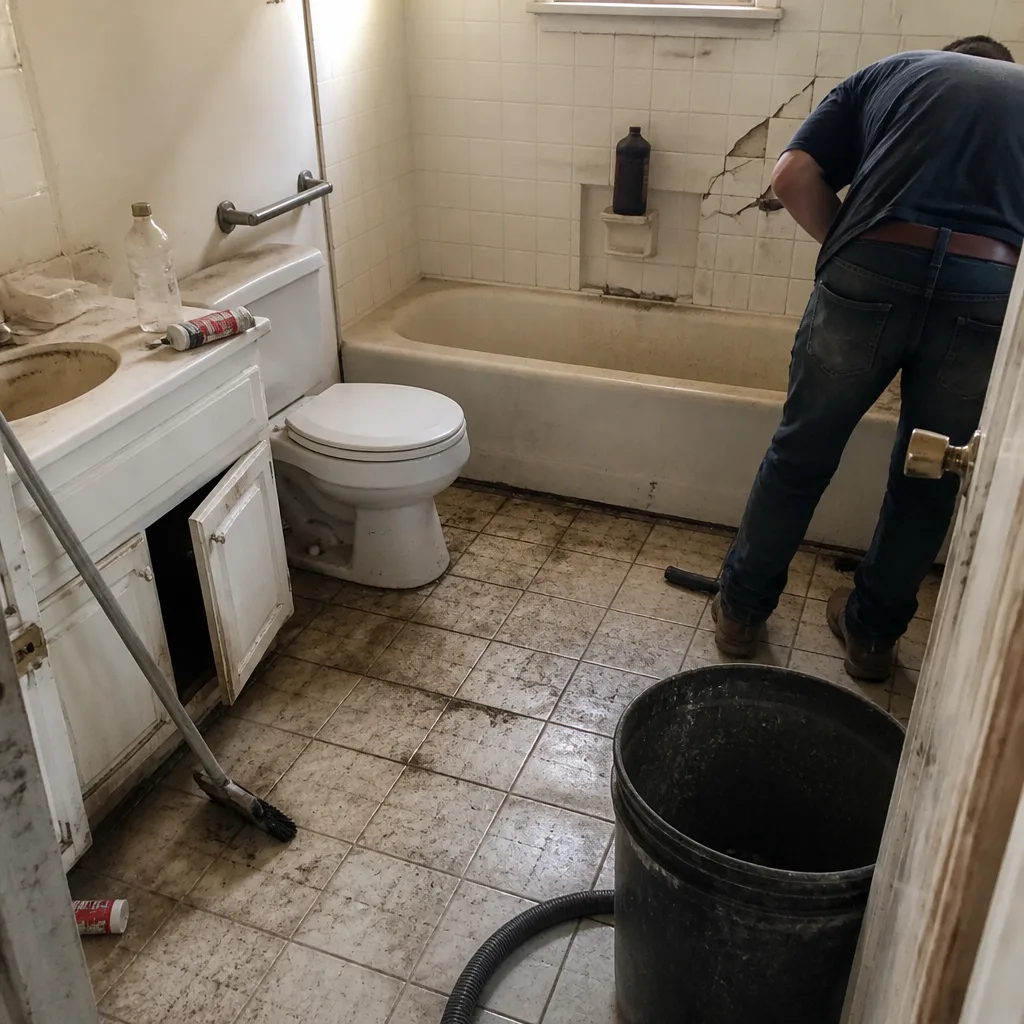 Before
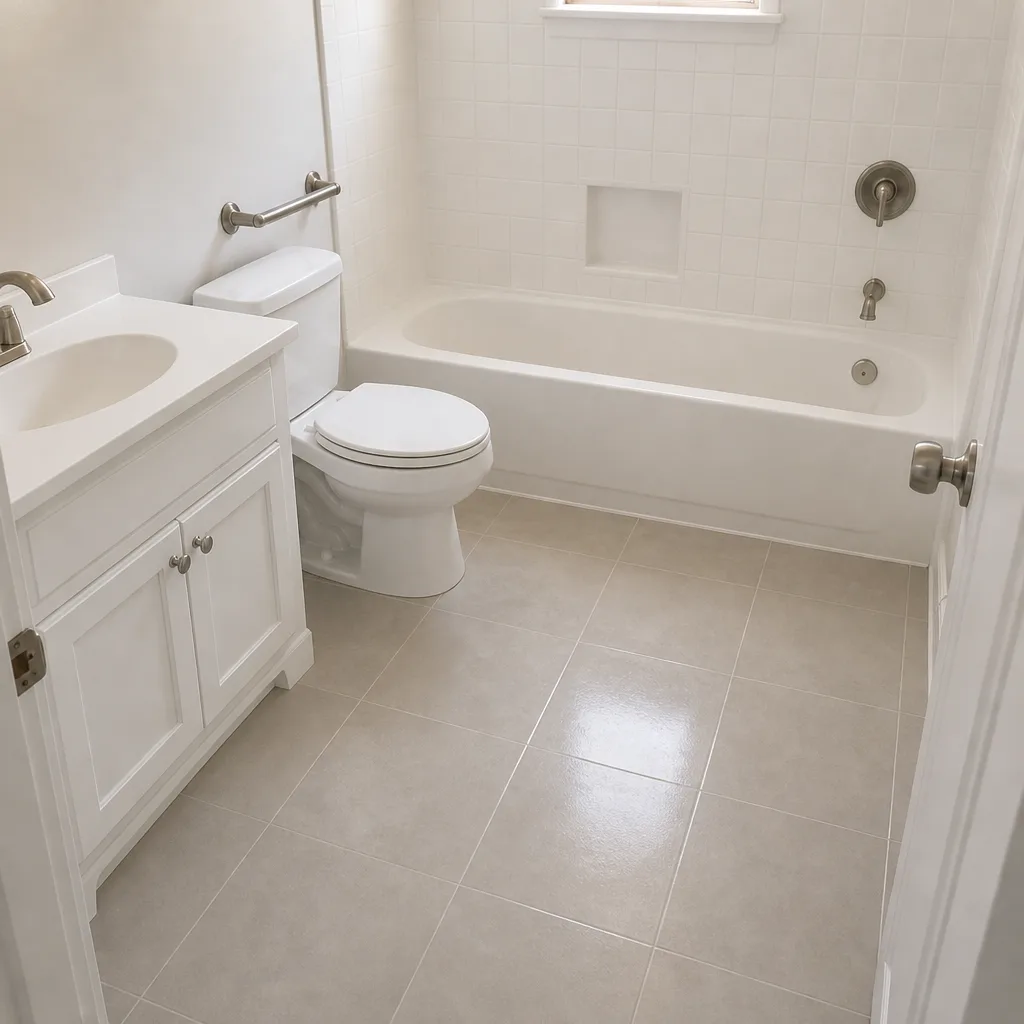 After
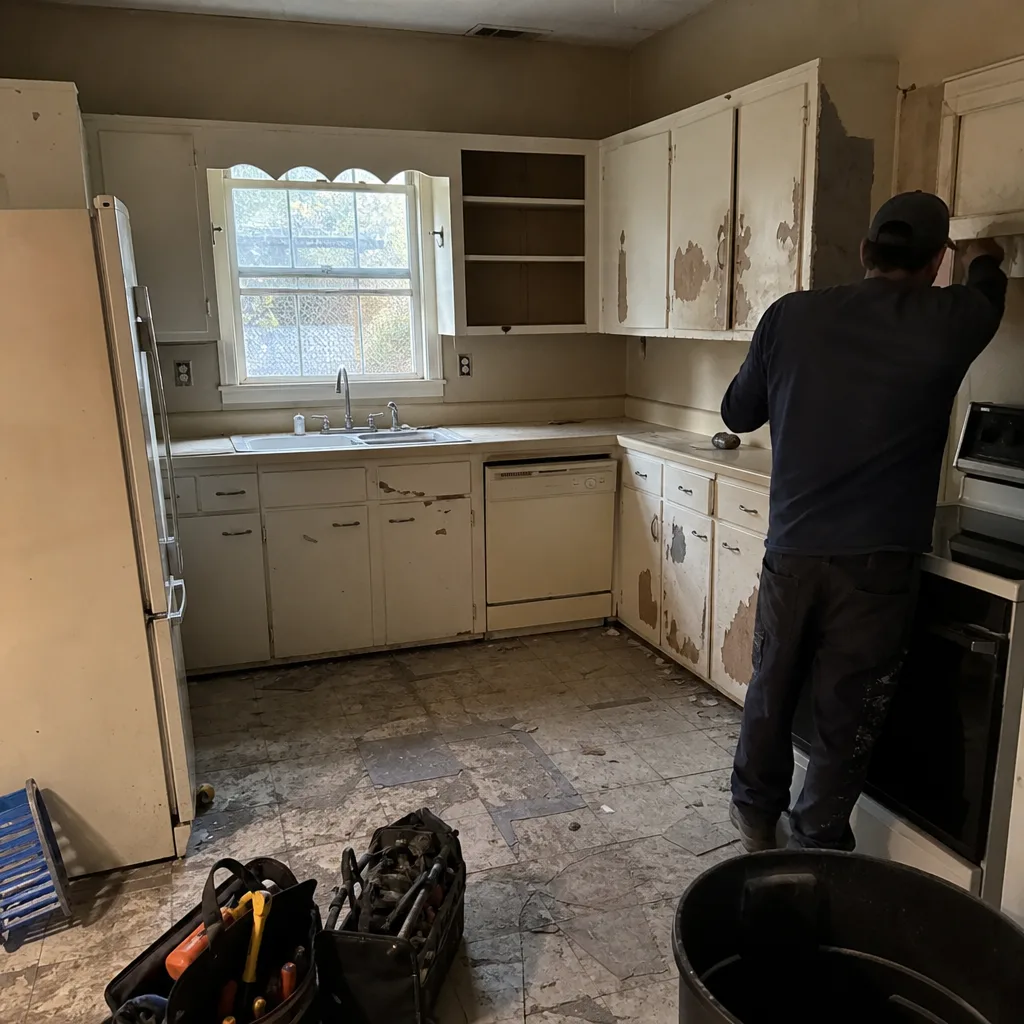 Before
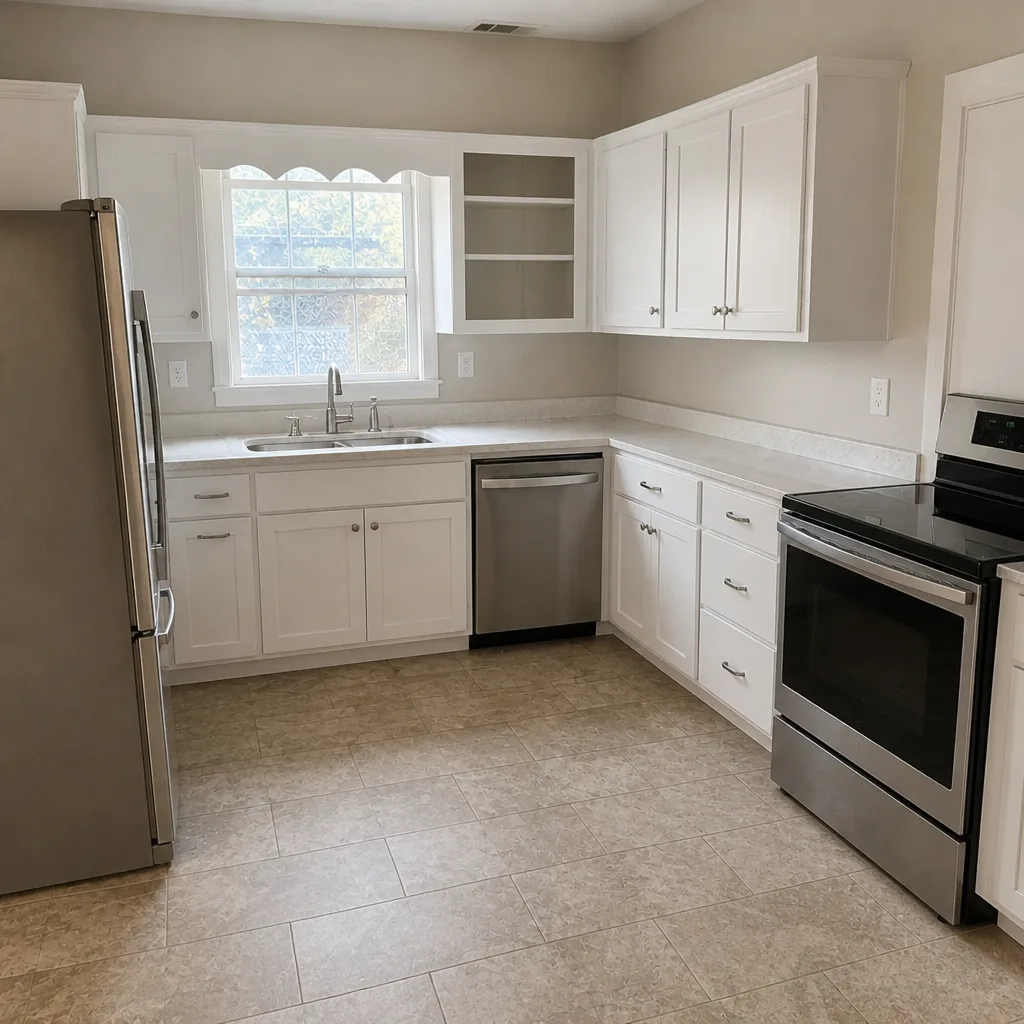 After
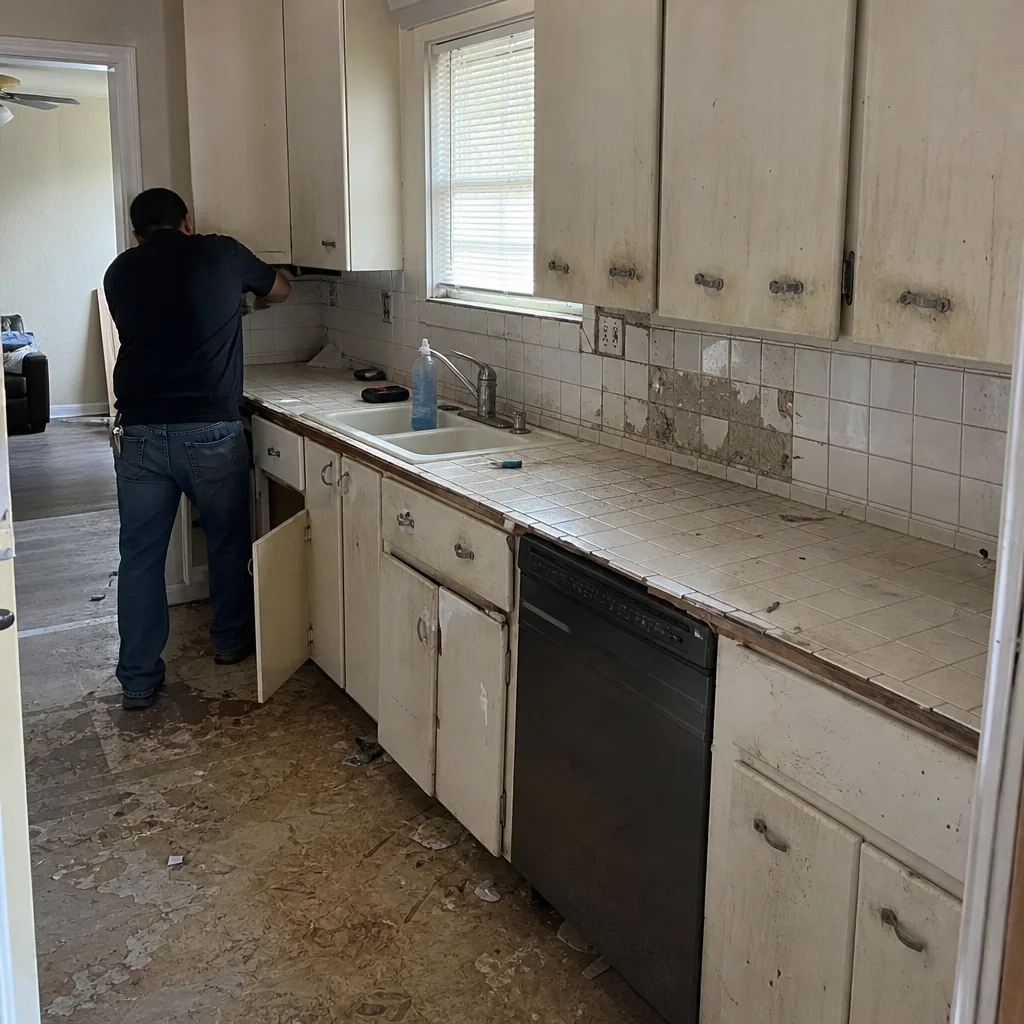 Before
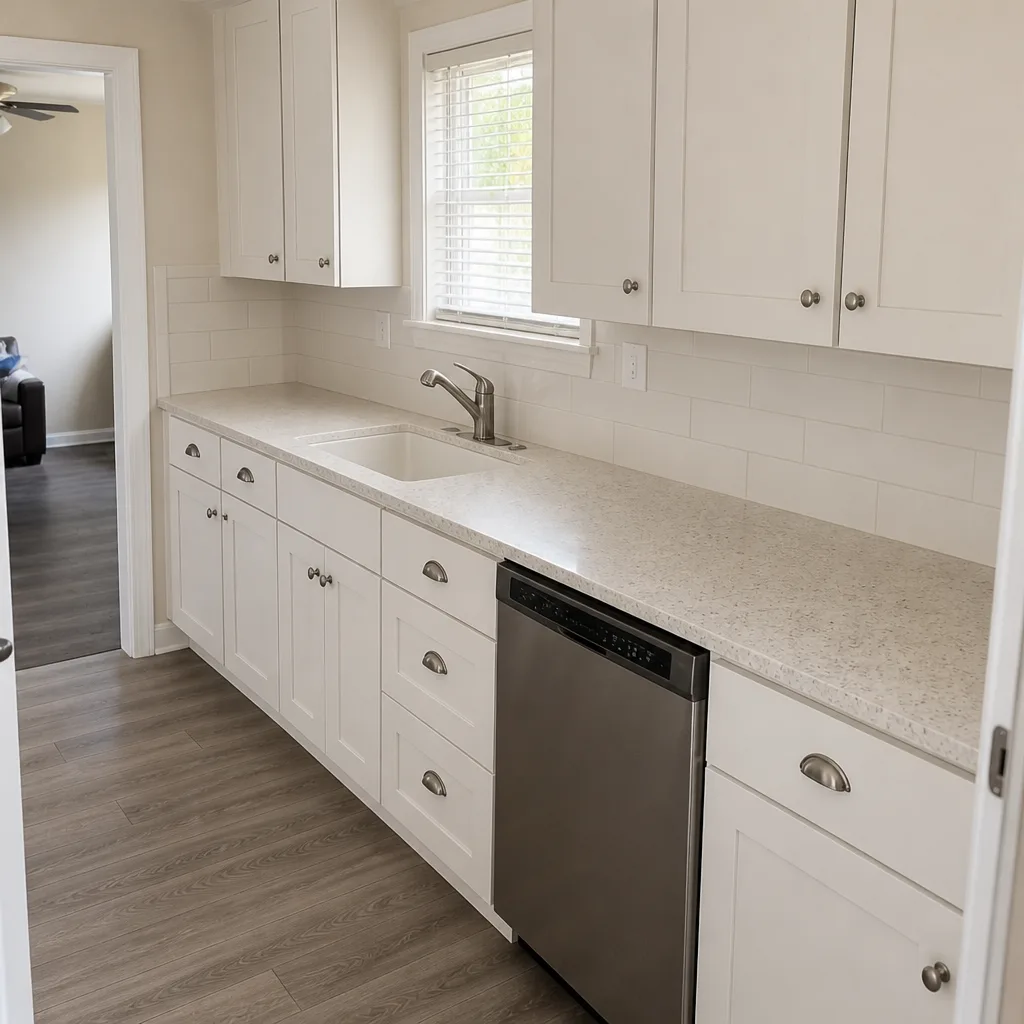 After
When to Call a Professional
Call a contractor when the diagnosis points to the opening rather than the surface: water at the sill, daylight around the frame, a sash that won’t seat within ¼ inch, or a door that binds year-round with an out-of-level jamb. Those are the cases where flashing, framing, or flashing-and-framing work lives behind the trim, and no amount of weatherstripping fixes the underlying issue. Rowan Construction Group Dallas offers free estimates in Dallas – call (833) 954-5327. You’ll get a written price with a written scope before any work starts, and a documented photo record of what we found. Our technicians have up to 19 years of experience, and they’ll tell you when the honest answer is “leave it alone.”
Frequently Asked Questions
Fog between panes means the insulated glass unit’s seal has failed and moisture has entered the sealed space. No cleaning or caulking from outside will fix it. The glass assembly has to be replaced. In Dallas, the combination of summer heat and the daily temperature swing across the glass accelerates seal aging on west and south-facing units in particular.
No. Exterior condensation is normal dew point physics and actually indicates the glass is insulating well. The outer pane is cold enough to drop below the dew point on a cool morning, and water beads up. Wipe it off if it bothers you; there’s nothing to repair.
Put a level on the hinge-side jamb and head jamb, and measure the reveal gap at the top and bottom. If multiple doors in the house show the same out-of-level pattern, or a single door binds year-round with a pinched gap, foundation movement is the likely cause. Seasonal sticking that frees up in fall is usually just wood movement. Dallas’s expansive clay soils are the usual suspect when it’s structural.
Almost never. Test the deadbolt with the door open. If it throws smoothly, the lock is fine and the frame has shifted. Replacing hardware before checking plumb wastes $150 to $400 on a lock that will misalign again. Fix the alignment first.
Worn weatherstripping at the sash-to-frame line, followed closely by air gaps behind the frame at the rough opening. The rough-opening gap is an installation issue that interior or exterior caulk only slows. A five-minute incense-stick test will tell you which one you have.
A good contractor diagnoses first. At Rowan Construction Group Dallas, we quote a written price with a written scope before work begins – and we’ll tell you when the honest answer is that your existing windows are fine. Bring a competitor’s written estimate and we’ll review it line by line at no charge under our Free Second Opinion offer. Call (833) 954-5327 to schedule.
The Bottom Line

Window and door problems split into two categories, and the fix depends entirely on which one you have. Condensation between panes is a failed IGU – replace the glass, don’t caulk. Interior surface fogging is a humidity problem, exterior fogging is normal physics. A door that sticks seasonally is wood; a door that sticks year-round may be your foundation. Drafts and lock misalignment come down to whether the frame and rough opening are square. Diagnose with a level, an incense stick, and a calendar, and you’ll avoid spending money on the wrong repair. When the symptoms point behind the frame – water at the sill, daylight at the perimeter, a sash that won’t seat – that’s the moment for a professional. Rowan Construction Group Dallas brings the same discipline to window and door work as to any trade: written price, written scope, and a documented record. Your next step could be a window replacement, a fence, or a new Home Additions & ADU in Dallas project down the road – either way, the diagnosis comes first.
Ready to get a clear answer? Call Rowan Construction Group Dallas at (833) 954-5327 for a free estimate. Every quote is a flat written price with a written scope, backed by our 365-Day Done Right Promise, and every visit includes a documented photo record as standard. If we find an issue the surface fix won’t solve, we’ll show you the evidence in photos and explain what the correction actually involves before anyone picks up a tool. You can also explore our Windows & Doors in Dallas service, read about Driveway & Pavers in Dallas, or review Fence Installation in Dallas if your opening work is heading outside.
Written by the team at Rowan Construction Group Dallas.