
Last updated November 17, 2026


Free written scope consultation - allowances, timeline, and change-order rules on paper before a single trade is scheduled
How to Hire a Construction Contractor in Dallas: A Step-by-Step Guide
The Texas Department of Licensing and Regulation maintains a public complaint database, and it lists hundreds of active or resolved complaints against Dallas-area contractors filed in the last two years. Here’s the uncomfortable part: none of those homeowners would have been screened out by the advice you’ve already read a dozen times. “Get three bids. Check references. Make sure they’re insured.” That checklist filters nothing, because every contractor who shows up to bid already knows how to pass it. What separates a contractor you can trust from one you can’t is documentation, and whether you’re willing to read it. This guide walks through the document-based process we use ourselves: how to verify a license, how to read a change-order clause, how to compare bids that were never designed to be compared, and how to call an insurer to confirm a policy is real. By the end you’ll know exactly what to ask for and what to look at when it lands in your inbox.
Quick Answer
To hire a construction contractor in Dallas, verify their TDLR license type and expiration date in the state database, confirm their certificate of insurance directly with the insurer, and compare bids line by line against a written scope rather than on total price alone. The single most important document is the change-order clause in the contract: a legitimate clause requires your signed approval and a stated dollar amount before any change proceeds, while a dangerous clause gives the contractor open-ended authority to add cost. Get the written price, the written scope, and the written warranty before anyone picks up a tool.
Styles & brands we work with
- Kitchen remodeling
- Bathroom remodeling
- Home additions & ADU
- Roofing
- Windows & doors
- Driveway & pavers
- Fence
Table of Contents
- Step 1: Verify the License Through TDLR
- Step 2: Confirm the Insurance Certificate Is Current
- Step 3: Read the Change-Order Clause Before You Read Anything Else
- Step 4: Compare Bids at the Same Specification Depth
- Step 5: Ask References the Five Questions That Actually Filter
- Step 6: Insist on a Written Scope and Written Warranty
- Step 7: Know Who Pulls the Permit and Who Passes the Inspection
- Common Mistakes to Avoid
- When to Call a Professional
- Frequently Asked Questions
Step 1: Verify the License Through TDLR
Every credible step in this guide starts with the Texas Department of Licensing and Regulation, because it’s the only source of truth that isn’t controlled by the contractor. Go to the TDLR website and use the license search. You’re looking for four things, and each one is a filter.
- License type. Texas licenses contractors in specific categories, and the category must match the work. A residential remodeler and a roofing contractor may hold different license categories. If the scope involves structural work, additions, or an ADU, the license needs to reflect that.
- Status. “Active” is the only acceptable status. “Expired,” “suspended,” and “probationary” are all reasons to stop and ask why.
- Expiration date. A license expiring in six weeks is a license that will lapse mid-project if the contractor doesn’t renew. Ask how renewal is handled.
- Complaint history. This is the field most homeowners never scroll to. The database shows complaints filed, their disposition, and whether any resulted in disciplinary action. A resolved complaint isn’t disqualifying; a pattern of unresolved ones is.
In Dallas, foundation and structural work is where complaint records cluster most, because our expansive clay soils punish shortcuts. A contractor who has done 40 foundation-adjacent remodels in the Park Cities and Lakewood without a single unresolved complaint is telling you something the references alone can’t.
Step 2: Confirm the Insurance Certificate Is Current
A certificate of insurance is a piece of paper, and any contractor can email you one. What you need to know is whether the policy behind it is still in force on the day the crew shows up. The way to find out is to call the insurer listed on the certificate, using the number from the insurer’s own website, not the number printed on the certificate.
For a typical Dallas residential project, minimum coverage you should see on the certificate includes general liability coverage at a level appropriate to the project value, workers’ compensation coverage (or a documented exemption if the contractor is a sole proprietor), and a commercial auto policy if vehicles are used on site. The general liability policy should name you as an additional insured on the certificate, which means the insurer will notify you if the policy is cancelled. Ask the agent three questions: is the policy current, is the coverage limit still the number on the certificate, and does the policy cover residential construction in Texas. The last one matters because some policies exclude certain construction categories.
Don’t skip the call. A certificate with an expired policy behind it is worth about as much as a handshake, and a homeowner who learns about a lapse after a crew member is injured on their property is in a position nobody wants.
Step 3: Read the Change-Order Clause Before You Read Anything Else
The change-order clause is where a construction contract either protects you or quietly doesn’t. Here’s what a legitimate clause in a Texas residential contract looks like, versus language that hands the contractor an open checkbook.
A legitimate clause will state, in plain language, four things: that no change to the scope proceeds without a written change order, that the change order must state the exact dollar amount of the change, that the change order must be signed by both parties before work begins, and that the contractor may not add cost without your signature. Under a clause like this, the price is written before anyone starts, and the number on the paper is the number you’ll pay for that change.
A clause that should concern you uses language like “cost plus percentage,” “time and materials as determined by contractor,” or “contractor may adjust price for unforeseen conditions.” Those phrases aren’t automatically dishonest, but they give the contractor uncapped authority over the price after you’ve signed. In a Dallas kitchen remodel or home addition, “unforeseen conditions” is where a $60,000 project quietly becomes an $85,000 project. The clause that prevents that is the one requiring your signature and a stated number before any change proceeds.
If the change-order language isn’t clear, ask the contractor to read it out loud and explain it in plain terms. The answer will tell you a lot. When we quote a Dallas project, the discipline is simple: no work proceeds on a change until the change order is signed. That’s the reason projects finish within a few percent of the number the customer agreed to, and you should expect the same from any contractor you hire.
Step 4: Compare Bids at the Same Specification Depth
Here’s a failure mode you see every week in Dallas: three bids come in at $42,000, $47,500, and $58,000, and the homeowner hires the $42,000 because it’s the lowest. Then the project runs over on materials, change orders pile up, and the final number lands above the highest bid. The problem wasn’t the low bid. The problem was that the three bids were never the same project.
A bid that cites “standard framing lumber” and a bid that cites “#2 Southern Yellow Pine, 16 inches on center” are not the same number, even if the totals look comparable. The first bid is a placeholder waiting to be filled in later; the second is a commitment to a specific material at a specific spacing. One of them tells you what you’re buying. The other tells you what the contractor hopes to spend.
To compare bids honestly, put them side by side on five fields:
- Material and brand. Cabinets cited by name (KraftMaid and Wellborn are two we use) versus “painted shaker.” Countertops by name (Cambria and Caesarstone) versus “quartz.” Roofing by brand (GAF, Owens Corning) versus “architectural shingles.”
- Specification. Lumber grade and spacing, tile membrane system, roof underlayment, subfloor thickness. A bid without specs is a bid with no ceiling on what comes next.
- Labor inclusions. Site prep, dumpster, disposal, permit pull, and cleanup before the punch walk. Ask explicitly whether each is in the bid.
- Exclusions. What the bid says it does not cover is as important as what it covers. Foundation repair, rot, and code upgrades often sit in the exclusions.
- Warranty. The length and the terms, in writing. A handshake warranty is not a warranty.
If two bids differ substantially and you can’t tell why by reading them, that’s a signal: ask both contractors to walk you through the line items side by side. A contractor with a written scope and a written price will do it happily. A contractor who can’t explain the difference between their bid and a competitor’s is telling you something too.
Step 5: Ask References the Five Questions That Actually Filter
“Check references” is the advice everyone gives. Almost nobody tells you what to ask them. Calling a past client and hearing “they were great” tells you almost nothing, because the contractor chose that reference and the client chose to say yes. The questions that actually produce data are about schedule and budget performance, and here they are.
- “Did the project finish on the date on the contract?” Not roughly, not close – the exact date. If not, how far off, and why?
- “What was the final invoice compared to the original written price?” The useful answer is a percentage. A project that finished 3% over is normal in Dallas; a project that finished 40% over is a pattern worth knowing about.
- “How many change orders came up, and were you asked to sign each one before the work proceeded?” A contractor who signs changes in writing will have a clean answer here. A contractor who doesn’t won’t.
- “Would you hire them again for the same scope, and what would you change about how you handled your side of the project?” This is where people give you the honest answer, because it lets them talk about their own role rather than just the contractor’s.
- “Did you receive documentation during the project, and if so what?” Ask specifically whether they got photos or written updates. A contractor who provides a documented photo record as a standard deliverable will show up here; one who doesn’t won’t.
Ask a past client at a house in Preston Hollow or a condo in Uptown for those five answers, and you’ll learn more about the contractor than a dozen five-star reviews. Then ask the contractor for a past client whose project hit a rough patch, and how it was handled. How a contractor responds to that question says a lot about how they’d respond if your project ran into trouble.
Step 6: Insist on a Written Scope and Written Warranty
A written scope and a written warranty are the two documents that separate a professional bid from a verbal offer, and neither is optional in Dallas. The written scope should name the materials, the specification, the inclusions, the exclusions, and the sequence of work in enough detail that a stranger could read it and know what’s being built. The written warranty should state what’s covered, for how long, and what the process is if something fails.
Our promise is printed, not implied. The 365-Day Done Right Promise means if it isn’t done right, we make it right, and the terms are on a page you can read before you sign, not an asterisk at the bottom. Whether you hire us or someone else, you should ask to see the warranty in writing and ask what happens if a roof leaks under the ridge vent at month eleven. A contractor with a warranty backs it with a document. A contractor without one backs it with a shrug.
This matters most on the trades where failure is invisible for months. Roofing, windows and doors, and driveway and pavers all have failure modes that show up after the weather turns. The written warranty is the only thing standing between you and a second full payment for the same work.
Step 7: Know Who Pulls the Permit and Who Passes the Inspection
Dallas requires permits for structural work, additions, most remodels that involve electrical or plumbing changes, and fences over a certain height. The permit is not a formality; it’s the mechanism that produces an inspection, and the inspection is where you find out whether the work was done to the standard the code requires. The question to ask every contractor is one sentence: “Are you pulling the permit, and am I named on it?”
If the answer is anything other than yes, walk away from that bid. A contractor who asks the homeowner to pull the permit as “owner-builder” is shifting the legal responsibility for the work onto you. If the work fails an inspection, the homeowner is on the hook for a remedy that the contractor has no obligation to provide.
Ask how inspections are tracked, who’s on site for the inspection, and what happens if the inspector flags something. Our position is simple: permits pulled, inspections passed, and the record handed to you at the end. A contractor who documents the inspection result has nothing to hide.
Common Mistakes to Avoid
- Hiring on the total bid without comparing scope. The lowest total is the lowest total for that specific scope, which may be a fraction of yours. Compare specs, not sums.
- Accepting a verbal change order. A change approved over the phone in Dallas with no signed number is going to show up on the final invoice with interest. Insist on a signed change order every time.
- Failing to call the insurer. A certificate with an expired policy is one of the costliest mistakes in this guide, because you discover it only after an incident on your property.
- Skipping the complaint record. Homeowners read the license status and stop. The complaint history is the field that separates a bad fit from a solid one.
- Letting a contractor pull permits in your name. In Dallas, that shifts liability to you, and the inspector will treat the homeowner as the responsible party.
- Not checking the price in writing. “We’ll figure out the price as we go” is not a budget. A Dallas homeowner who signed without a written price has no number to hold anyone to.
- Not asking references about budget. Satisfaction and performance are different questions. Ask how far the final invoice landed from the written price.
When to Call a Professional
Some jobs are genuinely DIY-scope, and a good contractor will tell you so. Patching drywall, replacing a faucet cartridge, or hanging a shelf is fine to do yourself. But a few categories in Dallas should always involve a licensed contractor: anything that touches the structural system, anything that involves moving or adding electrical or gas, anything that involves an addition or an ADU, and any roof leak that has reached the ceiling drywall. A foundation crack wider than a quarter inch is also worth a professional look, because our clay soils make small cracks grow slowly and then suddenly.
If you’re planning a project that involves multiple trades, it’s worth getting a written estimate before you commit to a scope. Rowan Construction Group Dallas offers free estimates in Dallas. Call (833) 954-5327 to schedule one, and you’ll get a written price and a written scope before anyone picks up a tool. If you already have a competitor’s estimate in hand, we’ll review it line by line at no charge, and we’ll tell you honestly if it’s the better bid.
Frequently Asked Questions
Verify the license through the Texas Department of Licensing and Regulation public database by searching the contractor’s name or license number, then check the license type, status, expiration date, and complaint history. The complaint history is the field most homeowners skip, and it’s the one that surfaces a pattern. A license that’s active, in the correct category, and free of unresolved complaints is the baseline you want before you go any further.
A legitimate change-order clause requires a written change order with a stated dollar amount, signed by both parties before work proceeds, and it prevents the contractor from adding cost without your signature. Language to watch for is “cost plus percentage,” “time and materials as determined by contractor,” and “contractor may adjust price for unforeseen conditions.” If you’re unsure, ask the contractor to read the clause aloud and explain it in plain terms, and call (833) 954-5327 if you’d like a free second opinion on a written estimate.
Kitchen remodels in Dallas generally fall in a range that depends heavily on the cabinet brand, the countertop material, the scope of the layout change, and whether the electrical and plumbing are being moved. A bid that quotes a single number without a written scope and named materials isn’t a real number. Get a written price with line items for cabinets, countertops, tile, labor, permits, and disposal, and compare the specs, not just the total. Call (833) 954-5327 for a free written estimate on a Dallas kitchen project.
The contractor pulls the permit, and the contractor’s license should be the one on the permit. If a Dallas contractor asks you to pull the permit as the owner-builder, that arrangement shifts legal responsibility for the work onto you, which means you’re the one responsible if the inspection fails. The permit produces the inspection, and the inspection is where you find out whether the work meets code. A contractor who can’t or won’t pull the permit isn’t a contractor you want on your property.
A Dallas contractor should carry general liability insurance at a level appropriate to the project value, workers’ compensation coverage or a documented exemption, and commercial auto coverage if vehicles are used on site. The certificate should name you as an additional insured so the insurer notifies you if the policy is cancelled. Call the insurer directly, using the number from the insurer’s own website, and ask whether the policy is current, whether the coverage limit is unchanged, and whether it covers residential construction in Texas.
The final price should match the written price plus any change orders you signed. If it doesn’t, the change-order clause in your contract wasn’t strong enough, or the changes weren’t documented. A project that finishes within a few percent of the agreed number is the outcome you should expect from any contractor holding to a written price. Call (833) 954-5327 for a free estimate and see what a written scope looks like before you sign anything.
The Bottom Line
The hiring advice you’ve already heard won’t protect you, because the contractors worth avoiding have already learned to pass it. What protects you is documentation: a license record you read in the TDLR database, a certificate of insurance you called the insurer about, a change-order clause that requires your signature and a stated number, bids compared at the same specification depth, and references asked about schedule and budget rather than satisfaction. Every one of those steps filters a class of contractor the standard advice lets through. In Dallas, where clay soils punish shortcuts and where a 40% change order on a kitchen remodel is a real outcome you can prevent, the difference between a written document and a verbal promise is the whole game. When you’re ready to see what that looks like, call (833) 954-5327 for a free estimate from Rowan Construction Group Dallas. You’ll get the written price, the written scope, and the written warranty before anyone picks up a tool.
Explore our services across Dallas: Rowan Construction Group Dallas home, Driveway & Pavers in Dallas, Fence Installation in Dallas, and Home Additions & ADU in Dallas. Wherever your project starts, the number gets written down first.
Written by the team at Rowan Construction Group Dallas.
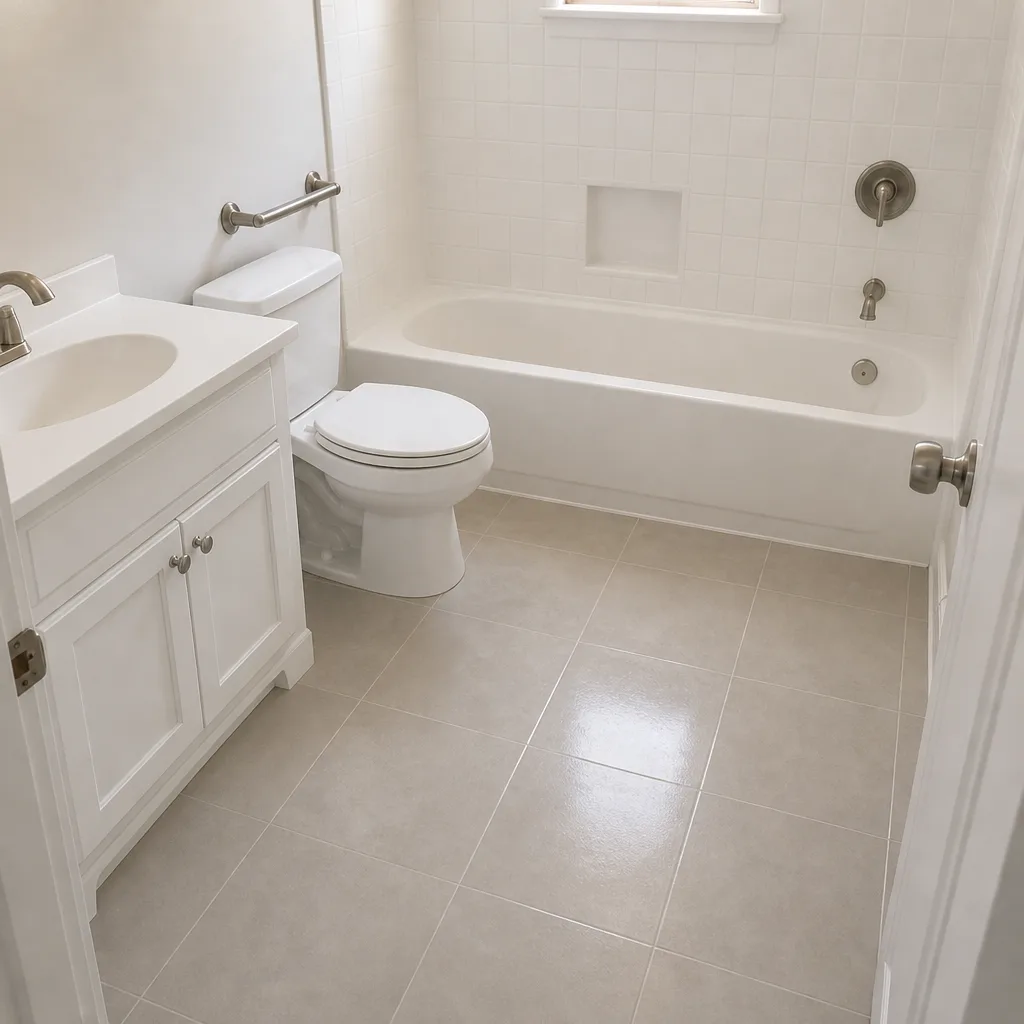
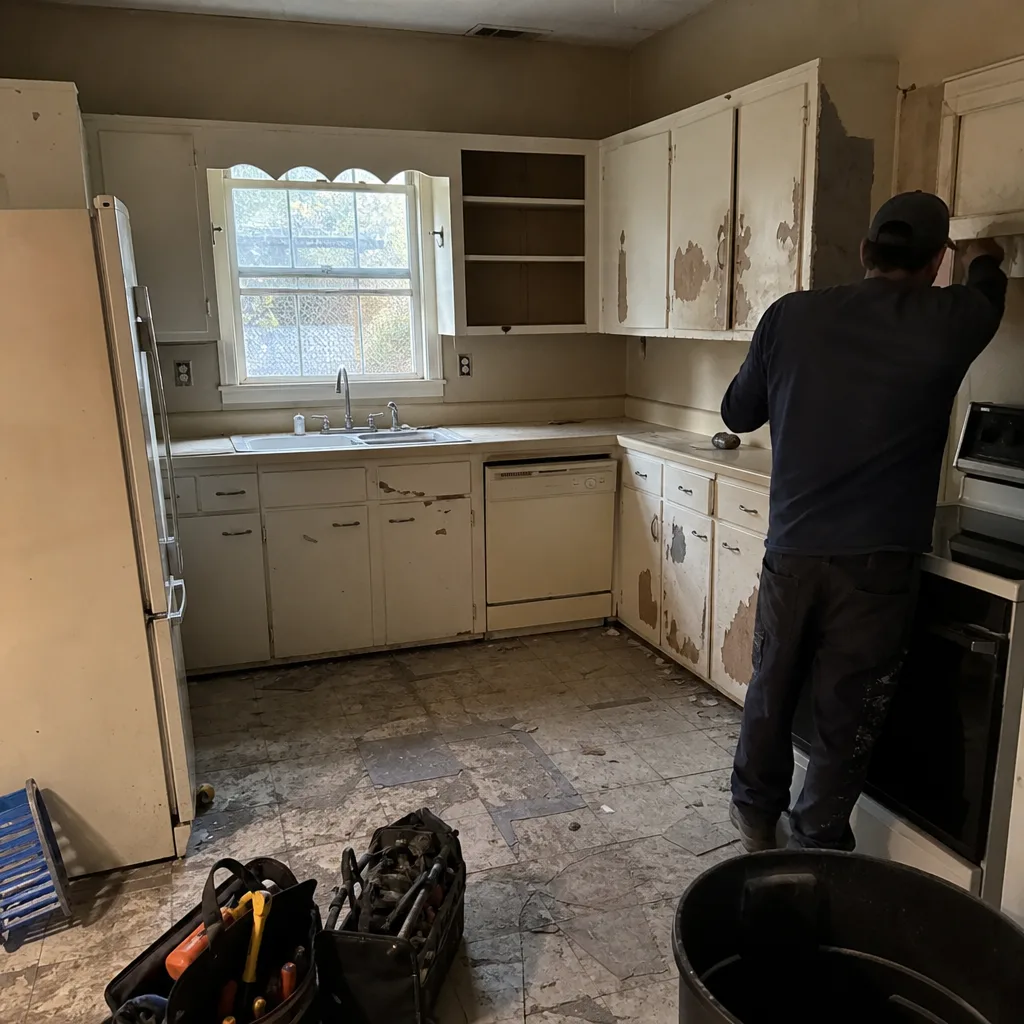
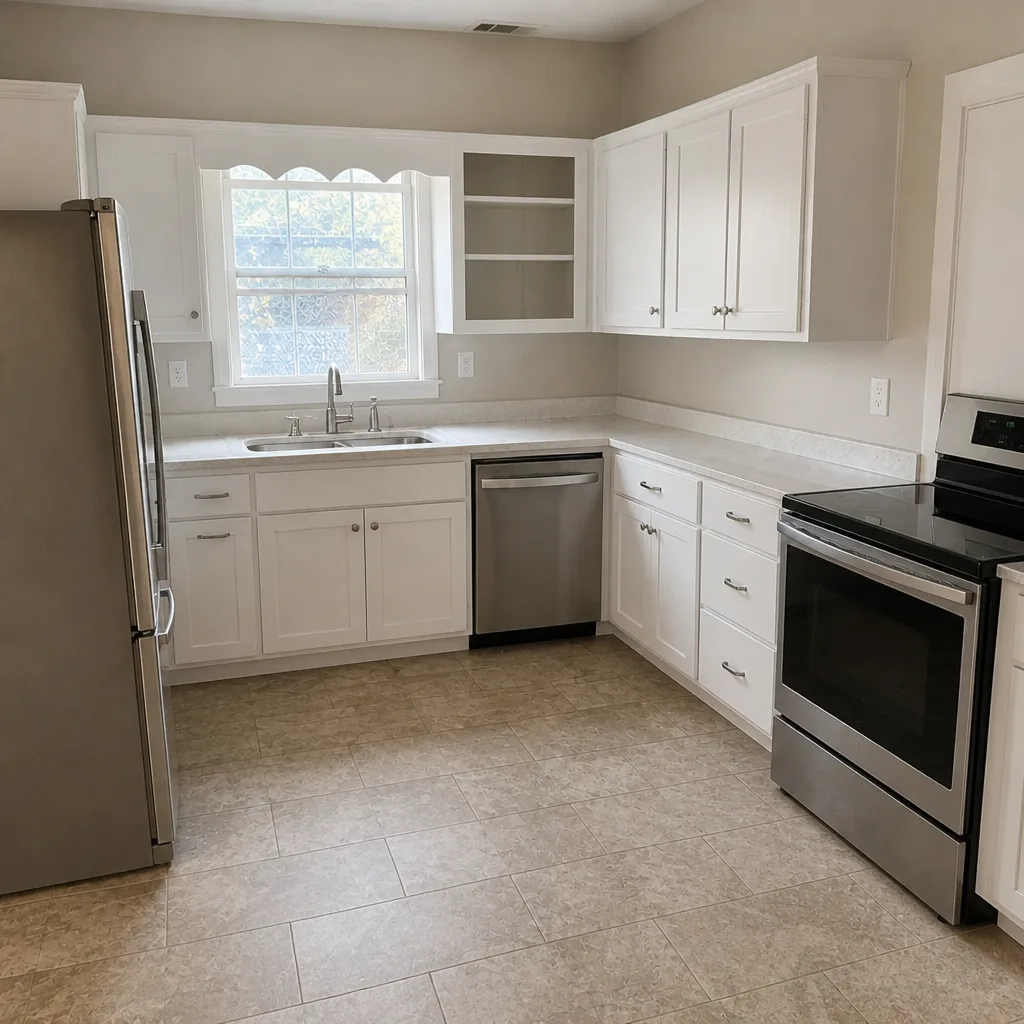
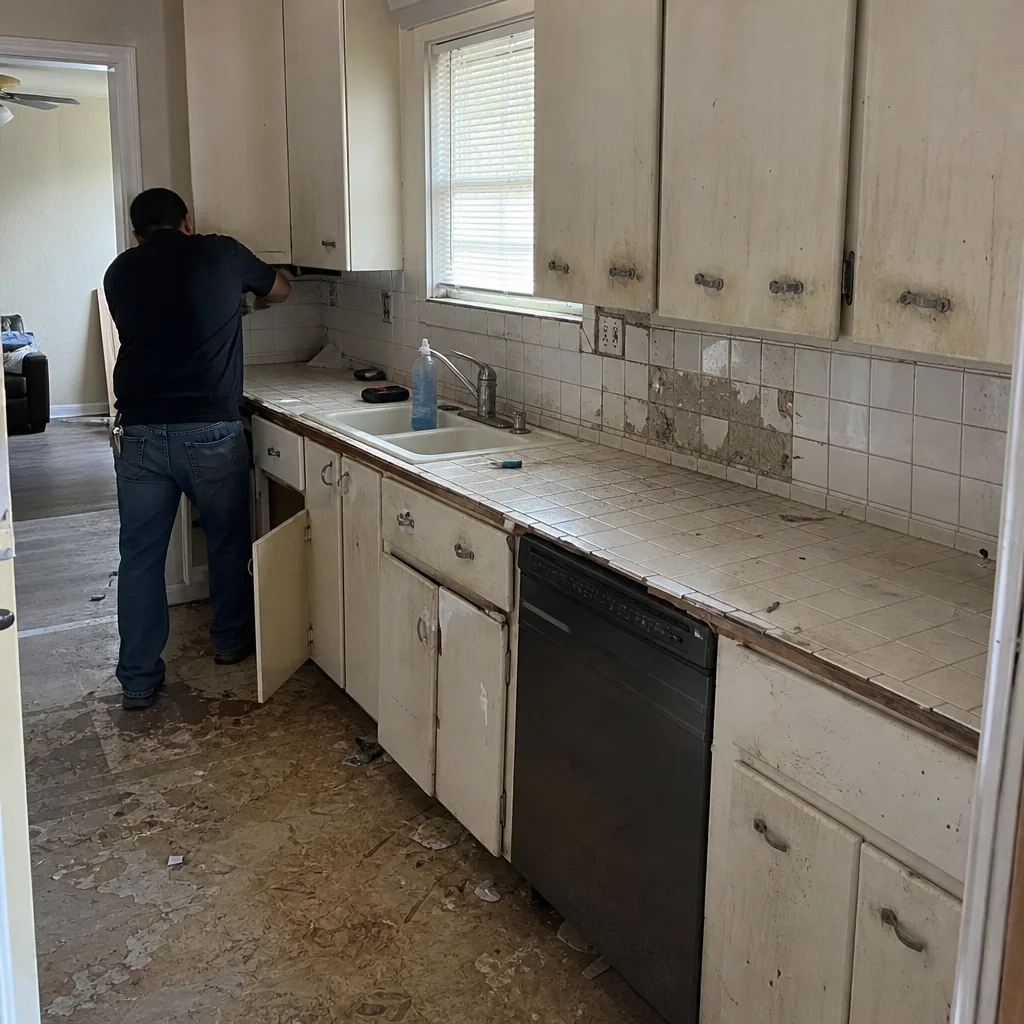
See the difference
 Before
 After
 Before
 After
 Before
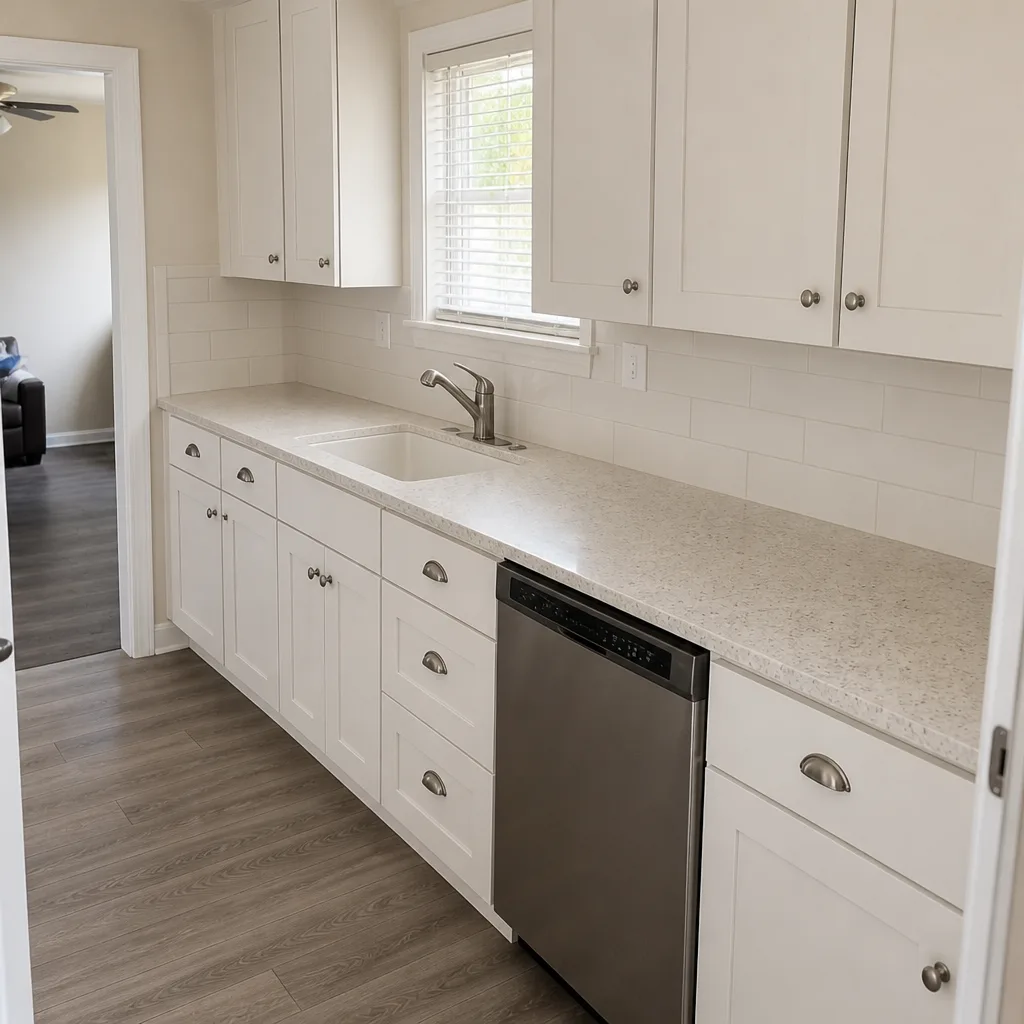 After