Last updated November 17, 2026





Free written scope consultation - allowances, timeline, and change-order rules on paper before a single trade is scheduled
Seasonal Construction Care for Dallas: Year-Round Homeowner’s Guide
Dallas averages 234 days of sun a year, and the freeze arrives without much warning. That combination is what breaks homes here. A bead of exterior caulk that spent August expanding and contracting under 105°F heat can split on its first night below 28°F if nobody looked at it in October. The homeowner who treats maintenance as one spring checklist will spend the year repairing damage. The one who matches specific tasks to specific months spends far less. This guide gives you a month-by-month calendar built around Dallas’s actual climate: a November 17 average first freeze, a March 15 average last freeze, and hail that runs hardest from April through June.
Quick Answer
Seasonal construction care in Dallas means scheduling different inspections in different months, not repeating one annual punch list. Seal caulk and check your roof’s pre-storm condition before the April-to-June hail window, watch the clay soil around your foundation during the July-to-August drought, and reseal exterior joints in October before the average November 17 first freeze. Tasks touching roofing, electrical, gas, or foundation structure belong with a licensed trade, not a weekend ladder.
Styles & brands we work with
- Kitchen remodeling
- Bathroom remodeling
- Home additions & ADU
- Roofing
- Windows & doors
- Driveway & pavers
- Fence
Table of Contents
- The Dallas Month-by-Month Maintenance Calendar
- March to May: Pre-Hail Inspection and Pre-Freeze Cleanup
- June to August: Heat, Clay Soil, and Foundation Movement
- September to November: Sealing Before the First Freeze
- December to February: Freeze Damage and Interior Work
- What You Can Do Yourself and What Needs a License
- Documenting Your Home Before Hail Season
- Common Mistakes to Avoid
The Dallas Month-by-Month Maintenance Calendar
Four seasons is too coarse a schedule for Dallas County. Our technicians have up to 19 years of experience in North Texas, and the pattern they describe is consistent: damage rarely comes from one extreme event. It comes from the transition between two. Here’s the calendar we’d hand a Dallas homeowner who wants to stay ahead of it.
- January: Check interior for cold-air infiltration at outlets and window frames. Inspect attic insulation after the coldest week.
- February: Look for freeze cracks in exterior brick mortar and driveway joints. Photograph anything new.
- March: Clear gutters before spring rain. Inspect the roof from the ground for lifted shingles after winter wind. Average last freeze is March 15.
- April: Walk the fence line for loose posts and pickets before storm season. Confirm your pre-storm roof documentation is current (more on this below).
- May: Check window and door seals. Note any sticking doors, which can signal humidity-related swelling.
- June: Peak hail month. After any storm, photograph everything before touching a thing. Don’t climb the roof.
- July: Begin monitoring foundation-to-wall gaps as the clay soil dries (thresholds in the summer section below).
- August: Hottest stretch. Check exterior caulk for shrinkage and cracking at joints facing west and south.
- September: Re-check those same joints. This is the month to book exterior sealing before the fall rush.
- October: Reseal caulk and paint. This is the single most important month on the Dallas calendar.
- November: Test exterior faucet covers and hose bibs. Average first freeze is November 17.
- December: Interior projects, planning, and quotes for spring work. Slow season means faster scheduling.
Save the calendar. Tape it inside a cabinet door. The tasks themselves take an afternoon each; skipping them costs considerably more.
March to May: Pre-Hail Inspection and Pre-Freeze Cleanup
Hail season in Dallas runs April through June, and it’s the reason roof timing matters more here than in most of the country. By the time a storm has passed, the most valuable inspection is the one you already did. More on that in the documentation section, because it’s the piece most homeowners miss entirely.
March and April are for clearing what winter left behind and confirming the exterior is sound before the storms find the weak spot.
- Clear gutters and downspouts of winter debris. Dallas’s live oaks and pecans shed through the cooler months, and a clogged downspout means water against the foundation.
- Walk the property and inspect the roof from the ground with binoculars. You’re looking for lifted, curled, or missing shingles, and for granules gathering in gutters, which indicate shingle wear.
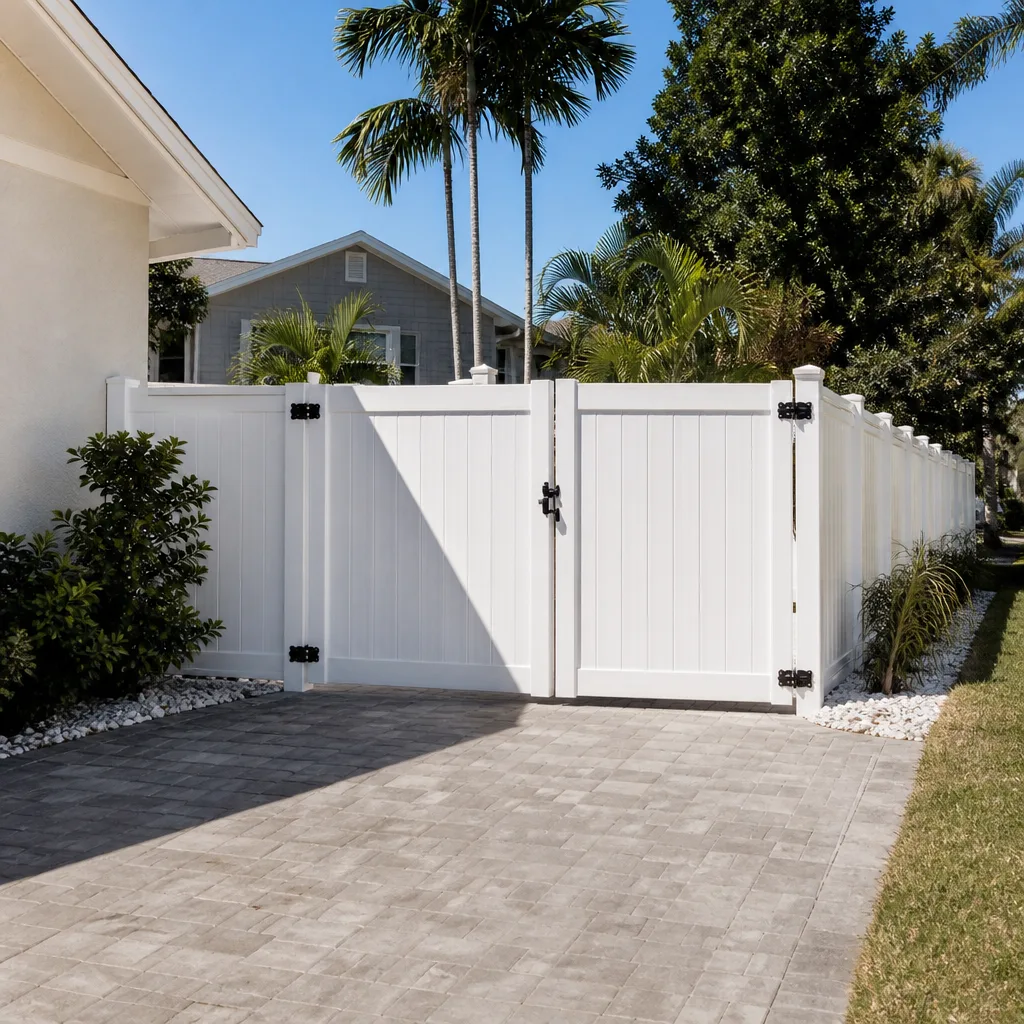
- Check the fence line. Storm season is hard on posts set in clay, and a leaning post found in March is a fix; a fallen fence in May is a replacement. If you’re planning fence work, Fence Installation in Dallas covers material choices and what holds up to hail.
- Look at window and door seals. Any daylight visible at the frame edge is a heat leak in summer and a water entry point in spring rain.
- Trim tree limbs back from the roofline to at least six feet. This is a genuine DIY task or a job for a tree service, not a roofing contractor.
Skip the ladder. Wind-damaged shingles and loose flashing are a fall risk, and a roof inspection from a ladder by an untrained person is one of the most common spring injuries in North Texas. A roofing professional will document condition and, if replacement is needed, provide a written price before anything starts.
June to August: Heat, Clay Soil, and Foundation Movement
Dallas sits on expansive clay soil, and that soil does one thing well: it moves. During a July-to-August dry spell, the clay shrinks and pulls away from the foundation. The visible result is a gap where the wall meets the ground, and the honest question every Dallas homeowner asks is whether it’s normal movement or something worse.
Here’s a rough measuring threshold that contractors use. A gap or crack up to about ⅛ inch in exterior brick mortar is generally within normal seasonal movement for this soil. Cracks approaching ¼ inch, or corners where one side of the crack is noticeably offset from the other, warrant a professional evaluation. The same goes for any crack that appears suddenly rather than opening gradually over a dry spell.
A few summer signals to track:
- Doors that stick in August but swing free in January are showing you the soil moving. Note the months.
- Diagonal cracks at the corners of window and door openings, especially where they step through brick, deserve a second look.
- Gaps at the wall-to-ground line that you can fit a finger into are past the normal range.
Keep the soil from drying out completely by watering the foundation perimeter slowly during drought, but don’t overcorrect and flood it, since a soaked clay foundation creates its own problems. Gaps above the normal range should be evaluated by a structural or foundation professional before fall rain arrives, because water following a gap is what turns a cosmetic issue into a real one. If your summer projects include a patio or driveway, Driveway & Pavers in Dallas explains how base prep handles this soil.
September to November: Sealing Before the First Freeze
October is the most important month in Dallas maintenance. The average first freeze lands on November 17, and the gap between a warm September and a freezing night in November is short. Caulk that expanded all summer under UV and heat can fail on the first sub-28°F night. An exterior joint is either resealed in October or you find out about it in January when water has already gotten behind the paint.
The product choice matters as much as the timing. Dallas’s temperature swing runs from roughly 15°F in January to 110°F in August, and that is a wider swing than a standard painter’s caulk is rated for. Look at manufacturer specs for elastomeric or siliconized exterior sealants rated for high movement, with joint movement capabilities usually stated as a percentage of joint width. A sealant rated for 25 to 50 percent movement handles Dallas better than a hard, paint-over caulk that cures rigid. Same reasoning on paint: exterior acrylic paints formulated for high-UV and wide temperature ranges last longer here than a general-purpose formula.
Your fall list:
- Inspect every exterior caulk joint, especially on west- and south-facing walls, which take the most UV.
- Remove any cracked or failed caulk fully before applying new. Layering new caulk over old is the fastest way to waste an afternoon.
- Apply a flexible exterior sealant rated for high joint movement.
- Check around windows, doors, hose bibs, utility penetrations, and where the siding or brick meets the foundation sill.
- Test exterior faucets and install covers before the first freeze date.
- Book any exterior paint work in September so it cures before cold evenings arrive. Paint applied below 50°F doesn’t cure properly.
December to February: Freeze Damage and Interior Work
Winter in Dallas is the season to work inside. It’s also when freeze damage shows up in the places you can’t see, which is why documenting now pays off later. The average last freeze on March 15 means roughly four months of freeze-thaw potential on the exterior of every Dallas home.
Physical winter things to check:
- Mortar and brick. Small chips or hairline cracks after a cold snap are normal. Spalling, where the face of a brick flakes off and leaves a rough patch, indicates freeze-thaw damage and should be evaluated.
- Driveway and hardscape joints. A crack that opens over winter may need to be sealed before it widens in summer.
- Attic insulation. A cold winter is a good time to check that insulation isn’t compressed or missing over the ceiling joists, since attic insulation is where your summer cooling bill is won or lost.
Winter is also the best planning window. Contractors are typically easier to schedule for interior work, and if you’re thinking about a bigger change, Home Additions & ADU in Dallas lays out what a project quoted in the cold months looks like by summer. Winter is the time to get the written price, not the time to wait.
What You Can Do Yourself and What Needs a License
Most seasonal maintenance is within reach for a homeowner who is careful and honest about their limits. Some of it is not, and in Texas the split falls along specific lines. Know which side of that line you’re on before you start.
Generally appropriate for a homeowner:
- Clearing gutters, trimming back vegetation, and inspecting the roof from the ground.
- Replacing exterior caulk and touching up paint.
- Testing exterior faucets and installing hose bib covers.
- Photographing the exterior for an insurance record.
- Checking attic insulation and sealing simple air-infiltration points.
Requires a licensed professional:
- Roofing repair or replacement. Roofing is a licensed trade in Texas, and most roof work touches the building envelope, which is not a DIY surface.
- Any electrical work beyond swapping a lightbulb. Electrical work in Texas requires a licensed electrician, and this includes anything at the panel.
- Gas line work, which requires a licensed plumber and, in many jurisdictions, a separate gas permit.
- Structural work: foundation repair, load-bearing wall changes, and any repair tied to foundation movement. This needs a licensed foundation or structural contractor.
- Pavers and hardscape on any scale larger than a small patio, because base compaction and drainage are the whole ballgame on Dallas clay.
A licensed contractor is also where you get a written price and a documented record, which is the part of the job that shows up when you go to sell.
Documenting Your Home Before Hail Season
This is the section most Dallas homeowners read after it’s too late to help. The time to document your roof is before a storm hits it, not after. A post-storm inspection is only useful if there’s a pre-storm record to compare it against. Without that baseline, an insurance adjuster can’t tell whether that dented gutter and cracked shingle came from this storm or the one before it, and the claim gets harder to prove.
What to capture before April:
- Photograph all four sides of the roof from the ground with a phone camera, date-stamped.
- Photograph gutters, downspouts, and the roof line, plus any existing dents or cracks.
- Note the age of the roof and the shingle product if you know it.
- Store the photos somewhere searchable, not in a phone camera roll that gets overwritten.
- Repeat the process after every significant hail event, before you touch anything.
Dallas’s hail window is short but intense, and the difference between a quick insurance claim and a disputed one usually comes down to a photo taken in March. We’ve seen a documented pre-storm record settle in a matter of weeks what an undocumented claim dragged out for months. Documentation is the whole difference.
Common Mistakes to Avoid
- Treating maintenance as a single spring task. A one-time checklist in April misses the October sealing window, which is the single highest-value task on a Dallas calendar.
- Climbing on the roof. Wind-lifted shingles and loose flashing are a fall hazard, and a ladder mishap is the most common serious injury in spring. Inspect from the ground.
- Caulking over old, failed caulk. New sealant won’t bond to cracked or dirty caulk, and a joint that starts peeling by December was wasted effort in October.
- Ignoring foundation cracks until fall rains. Water following a summer gap in Dallas clay is where cosmetic cracks become structural ones.
- Booking exterior paint after the first freeze. Paint needs daytime temps above 50°F to cure. Dallas paint applied in late November doesn’t cure properly and fails fast.
- Waiting until after hailstorm to photograph the roof. There’s no pre-storm record, so the insurance claim gets harder.
- Hiring a contractor who quotes on a handshake. A written price before work starts is standard, and any Dallas contractor who won’t put the number on paper before touching a tool is telling you something.
See the difference
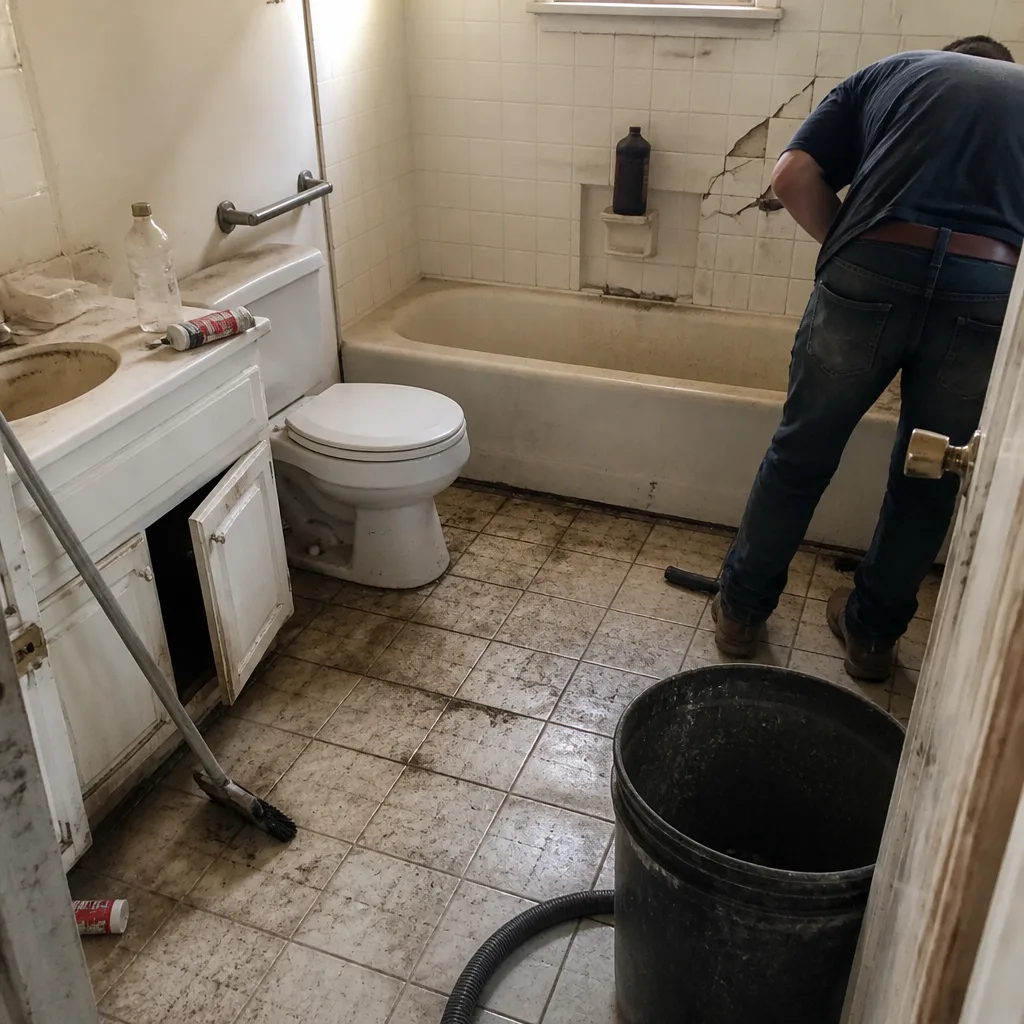 Before
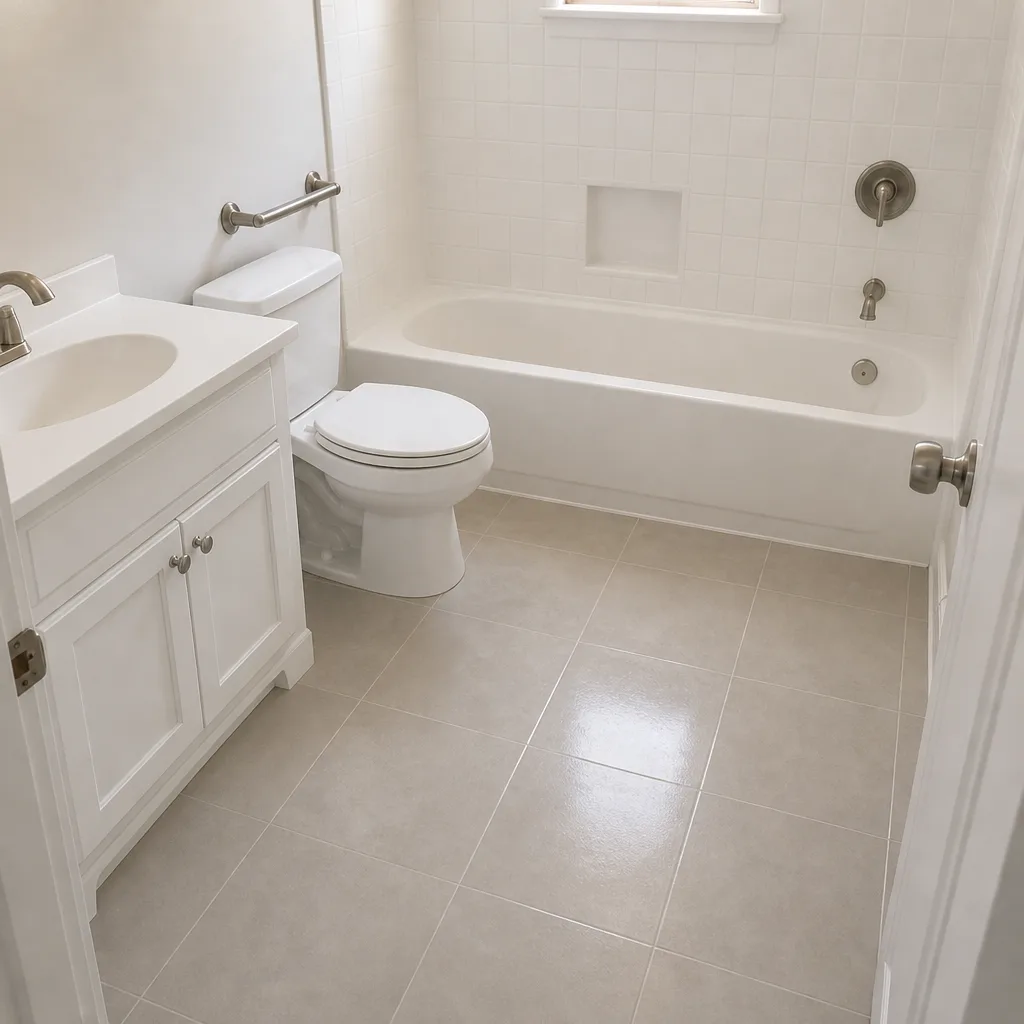 After
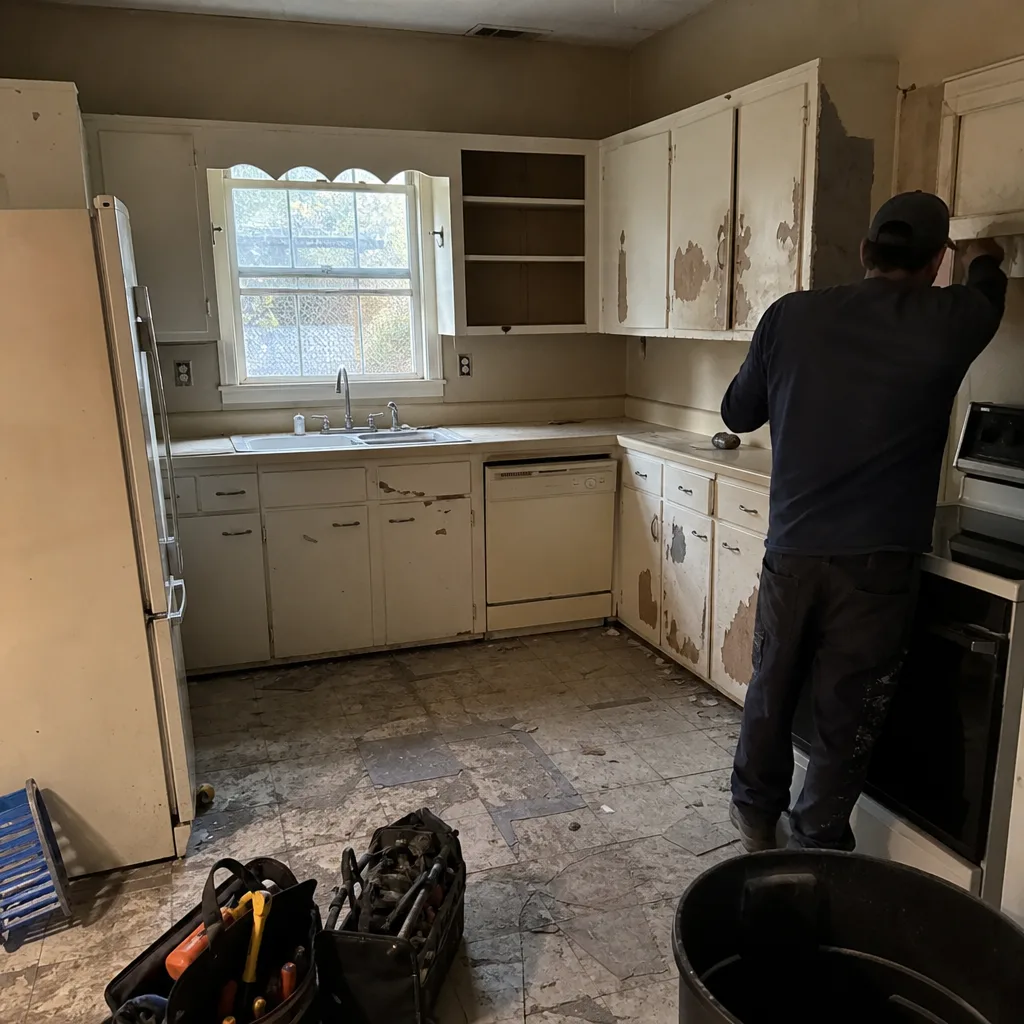 Before
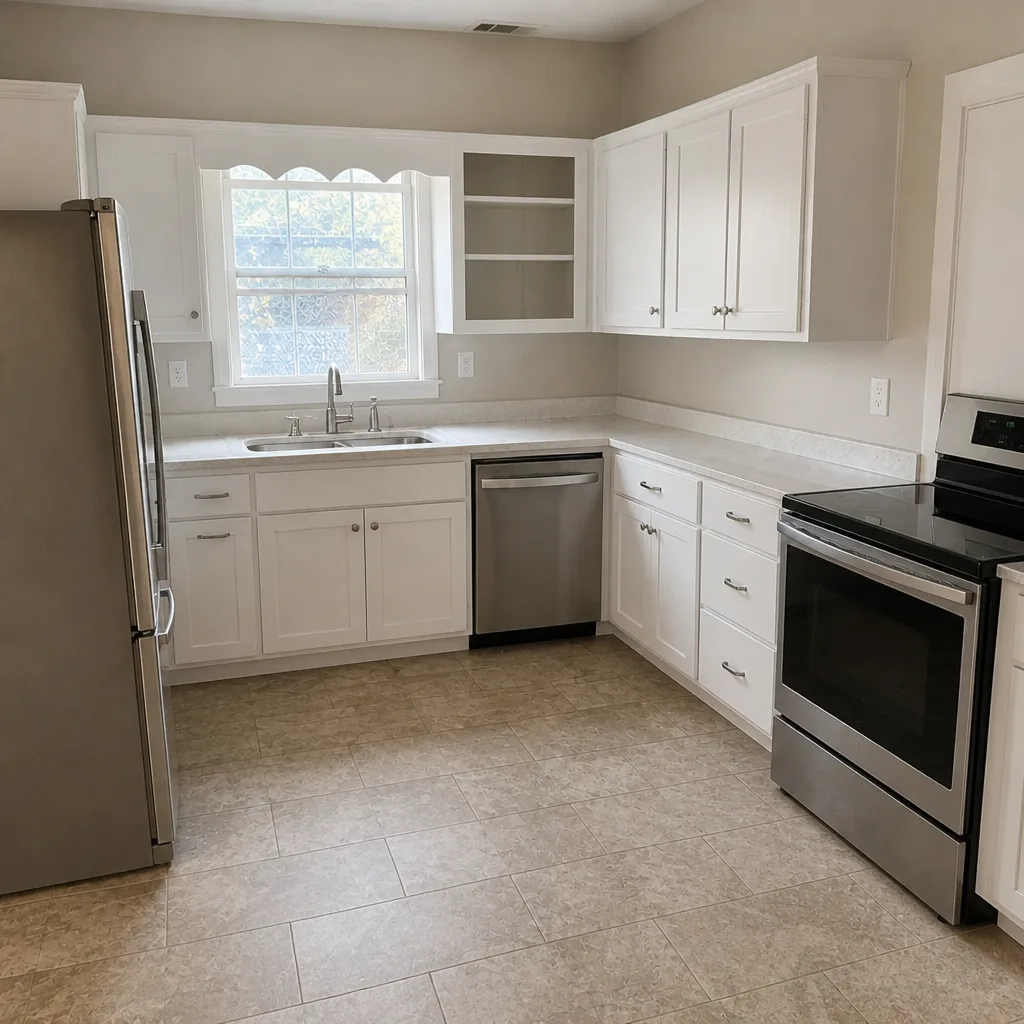 After
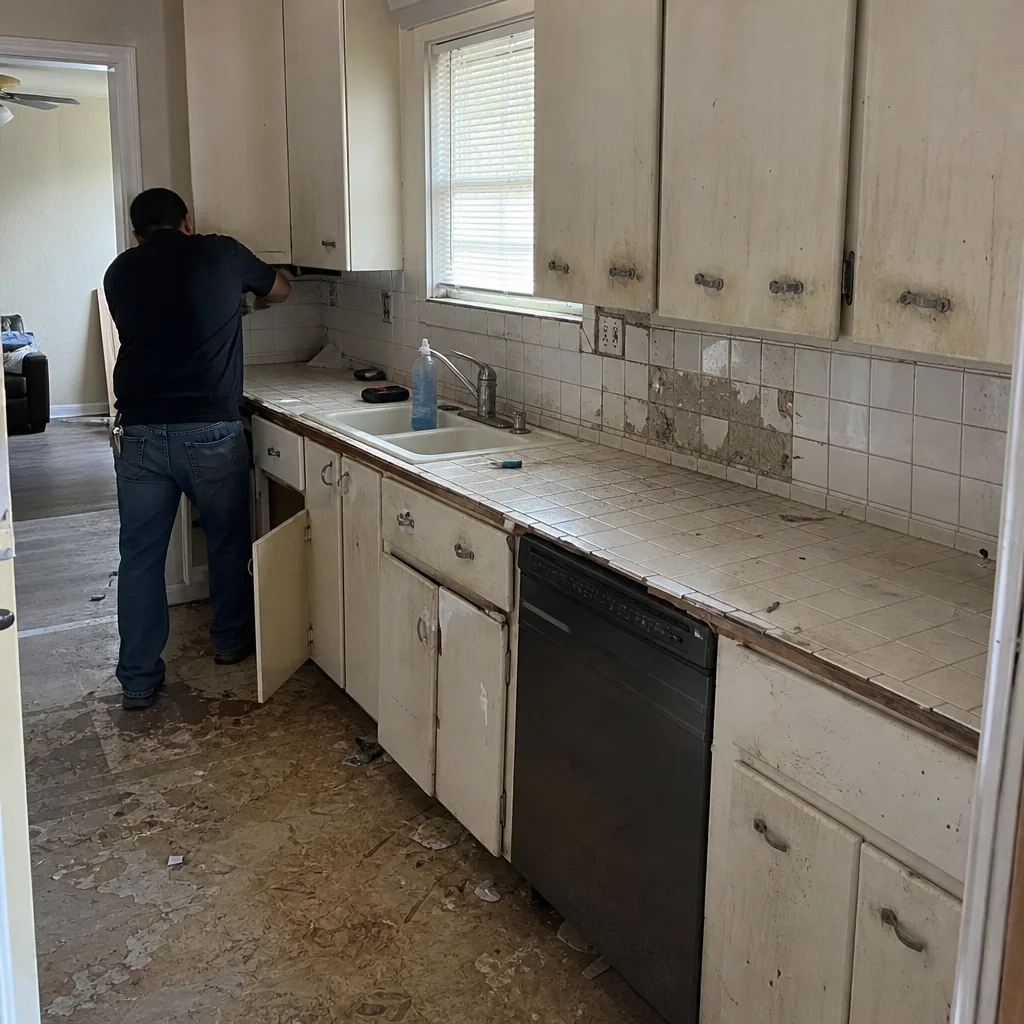 Before
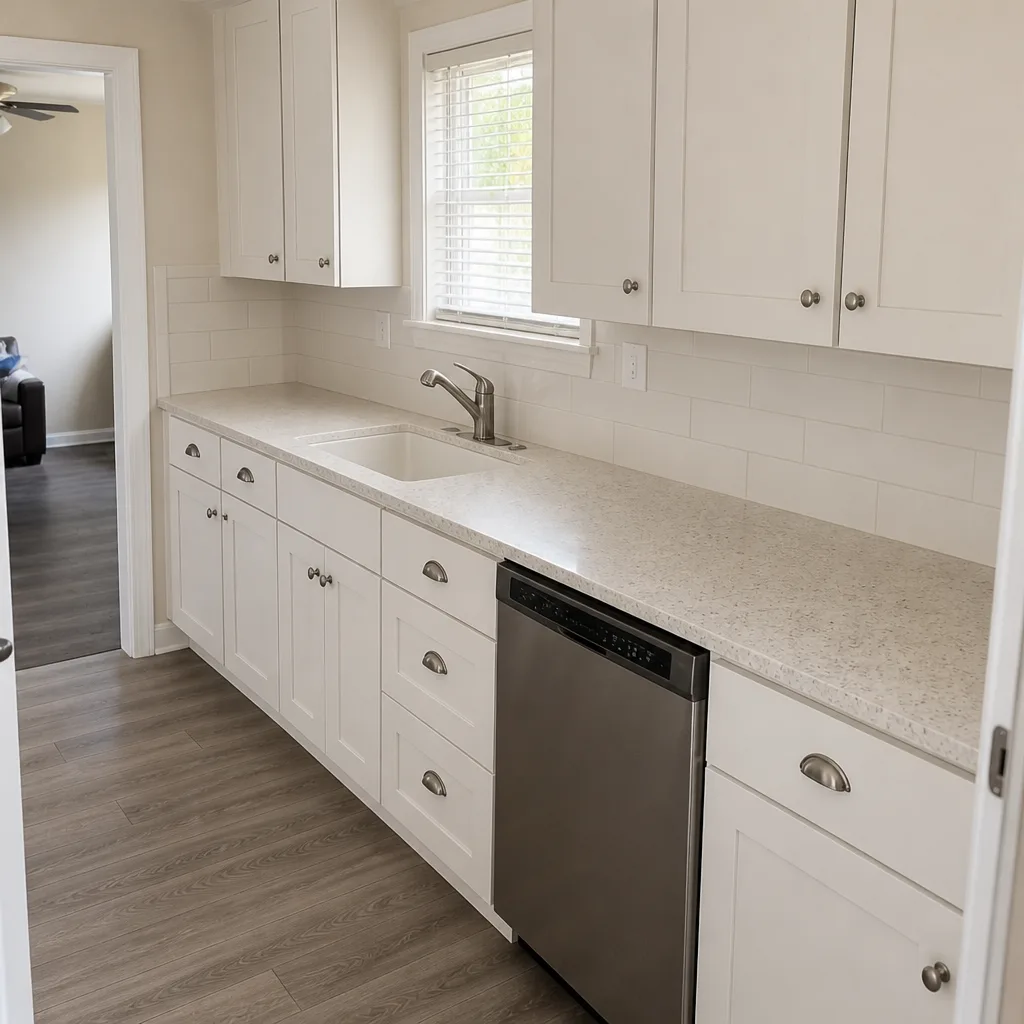 After
When to Call a Professional
Call a licensed trade when the task involves roofing, electrical, gas, foundation, or load-bearing structure. Those aren’t a matter of caution, they’re a matter of Texas licensing, and a homeowner can’t legally or safely do that work. Call when a foundation crack crosses into the ¼-inch range or appears suddenly. Call when exterior mortar is spalling after a freeze. Call when a roof inspection from the ground turns up anything more than a loose shingle. And call before spring storm season if you want a documented precondition record. Rowan Construction Group Dallas offers free estimates in Dallas – call (833) 954-5327. Bring a competitor’s written estimate and we’ll review it line by line at no charge.
Frequently Asked Questions
October. Dallas’s average first freeze is November 17, and caulk needs warm enough air to cure before temperatures drop. September works if you’re scheduling ahead, and October is the deadline. Reseal before the first freeze, or the joint fails on its first cold night.
Up to about ⅛ inch of crack in exterior brick mortar is generally within normal seasonal movement for Dallas’s expansive clay. Cracks approaching ¼ inch, sudden cracks, or visible offset at the crack edges warrant a professional evaluation. Call (833) 954-5327 for a free estimate if you’re unsure where your home falls.
Before. Hail runs April through June in Dallas, and a pre-storm document is what makes a post-storm insurance claim provable. An inspection after the storm is useful but it’s competing with damage that could have happened in any earlier season. Photograph in March. Call (833) 954-5327 to schedule a free roof estimate.
Products rated for wide temperature movement and high UV, which is what Dallas demands between 15°F and 110°F. Look for elastomeric or siliconized sealants with a stated joint-movement percentage, and exterior acrylic paints formulated for high-UV climates. Ask any contractor which brand and spec they’re using, in writing.
Two dates cover most of it: seal and inspect in October before the freeze, and document your roof in March before hail. If you only do two things all year, those are the two. Everything else is monthly upkeep and cleanup. Call (833) 954-5327 for a free estimate on the work you’d rather hand off.
It depends on the scope. Roof replacement, structural work, electrical, and gas line work all require permits. Simple caulk, paint, and gutter cleaning don’t. When you get a written estimate, ask the contractor directly whether the scope pulls permits, and get that answer on paper before work starts.
The Bottom Line

Dallas’s four seasons don’t attack a home evenly, and the calendar that works here isn’t the calendar that works anywhere else. October sealing, March documentation, and July foundation watching are the three windows that prevent the most expensive repairs. Roofing, electrical, gas, and foundation work belong with a licensed trade. Everything else is a homeowner’s weekend task, done on time rather than at the crisis point. The difference between a maintenance kit and a five-figure repair is usually one thing: whether you looked in the right month. If you’d rather have it handled, Rowan Construction Group Dallas home is where to start. Call (833) 954-5327 for your free estimate.
Written by the team at Rowan Construction Group Dallas.