Last updated November 17, 2026






Free written scope consultation - allowances, timeline, and change-order rules on paper before a single trade is scheduled
Windows & Doors Maintenance Schedule: What to Do and When
Andersen’s warranty on its 400 Series windows requires that wood interior surfaces be refinished “as needed to prevent deterioration.” Read that clause twice. It doesn’t define “as needed,” and it doesn’t tell you what counts as proof. If a claim ever comes down to whether you maintained the sash, the only thing that answers the question is a dated log showing you did. A maintenance schedule costs nothing to keep and can decide a four-figure warranty claim. This guide lays out exactly what to do each season in Dallas, which products to use where, and what to write down so the record holds up years later.
Quick Answer
Inspect and re-caulk exterior frame joints and weatherstripping every spring after Dallas’s freeze-thaw cycle, lubricate casement operators and sliding door tracks before summer heat, test door thresholds and sweeps each fall, and clean window weep holes once a year. Record the date, task, product, and condition noted each time. That four-part habit is what sustains a warranty claim and what a buyer’s inspector will ask about at resale.
Styles & brands we work with
- Kitchen remodeling
- Bathroom remodeling
- Home additions & ADU
- Roofing
- Windows & doors
- Driveway & pavers
- Fence
Table of Contents
- Spring: Recovering From Dallas Freeze-Thaw
- Summer: Heat, Expansion, and Lubrication
- Fall: Sealing Up Before Winter
- Annual Tasks Regardless of Season
- Which Product Goes Where
- The Documentation Protocol
- What Warranties Actually Require
Spring: Recovering From Dallas Freeze-Thaw
Dallas winters do a specific kind of damage. Temperatures swing from a hard freeze to the seventies within a week, and building materials expand and contract with each swing. By March, the weak points announce themselves: caulk lines split at the frame-to-brick interface, and weatherstripping loses its spring.
Start outside. Walk the perimeter of every window and door and look at the joint where the frame meets brick or siding. Hairline cracks there are normal after thermal cycling. Cracks wider than a credit card’s edge let water in behind the frame, and that’s where interior damage begins. Re-caulk with an elastomeric sealant rated for masonry and exterior use; Sashco Conceal handles the joint well and takes paint, while Dow 795 is the workhorse for larger gaps and curtain-wall style joints because it stays flexible through a wide temperature range.
Then check weatherstripping on every door and operable window. Compression-set is the failure to look for: the foam or bulb seal has flattened permanently against the stop and no longer springs back. You’ll feel it as a draft or see daylight when the door is closed. Replace it before the summer cooling bills arrive.
- Inspect caulk at frame-to-brick joints on all four sides of each opening.
- Test door weatherstripping with a hand pass for drafts and a flashlight pass for light.
- Look for cracked or shrunken glazing compound on any wood window.
- Check that exterior paint on wood frames is intact – bare wood is where deterioration starts.
Our technicians have up to 19 years of experience, and the pattern is consistent across Dallas neighborhoods: spring is when weatherstripping and caulk failures surface, not winter. Catch them in March and April and the rest of the year stays quiet.
Summer: Heat, Expansion, and Lubrication
Dallas heat pushes window and door hardware to its limits. Metal expands, and cranking mechanisms that moved easily in April can feel stiff by July. The fix is a lubrication routine done before peak expansion season, not after something binds.
Casement window operators – the crank-and-arm hardware on the side-hinged windows – and sliding door tracks both want a dry silicone spray. Use silicone, not WD-40. WD-40 is a solvent-and-oil blend that attracts dust and can degrade rubber seals over time; silicone leaves a dry film that lubricates without collecting grit. Apply a light pass to the operator arm and the track rollers, then wipe the excess.
Screens get hit hard by UV in a Dallas summer. Flex the corner of each screen frame gently; if the aluminum is fine but the spline feels brittle or the mesh pulls loose from the channel, the frame has taken too much sun. Screen frames that have gone brittle crack instead of flexing, and a cracked frame is a replacement, not a repair.
This is also the season to check operable window hardware for loose screws at the hinge plates and handles. Heat cycling loosens fasteners. A quarter turn on a loose hinge screw now saves a stripped hole later.
- Lubricate casement operators with silicone spray before July.
- Clean and lubricate sliding door tracks with silicone, not oil-based products.
- Flex-test screen frame corners for UV brittleness.
- Tighten hinge screws and handle fasteners on operable windows.
- Check that storm door closers are not straining against summer wind loads.
Fall: Sealing Up Before Winter
Fall is the season to close gaps before cool air arrives and to make sure storm doors and thresholds will handle the wind. Start with the dollar-bill drag test on every exterior door. Close the door on a dollar bill so it’s pinched between the door and the threshold. If you can slide the bill out easily, there’s a draft path there, and the door needs a threshold adjustment or new sweep.
The door sweep – the wiper or brush along the bottom of the door – is a wear part. If it’s flattened, torn, or sitting above the threshold, air and water get in. A sweep that isn’t touching the threshold evenly across its width means the door is out of adjustment, not just the sweep. Adjust the door first, then replace the sweep if it’s still worn.
Storm door hydraulic closers are seasonally adjustable. The adjustment screw at the end of the closer controls closing speed; fall wind loads are higher than summer, so a closer set to slam gently in July may not hold in November. Adjust it so the door closes firmly but doesn’t slam, and check that the closer rod is not bent. A bent rod stresses the door frame.
- Run the dollar-bill drag test on every exterior door.
- Inspect door sweeps for flattening, tearing, or uneven contact.
- Adjust storm door hydraulic closers for seasonal wind loads.
- Check door thresholds for loose screws or lifting seals.
- Re-check weatherstripping on operable windows before heating season.
If fall inspections keep turning up the same problems – a door that won’t sit right, a window that leaks at the frame – the opening may be out of square, which is a job for a contractor. Our Rowan Construction Group Dallas home page outlines the trades we handle, including windows and doors, with a written price before any work starts.
Annual Tasks Regardless of Season
Some maintenance doesn’t care about the calendar. Do these once a year and mark the date.
Clean window weep holes
Every modern window frame has weep holes – small slots at the bottom of the exterior frame that let water drain out. When a weep hole clogs with dirt, pollen, or insect debris, water backs up inside the frame and finds a path inward. The result looks exactly like a failed seal: water on the interior sill. It’s not a seal failure; it’s a blocked drain. Clear each weep hole with a piece of wire or a stiff brush, then flush with water and confirm it drains.
Inspect glazing compound on wood windows
Wood windows hold their glass with glazing compound, and that compound shrinks over time. Look for hairline cracks between the compound and the glass or the sash. Cracks let water behind the glass and into the wood. Scrape out loose compound, prime the bare wood, and re-glaze. Do this before the compound fails completely, because once water gets into the sash, the repair is carpentry, not maintenance.
Check door and window hardware for corrosion
Dallas humidity plus air conditioning means condensation on metal hardware. Look for white corrosion on hinges, locks, and handles. A light coat of silicone or a specialty hardware lubricant prevents it.
Inspect screens and storm windows
Pull screens and storm panels, clean them, and check frames for cracks and mesh for tears. Store storm panels flat, not leaning, to avoid warping.
Which Product Goes Where
Using the wrong product is worse than skipping the task. Here’s the map.
- Sashco Conceal – exterior frame-to-brick joints where a paintable, flexible seal is needed. Takes paint and stays elastic through temperature swings.
- Dow 795 – larger exterior joints and areas exposed to weather; a structural-grade silicone that holds flexibility across a wide temperature range.
- Silicone spray – casement operators, sliding door tracks, and hinges. Leaves a dry film that doesn’t collect grit.
- Not WD-40 – avoid on rubber seals and window tracks; it attracts dust and can degrade rubber over time.
- Glazing compound – wood window glass bedding only; not for aluminum or vinyl frames.
- Weatherstripping – match the profile to the door or window stop; foam for interior doors, bulb or fin seal for exterior.
The same material discipline applies to the rest of the house. When we install roofing, we work with brands like CertainTeed and Owens Corning because the product line matters to how long a system lasts. The same is true of a window sealant or a door sweep – the spec matters more than the label.
The Documentation Protocol
This is the part almost nobody does, and it’s the part that carries the most weight if a warranty claim ever comes up. The clause in a warranty that says “maintained as needed” is only as good as your evidence that you maintained it.
Record four things every time you touch a window or door:
- Date – the calendar date of the task.
- Task performed – “re-caulked frame-to-brick joint, north side, living room window.”
- Product used – brand and type, “Dow 795.”
- Condition noted – “weatherstripping compression-set, replaced bulb seal.”
Store the log where you’ll find it years later. A shared cloud document is the practical choice: a phone photo of the work plus a dated note in a folder. Keep receipts for products alongside it. If you hire a contractor, ask for a documented photo record of the visit – a good one provides it as standard. Rowan’s crews leave a documented photo record on every visit, included in the job, not as an upgrade, so the record exists whether or not you were home to see the work.
This log does two jobs. It supports a warranty claim, and it’s a disclosure asset at resale. A buyer’s inspector will ask when the windows and doors were last serviced. A dated record answers that question without a shrug.
What Warranties Actually Require
Window and door warranties vary by manufacturer, but the maintenance language is similar across the industry. The common clauses worth knowing:
- Wood surface maintenance – wood interior surfaces must be refinished “as needed to prevent deterioration.” Vague enough that any documented refinishing history is your defense.
- Exclusion for neglect – most warranties exclude damage from failure to maintain, so a claim can be denied if you can’t show you maintained the product.
- Installation exclusions – many warranties only cover the product, not the installation. Sealant failures at the frame-to-brick joint are often the installer’s responsibility, not the manufacturer’s.
- Glass and seal coverage – seal failures (fogging between panes) are typically covered for a set period, but a claim can be complicated if interior water damage suggests a blocked weep hole or a failed exterior seal.
The lesson: your maintenance log is your claim file. Keep it as carefully as you keep the warranty document itself.
Common Mistakes to Avoid
- Using WD-40 on window tracks and seals. It attracts dust and can degrade rubber. Use silicone spray instead.
- Ignoring weep holes until water shows up inside. A blocked weep hole looks exactly like a failed seal, and the wrong diagnosis leads to a needless window replacement.
- Caulking over a joint that’s still wet or dirty. The new sealant won’t bond, and the failure repeats within a season.
- Skipping the documentation. A warranty claim without a dated log is a claim with no evidence behind it.
- Replacing a door sweep without adjusting the door first. If the door is out of square, a new sweep wears out fast.
- Running a storm door closer at summer settings into fall. The door won’t hold against seasonal wind loads and can slam.
- Waiting for a visible problem before servicing anything. By the time water intrudes, the damage behind the frame has already started.
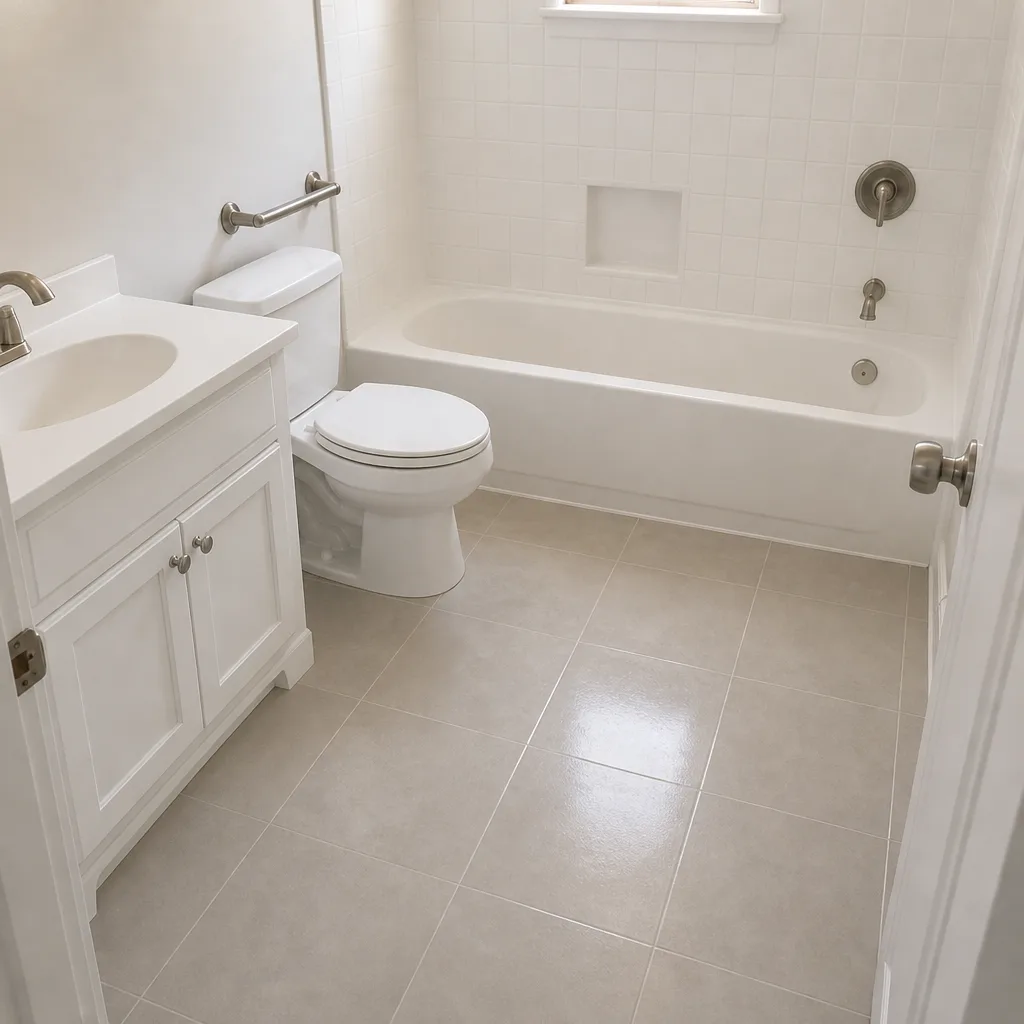
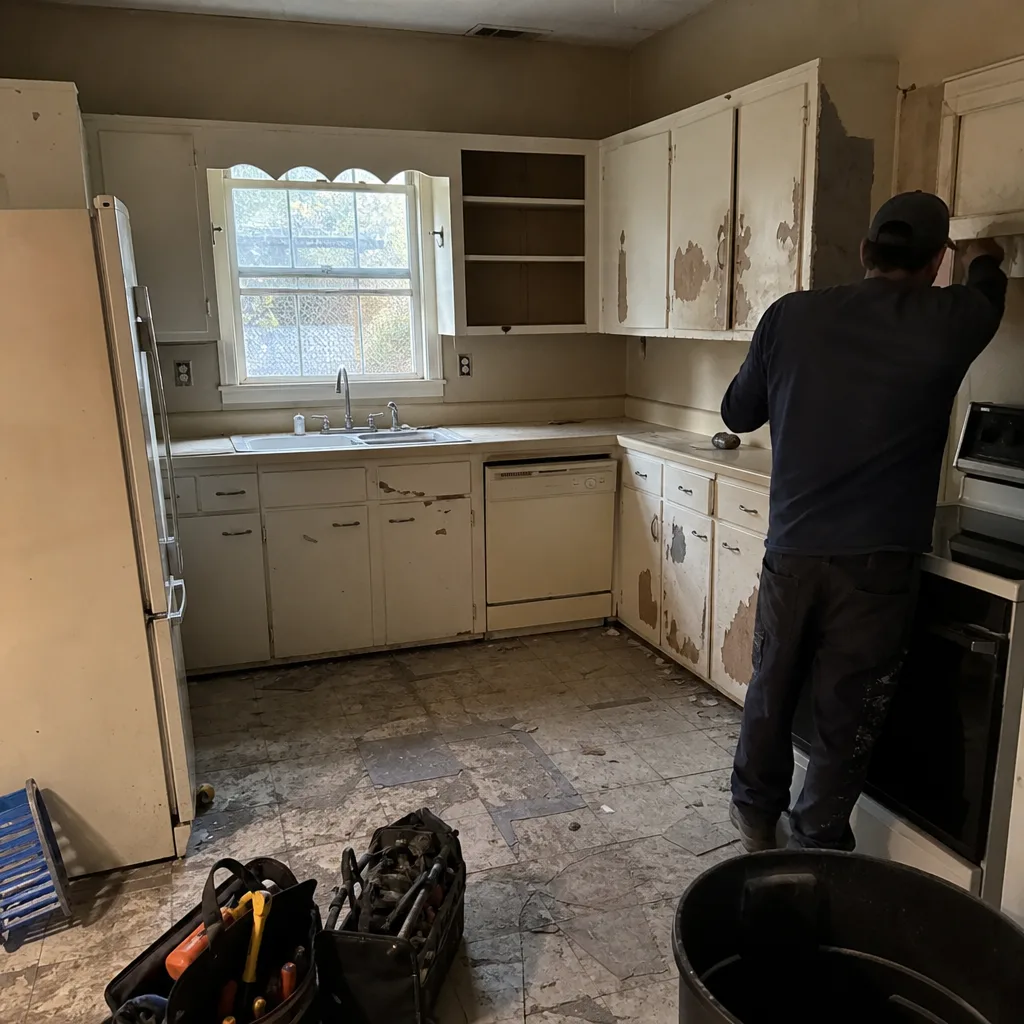
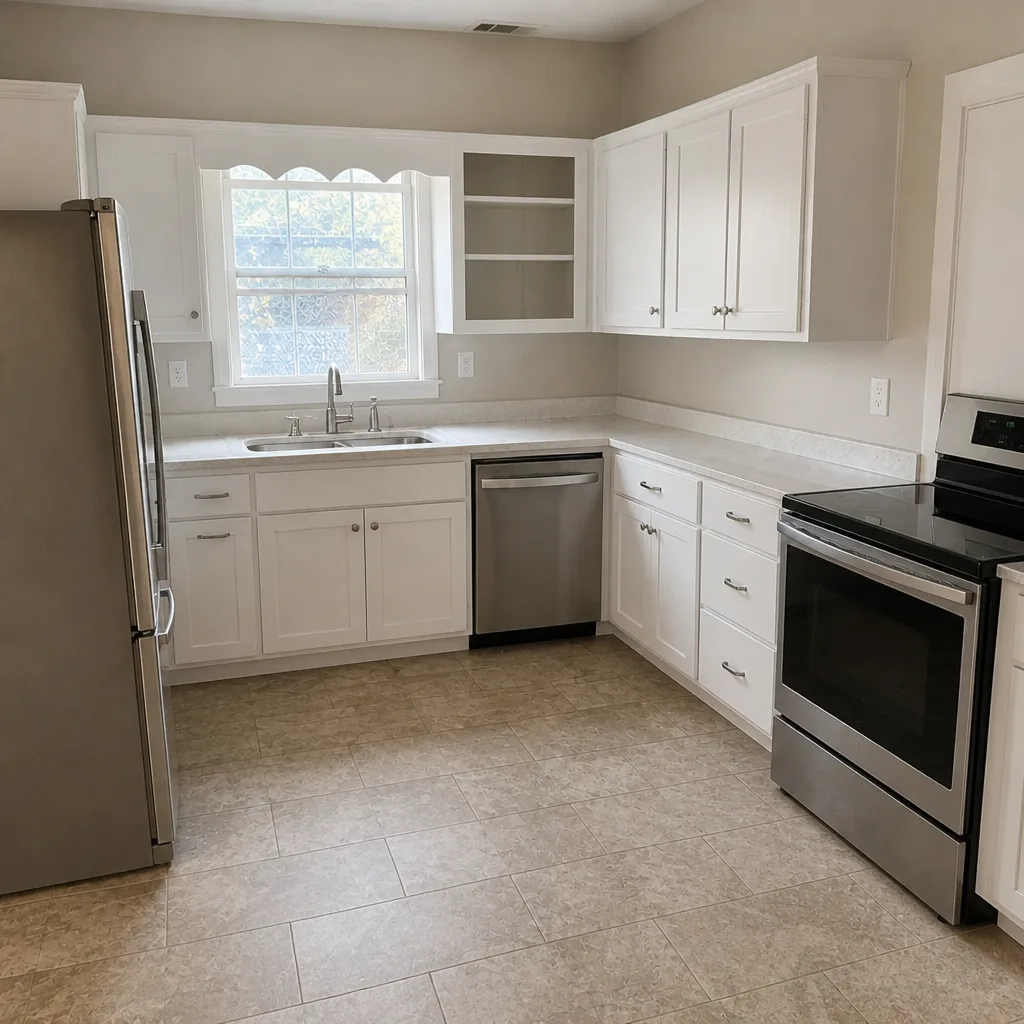
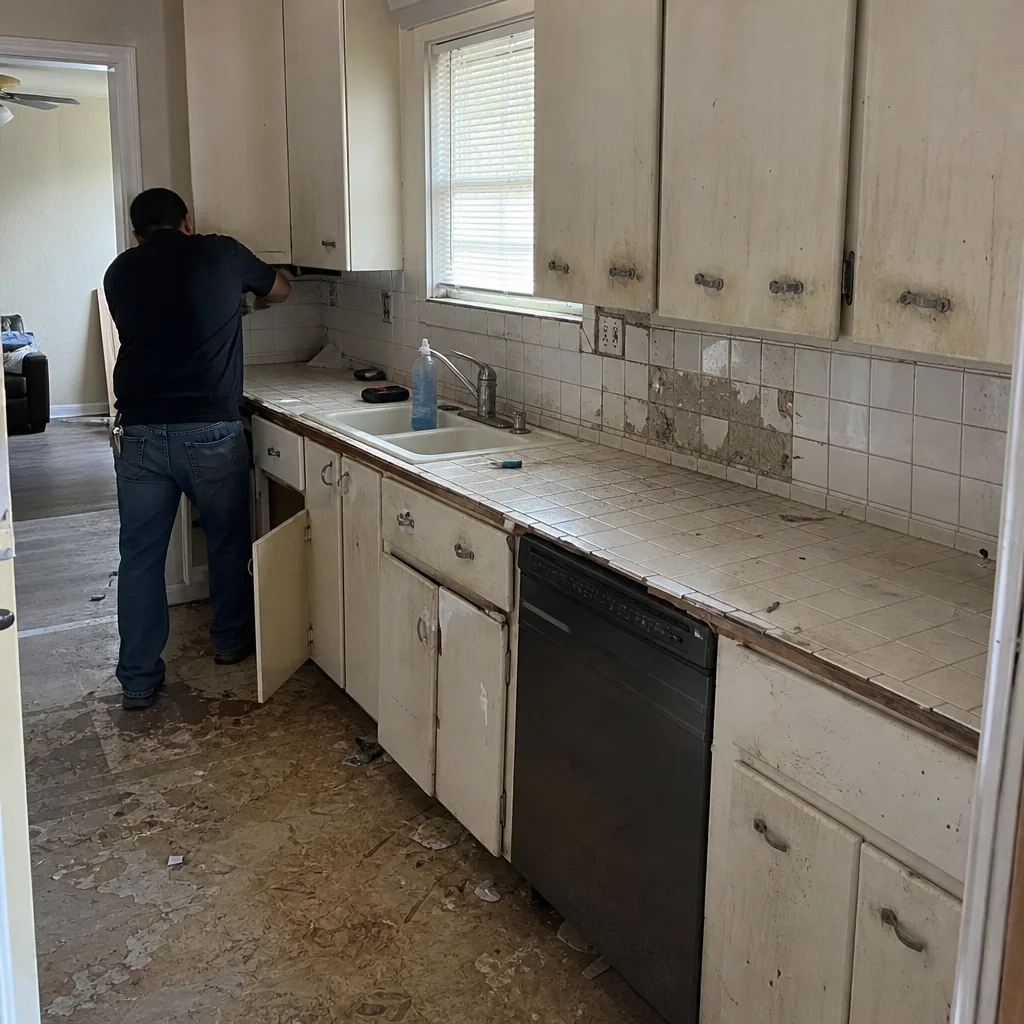
See the difference
 Before
 After
 Before
 After
 Before
 After
When to Call a Professional
Plenty of the schedule above is homeowner work: caulking, lubricating, testing, logging. Call a professional when the problem is structural or when the diagnosis is uncertain. A door that won’t sit square in its frame, a window that leaks at the frame regardless of fresh caulk, a wood sash with rot behind the glazing compound, or a repeated draft from a door that has already been adjusted – these point to an opening that needs more than maintenance.
Rowan Construction Group Dallas offers free estimates in Dallas. We work with a written price before any work starts, and a live person answers our line 24/7. Call (833) 954-5327 to schedule a free estimate. If you’re also thinking about a larger project, our Home Additions & ADU in Dallas page covers how we handle structural work, and our Fence Installation in Dallas page shows the same documentation discipline applied outdoors. For exterior flatwork, see Driveway & Pavers in Dallas.
Frequently Asked Questions
Inspect windows and doors four times a year – once per season – with a deeper annual pass for weep holes and glazing compound. Dallas’s freeze-thaw swings and summer heat make seasonal checks more useful than a single annual visit. Call (833) 954-5327 for a free estimate if an inspection turns up a problem that needs more than maintenance.
Dallas’s combination of hard freezes followed by rapid warming, plus long hot summers, stresses sealants and weatherstripping more than a mild climate does. The thermal cycling causes caulk to crack and weatherstripping to compression-set faster. That’s why spring and fall inspections matter here.
A blocked weep hole causes water to back up inside the frame and show up on the interior sill, which looks like a seal failure but isn’t. A failed seal shows as fogging between the glass panes. Clear the weep holes first before assuming the window needs replacement.
Usually not. Most window and door warranties cover the product, not the installation or the sealant at the frame-to-brick joint. Sealant maintenance is typically the homeowner’s responsibility, which is why the documentation log matters. Call (833) 954-5327 for a free second opinion on any written estimate or warranty question.
Silicone spray. WD-40 is a solvent-and-oil blend that attracts dust and can degrade rubber seals over time; silicone leaves a dry film that lubricates without collecting grit.
Record the date, the task performed, the product used, and the condition noted. Store it in a shared cloud document with photos and receipts. A dated log is your evidence if a claim is ever questioned.
The Bottom Line
The schedule is simple: inspect and caulk in spring, lubricate in summer, test and seal in fall, and clean weep holes plus check glazing compound once a year. The product choices matter – Sashco Conceal and Dow 795 for exterior joints, silicone spray for operators and tracks, never WD-40 on rubber. The documentation matters more than most homeowners realize, because the maintenance clauses in window and door warranties depend on your ability to show you did the work. Keep a dated log, and the schedule pays for itself the first time a warranty question comes up. For anything beyond maintenance, call (833) 954-5327.
Written by the team at Rowan Construction Group Dallas.