Free written scope consultation - allowances, timeline, and change-order rules on paper before a single trade is scheduled
Styles & brands we work with
- Kitchen remodeling
- Bathroom remodeling
- Home additions & ADU
- Roofing
- Windows & doors
- Driveway & pavers
- Fence
See the difference
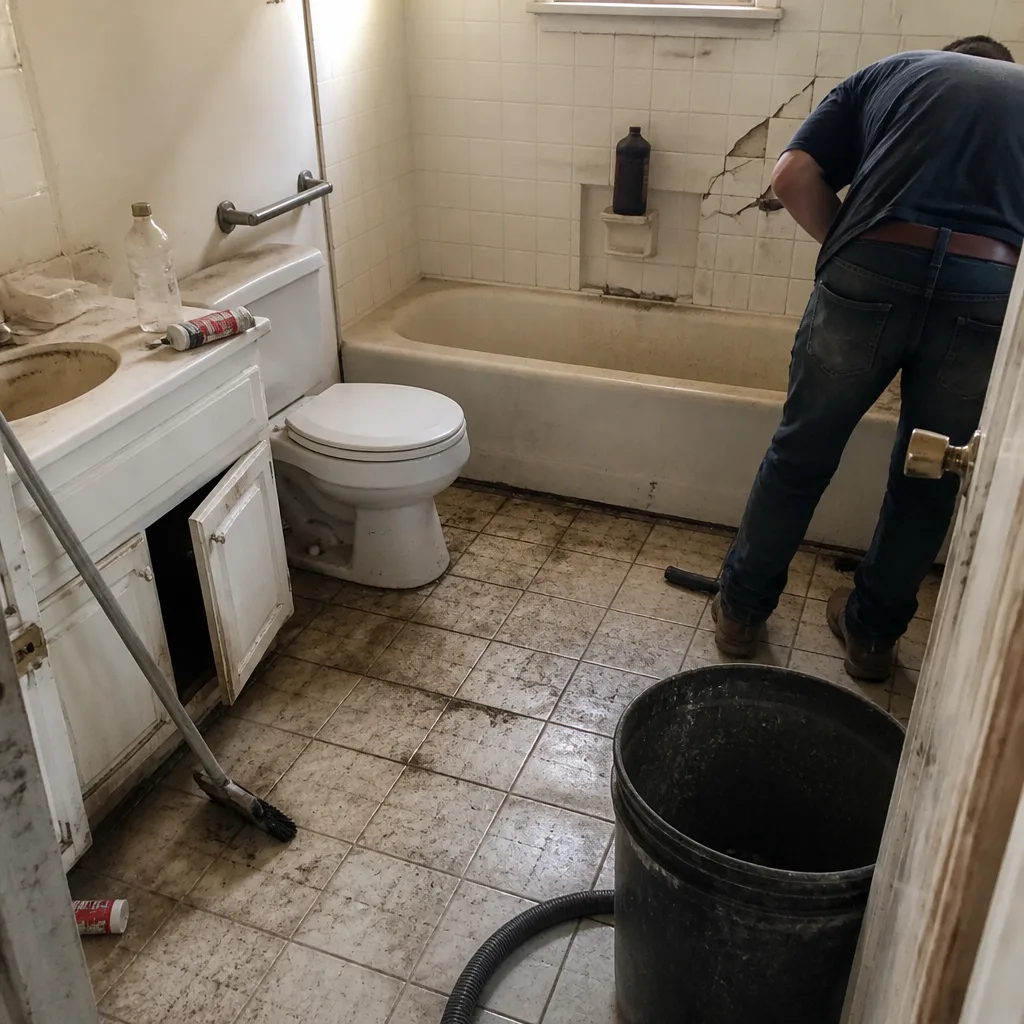 Before
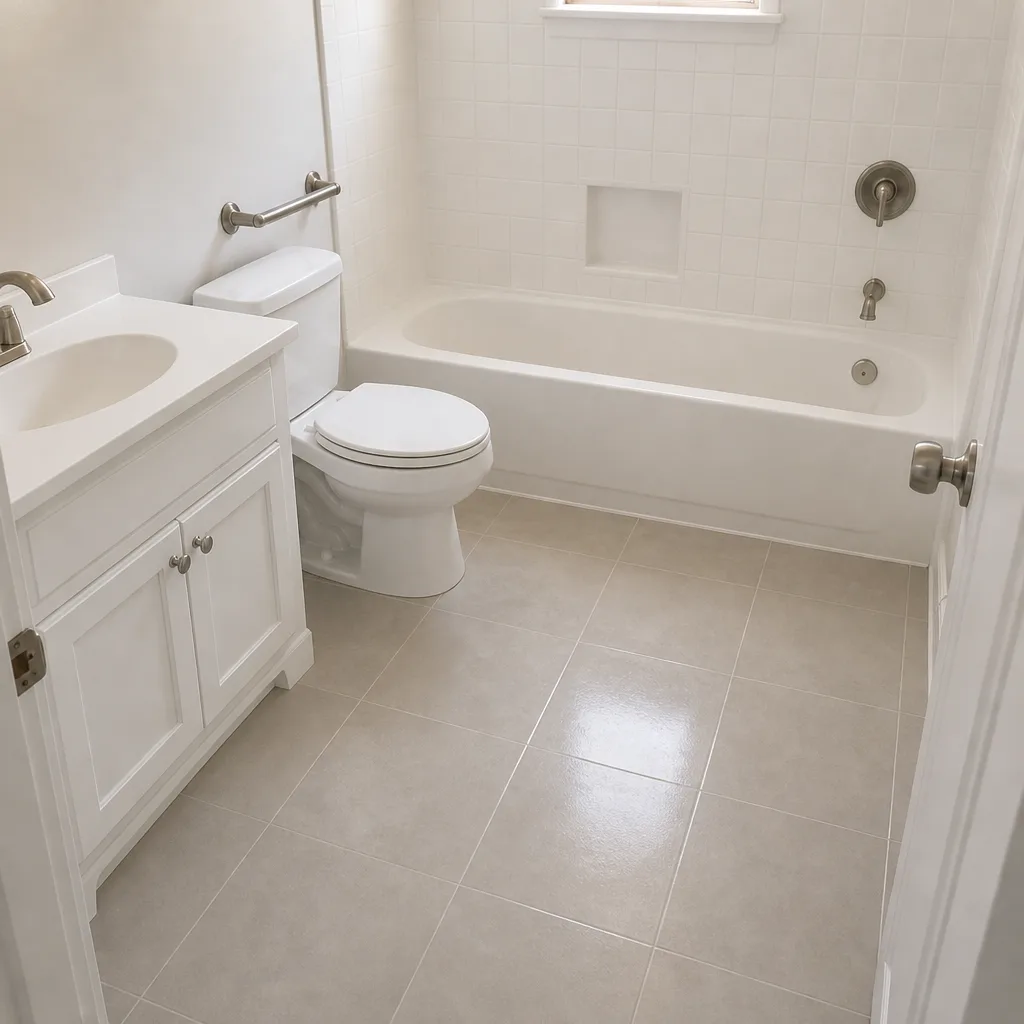 After
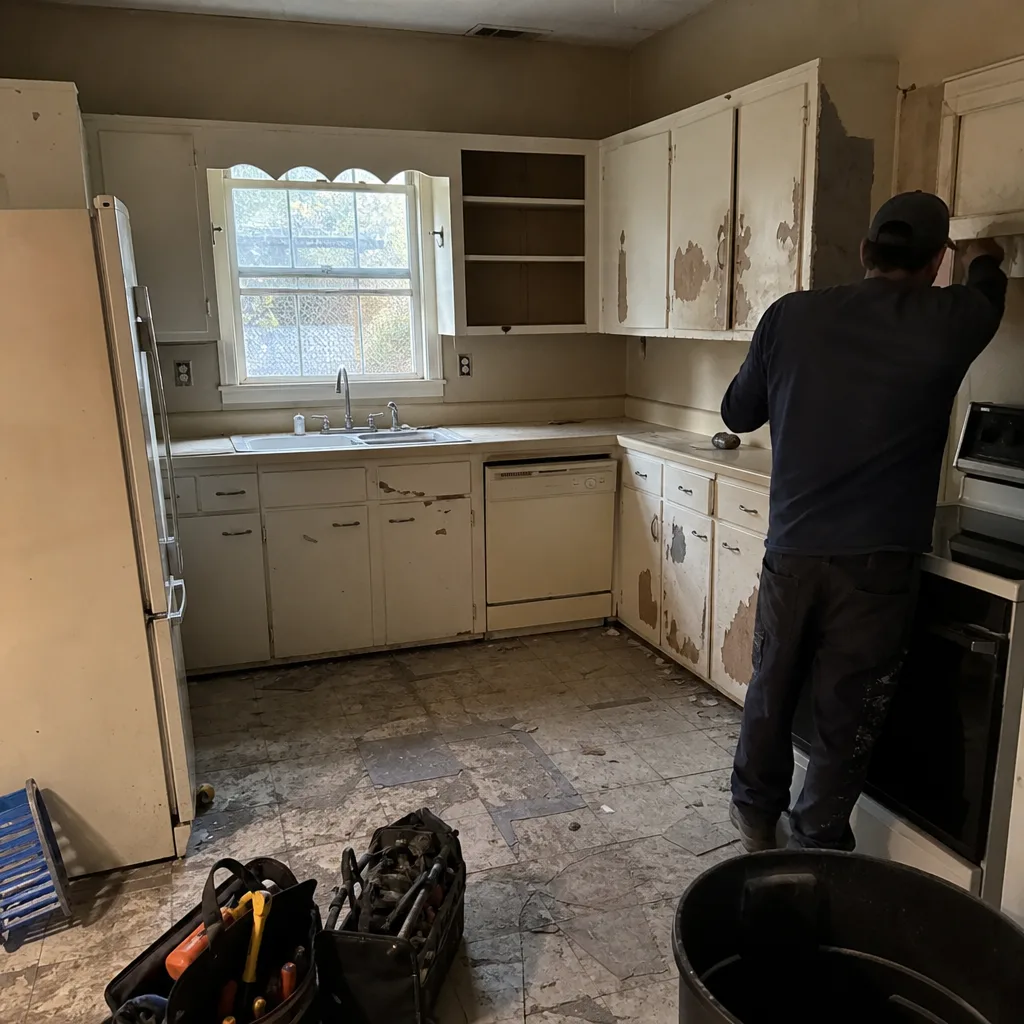 Before
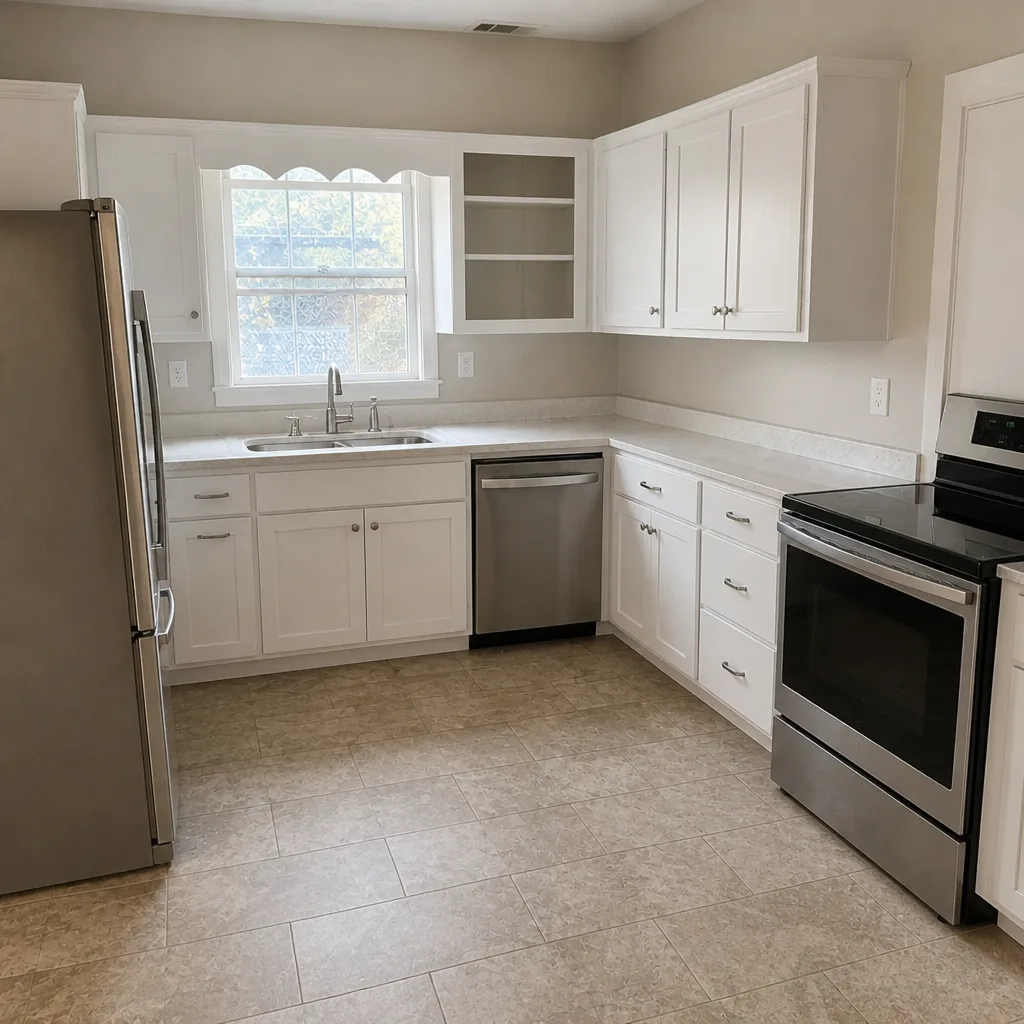 After
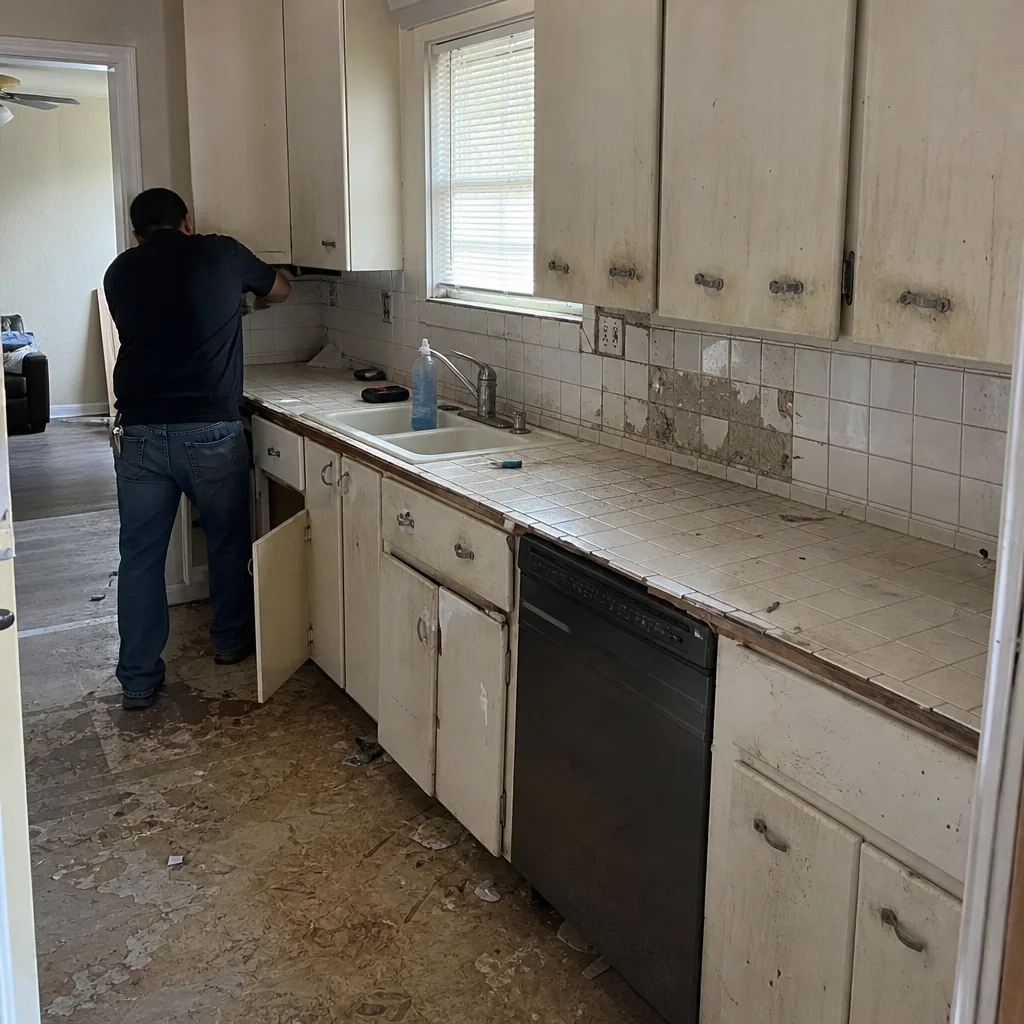 Before
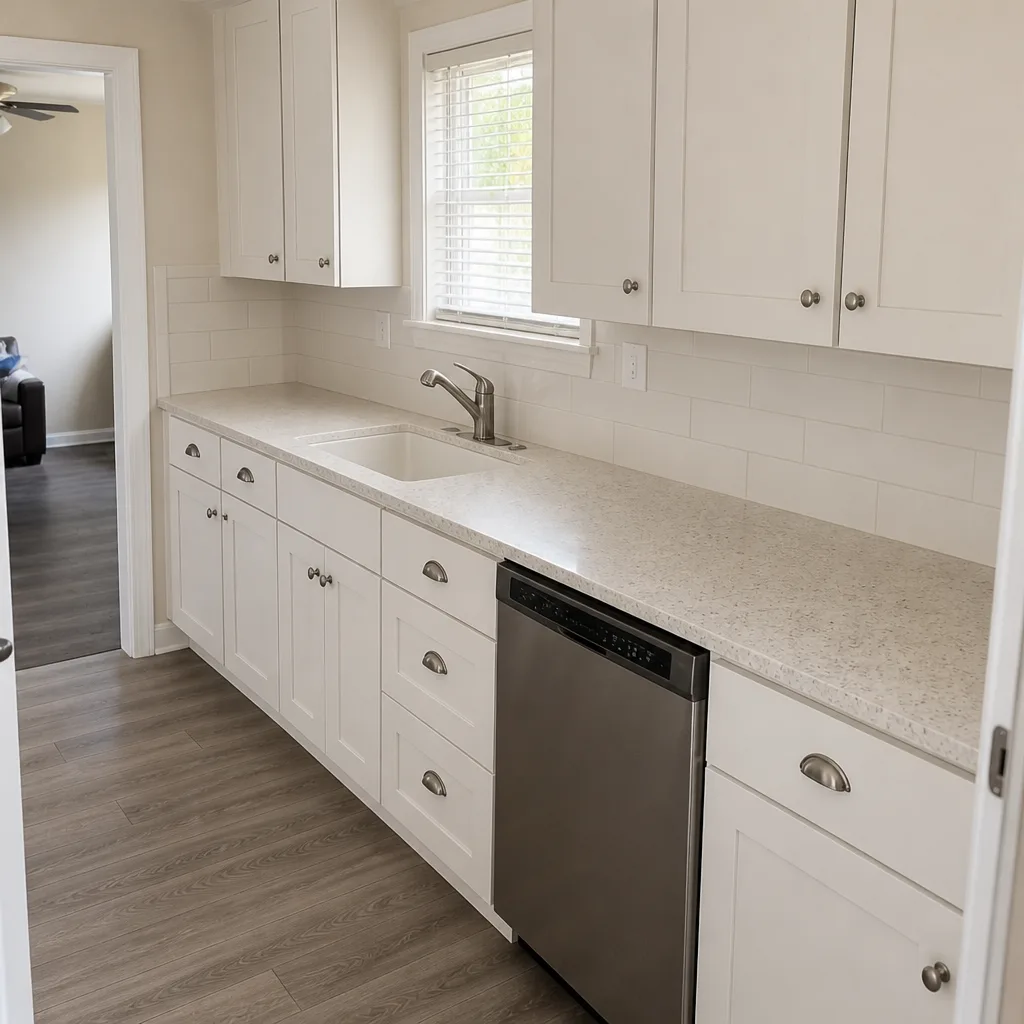 After
Addition vs. ADU in Dallas: Answer the Lot Math Before You Sketch a Floor Plan
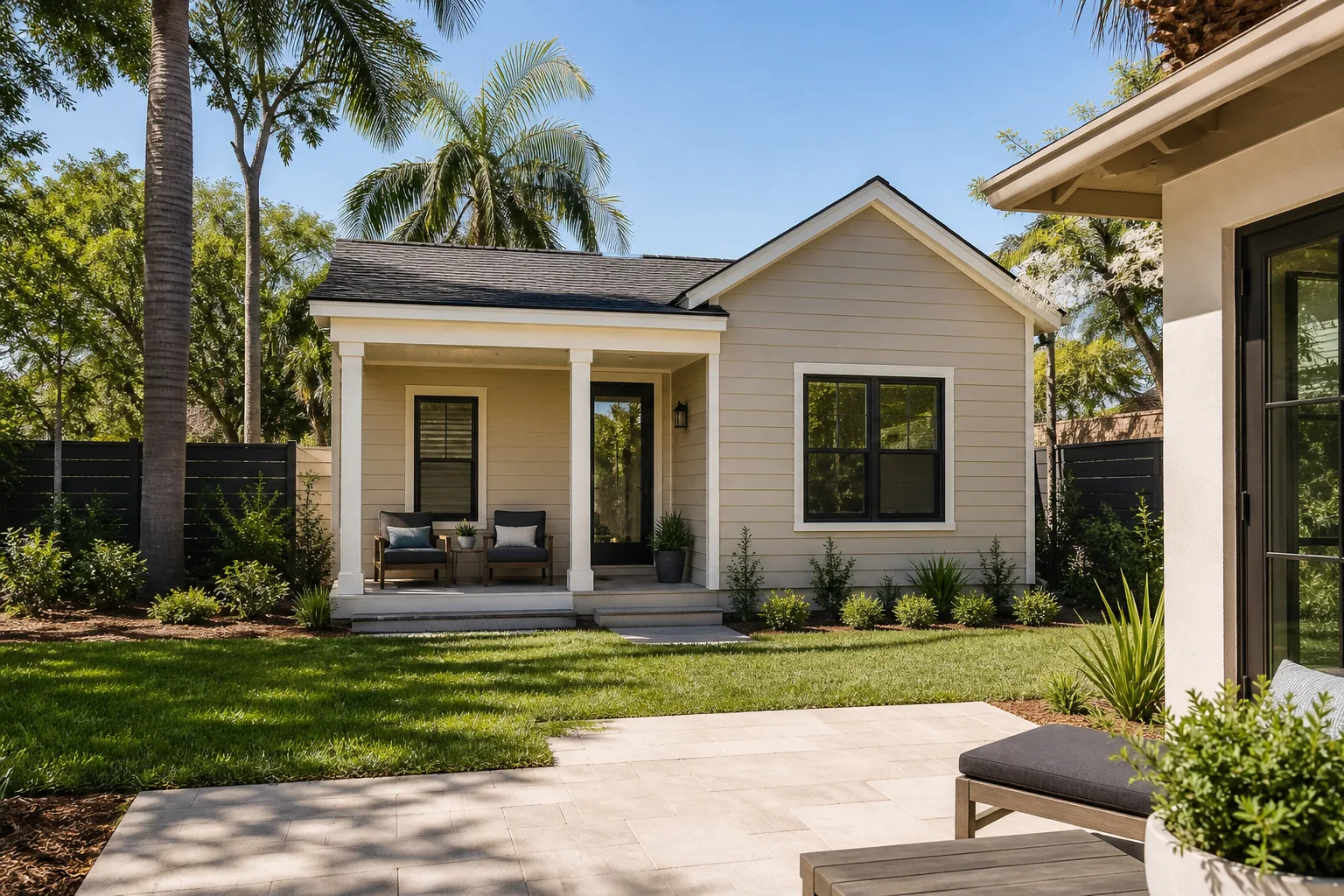
Build the ADU if your Dallas lot clears the coverage and owner-occupancy rules and you plan to hold the property for more than a decade; build the addition if you expect to sell within five years or your proposed footprint pushes lot coverage past 45%. Those are the two lines that decide most cases, and the deciding information lives on the parcel, not in a magazine. Rowan Construction Group Dallas puts both paths into one written pricing document – permit fees, foundation scope and material selections as separate line items – so a homeowner can compare them in dollars before anyone draws a wall. Call (833) 954-5327 and we’ll walk your lot’s numbers with you.
Key Takeaways
- A 600 sq ft addition to a Preston Hollow ranch adds roughly $80,000-$130,000 in appraised value and generates no income.
- That same 600 sq ft as a detached ADU on the right Dallas lot rents for $1,400-$1,800 per month.
- Detached ADUs carry their own certificate of occupancy, a separate utility meter application, and sometimes a Board of Adjustment variance.
- Foundation scope is a separate line item on both paths, and it is where budgets quietly break.
Start With the Pro-Forma, Not the Sketch
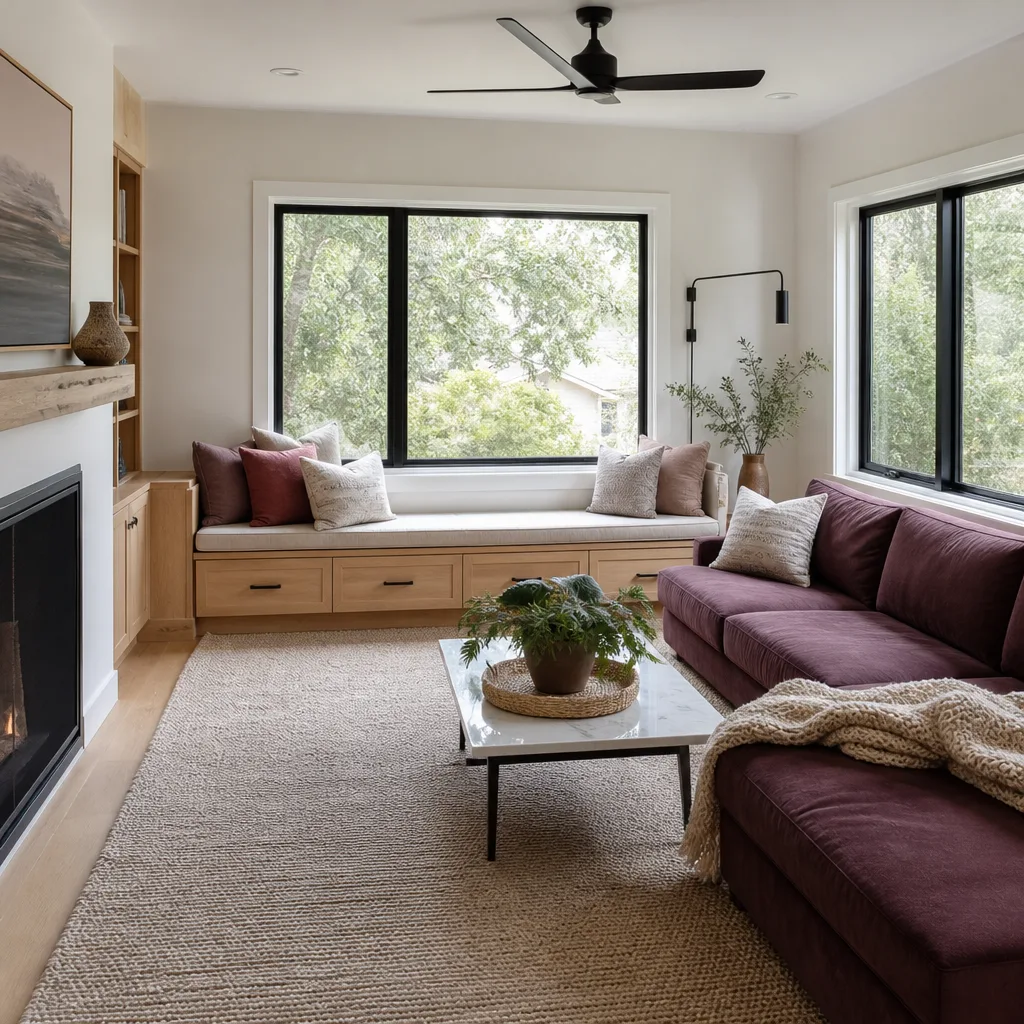
Most homeowners come to this decision holding a Pinterest board. The useful first document is a one-page pro-forma: what the structure costs, what it produces, and what it does to the tax roll. We’ve watched a 600-square-foot rear addition to a Preston Hollow ranch raise appraised value by $80,000-$130,000 with zero income attached to it. That same square footage, built detached in the back yard on a qualifying Dallas parcel, rents for $1,400-$1,800 per month. Over a ten-year hold, the ADU’s rental stream and the addition’s resale bump land in very different places. You can’t feel your way to that answer; you have to price it.
Dallas makes the calculation lot-by-lot because the city runs no-zoning swaths alongside blocks with strict deed restrictions. Two parcels a mile apart can give opposite answers. That’s why we don’t publish a general rule and pretend it fits your address.
Permitting Complexity, Side by Side
An attached addition amends your existing certificate of occupancy and typically runs through one permit stack – building, mechanical, electrical, plumbing under a single residential permit. A detached ADU is a second dwelling unit in the eyes of the city: its own certificate of occupancy, its own utility meter application, and its own inspection sequence. In Dallas neighborhoods where lot coverage pushes past 45%, a Board of Adjustment variance may enter the picture before a single stake goes in the ground.
| Factor | Attached Addition | Detached ADU |
|---|---|---|
| Certificate of occupancy | Amends existing CO | New, separate CO |
| Utility meters | Uses existing service (may need upgrade) | Separate meter application required |
| Variance risk | Lower | Higher when lot coverage exceeds 45% |
| Owner-occupancy rule | Not applicable | Applies in regulated Dallas areas |
| Typical Dallas cost range | $45,000-$130,000 | $90,000-$220,000 |
The owner-occupancy requirement is the one homeowners miss. In Dallas areas with active ADU rules, you may be required to live on the property to rent the unit legally. If your plan is to move out and lease both structures, that plan needs checking before design, not after.
The Foundation Variable Nobody Puts in the Brochure
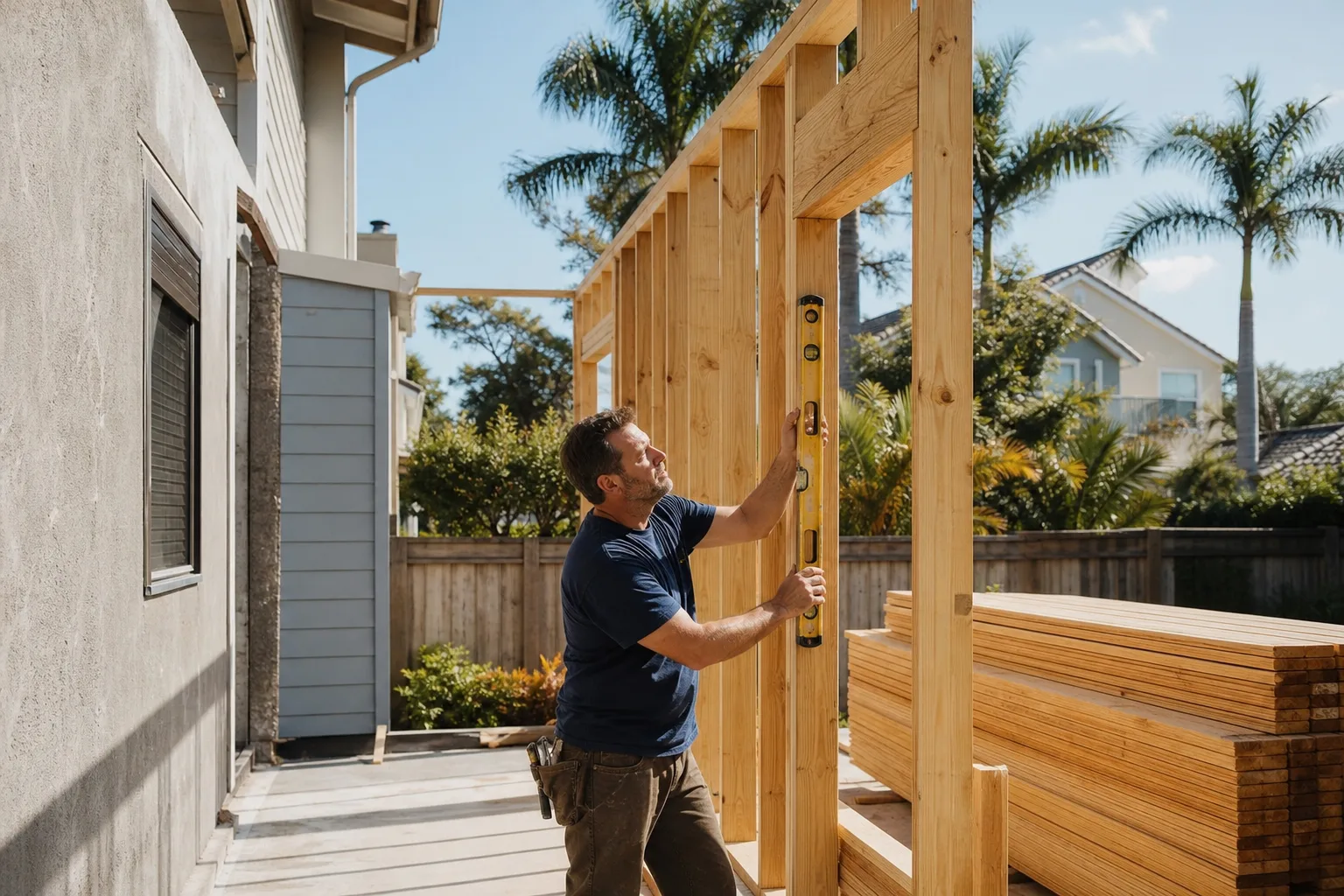
Dallas’s blackland clay swells through wet springs and shrinks through dry summers, and the movement shows up in the older stock – the East Dallas and Oak Cliff pier-and-beam ranches, the shallow slabs poured in the 1950s and 60s. After a hard dry summer, our phones fill with sticking doors and diagonal drywall cracks, and the honest fix is usually piers under the structure, not fresh drywall compound.
Here’s the part that changes the addition-vs-ADU math. An addition on a pier-and-beam East Dallas ranch has to extend the existing foundation system – new piers and grade beams tied into the original – and that typically runs $8,000-$18,000 as a separate line item. A detached ADU on that same lot can sit on an independent post-tension slab engineered for your soil conditions, sometimes a simpler structural problem even though the unit costs more overall. We list foundation scope as its own line on the written quote for both paths so you can see it, not guess at it.
What the Appraisal Does to Your Tax Bill
Dallas Central Appraisal District treats an attached addition as part of the main structure, which means your taxable value moves the moment the CO is amended. A detached ADU may be appraised separately and can land at a different rate. The difference is worth confirming with a Dallas County appraisal consultant before breaking ground – one phone call can change a ten-year projection.
For homeowners on lots over 7,500 square feet in East Dallas, Oak Cliff, or Lower Greenville, where rental demand runs strong, the ADU math usually wins over a ten-year hold. For anyone planning to sell inside five years, an addition that bumps the bedroom count tends to win on comparable sales. That’s the defensible split, and it’s the one we’ll tell you even when it sends your project toward the smaller number.
How Rowan Prices Both Paths in One Document
Under Clause 1 of The Haven Standard, the price is written before anyone starts work. For an addition-or-ADU decision, that means one pricing document listing permit fees, foundation scope, and material selections – Kohler or Toto fixtures, KraftMaid or Wellborn cabinetry – as separate line items. You compare the two options on a dollar basis, not a feeling. On selected windows and doors we spec Therma-Tru and ViewLux products so the envelope line has a real brand and a real number attached.
No change proceeds without a signed change order, which is the discipline that has kept our projects within a few percent of the agreed price across 4,000-plus jobs since 2007. Our technicians have up to 19 years of experience, and every visit includes a documented photo record as a standard deliverable – you hold evidence of what we found and what we built.
Decision Framework: Which One Fits Your Dallas Parcel?
- Lot under 6,000 sq ft, plan to sell soon: addition. Coverage constraints make a detached unit a variance fight you don’t need.
- Lot over 7,500 sq ft, ten-year hold, strong rental block: ADU, if owner-occupancy rules permit it.
- Pier-and-beam ranch, tight budget: price the foundation extension first – it’s often the swing factor between the two.
- Need a bedroom for family, not income: addition. An ADU rented to strangers doesn’t solve a household need.
- Unsure: a written pro-forma and both quotes, side by side. That’s one conversation.
When you’re ready to move from comparison to execution, our Home Additions & ADU service handles both paths under the same written-price discipline, and the Home Additions & ADU in Dallas page covers the local build detail in full. If a competitor has already quoted you, bring it in – we’ll review any written estimate line by line at no charge as a free second opinion. Back to the home page for the full picture of our seven trades.
FAQs
A home addition is almost always cheaper up front, at $45,000-$130,000 versus $90,000-$220,000 for a detached ADU. The ADU can still win over a long hold because it generates $1,400-$1,800 per month in rent while an addition generates none. Call (833) 954-5327 for an exact comparison on your lot – estimates are free.
Not without a Board of Adjustment variance in most Dallas neighborhoods. Detached ADUs also require their own certificate of occupancy and a separate utility meter application. We check coverage and owner-occupancy rules on your parcel before design starts – call (833) 954-5327 and we’ll tell you what applies to your address.
Likely, but possibly at a different rate than an attached addition. Dallas CAD appraises an attached addition as part of the main structure and raises taxable value immediately; a detached ADU may be appraised separately. Confirm with a Dallas County appraisal consultant before breaking ground. Call (833) 954-5327 for our written pricing on either path.
Extending a pier-and-beam foundation for an addition typically runs $8,000-$18,000 as a separate line item on Dallas’s blackland clay. A detached ADU can use an independent post-tension slab instead. We list foundation scope separately in every written quote – call (833) 954-5327 to get yours.
If you’d rather have it looked at, Rowan Construction Group Dallas offers a no-pressure assessment in Dallas – call (833) 954-5327 for a free estimate. A live person answers around the clock, and you’ll leave with a written price before any work starts.
Written by the team at Rowan Construction Group Dallas, serving Dallas, TX.