Last updated November 17, 2026


Free written scope consultation - allowances, timeline, and change-order rules on paper before a single trade is scheduled
How Long Does Fence Installation Take? Timelines and What to Expect
In Dallas, a Texas 811 utility locate request alone requires a minimum 48-hour wait by law. That single fact is why most “one-week” fence quotes quietly become week two before anyone shows up with a post-hole digger. The installation itself is usually the shortest part of the job. What stretches a fence project is the pre-dig phase: permits, locates, material lead times, and the weather window you need for a finish coat to cure. This guide breaks down each phase in day counts, so you can build a schedule in Dallas that actually holds.
Quick Answer
A standard residential fence in Dallas takes about 2 to 4 weeks from signed contract to finished fence. The install itself is typically 1 to 3 days for a 150-foot run of cedar privacy fence, or 3 to 5 days for wrought iron or a large vinyl layout. The rest of the calendar is consumed by permits (3 to 10 business days with the City of Dallas), the 48-hour utility locate wait, and material lead times that range from a few days for cedar to three weeks or more for specialty wrought iron.
Styles & brands we work with
- Kitchen remodeling
- Bathroom remodeling
- Home additions & ADU
- Roofing
- Windows & doors
- Driveway & pavers
- Fence
Table of Contents
- The Pre-Dig Phase: Where Timelines Really Go Sideways
- Day-Count Breakdown by Fence Type
- Permits and 811 Locates in Dallas
- How Dallas Soil Changes Your Curing Schedule
- Weather Windows and the Cedar Staining Trap
- What a Written Timeline Commitment Should Contain
- Red Flags in a Contractor’s Quoted Timeline
- Frequently Asked Questions
The Pre-Dig Phase: Where Timelines Really Go Sideways
If you talk to a homeowner whose fence project ran long, the install wasn’t the culprit nine times out of ten. The delay happened before a single post went in. The pre-dig phase is unglamorous and it’s where the calendar lives or dies. Four things happen in sequence, and each one has a floor you can’t compress.
- Permit submission and review. Depending on height, location on the lot, and whether the fence sits on an easement, the City of Dallas reviews fence permits in roughly 3 to 10 business days. Corner lots and fences over 8 feet take longer because they often trigger additional review.
- Utility locate request (Texas 811). By law, the notice must be submitted at least 48 hours before digging. That’s a hard 48, and it’s business hours, so a Friday submission often means a Tuesday start.
- Material order and delivery. Cedar pickets and common panels move faster than most people expect. Wrought iron with a custom powder coat does not.
- HOA architectural review, if applicable. Many Dallas-area HOAs require written approval before the permit is even filed. That step alone can add 2 to 3 weeks in Plano and Frisco subdivisions.
The mistake is treating these as things that happen “while we’re getting ready.” They don’t overlap reliably, and a contractor who doesn’t name them up front isn’t being careful with your time. When we build a schedule in Dallas, the locate request and material order go out the same week the contract is signed, so the 48-hour clock runs alongside the permit review instead of after it.
Day-Count Breakdown by Fence Type
Fence type changes the install window and the lead time. Here’s how it plays out in Dallas for a typical residential lot, roughly 150 to 200 linear feet.
- Cedar privacy fence: Install of 1 to 3 days; material lead time usually 3 to 7 days. The fastest combination and the standard in Dallas backyards.
- Pressure-treated pine: Install of 1 to 3 days; material lead time 2 to 5 days. Same speed as cedar, shorter lifespan in humid conditions.
- Vinyl: Install of 2 to 4 days; lead time 1 to 2 weeks. Panels ship pre-assembled, so a custom profile or nonstandard height adds delay.
- Ornamental wrought iron: Install of 3 to 5 days; lead time 2 to 4 weeks. Custom fabrication and powder coating add real calendar time, and it’s the single biggest variance between quoted and actual schedules.
- Composite: Install of 2 to 4 days; lead time 1 to 3 weeks. Brands like Trex or Fiberon panels are rarely stocked in local yards at custom lengths.
On one 190-foot cedar run in Lake Highlands, the permit cleared in 6 business days, the 811 locate cleared on day 3, and the install itself was 2 days. Twelve calendar days total, and only 2 of them involved a post-hole digger. That ratio is normal for a Dallas residential fence. When you see it written out, it’s easier to plan around, and easier to spot a quote that promises something the calendar won’t allow.
For a fuller explanation of what gets built and how, see our guide to Fence Installation in Dallas.
Permits and 811 Locates in Dallas
Permits and locates are the two administrative items most likely to disappear from a quoted timeline, so they deserve their own breakdown.
City of Dallas permits. A standard residential privacy fence up to 8 feet usually requires a fence permit, and the review typically runs 3 to 10 business days. Fences on corner lots, fences over 8 feet, and fences on any property line touching an easement trigger additional review. The permit itself is inexpensive relative to most home projects, but pulling it before digging matters: an unpermitted fence can be flagged at resale or after a complaint from a neighbor.
Texas 811 locates. Before any digging, Texas law requires calling 811 or submitting online, then waiting a minimum of 48 hours for utility markings. That clock is fixed. It doesn’t matter how fast the contractor or the material order is; nobody can start digging at hour 47. It’s a legal requirement, not a scheduling courtesy, and it exists to protect you from hitting a gas or electrical line with a digging bar.
Once locates are complete and a hole is open near a marked line, plans change on the spot. If your fence crosses the utility easement at the back of a Dallas lot, which is very common, the design may need to shift before a permit can be approved in its final form. Getting the locate done early is not just about safety. It also prevents a permit revision after approval.
How Dallas Soil Changes Your Curing Schedule
Dallas has two soil conditions that change post-curing time, and they sit at opposite ends of the metro.
- Expansive clay (Oak Cliff, East Dallas, older neighborhoods near downtown): Blackland Prairie clay swells when wet and shrinks when dry. In dry months, the clay pulls away from fresh concrete and the post can loosen. In wet months, saturated clay slows the set. We plan on 48 to 72 hours of curing here, and often wider footing holes to compensate for the seasonal movement.
- Rocky caliche (far North Dallas, parts of Plano and Frisco): Caliche is a layer of calcium carbonate that hardens like limestone. Post holes require an auger plus a digging bar, and in some spots a mini-excavator. Labor hours per post roughly double compared to clay. Concrete actually cures more predictably here because drainage is good, so 24 hours is usually enough to hold a post.
Curing time matters because you should not hang rails or panels on a post until the concrete has set. A post that moves under the load of a 6-foot cedar panel will lean within a year, and the fix costs more than doing it right the first time. If a contractor tells you they’ll hang panels the same day the concrete is poured, that’s a shortcut that gets billed to you later. A written quote should name the curing window, matched to your address, before the schedule is signed.
Weather Windows and the Cedar Staining Trap
Most fence materials don’t care about Dallas weather much. Cedar does, once you start finishing it. Install happens in most conditions short of hard rain or standing water in the holes. Staining and sealing do not. A fresh cedar fence needs its moisture content to settle before a coat goes on, and Dallas humidity varies enough between spring and late summer that the window is different every season.
The sequence that avoids redoing work:
- Install the fence and let the cedar dry for at least 2 weeks, longer in humid months.
- Check a 3-day forecast for low rain probability and moderate humidity. Texas summer afternoons at 100°F can flash-dry a stain before it soaks in.
- Apply stain or sealer on a dry morning, ideally with 24 hours of dry weather after.
- Wait the manufacturer’s recoat interval before a second coat, usually 24 to 48 hours.
Skipping the drying window traps moisture under the finish and leads to peeling by the next summer. That’s a repeat cost most homeowners don’t budget for. If you want the fence to hold up through a Dallas August, schedule the finish as a separate milestone in the written scope, not as “day 1 of install.”
What a Written Timeline Commitment Should Contain
A written timeline isn’t a paragraph that says “we’ll start soon.” It’s a one-page schedule with dates against milestones, and each milestone should name what’s being delivered, not just what’s happening. Here’s what we put in writing, and what you should demand from anyone quoting your fence in Dallas:
- Contract signature date. The anchor. Everything else is measured from it.
- Permit submission date and expected approval window (3 to 10 business days for Dallas residential fence permits).
- 811 locate request date and the 48-hour minimum wait before digging.
- Material order placed date and expected delivery, with the fence type and brand named.
- Install start and finish dates, with the linear feet per day the crew is committing to.
- Curing window before panels go on, matched to your soil condition.
- Finish schedule, if you’re adding stain or sealer, with the dry-down interval spelled out.
- Photo record and warranty handoff date, so you know when the final walkthrough happens.
Vague phase names are the enemy. “Week 1: prep” tells you nothing. “Permit submitted Tuesday the 8th, expect approval by the 20th” tells you when to follow up. Under Clause 1 of the Haven Standard, the price goes in writing before anyone picks up a tool, and the schedule should live on the same page. No change proceeds until the change order is signed, so if the timeline slips for a reason outside our control (an HOA review, a utility conflict on a locates map), you know what triggered the change and what it costs in time before it happens.
Red Flags in a Contractor’s Quoted Timeline
A timeline that looks tight and clean is easier to spot as trouble once you know what doesn’t belong in it. The bigger issue is what’s missing:
- No mention of the utility locate. If the contractor never says “811” or “utility locate,” they either skip it, which is illegal, or they don’t plan for it, which will delay your install.
- No permit timeline. “We don’t need a permit for that” is a red flag in Dallas for most residential fences. It costs nothing to confirm the answer with the city before signing.
- No material lead-time buffer. Cedar delivery is usually quick. Wrought iron rarely is. A quote that promises a 3-day install on a custom iron fence without a stated delivery date is optimistic at best.
- No curing window. If panels are hung the same day the post goes into wet concrete, expect a leaning fence within a year or two.
- No finish schedule for stain or sealer. A finish added “whenever” gets skipped or mistimed. It belongs on the page.
- No ground-fault or easement note. Dallas lots are full of utility easements. If your fence design runs through one, the schedule has to account for the shift.
- No written change-order process. Schedules and scopes drift. The contractor should name in writing how a change gets approved before it delays your project.
For a broader sense of how we sequence the trades on residential projects, see our guide to Driveway & Pavers in Dallas, where material and weather sequencing follow the same rules.
See the difference
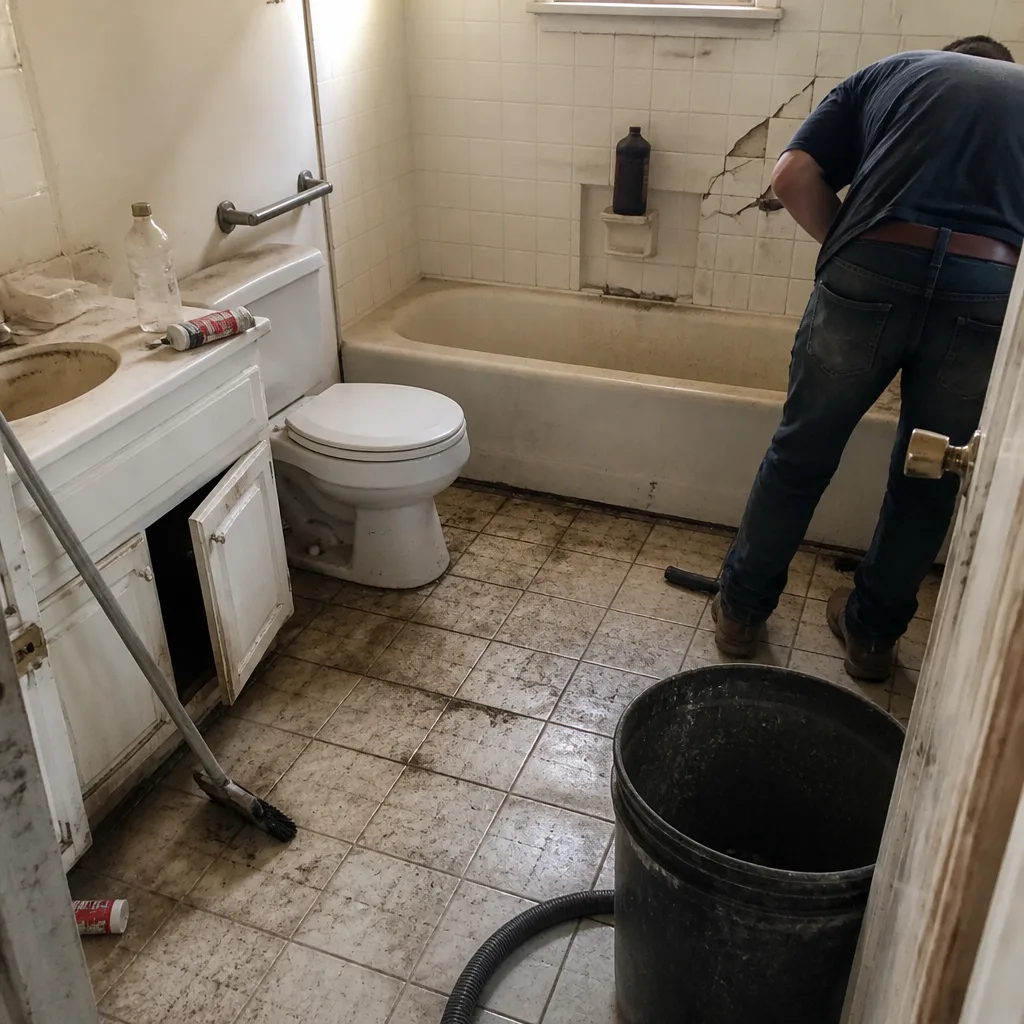 Before
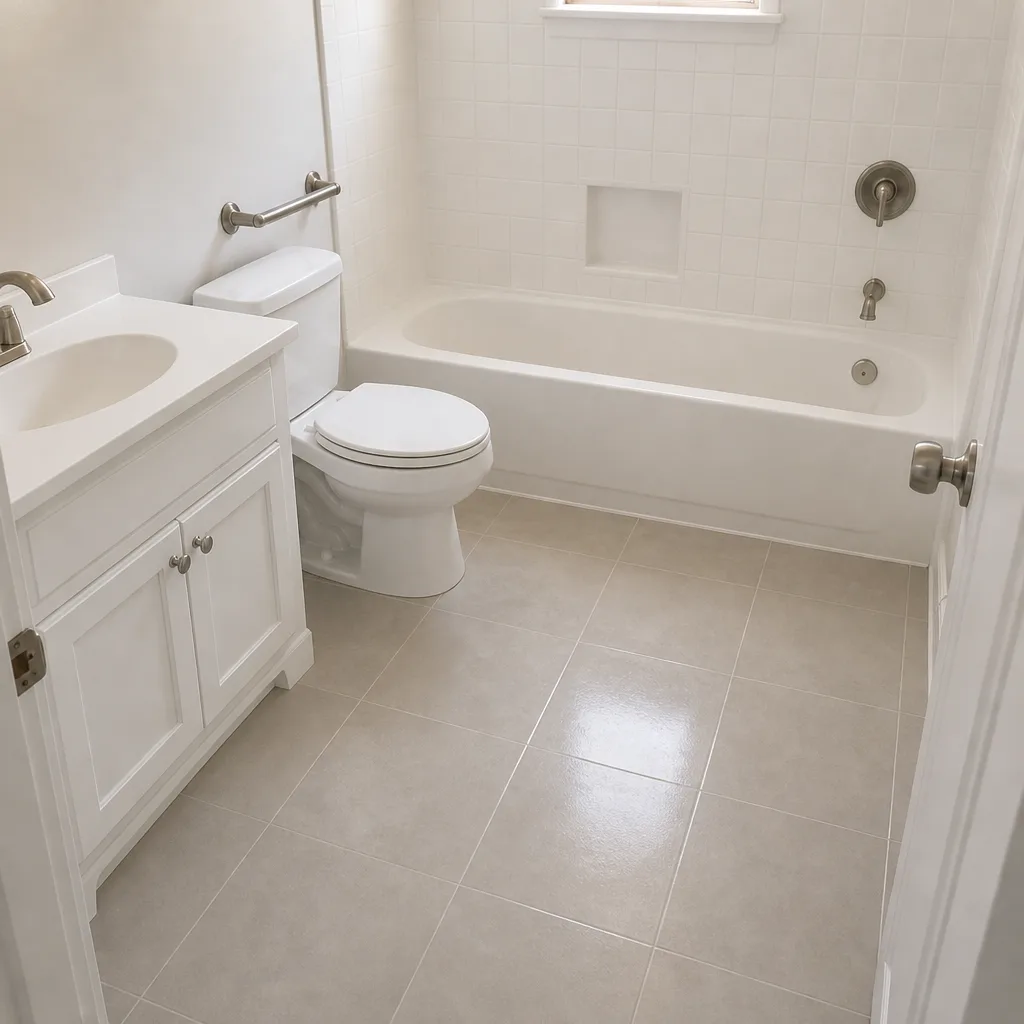 After
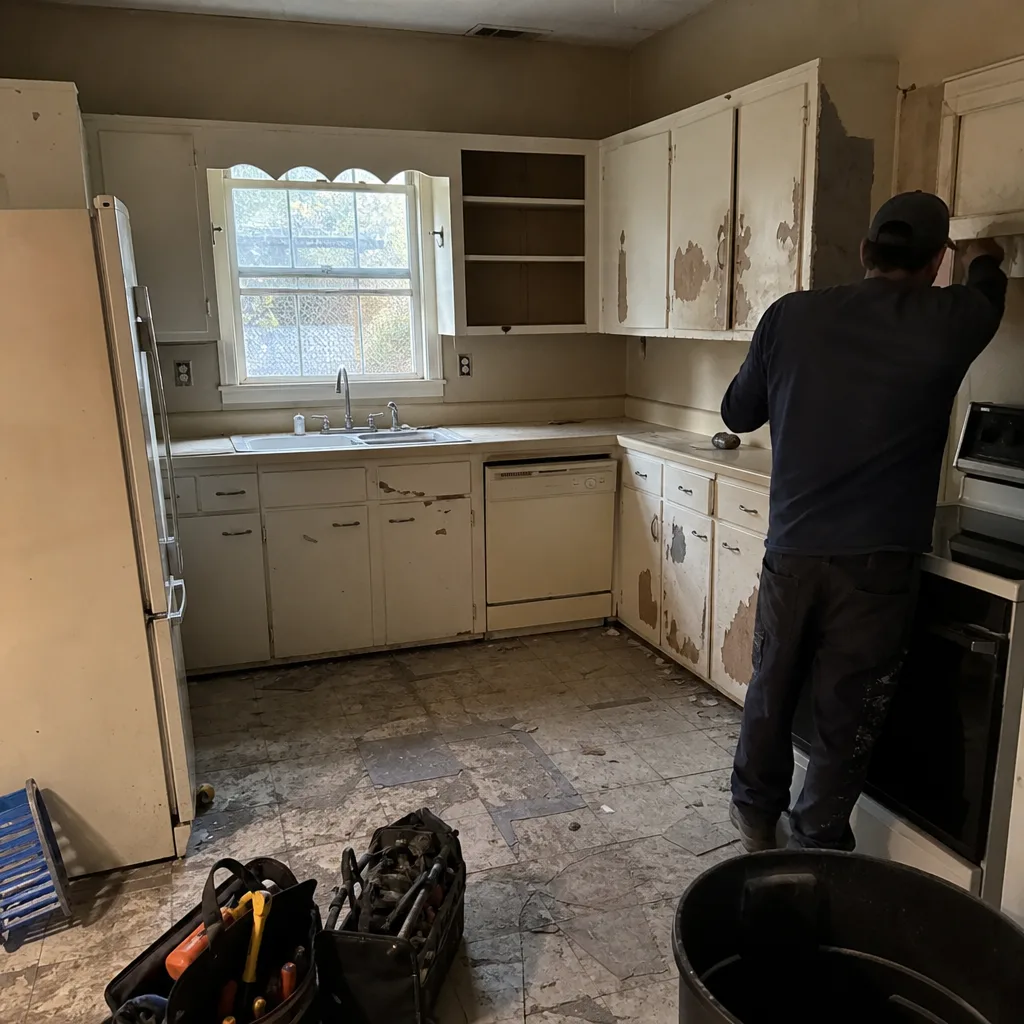 Before
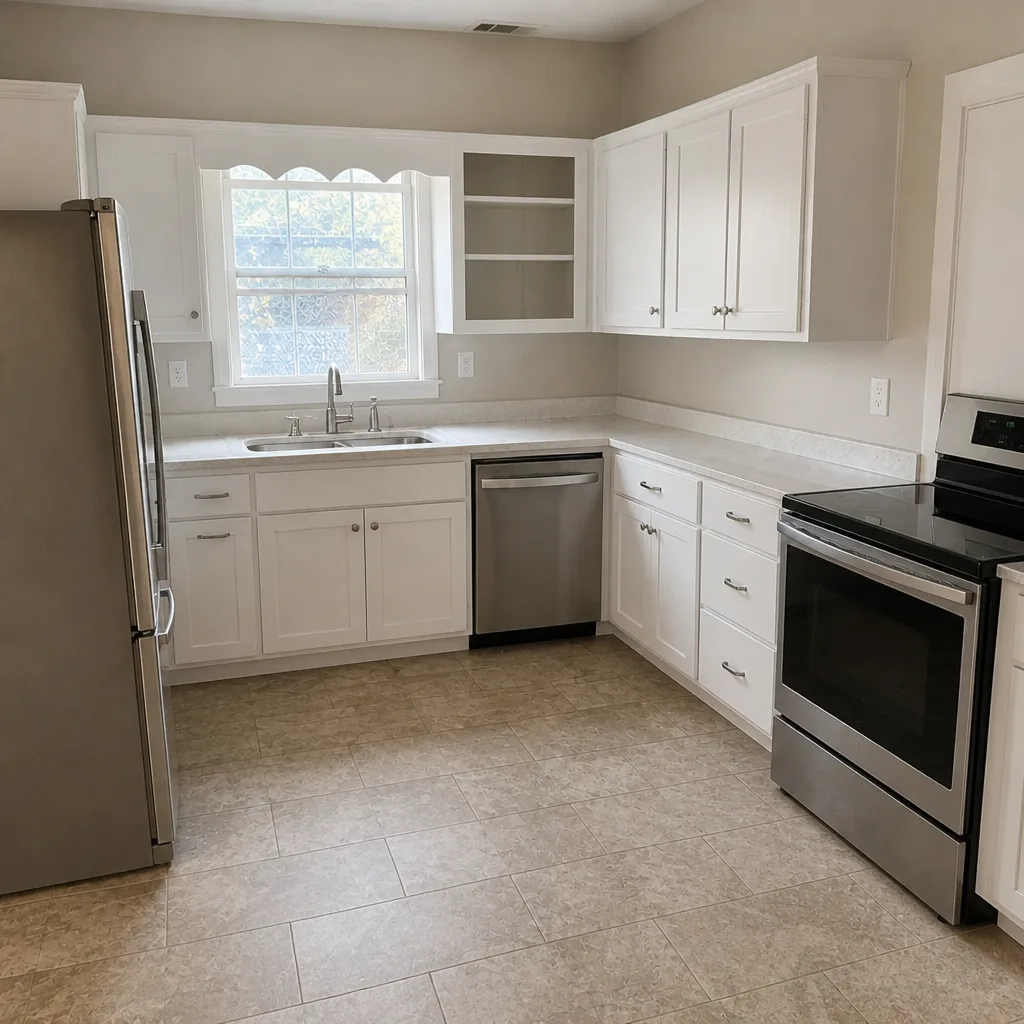 After
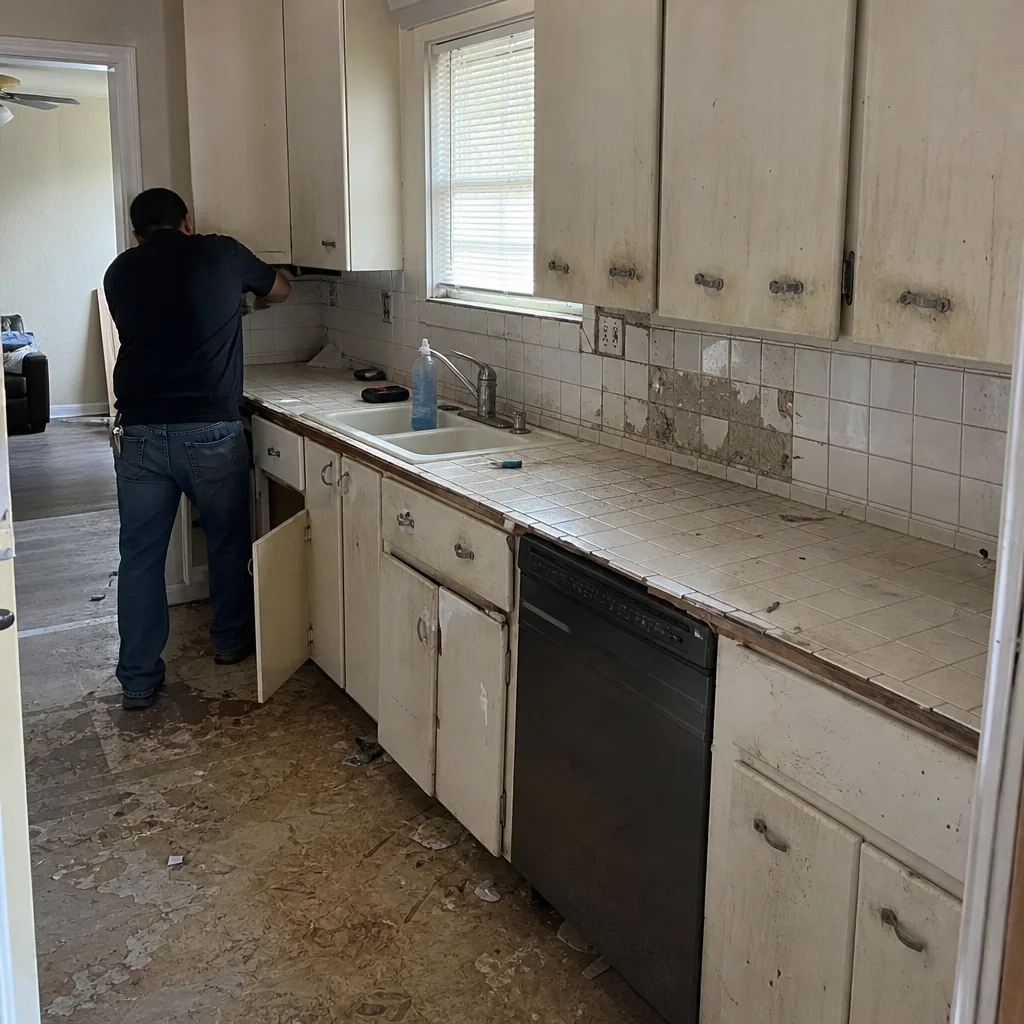 Before
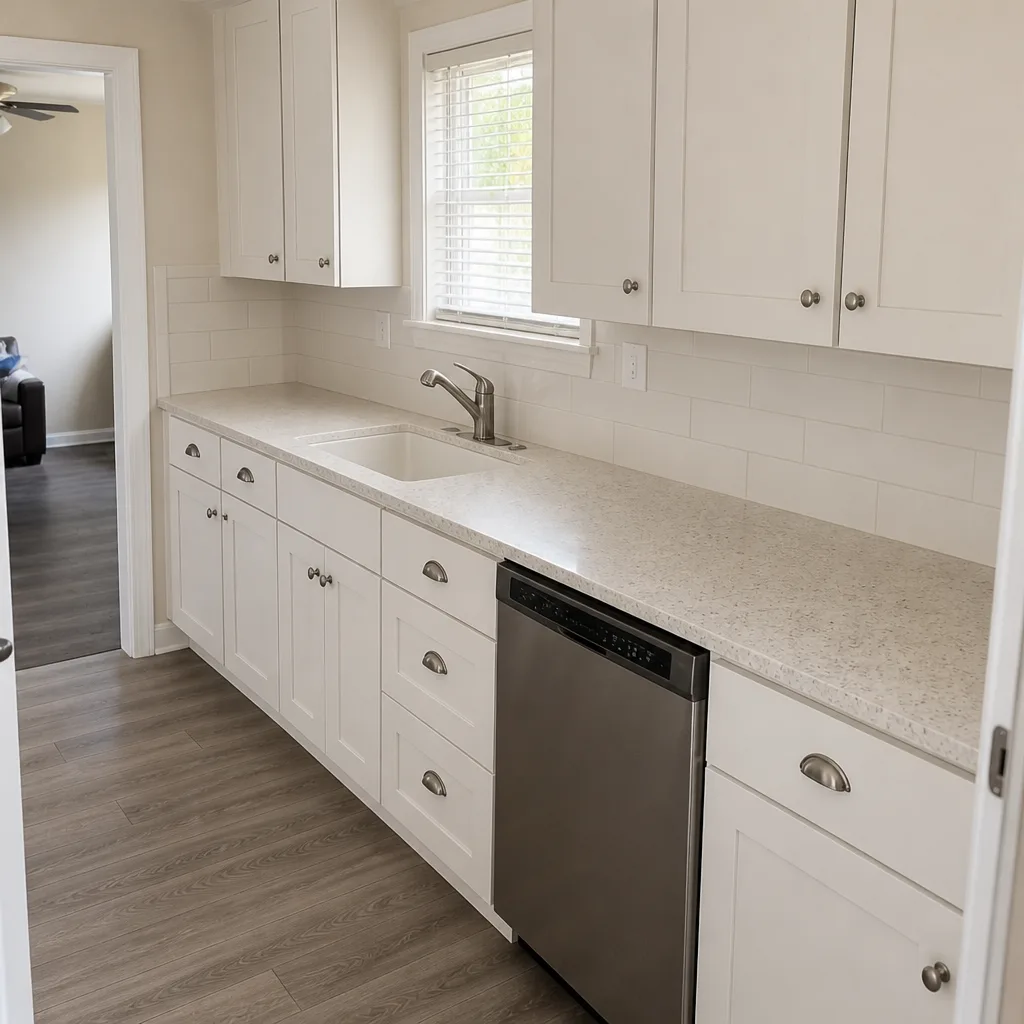 After
Common Mistakes to Avoid
- Ordering material before the permit is approved. Cedar sits in your driveway for 10 days while the city reviews, which raises the odds of warp and damage. Order after the permit clears.
- Skipping the HOA review step. Plano and Frisco subdivisions routinely require architectural approval before a permit can be filed. Two extra weeks appear out of nowhere if the HOA step is left off the schedule.
- Hanging panels the day the post is poured. A post needs 24 hours in clay and caliche to firm up, and up to 72 hours in wet, expansive Oak Cliff clay. Panels hung early will lean.
- Ignoring the utility easement that runs across the back of many Dallas lots. A locate catches what people forget; the district plan catches what a locate can’t show. Both matter before permit submission.
- Staining in humid weather and wondering why the finish peels. Cedar needs to dry first, and stain needs a dry window after. Dallas humidity rewards patience here.
- Accepting a verbal schedule. If the timeline isn’t in writing, it isn’t binding, and no change-order process protects you when a “couple extra days” turns into three weeks.
- Booking the install for late May. Cedar install is fine, but stain is not. Dallas summer heat flash-dries finish and leaves it uneven. Either finish before May or wait until September.
When to Call a Professional
Fence installation is a job where the failure modes are invisible until they’re expensive. If your lot sits on an easement, or has a series of trees, a pool, or a retaining wall along the line, the installation involves far more than panel measuring. DIY fence work in Dallas also means digging post holes by hand through caliche in far North Dallas, which north-Texas crews use a mini-excavator for. Add utility locates, permits, and a written curing schedule, and the setup gets real. Rowan Construction Group Dallas offers free estimates in Dallas and pulls the permits and locates for every job. Call (833) 954-5327 to schedule yours.
Frequently Asked Questions
Most residential fences in Dallas take 2 to 4 weeks from signed contract to finished fence, with the physical install itself accounting for 1 to 5 days depending on material. The remaining time is taken up by permits, the 48-hour utility locate wait, and material lead times. Cedar is the fastest combination; wrought iron is the slowest.
Yes, most residential fences up to 8 feet require a City of Dallas fence permit, and review typically runs 3 to 10 business days. Corner lots, fences over 8 feet, and fences touching an easement often take longer. A contractor who says no permit is needed for a standard backyard fence is usually wrong, and asking the city costs nothing.
Texas law requires a minimum 48-hour wait after a locate request before anyone can dig. That clock is fixed and applies to every buried-utility line behind the fence. Because it runs before the first post hole and after permits are submitted, planning for it early usually overlaps the wait with the permit review window.
Yes, caliche doesn’t prevent a fence install; it just changes the labor. Post holes in caliche require an auger plus a digging bar, or a mini-excavator for harder sections, and labor per post roughly doubles. Concrete cures faster and more predictably in caliche than in expansive clay, so the curing window is usually 24 hours rather than 72.
Wait at least 2 weeks for the cedar to reach a stable moisture content, then apply the stain during a dry window with moderate humidity. In Dallas, that usually means April or September rather than July, when afternoon heat flash-dries finish before it soaks in. The finish should be a scheduled milestone, not an afterthought.
The schedule should name dates, not phases: permit submission and expected approval, 811 locate request and 48-hour wait, material delivery with the fence type and brand, install start and finish dates, curing window, finish schedule, and final walkthrough. Bring us a written quote you’ve received and we’ll review it line by line, free of charge, through our Second Opinion offer.
The Bottom Line
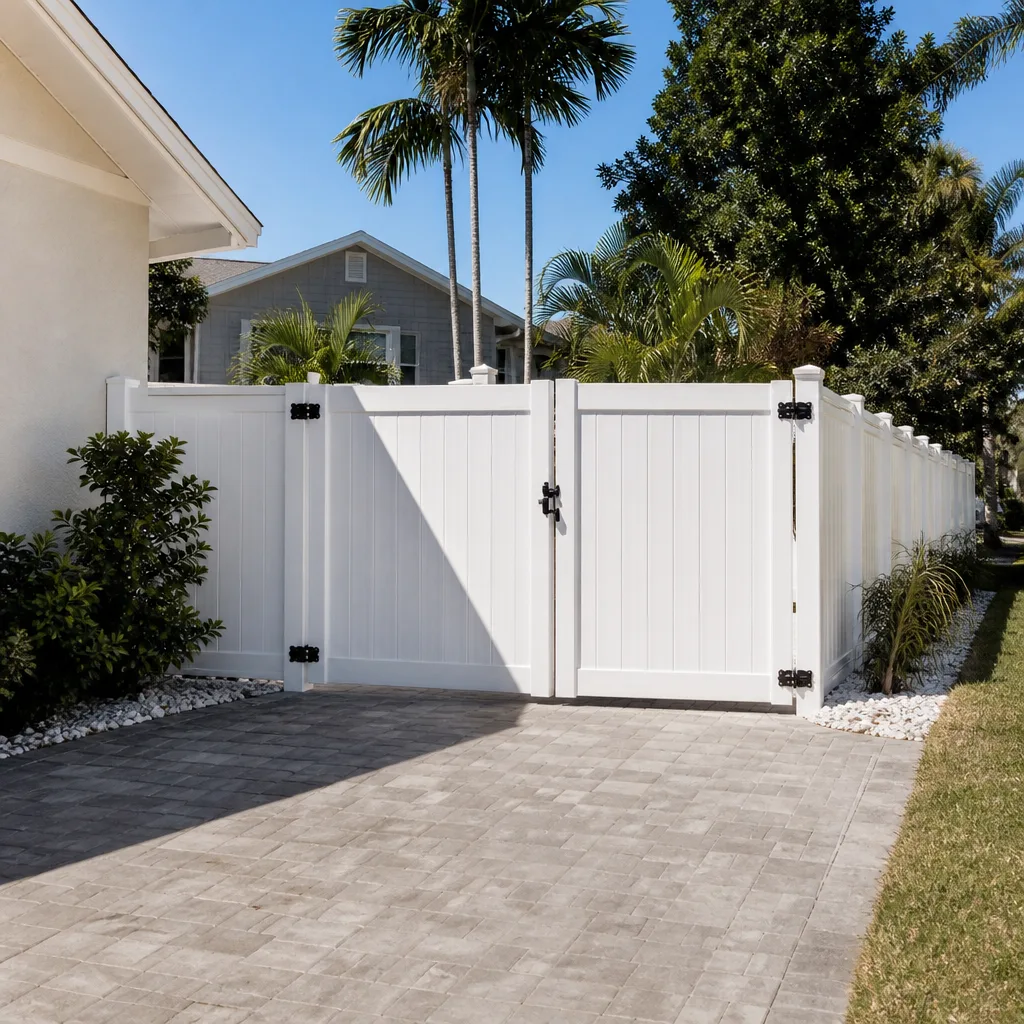
Fence installation timelines are made in the pre-dig phase, not on install day. Permits take 3 to 10 business days in Dallas. The 811 locate adds a 48-hour legal minimum. Material lead times range from a few days for cedar to three weeks for custom wrought iron. Soil changes curing: 24 hours in caliche, up to 72 in expansive Oak Cliff clay. Weather affects finishes, not installs, so stain in spring or early fall. Get the schedule in writing, with dates against each milestone, and it will hold. For a written price and a written schedule before any work starts, call Rowan Construction Group Dallas for a free estimate.
Rowan Construction Group Dallas home | Home Additions & ADU in Dallas
For a broader look at how we approach materials and sequencing across residential trades, our Rowan Construction Group Dallas home page lays out the seven trades and the Haven Standard discipline that runs across every project.
Call (833) 954-5327 for a free estimate. Our technicians have up to 19 years of experience, every project is quoted with a written price and written scope before any work starts, and the 365-Day Done Right Promise backs every job.
Written by the team at Rowan Construction Group Dallas.