Last updated November 17, 2026


Free written scope consultation - allowances, timeline, and change-order rules on paper before a single trade is scheduled
How Long Does Driveway & Pavers Take? Timelines and What to Expect
A 500-square-foot paver driveway typically takes 3 to 5 days of active crew work. But the calendar from signed contract to sealed surface usually runs 3 to 6 weeks, and that gap has almost nothing to do with how fast the crew lays stone. Here’s the counterintuitive part: the paver-laying itself is the shortest phase of the entire job. Most schedule variance comes from base preparation and material lead times. In this guide we break the project into four honest phases, give you day-count ranges for each, explain what Dallas weather does to the schedule, and show what a written project schedule should actually contain before you sign.
Quick Answer
A paver driveway in Dallas takes 3 to 5 days of active crew work for a typical 500-square-foot driveway, spread across a project calendar of 3 to 6 weeks from contract signing to final joint-sand cure. Demolition and base excavation take 1.5 to 3 days combined, paver installation takes 1 to 3 days depending on pattern complexity, and joint sand needs 24 to 72 hours of cure before vehicle traffic. The rest of the calendar is material lead times, weather windows, and cure requirements.
Styles & brands we work with
- Kitchen remodeling
- Bathroom remodeling
- Home additions & ADU
- Roofing
- Windows & doors
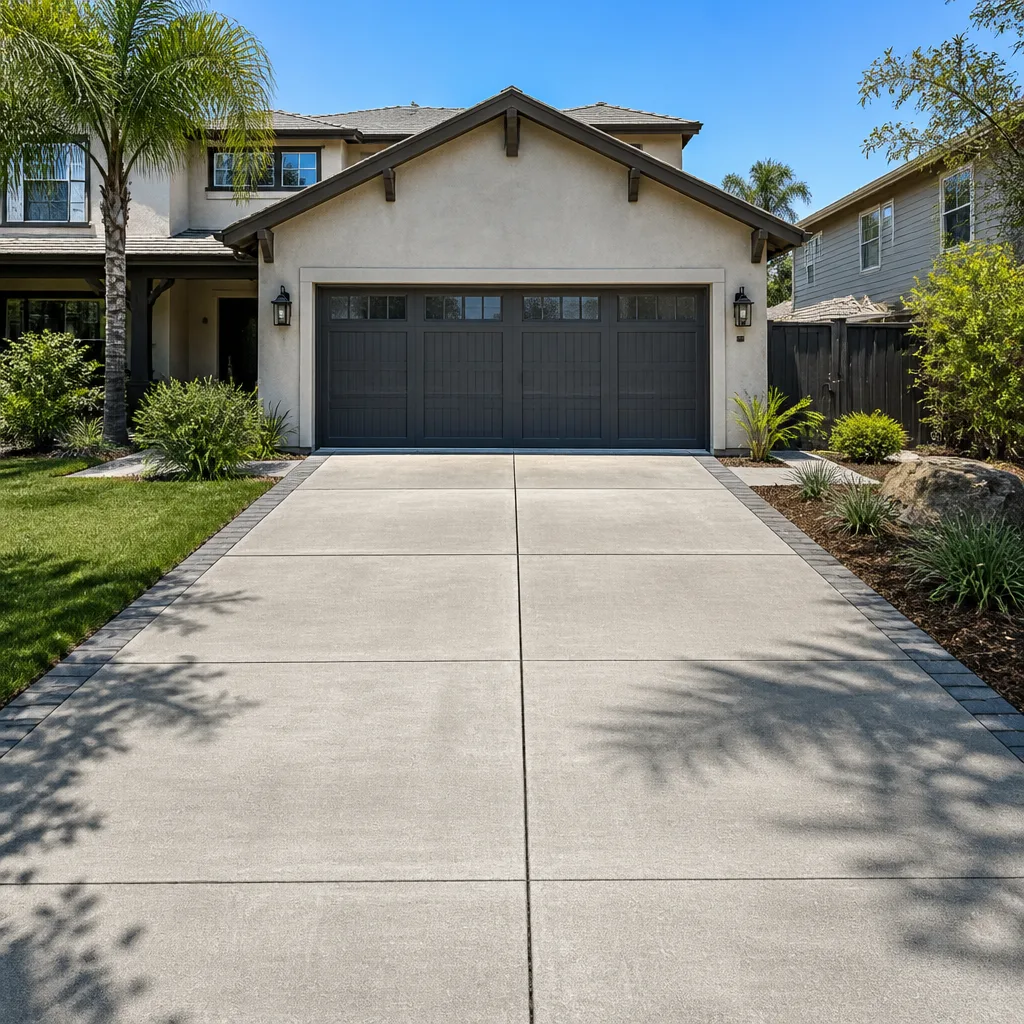
- Driveway & pavers
- Fence
Table of Contents
- The Four Phases of a Paver Driveway Project
- Honest Day-Count Ranges for Each Phase
- Material Lead Times in the Dallas Market
- How Dallas Weather Affects the Schedule
- What a Written Project Schedule Should Contain
- Variables Beyond the Contractor’s Control
- Common Mistakes to Avoid
- Frequently Asked Questions
The Four Phases of a Paver Driveway Project
Every paver driveway breaks into four phases. Understanding them separately is the whole point of this guide, because homeowners who assume the job is “just laying stone” get blindsided by delays that were always part of the plan.
Phase 1: Demolition and haul-off. The existing surface comes out. Concrete slabs get broken and hauled, asphalt gets milled or removed, and soil gets stripped to grade. This is the loudest, dirtiest, fastest phase.
Phase 2: Base excavation and compaction. This is where the driveway is actually built. A compacted aggregate base, typically 4 to 12 inches deep depending on soil conditions and expected load, gets excavated, graded for drainage, and compacted in lifts. Edge restraints go in. This phase determines whether the driveway holds up for twenty years or starts settling in three.
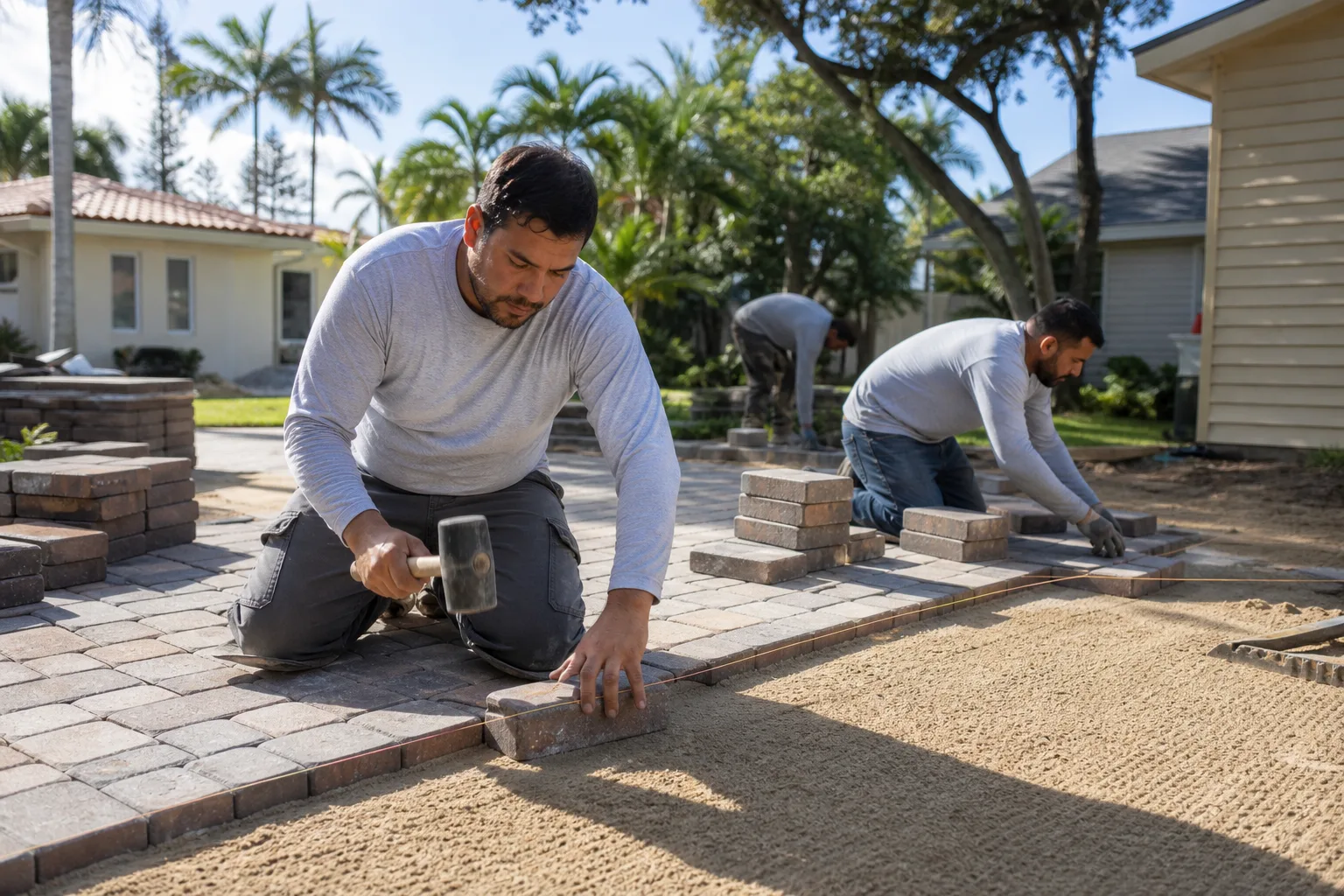
Phase 3: Paver installation. A bedding layer of sand goes down, then the pavers get laid in the chosen pattern, cut at the edges, and compacted into the bedding. This is the visible phase.
Phase 4: Joint sand cure. Polymeric or regular joint sand goes into the gaps, gets swept and compacted, and then needs to cure before vehicle traffic. Polymeric sand needs water activation and a dry window afterward.
In our experience, if a homeowner asks “how long does the paver part take” and gets an answer of “two days,” that’s accurate and also the least useful number in the whole project. The base is the project.
Honest Day-Count Ranges for Each Phase
Here’s what to actually expect on a residential paver driveway in Dallas, phase by phase, with the ranges we routinely quote.
- Demolition and haul-off: 0.5 to 1 day. A standard two-car driveway strips out in half a day if access is good and the existing surface is concrete or asphalt. If there’s a root system to cut, a slab that’s bonded to the subgrade, or a tight alley approach in a neighborhood like Lakewood or the M Streets, plan on the full day.
- Base excavation and compaction: 1 to 2 days. Excavation is fast; compaction and grading take longer. Clay soils common in North Dallas sometimes require over-excavation and replacement with select fill, which pushes this phase to two days or more. Edging and geotextile fabric go in during this phase.
- Paver installation: 1 to 3 days. A simple running-bond or herringbone pattern on 500 square feet goes down in a day to a day and a half. Complex patterns, borders, curves, or multiple field colors push this to two or three days. Cutting at edges and around utility covers adds time.
- Joint sand cure: 24 to 72 hours before vehicle traffic. Regular joint sand cures fast. Polymeric sand needs the full 72 hours in humid conditions. Foot traffic is fine sooner; cars are not.
Total active crew work on a typical 500-square-foot Dallas driveway: 3 to 5 days. Larger driveways, complex patterns, and base replacement push toward the top of every range. Add a final surface sealer 30 to 60 days after install for the longest service life, though that’s an optional phase on a separate schedule.
Material Lead Times in the Dallas Market
This is where the project calendar gets longer than the crew-work calendar, and where a lot of schedule surprises originate.
Stocked locally: 2 to 5 days. Belgard and Techo-Bloc product lines are generally stocked in the Dallas market, so a standard paver in a standard color and pattern can be delivered within a few days of order. If your quote names Belgard or Techo-Bloc and the color is a current line, this is your realistic window.
Special order or non-stock: 2 to 4 weeks. Discontinued colors, unusual shapes, custom blends, and anything not carried by a local supplier runs longer. This is the single biggest cause of schedule slip on paver driveways, and it’s completely avoidable if the contractor confirms material availability before quoting a start date.
Natural stone: 2 to 4 weeks. Travertine, bluestone, and granite for a driveway run on a different supply chain than manufactured pavers and typically aren’t stocked in local quantities.
Ask any contractor a direct question: “Is the paver I’m being quoted actually on the ground in Dallas right now, or is it a special order?” If they can’t answer, treat the start date as provisional. Rowan Construction Group sources across fifty-plus vetted brands including Belgard and Techo-Bloc, and the written quote reflects real availability, not an optimistic guess. When you compare our Driveway & Pavers in Dallas pricing against a competitor’s, check whether both quotes reflect the same material availability status.
For a broader picture of the trades Rowan handles, start with the Rowan Construction Group Dallas home page.
How Dallas Weather Affects the Schedule
Pavers themselves are tough. Concrete pavers and clay pavers can be installed in most weather, including drizzle, humidity, and the occasional ice day that shuts down Dallas for 24 to 48 hours in February. The pavers don’t care. The base and the joint sand do.
Base and bedding sand: Excavation and compaction require reasonably dry conditions. A saturated base won’t compact correctly, and a contractor who tries to compact a wet clay base is building a driveway that will settle. After a heavy spring storm, plan on a one- to two-day hold for the base to drain and dry.
Polymeric joint sand: This is the most weather-sensitive step in the entire project. Polymeric sand needs dry conditions and temperatures above 32°F during application and for the cure window afterward. Dallas late-fall weather is unpredictable, with daytime highs swinging from the 70s to the 40s within a week. A cold front that drops overnight temps below freezing right after polymeric sand goes down will compromise the joint, and the fix means re-sanding the driveway.
What this means practically: a paver driveway started in November in Dallas may take a week longer than the same project started in April, not because crews slow down but because the polymeric sand window is narrower. Contractors who know the Dallas calendar schedule polymeric sand applications earlier in the day during cooler months, and postpone them when a freeze is forecast.
Ask your contractor how they handle the polymeric sand window in your season. A vague answer is a flag. A specific one (“we don’t apply polymeric sand below 40°F, and we always check the three-day forecast”) tells you they’ve done this before.
What a Written Project Schedule Should Contain
A verbal promise of “about two weeks” is not a schedule. A written schedule in a construction contract should contain six specific elements. Here’s what to look for, and what Rowan includes by default under The Haven Standard.
- Phase start dates, not just a total duration. You should see a date for demolition, a date for base excavation, a date for paver install, and a date for final joint sand cure and walkthrough. If any phase has a “TBD” next to it, that’s a gap.
- Material delivery date. This is where the schedule either holds or slips. The contract should say when the pavers, base material, and joint sand will be on site. If the material isn’t confirmed, the start date is a guess.
- Weather contingency language. Expect a stated allowance for weather delays, particularly for polymeric sand application. A fair provision allows a specific number of weather days that don’t count against the completion date.
- A defined substantial completion date. The date the driveway is functional and traffic-ready, not the date the driveway is “done pending punch list.” These should be different dates and both should be written.
- A delay provision with a dollar-per-day figure. Some contracts include a liquidated-damages provision (a stated amount the contractor credits the customer for each day past substantial completion without a valid excuse). This is the most honest schedule signal in the whole document because it puts real money behind the date.
- A signed change order requirement. Under Clause 1 of The Haven Standard, no work proceeds on any change until the change order is signed. That includes changes to the schedule. If mid-project base excavation reveals poor soil that adds a day or a cost, you get a written change order with a revised date and price before work continues. That’s the discipline that keeps projects within a few percent of the agreed price.
Rowan Construction Group has delivered 4,000-plus projects since 2007 with a written price and a written scope before any work started, and the same discipline applies to paver driveways. Our technicians have up to 19 years of experience, and the photo record we deliver after every visit shows you exactly what was found and what was done, phase by phase.
Variables Beyond the Contractor’s Control
Three things can stretch the calendar that no crew can fix, and all three should be initiated before the project start date, not after.
HOA approval
Many Dallas neighborhoods and inner suburbs have homeowner associations that govern driveway materials, colors, and pattern choices. Plano, Frisco, and many gated communities in North Dallas are strict about paver color and layout. HOA approval typically takes 2 to 4 weeks and should be initiated the moment you sign. If your contractor gives you a start date before HOA approval clears, the start date is fictional.
City permits in regulated areas
Most residential driveway replacement in Dallas doesn’t require a permit, but any change to the driveway apron, curb cut, or stormwater drainage may. In certain historic districts and planned development areas, a permit is required for any hardscape change. Confirm permit requirements with the city before demolition, not after. When permits are required, Rowan pulls them and passes inspection as part of the written scope.
Underground utility marking
Texas law requires utilities to be marked before excavation. This typically takes 48 hours from the notice, and any private lines (irrigation, landscape electrical, gas to an outdoor kitchen) need to be located separately. All of this should happen the week before demolition. If your contractor shows up to excavate without utility markings, that’s a safety problem and a schedule problem at the same time.
Common Mistakes to Avoid
- Booking based on crew speed instead of material availability. A contractor who promises “we can start Monday” without confirming paver availability in the Dallas market is setting up a delay. The material lead time, not the crew calendar, sets the real start date.
- Assuming the paver part is the whole job. The base is the project. A quote that glosses over base depth, compaction, and edge restraint is a quote for a driveway that will settle in two to three Dallas summers.
- Starting polymeric sand work without checking the three-day forecast. A November in Dallas can swing from 75°F to 30°F in 72 hours. Polymeric sand applied before a freeze means re-sanding at your cost if it’s not covered by a written warranty.
- Failing to initiate HOA approval before scheduling. In Plano, Frisco, and many North Dallas communities, the HOA approval window is longer than the paver installation window. Start it the day you sign.
- Signing a schedule with no substantial completion date. “Two to three weeks” is not a date. A serious contract names the date the driveway is traffic-ready and, ideally, a dollar-per-day provision if the contractor runs past it.
- Accepting an unwritten change order for base excavation surprises. If a crew hits fill material or old tree roots under the driveway and needs an extra day, get it in writing before they proceed. No work on a change until the change order is signed.
- Sealing too soon. A paver sealer applied before the joint sand fully cures or before the pavers have had 30 days to settle traps moisture and causes haze. Wait the recommended interval even if the driveway looks finished.
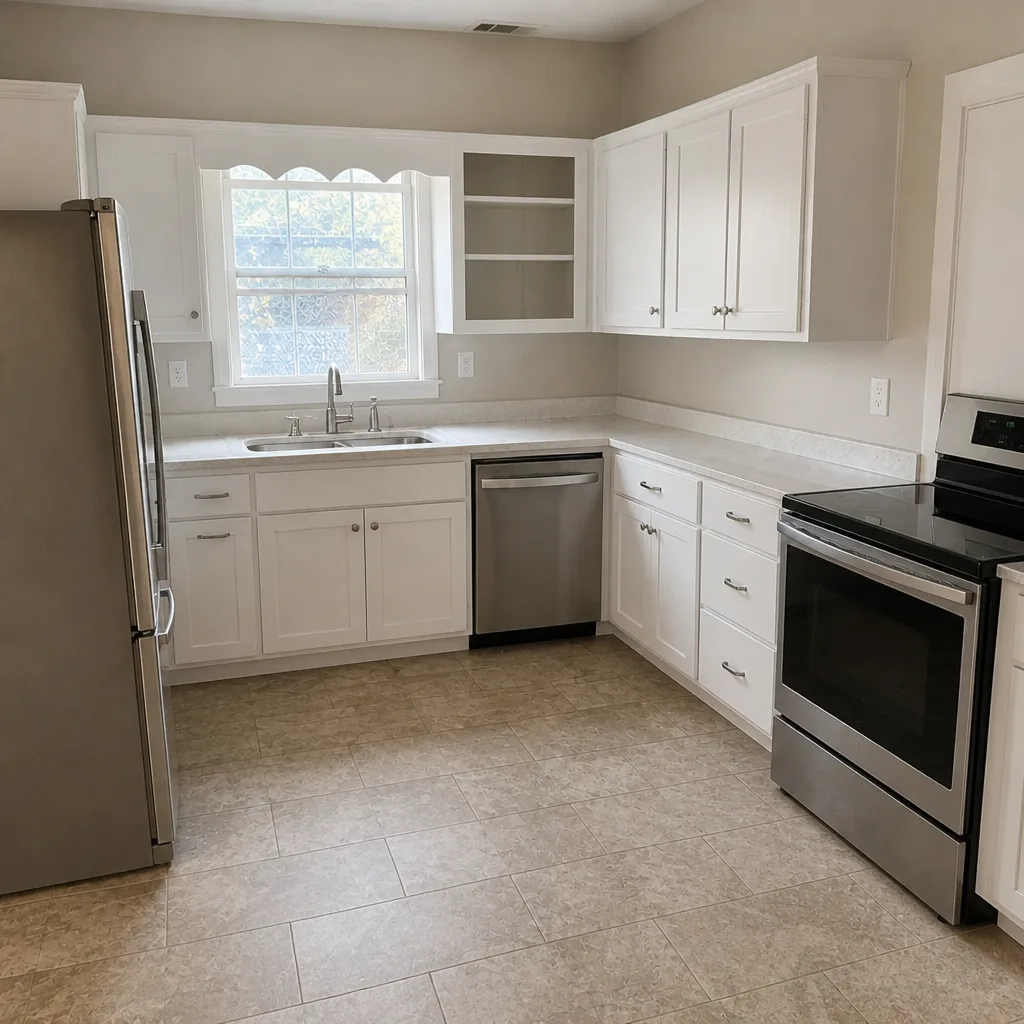
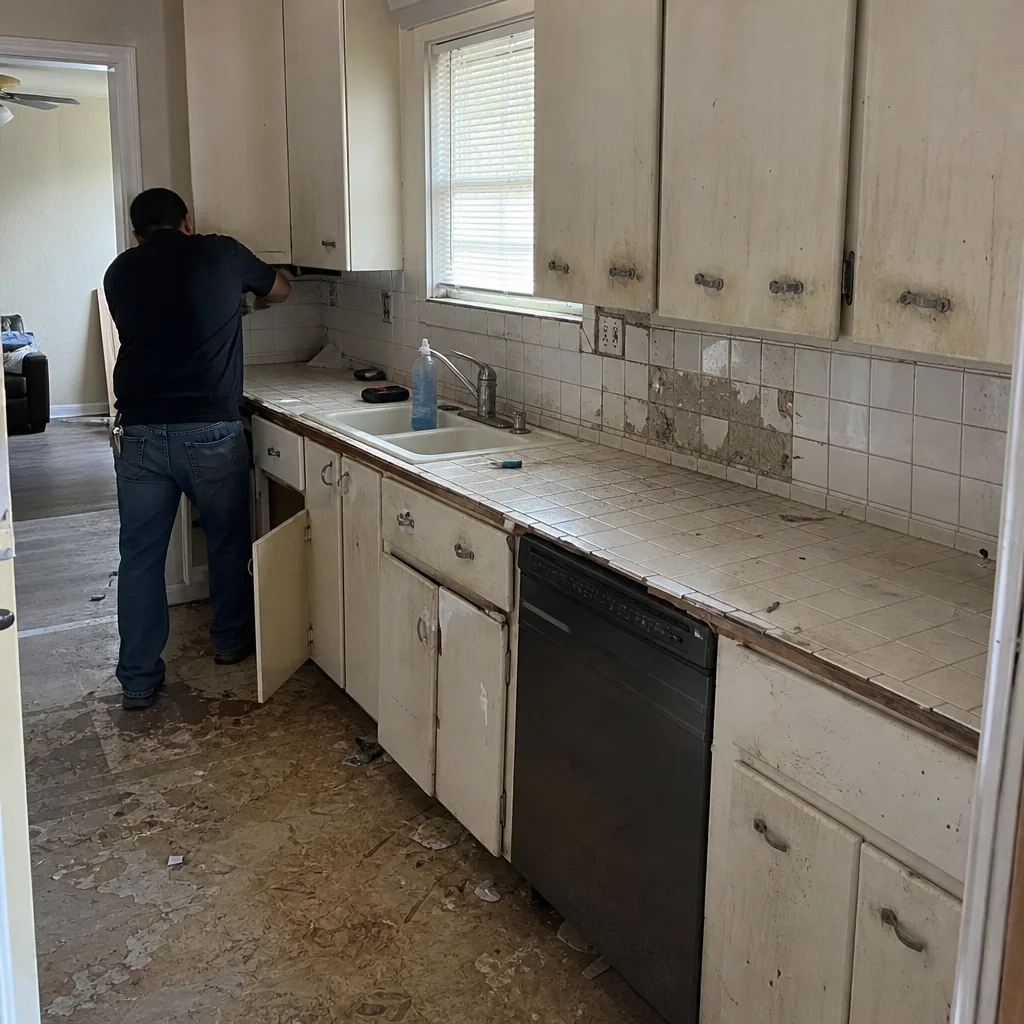
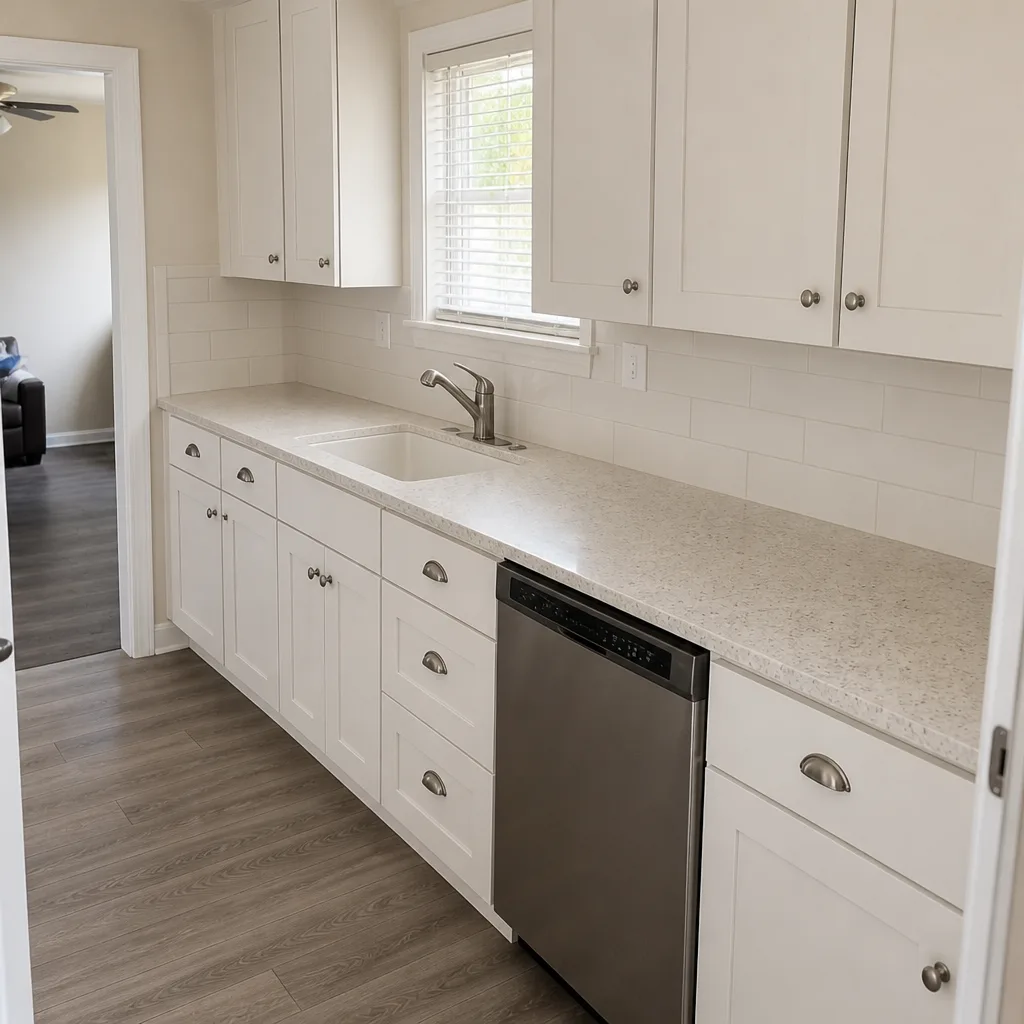
See the difference
 Before
 After
 Before
 After
 Before
 After
When to Call a Professional
Any paver driveway involving base excavation, replacement of an existing concrete slab, or drainage regrading is a professional job. The failure modes of a poorly based driveway (settling, ponding, edge rollout, joint erosion) show up two to four summers after installation, right when you can’t easily fix them. Firmly set a call to a pro for: full driveway replacement, any base condition issue, HOA-governed properties where documentation matters, driveways over 800 square feet, and any project where a written schedule and written price are non-negotiable. Rowan Construction Group Dallas offers free estimates in Dallas, and we’ll review a competitor’s written estimate line by line at no charge. Call (833) 954-5327 to schedule. If you’re also planning a fence or a home addition, our Fence Installation in Dallas and Home Additions & ADU in Dallas pages walk through those timelines in the same detail.
Frequently Asked Questions
The paver-laying phase is 1 to 3 days for a 500-square-foot driveway, with total active crew work running 3 to 5 days. The full project calendar from contract to sealed driveway is typically 3 to 6 weeks once material lead times and joint sand cure are included. Call (833) 954-5327 for a written schedule specific to your driveway.
Most current Belgard and Techo-Bloc product lines are stocked locally in the Dallas market, so delivery runs 2 to 5 days from order. Discontinued colors, custom blends, and natural stone run 2 to 4 weeks. Always confirm material availability before accepting a start date. Call (833) 954-5327 and we’ll confirm availability on the specific product you’re considering.
Yes, with one caveat. Concrete and clay pavers can be installed in most Dallas winter weather, but polymeric joint sand requires dry conditions and temperatures above 32°F during application and cure. A cold front can pause a project for one to three days in November through February. Call (833) 954-5327 for an honest winter schedule that accounts for the polymeric sand window.
Most residential driveway replacements in Dallas don’t require a permit, but any change to the driveway apron, curb cut, or stormwater drainage does, and historic districts and planned development areas require permits for most hardscape changes. When a permit is required, Rowan pulls it and passes inspection as part of the written scope. Call (833) 954-5327 and we’ll confirm permit requirements for your address.
Not unless a written change order is signed by you first. Under Clause 1 of The Haven Standard, no work proceeds on any change until the change order is signed, and Rowan projects finish within a few percent of the price on the original written quote. If base excavation reveals unexpected soil conditions, you get a written change order with the new cost and revised date before anything proceeds. Call (833) 954-5327 for a written estimate before any work starts.
Foot traffic is fine after final compaction, but vehicle traffic should wait 24 to 72 hours for the joint sand to cure. Polymeric sand in humid Dallas conditions wants the full 72 hours. If a sealer is applied, add another 24 to 48 hours before parking on it. Call (833) 954-5327 for the exact cure window for your install.
Rowan Construction Group sources across fifty-plus vetted material brands, including Belgard and Techo-Bloc for pavers, Cambria and Caesarstone for any adjacent hardscape counters, and GAF and Owens Corning for roofing on related projects. The written quote reflects real pricing for the brand you choose. Call (833) 954-5327 to see a written estimate with the exact brand and product named.
The Bottom Line
A paver driveway in Dallas is a 3- to 5-day active crew job spread across a 3- to 6-week calendar, and the difference between the two is almost entirely material lead times, base cure, and the polymeric sand weather window. The base is the project, not the pavers; demand a written schedule with phase dates and a substantial completion date in the contract; confirm material availability before you sign; start HOA and permit approvals the day you sign; and never let a change proceed without a signed change order. Every Rowan Construction Group Dallas paver driveway comes with a written price before any work starts, background-checked crews, a documented photo record on every visit, and the 365-Day Done Right Promise backed by The Haven Standard.
Call (833) 954-5327 to schedule your free estimate and get a written price and written schedule for your Dallas driveway before a single paver is ordered.
Written by the team at Rowan Construction Group Dallas.