Free written scope consultation - allowances, timeline, and change-order rules on paper before a single trade is scheduled
Styles & brands we work with
- Kitchen remodeling
- Bathroom remodeling
- Home additions & ADU
- Roofing
- Windows & doors
- Driveway & pavers
- Fence
See the difference
 Before
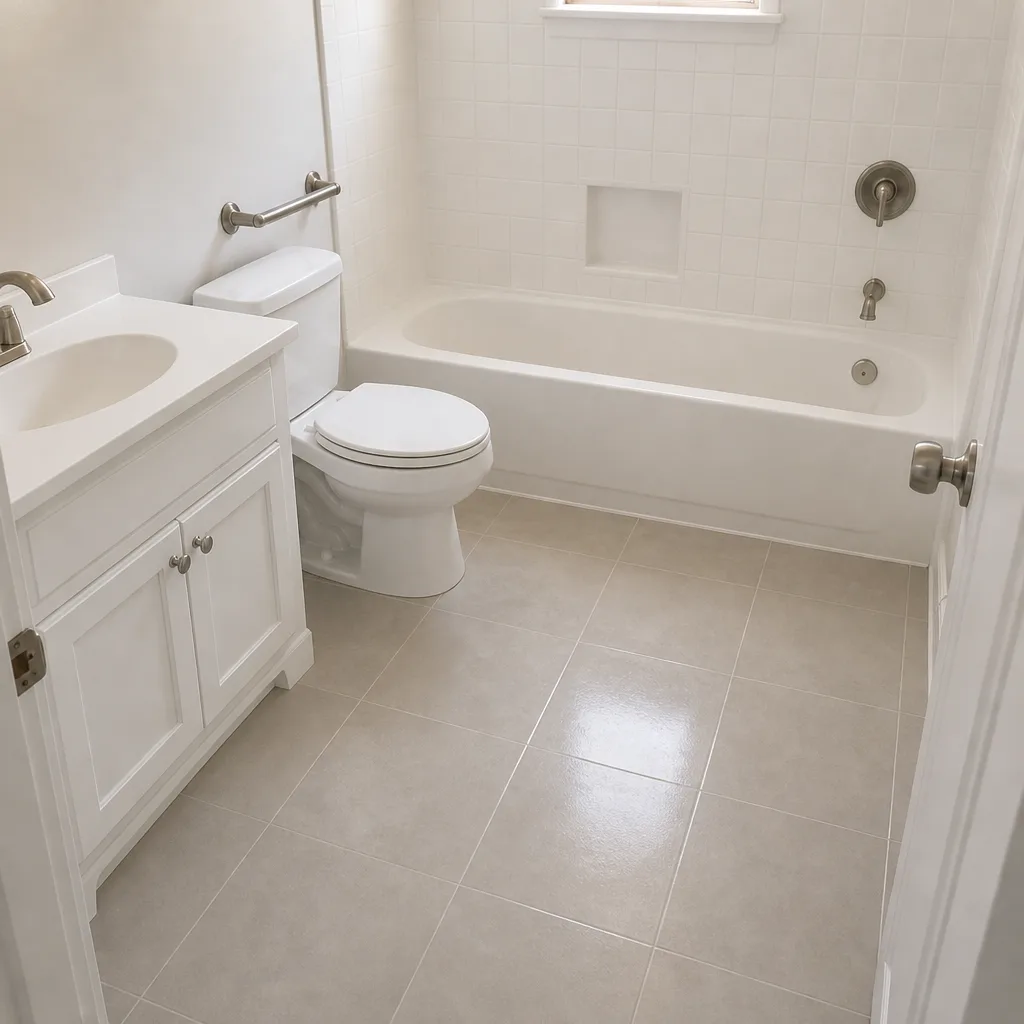 After
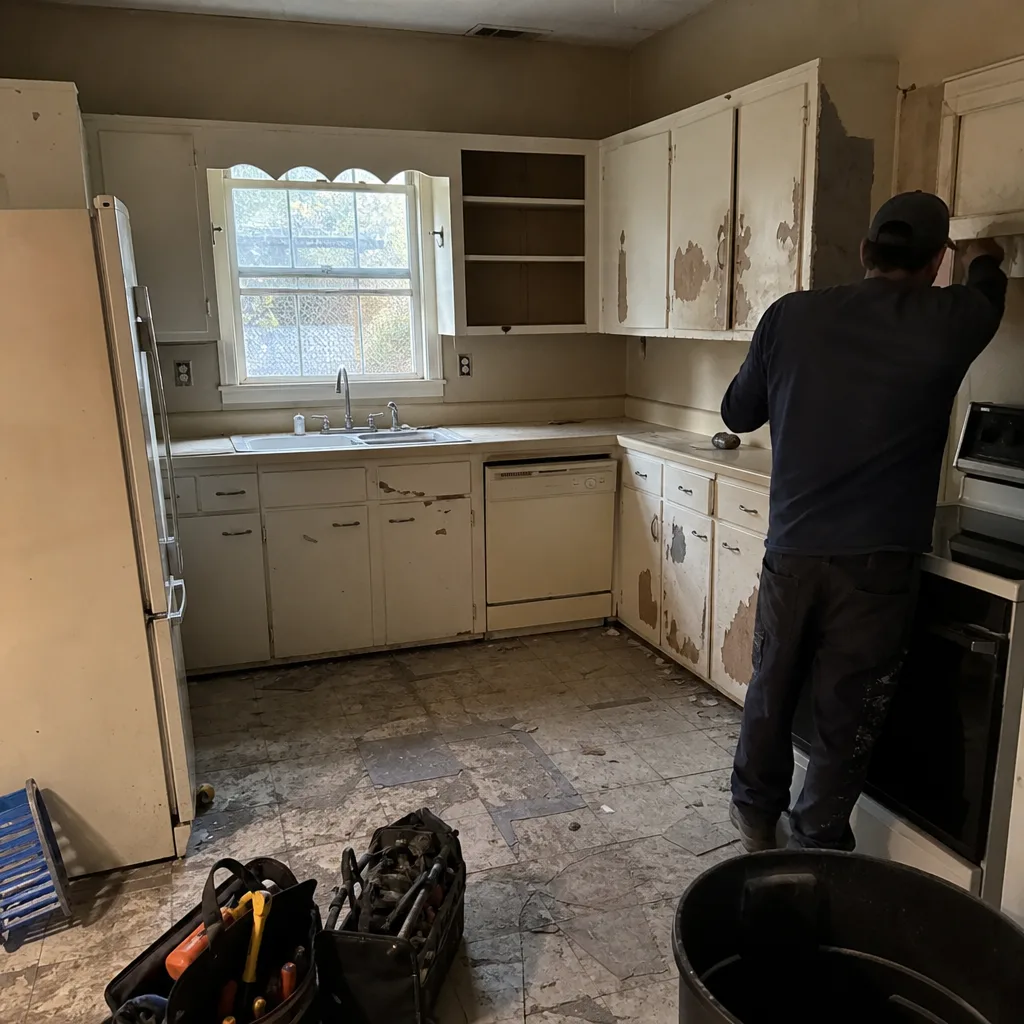 Before
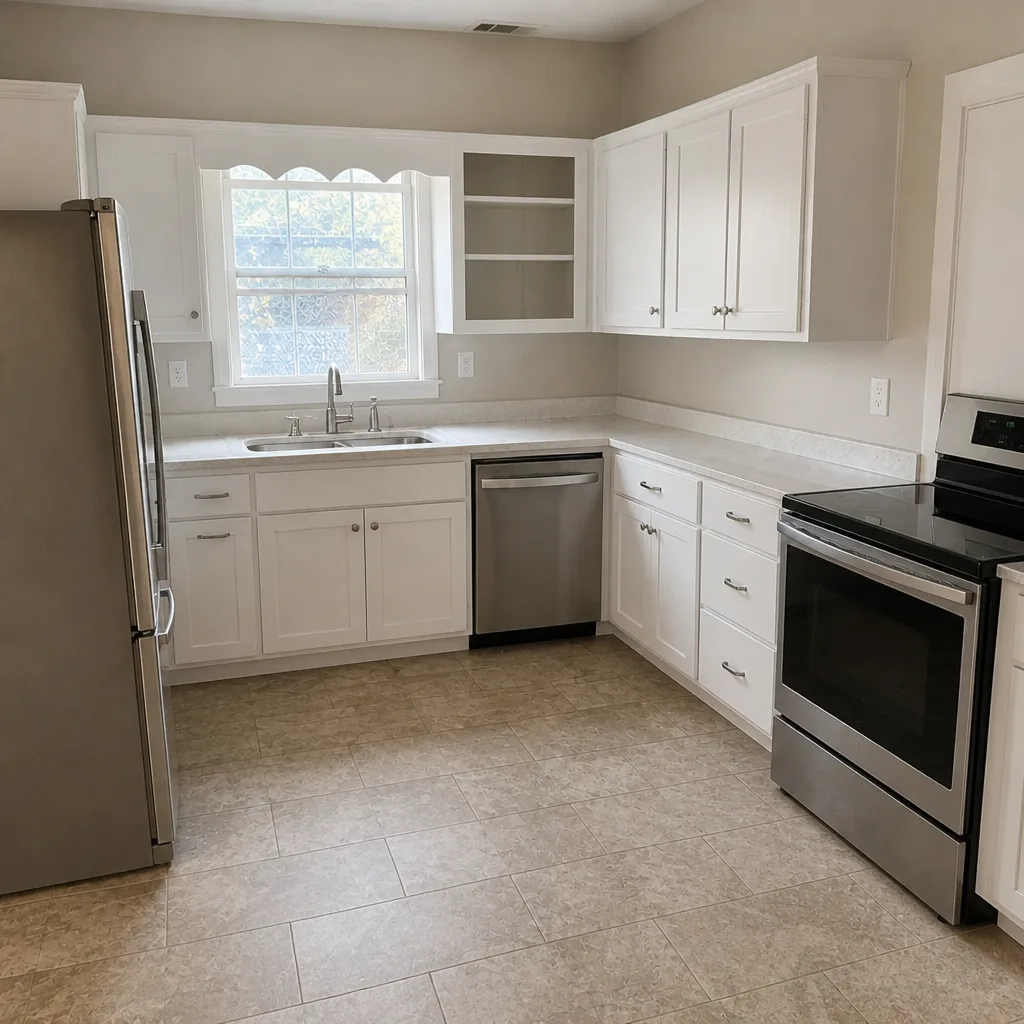 After
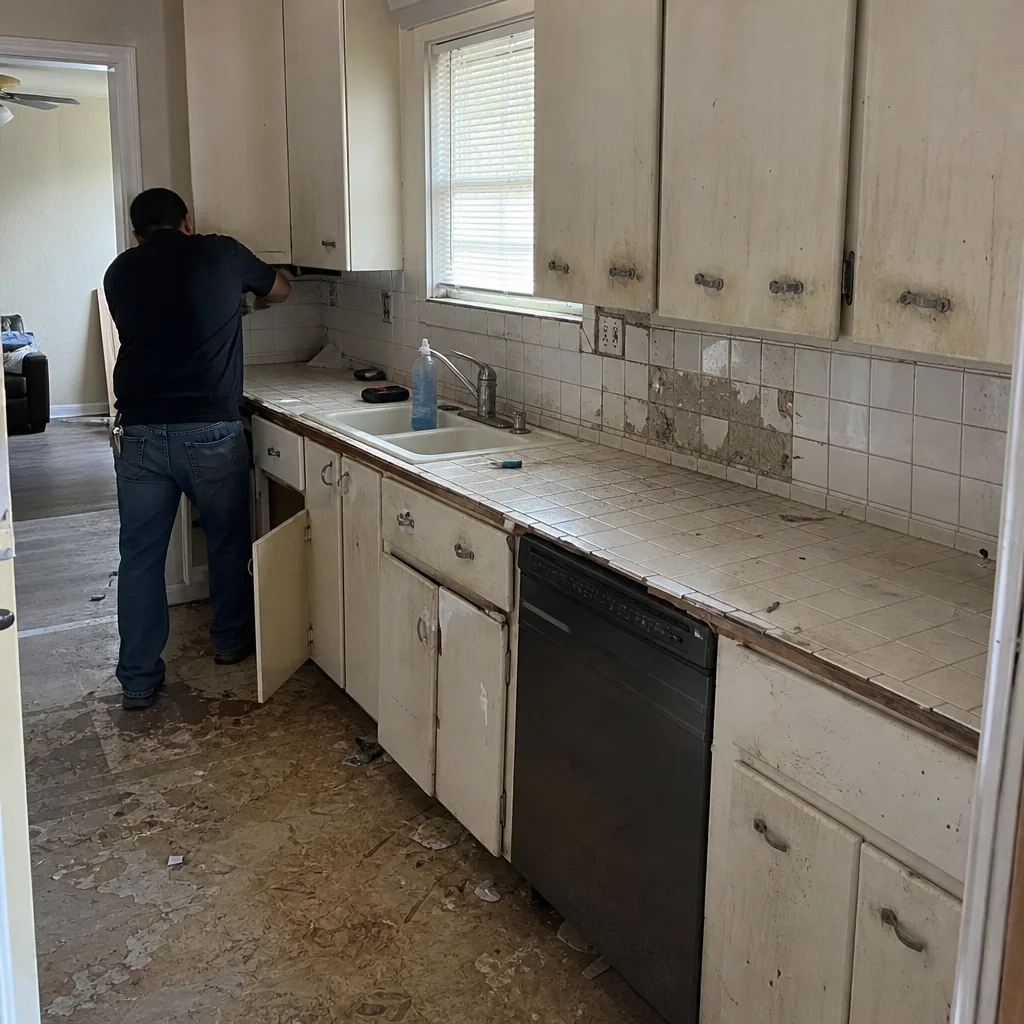 Before
 After
Attached vs Detached ADU in Dallas: Which One Actually Works on Your Lot?
Choose detached unless your Dallas home sits on modern slab-on-grade with room to spare - because on the pier-and-beam foundations common across Oak Cliff, East Dallas, and the older north-side neighborhoods, attaching an ADU usually costs more in structural engineering than it saves in utility hookups. The pie-and-beam math is the reason: a 1950s ranch’s pier grid was sized for the original footprint, and bolting a 500-square-foot addition onto it asks that grid to carry loads it was never designed for. Call (833) 954-5327 and we’ll walk your lot and foundation type before you commit a dollar.
Key Takeaways
- On pier-and-beam over blackland clay, detached is usually the lower-risk and lower-cost choice.
- Attached ADUs count toward Dallas lot coverage; detached footprints often pencil out better.
- Detached rental units need separate Oncor and Dallas Water Utilities taps: $3,000-$7,000 and 4-6 weeks.
- Rowan documents your existing foundation condition with photos before any work begins.
Why Dallas Foundations Decide This Question
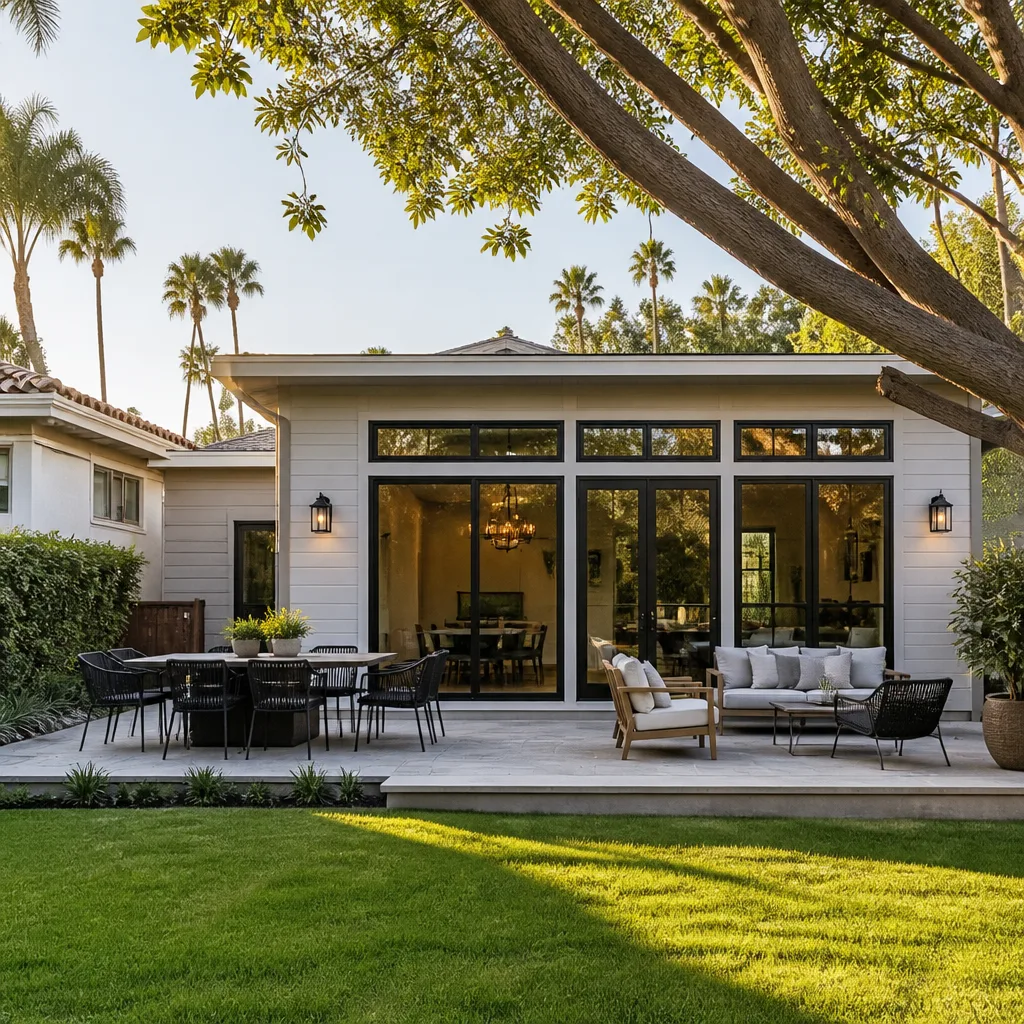
Attaching an ADU to a 1960s Oak Cliff brick ranch sounds simpler than building detached - until the structural engineer prices the grade-beam extension needed to keep the addition from racking the existing pier grid when the clay shrinks in August. Dallas sits on blackland clay that swells through wet springs and shrinks hard through long dry summers. That seasonal movement is why foundation repair and leveling are a perennial demand here, and it’s why the connection point between an addition and an existing structure matters more in Dallas than in most markets.
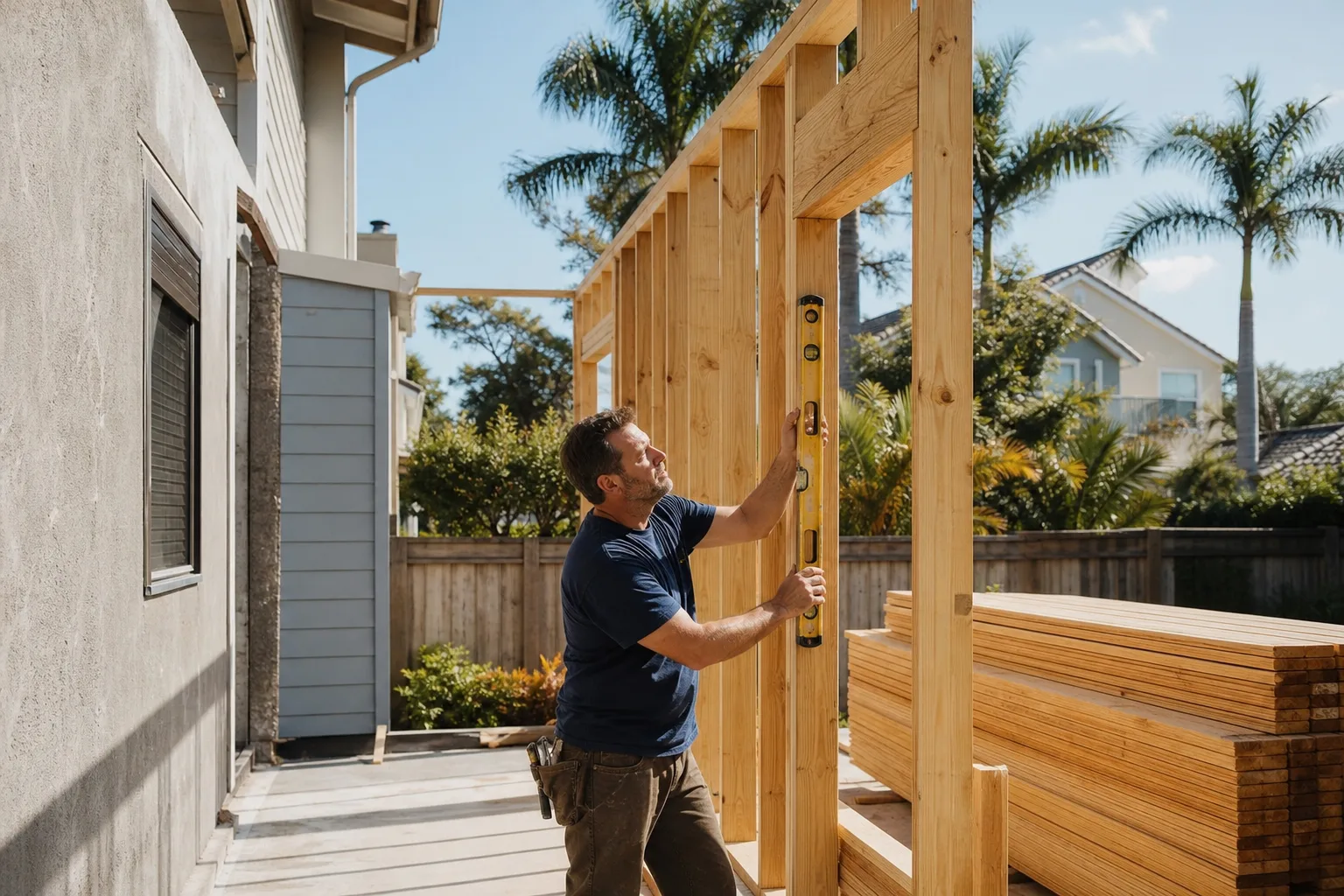
An attached ADU transfers live and dead loads to the existing foundation. On expansive clay, the new load differential can accelerate differential settlement - one corner dropping faster than another, which shows up as sticking doors and diagonal drywall cracks. A licensed structural engineer’s report is required for the permit, and that report frequently recommends independent footings anyway. When it does, you’ve paid for engineering that told you to build detached in the first place.
This is why contractors here stay fluent in both 1950s one-story ranches and modern two-story infill on the same block. Dallas is a demolition-and-rebuild market more than a remodel market, and the reason is the soil. When we assess a lot for an addition, the first question isn’t square footage. It’s what the existing foundation can honestly carry. Our technicians have up to 19 years of experience reading exactly that.
Lot Coverage and the Dallas ADU Ordinance
Here’s a distinction most homeowners don’t learn until permit review: the 2021 Dallas ADU ordinance treats an attached ADU as part of the primary structure for lot-coverage calculation. On a standard 6,000-square-foot lot, that can exhaust the 45% coverage limit faster than a detached unit’s footprint would. If your lot is already tight - a deep East Dallas lot with a wide house footprint, or an infill lot in Lower Greenville where setbacks eat the buildable area - the coverage math alone can push you toward detached.
We’re a construction contractor, not a zoning attorney, so we don’t hand you a legal opinion. We do read the survey, run the coverage numbers against your proposed footprint, and tell you which configuration the lot can actually support before you spend on drawings.
Attached vs Detached ADU: Side-by-Side
| Factor | Attached ADU | Detached ADU |
|---|---|---|
| Foundation risk to main house | Loads transfer to existing foundation | None - independent structure |
| Lot coverage treatment | Counts as primary structure | Separate footprint |
| Utility separation | Shared meters, no new taps | Separate Oncor meter + Dallas Water tap: $3,000-$7,000 |
| Timeline impact of utilities | None | Adds 4-6 weeks |
| Rental independence | Limited | Full - separate utilities for a tenant |
| Typical Dallas all-in, 500 sq ft | $95,000-$135,000 (slab-on-grade) | $110,000-$150,000 (pier-and-beam lot) |
Those two numbers are the honest comparison, and they’re worth sitting with. An attached ADU on a slab-on-grade 1990s north Dallas home, 500 square feet, runs $95,000-$135,000 all-in. A detached ADU on a pier-and-beam East Dallas lot, same 500 square feet with an independent post-tension slab, runs $110,000-$150,000. The detached version costs more on paper, but it transfers zero foundation risk to the house you live in - and it gives you a rental unit with its own meters. For the broader range across configurations, our Home Additions & ADU in Dallas page lays out the full cost picture.
Utility Separation: The Hidden Cost of Detached
A detached ADU intended for rental in Dallas requires a separate electric meter application to Oncor and a separate water/sewer tap fee to Dallas Water Utilities. That runs $3,000-$7,000 and adds 4-6 weeks to your timeline. An attached ADU avoids those charges entirely - but it limits rental independence, because a tenant sharing your meter and water service complicates everything from splitting bills to a clean utility transfer at lease end.
If you’re building for family, shared utilities are usually fine. If you’re building for rental income, the separate taps are the whole point and worth every week of the wait.
Where Rowan Construction Group Dallas Fits In
We quote a flat written price with a written scope before any work starts, on every trade, and no change proceeds without a signed change order - the discipline that has kept our projects within a few percent of the agreed cost across 4,000-plus jobs since 2007. For an attached ADU, that means the foundation connection is scoped and priced in writing up front, not discovered mid-framing. For a detached unit, it means the independent structure, its slab, and its utility runs are all on one signed scope.
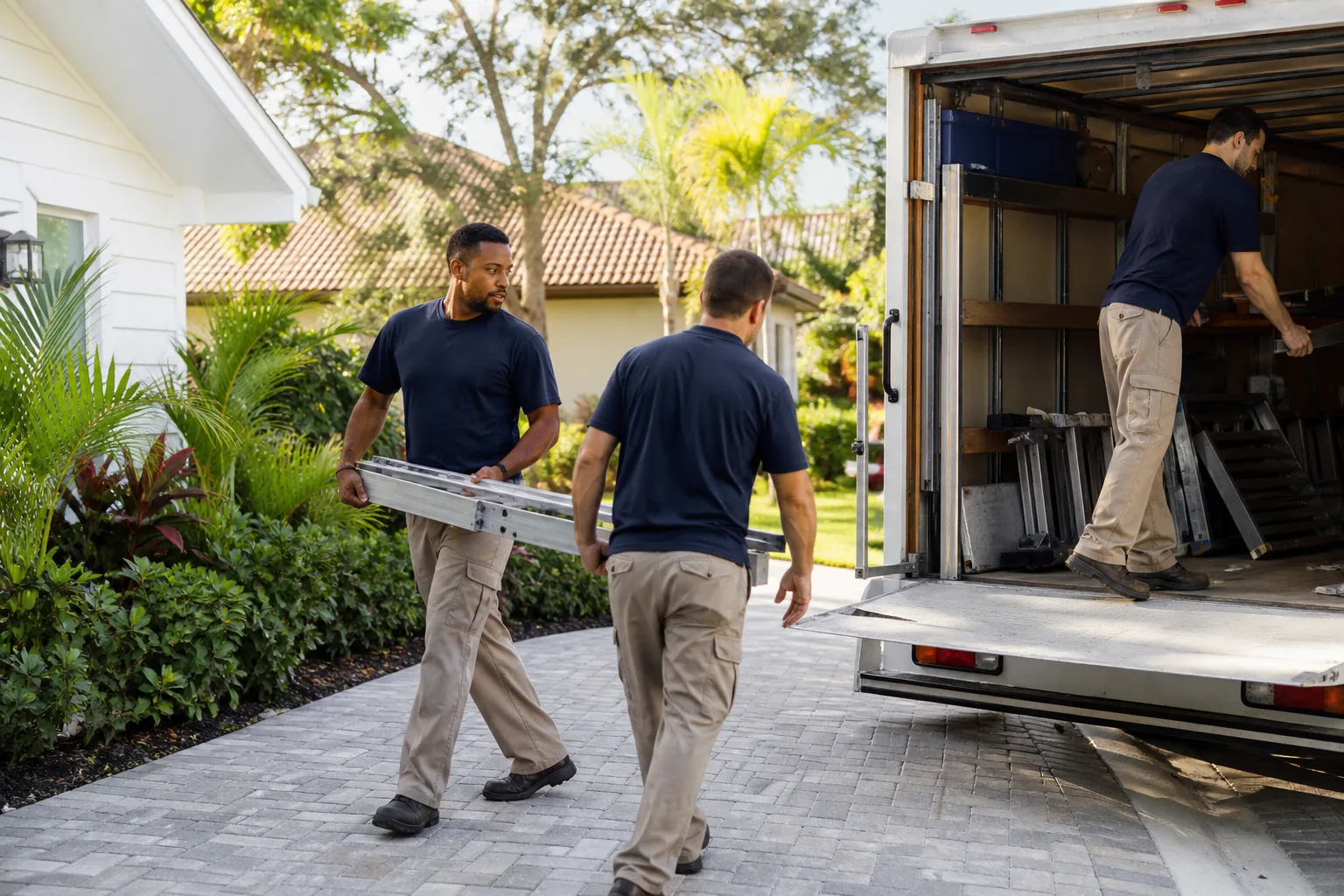
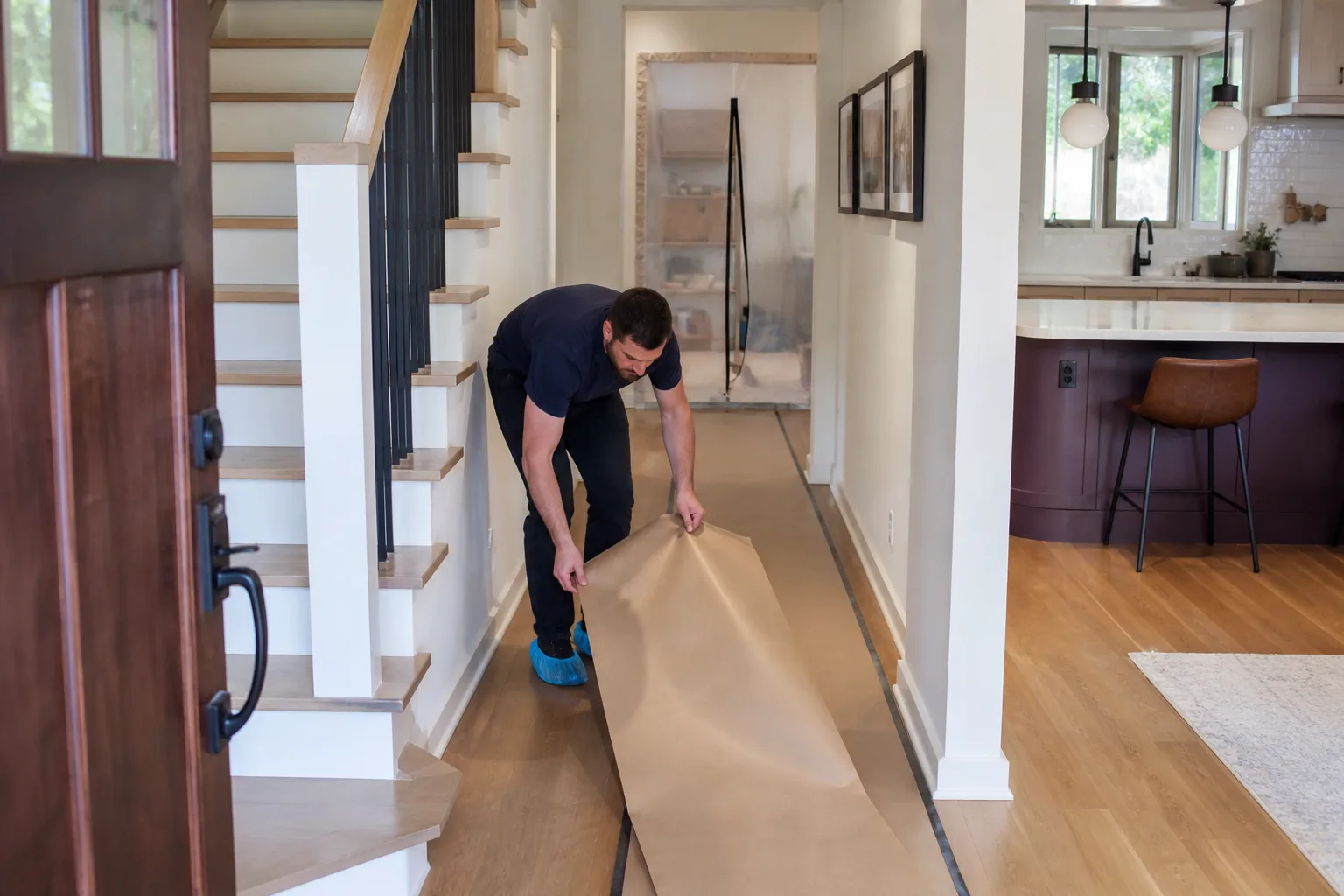
The 365-Day Done Right Promise applies differently to each. On a detached ADU, it covers the independent structure as a standalone scope. On an attached ADU, any foundation-related callback in year one is covered under The Haven Standard - which is exactly why we document the pre-construction foundation condition with photos before any work begins. You get a documented photo record on every visit, included as standard. Crew members are background-checked and uniformed, a live person answers calls 24/7, and the license number sits on every page, not buried in a footer.
Our sourcing depth across 50-plus vetted brands is what lets a written quote carry honest numbers rather than inflated ones. Cabinetry from KraftMaid and Wellborn, countertops from Cambria and Caesarstone, windows and doors from CGI, CWS, ES Windows, and ECO Window Systems - the materials are named, the prices are real. If you already have a competitor’s estimate, we’ll give you a free second opinion, line by line, at no charge. It’s part of how we work through the full home scope with you.
How Do You Decide Between Attached and Detached?
Start with the foundation type and let everything else follow. If your home is pier-and-beam over blackland clay, default to detached unless a structural engineer’s report says otherwise and the lot coverage still works. If your home is slab-on-grade with a clean foundation history, comfortable coverage, and you’re building for family rather than rent, attached pencil out fine - the $15,000 or so you save is real. Run the coverage numbers before drawings, and pull the utility tap costs into the budget if the unit is for rental. That order of decisions prevents the expensive surprise of engineering a connection that was never going to make sense.
FAQs
Attached is usually cheaper on a slab-on-grade home, running $95,000-$135,000 for 500 square feet versus $110,000-$150,000 for a comparably sized detached unit. But savings disappear on pier-and-beam foundations, where the engineering and grade-beam work to protect the existing pier grid can erase the gap entirely. Call (833) 954-5327 for an exact written quote - estimates are free.
Yes, if the unit is for rental. A detached ADU needs a separate electric meter application to Oncor and a separate water/sewer tap to Dallas Water Utilities, adding $3,000-$7,000 and 4-6 weeks. An attached ADU shares your existing service and avoids those costs but limits rental independence.
Yes - under the 2021 Dallas ADU ordinance, an attached ADU is treated as part of the primary structure for lot-coverage purposes. On a standard 6,000-square-foot lot that can exhaust the 45% coverage limit faster than a detached footprint. We run the coverage math against your survey before you commit to drawings.
We can schedule a no-pressure assessment in Dallas and get a written price to you before any work starts. We answer calls with a live person 24/7, and our technicians have up to 19 years of experience assessing exactly this kind of foundation and lot question. Call (833) 954-5327 - the visit is free, and so is the second opinion on any estimate you already have.
If you’d rather have it looked at, Rowan Construction Group Dallas offers a no-pressure assessment in Dallas - call (833) 954-5327 for a free estimate. We’ll walk the foundation, run the coverage numbers, and put the price in writing before anyone touches a tool.
Written by the team at Rowan Construction Group Dallas, serving Dallas, TX.