Free written scope consultation - allowances, timeline, and change-order rules on paper before a single trade is scheduled
Styles & brands we work with
- Kitchen remodeling
- Bathroom remodeling
- Home additions & ADU
- Roofing
- Windows & doors
- Driveway & pavers
- Fence
See the difference
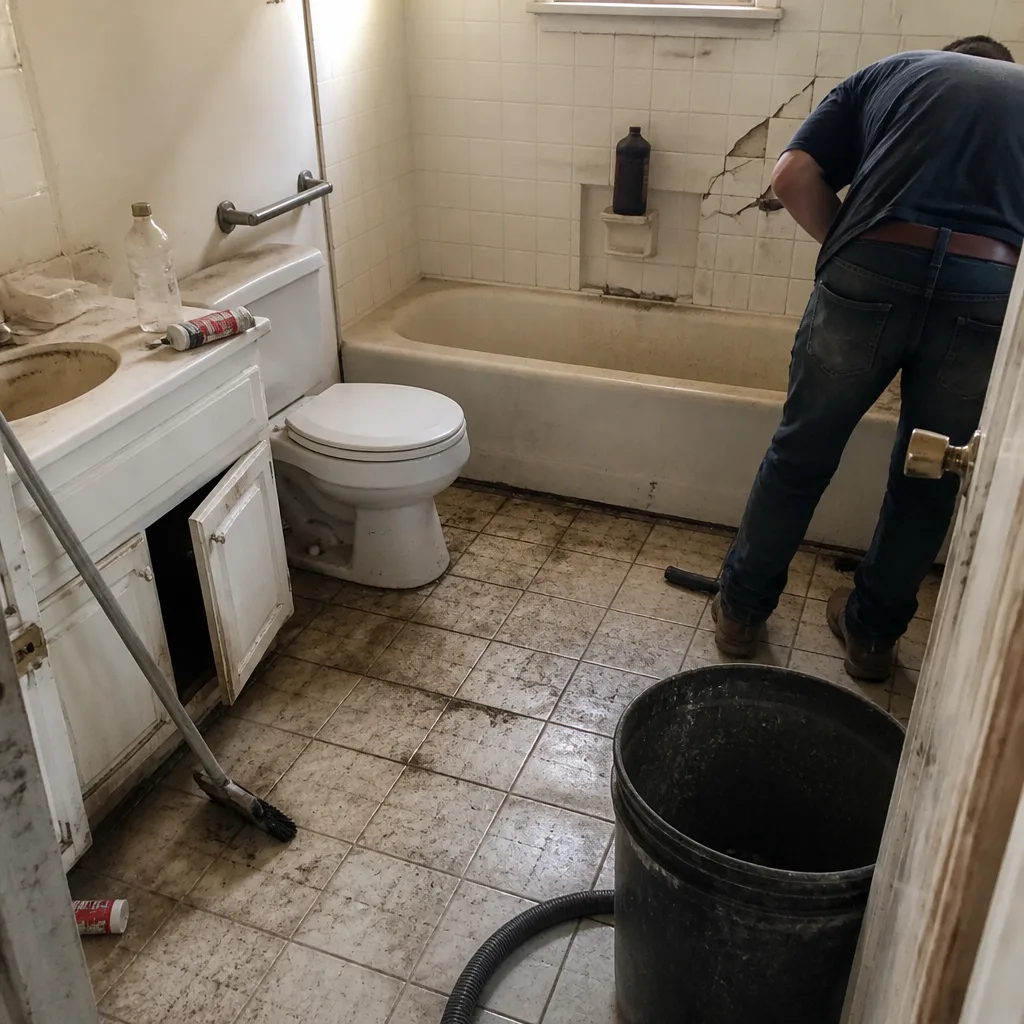 Before
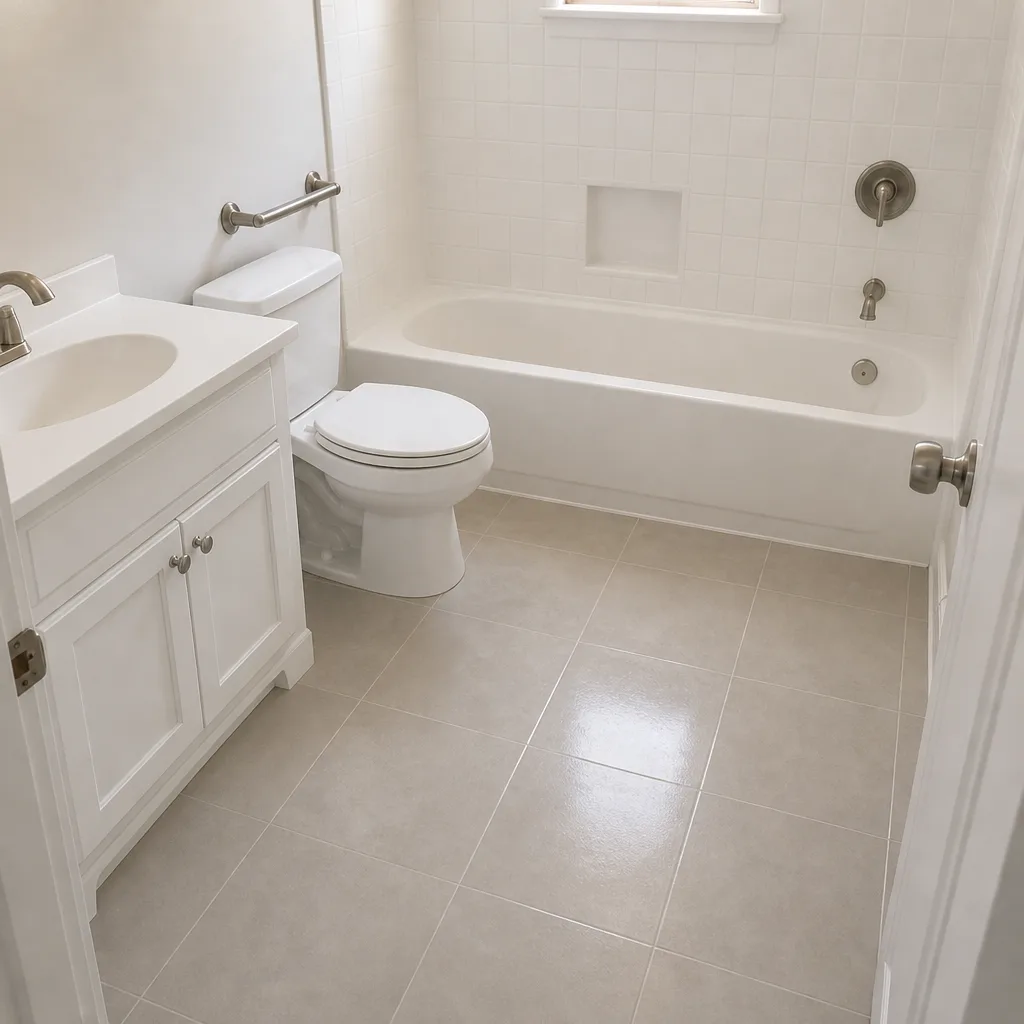 After
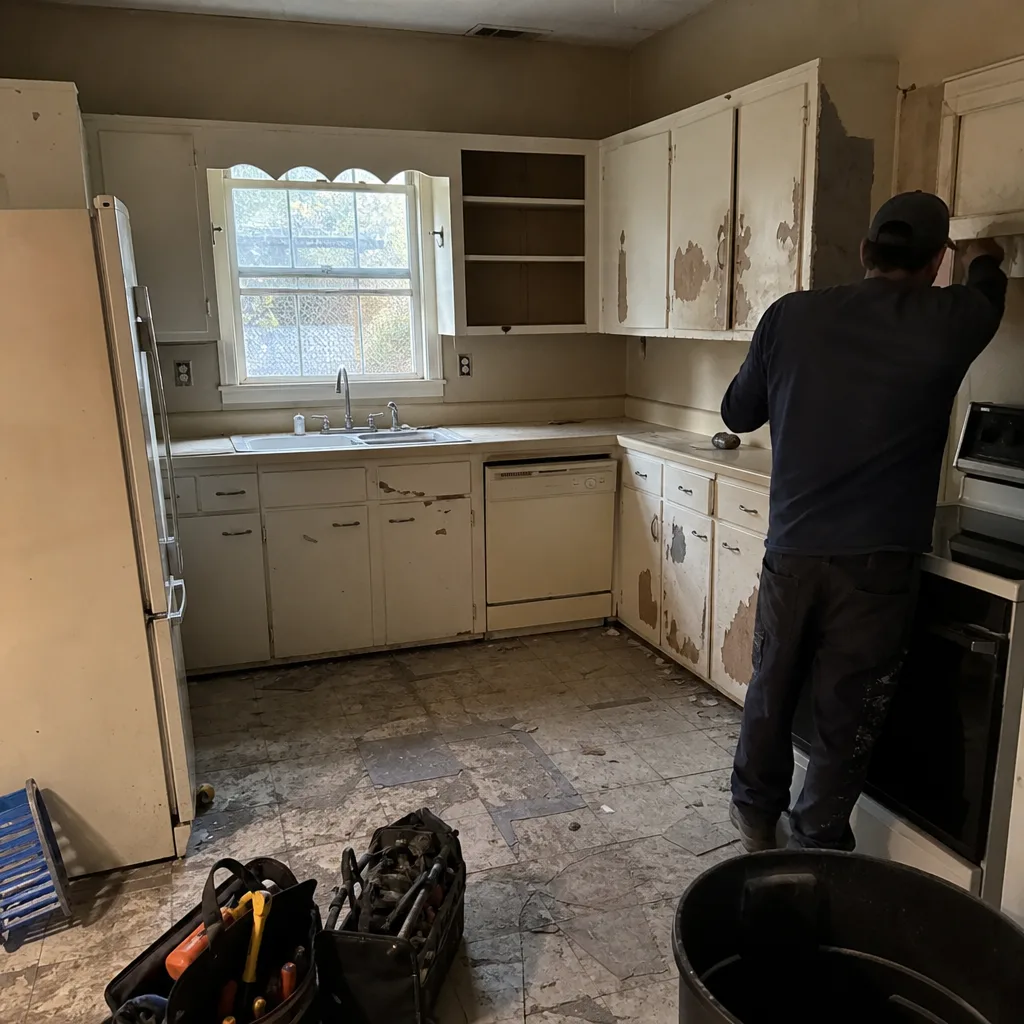 Before
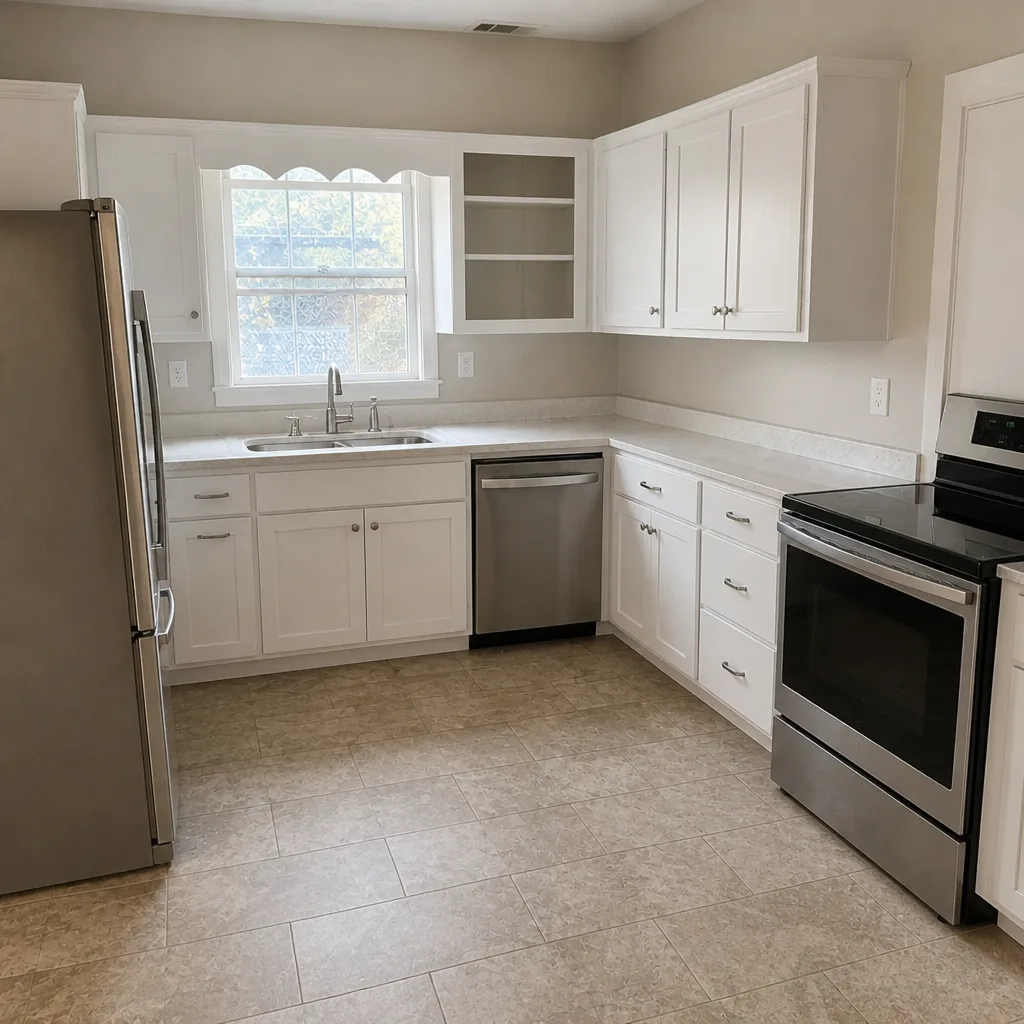 After
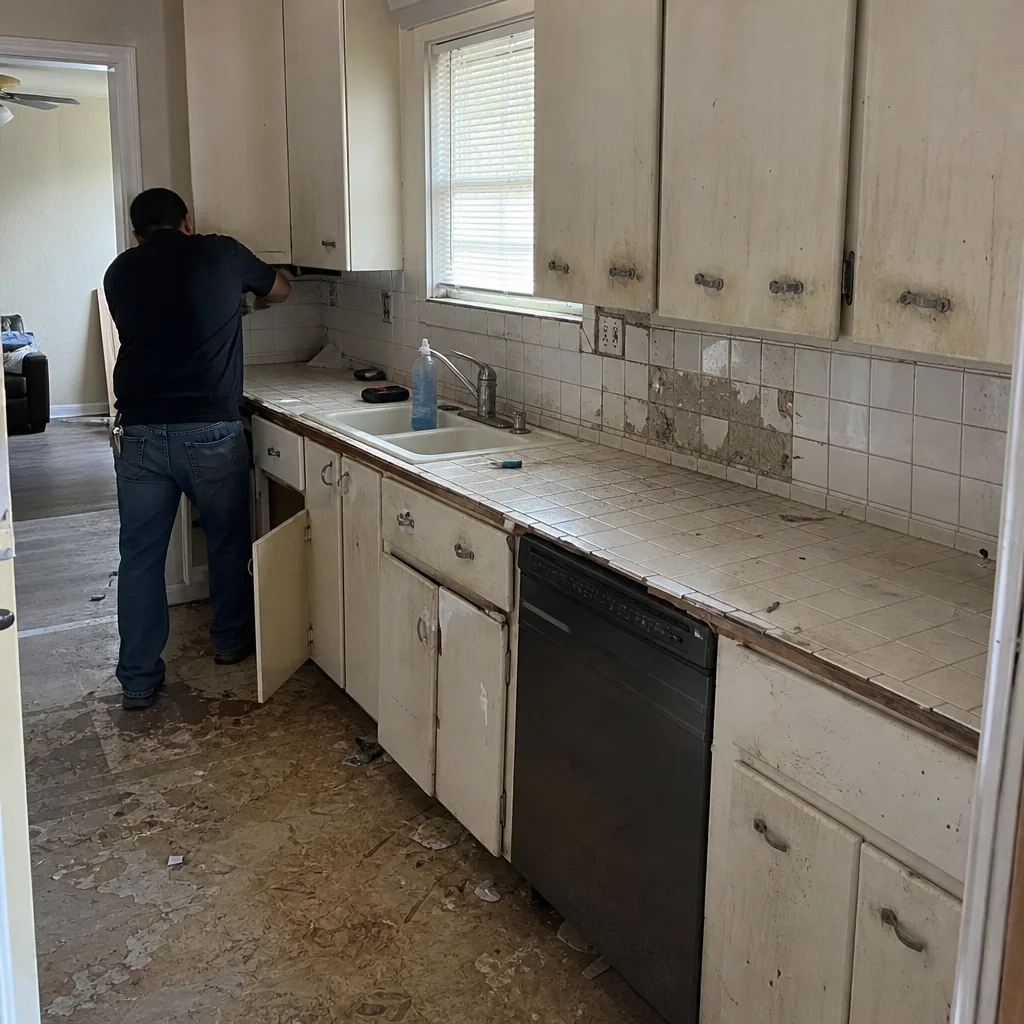 Before
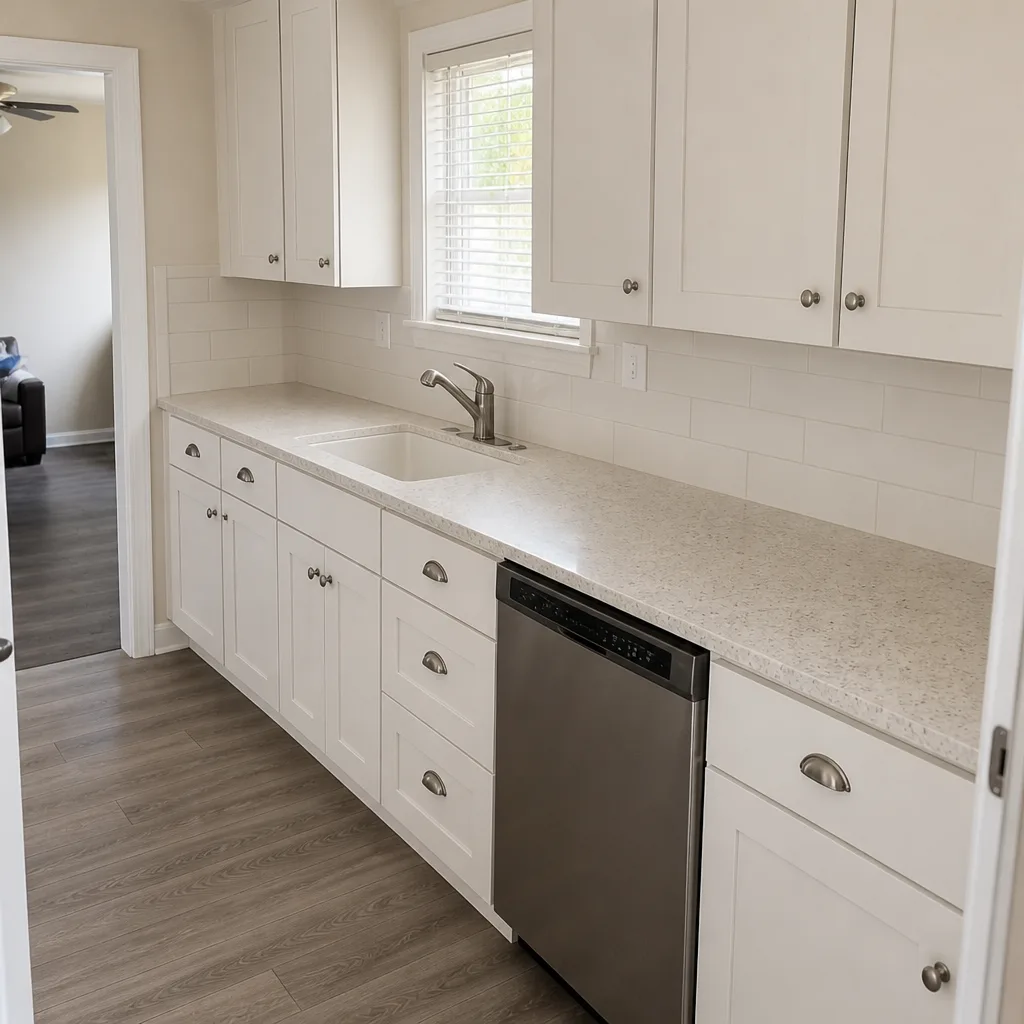 After
How to Choose a General Contractor in Dallas, TX: Screen for Permits, Clay, and a Written Price
Choose a general contractor in Dallas by testing three things before you sign anything: whether the contractor can show you permit numbers you can verify on the City of Dallas portal, whether they’ve worked on both pier-and-beam and slab-on-grade foundations over blackland clay, and whether they’ll hand you an itemized written price naming real material brands before any work starts. That’s the whole filter. Compare candidates against those three and most of the field drops away. If you’d rather have a written quote to compare against what you’ve already collected, Rowan Construction Group Dallas reviews any competitor estimate line by line at no charge – call (833) 954-5327.
Dallas isn’t a remodel town the way people assume. Between the no-zoning corridors that let land use shift block to block, the blackland clay that swells in wet springs and shrinks through dry summers, and the tear-down pace around Knox/Henderson and Lower Greenville, construction here leans toward foundation work and replacement rather than fixing up the old structure. A contractor licensed in a stable-soil market is a different kind of risk here. The screening questions below are built for this market specifically.
Key Takeaways
- Ask for permit numbers on two recent Dallas jobs and look them up yourself – a verbal “we always pull permits” isn’t evidence.
- The written-price test is the single best predictor: an itemized quote naming brands (not vague allowances) signals the discipline to manage scope changes.
- Ask which housing stock they work in most – 1950s one-story ranches in East Dallas and Oak Cliff are a different skill set than two-story infill.
- Demand documentation as a standard deliverable: a photo record of every visit, background-checked technicians, and a live person answering the phone mid-project.

What Should a Dallas Contractor’s Paperwork Actually Include?
In Texas, a general contractor should hold a Texas Residential Contractor registration and, for larger or structural projects, coordinate licensed tradespeople (electrical, plumbing) whose licenses you can also check. Ask for two things you can verify without taking anyone’s word for it:
- Permit numbers on two recent Dallas jobs. The City of Dallas runs a public permit portal. Write the addresses and permit numbers down and look them up. If the contractor can’t produce them, that tells you something. Dallas permitting has stretches that are notoriously loose, and no-zoning areas let a contractor skip steps that would be required elsewhere – which is exactly why you check.
- A written change-order policy. Not a verbal promise. A policy. Ask what happens when the substrate turns out worse than the bid assumed – because over clay, it will. A contractor with a real change-order process puts the added cost in writing and gets your signature before anyone lifts a tool.
This is where a documented standard matters more than a handshake. Under Clause 1 of The Haven Standard, the price is written before anyone starts – and no change proceeds until the change order is signed. That discipline is the reason Rowan Construction Group Dallas projects land within a few percent of the agreed cost across thousands of jobs. Compare that against a contractor whose quote is a number on a text message and whose change orders are a conversation at the kitchen counter.
Why Does Blackland Clay Change How You Screen a Dallas Contractor?
Because in Dallas, a project that starts as cosmetic can turn structural without warning – and the contractor who bids it needs to have seen it before. After a dry Texas summer, contractors across East Dallas and Oak Cliff get a wave of calls about doors that stick and diagonal cracks in the drywall. That’s blackland-clay foundation heave, and the honest fix is usually piers under the slab, not patching the drywall and repainting.
That reality shapes the questions you ask:
- “Do you work on pier-and-beam and slab-on-grade, or mostly one?” The post-war ranches in Oak Cliff and East Dallas sit on both. A contractor fluent in only one is only half-fluent in this city.
- “What do you do when you open a wall and find movement?” You want a described process – assess the substrate, report what was found in plain terms, price the fix in writing – not a shrug.
- “Which housing stock do you work in most?” A contractor who primarily does new builds on no-zoning infill lots and one who primarily remodels 1950s ranches have overlapping but distinct skill sets. Ask, then verify with references from homes like yours.
The same clay that heaves a foundation also loads a roof and stresses an exterior envelope through hot, humid summers and the occasional hard freeze. If the scope touches roofing, glass, or doors, ask which products they specify. Mr-Glass and Therma-Tru are names you can research; a quote that says “impact-rated glazing, allowance” is not a number you can compare. If your project touches foundations, structural walls, or anything load-bearing, bring in a trained professional for the assessment – diagnosis over clay is not a do-it-yourself job.
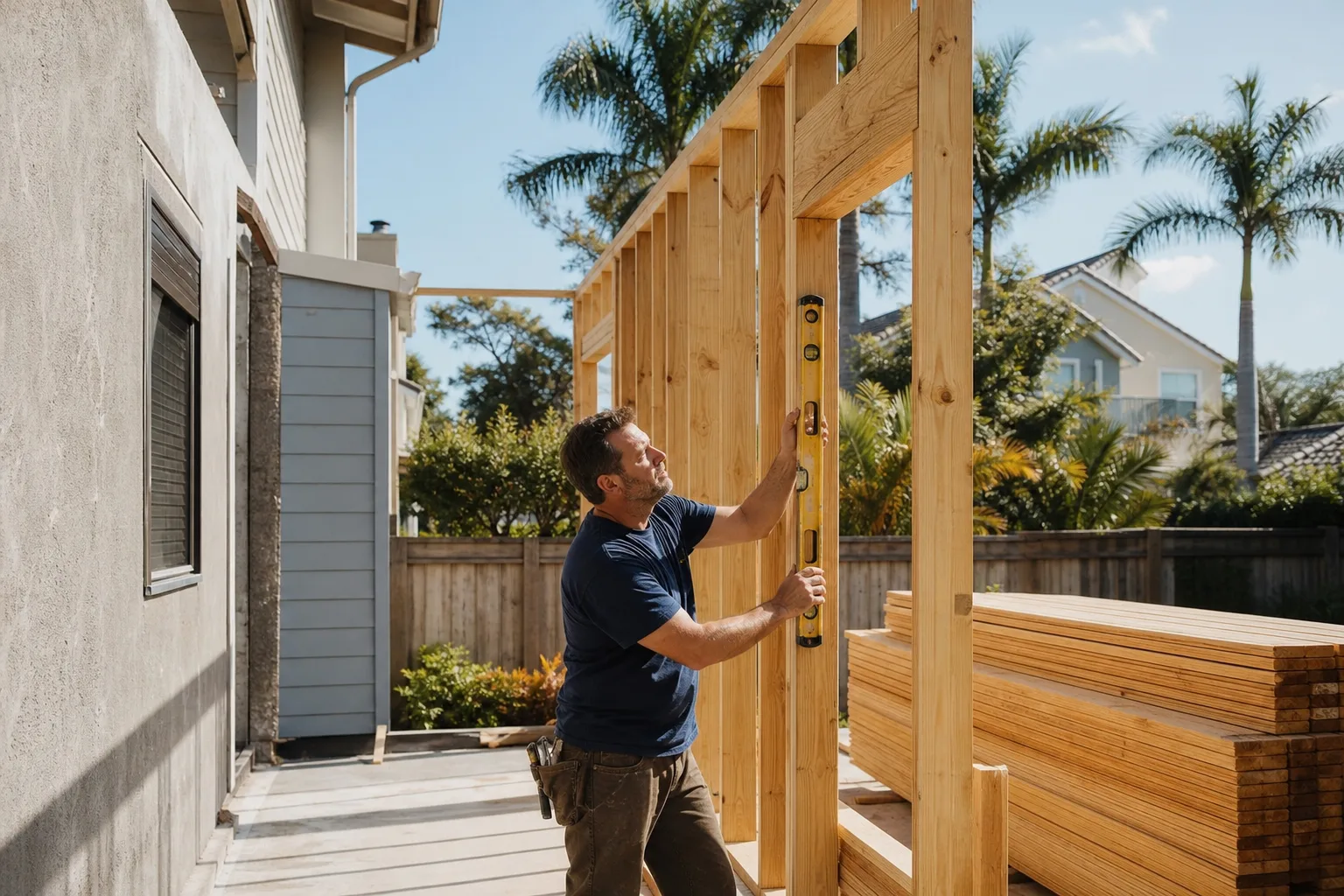
The Written-Price Test: The One Screen That Predicts the Rest
A contractor who delivers an itemized written quote before work starts – naming material brands, not vague allowances – has the administrative discipline to manage scope changes without mid-project surprises. That’s the test. Ask for the quote in writing before you sign anything else, and read how it’s built.
For context on what written prices look like in this Dallas market, so you can sanity-check a bid before it’s finalized:
| Project | Typical Dallas price range |
|---|---|
| Small kitchen remodel | $9,000-$20,000 |
| Full kitchen remodel | $14,000-$45,000 |
| Bathroom remodel | $9,000-$28,000 |
| Roof replacement | $8,000-$20,000 |
| Window replacement | $4,500-$15,000 |
| Paver driveway | $7,000-$18,000 |
| Home addition | $45,000-$130,000 |
| ADU construction | $90,000-$220,000 |
Treat these as screening ranges, not quotes – the specifics of your slab, your roofline, and your lot move the number. What matters is whether the contractor’s written bid falls inside a defensible range and explains itself. A line that says “cabinets: $X” without a brand is a placeholder. A line that names KraftMaid or Wellborn, Cambria or Caesarstone, is a real number you can compare. Rowan Construction Group Dallas quotes every trade – kitchen through home additions and ADUs – with a flat written price and a written scope before work begins, because “call for a quote” isn’t a process here, and a written price before any work starts is a flat offer, every time. You can see how that plays out across the trades on our home page.
What Documentation Should You Demand Beyond the Quote?
Ask for a photo record of every visit – as standard, not on request – plus background-checked technicians and a phone line where a live person answers during active work. These are operational signals, not marketing. A contractor who photographs what was found and what was done is building the record that matters if something needs fixing later. A warranty backed only by a handshake is different from a documented 365-day promise, and the difference shows up exactly when a dispute does: one side has a photo record dated before the problem, the other has a story.
Frequently Asked Questions
General contractor pricing in Dallas is scoped per project rather than billed as a flat fee, so compare written quotes against ranges like these: a bathroom remodel runs $9,000-$28,000, a full kitchen remodel $14,000-$45,000, a roof replacement $8,000-$20,000, and a home addition $45,000-$130,000. The number moves with your foundation type and what the clay reveals once walls open. Call (833) 954-5327 for a written estimate in Dallas – the review is free.
Texas doesn’t issue a single statewide “general contractor” license, so the meaningful checks are a Texas Residential Contractor registration, licensed plumbing and electrical tradespeople on structural jobs, and verifiable City of Dallas permit history. Ask for two recent permit numbers and confirm them on the city portal. Call (833) 954-5327 and we’ll walk you through exactly what to verify.
Yes – and you should confirm any Dallas contractor you hire can, because the city’s older housing stock is split between the two. Post-war ranches in East Dallas and Oak Cliff often sit on pier-and-beam or shallow slab over expansive clay, and the fix for movement differs by foundation type. Our technicians have up to 19 years of experience across both. Call (833) 954-5327 to talk through your specific property.
Usually repair – pier-and-beam leveling and slab-pier work almost always cost less than replacing a structure, and a written quote is the only way to know which applies to your home. That’s the point of an itemized assessment: it tells you whether the movement is cosmetic or structural before you commit. Call (833) 954-5327 for a no-pressure assessment and a written price.
If you’d rather have your shortlist checked before you sign, Rowan Construction Group Dallas offers a no-pressure assessment in Dallas – bring any competitor’s written estimate and we’ll review it line by line at no charge. Call (833) 954-5327 for a written quote on your project, and put the paperwork where you can see it.
Written by the team at Rowan Construction Group Dallas, serving Dallas, TX.