


Free written scope consultation - allowances, timeline, and change-order rules on paper before a single trade is scheduled
Styles & brands we work with
- Kitchen remodeling
- Bathroom remodeling
- Home additions & ADU
- Roofing
- Windows & doors
- Driveway & pavers
- Fence
See the difference
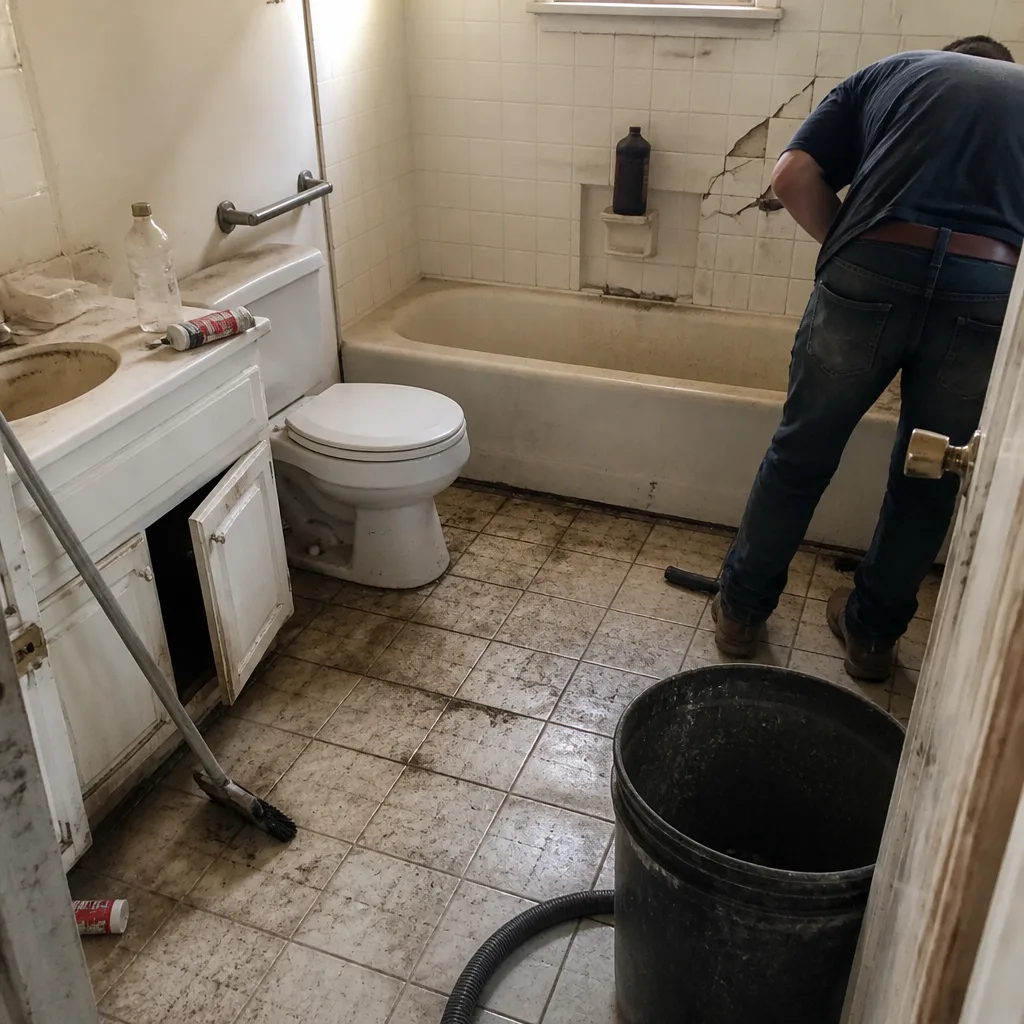 Before
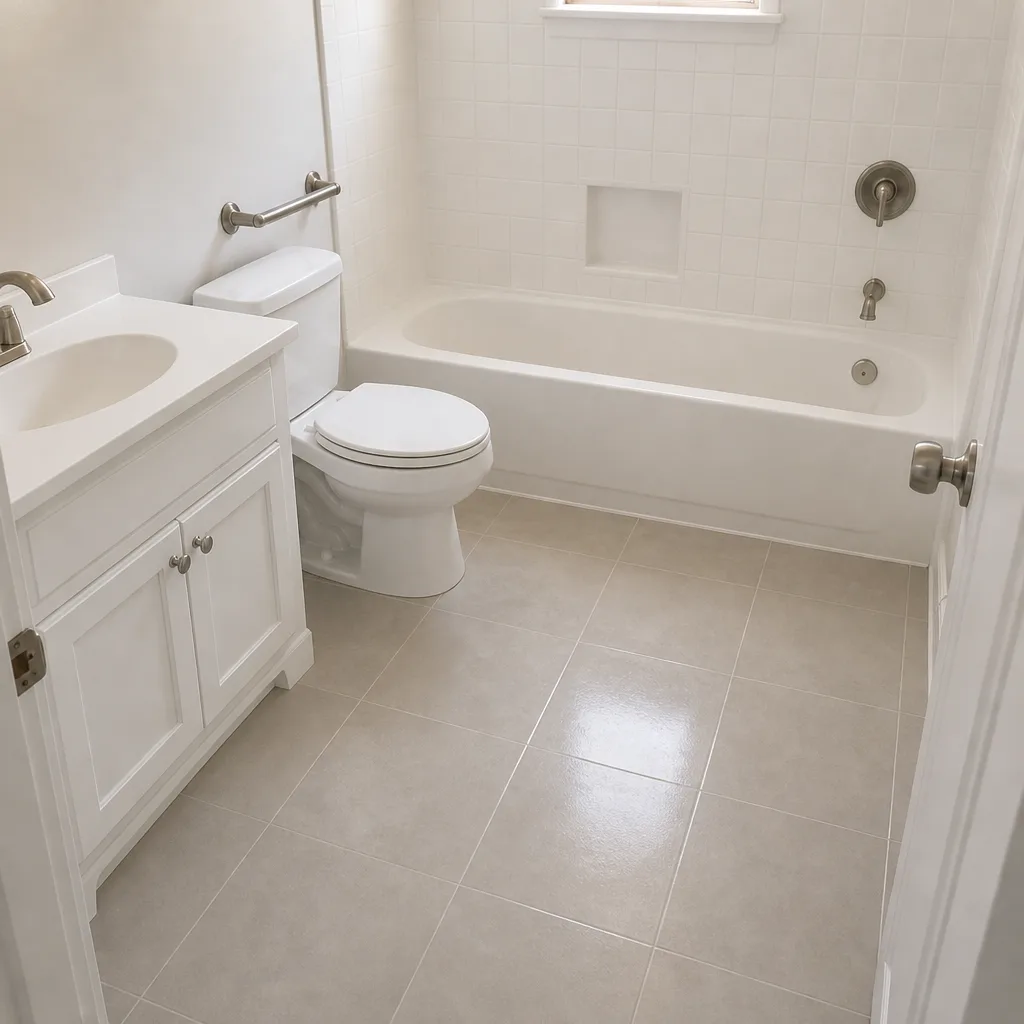 After
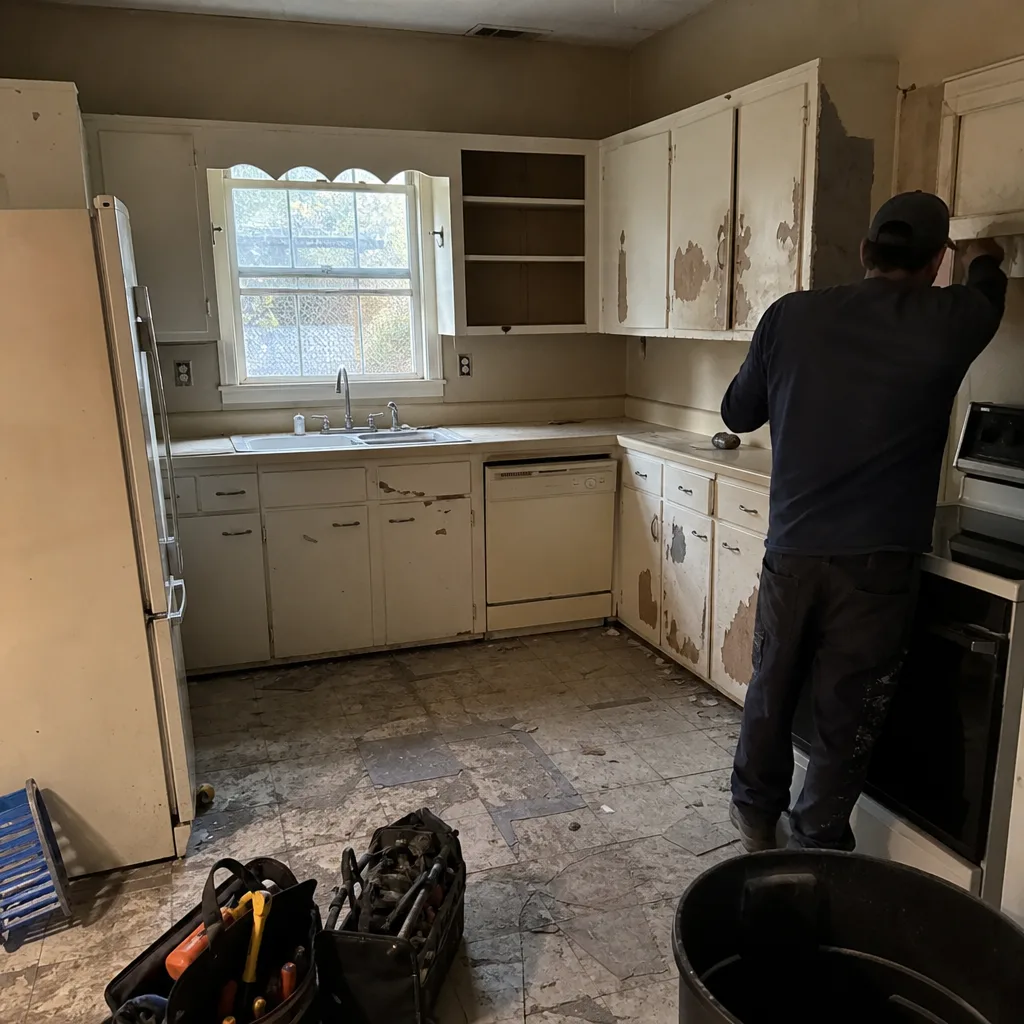 Before
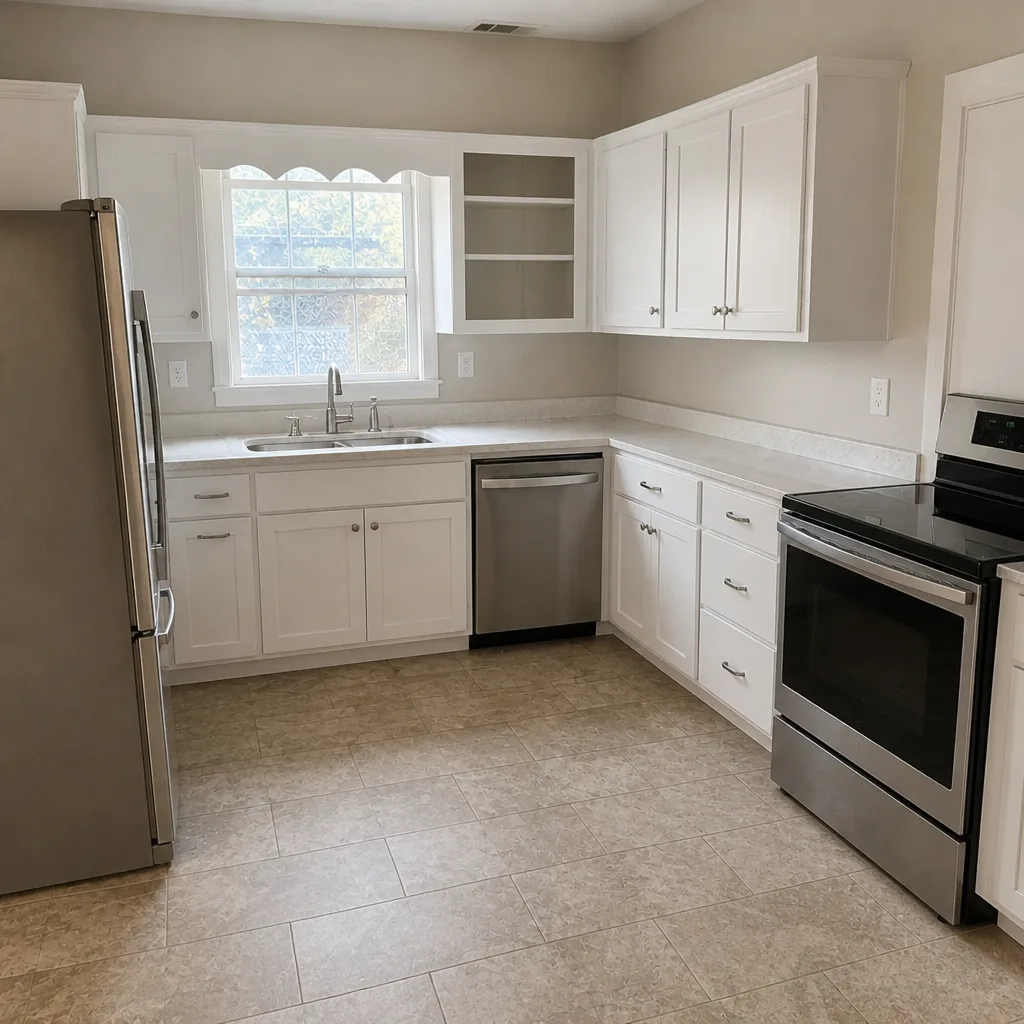 After
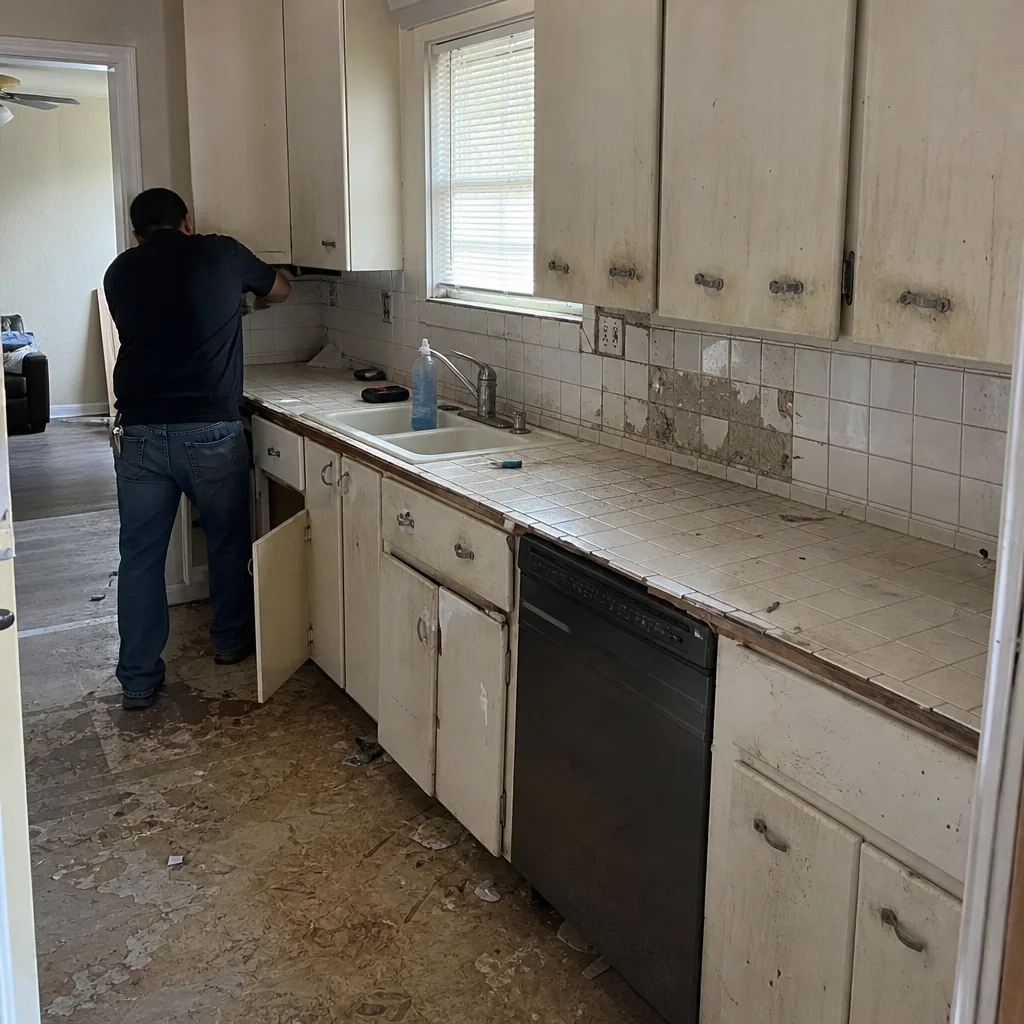 Before
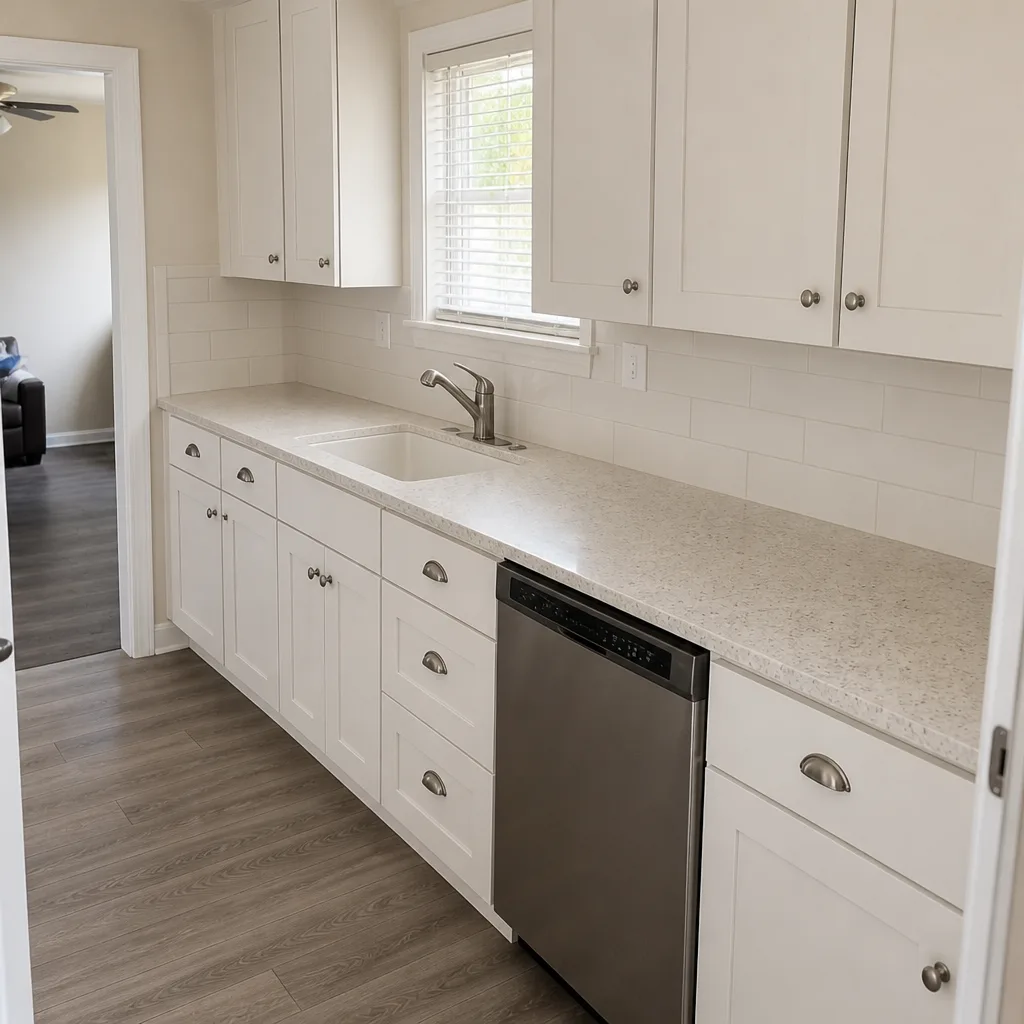 After
General Contractor vs Handyman in Dallas: Choose a General Contractor Unless the Job Is Truly Cosmetic
Choose a general contractor when the work touches your foundation, load-bearing walls, roof deck, or anything that requires a permit in Dallas - and choose a handyman only for surface-level fixes like a sticking cabinet door or a new light fixture. Here’s the reason it matters in this city specifically: Dallas sits on blackland clay that swells and shrinks between wet springs and dry summers, so a diagonal drywall crack in a 1950s Oak Cliff ranch is usually a foundation symptom, not a wall problem. Patching it without addressing the pier movement under the slab creates insurance and resale problems that outlast the repair. Call (833) 954-5327 for a written price before any work starts.
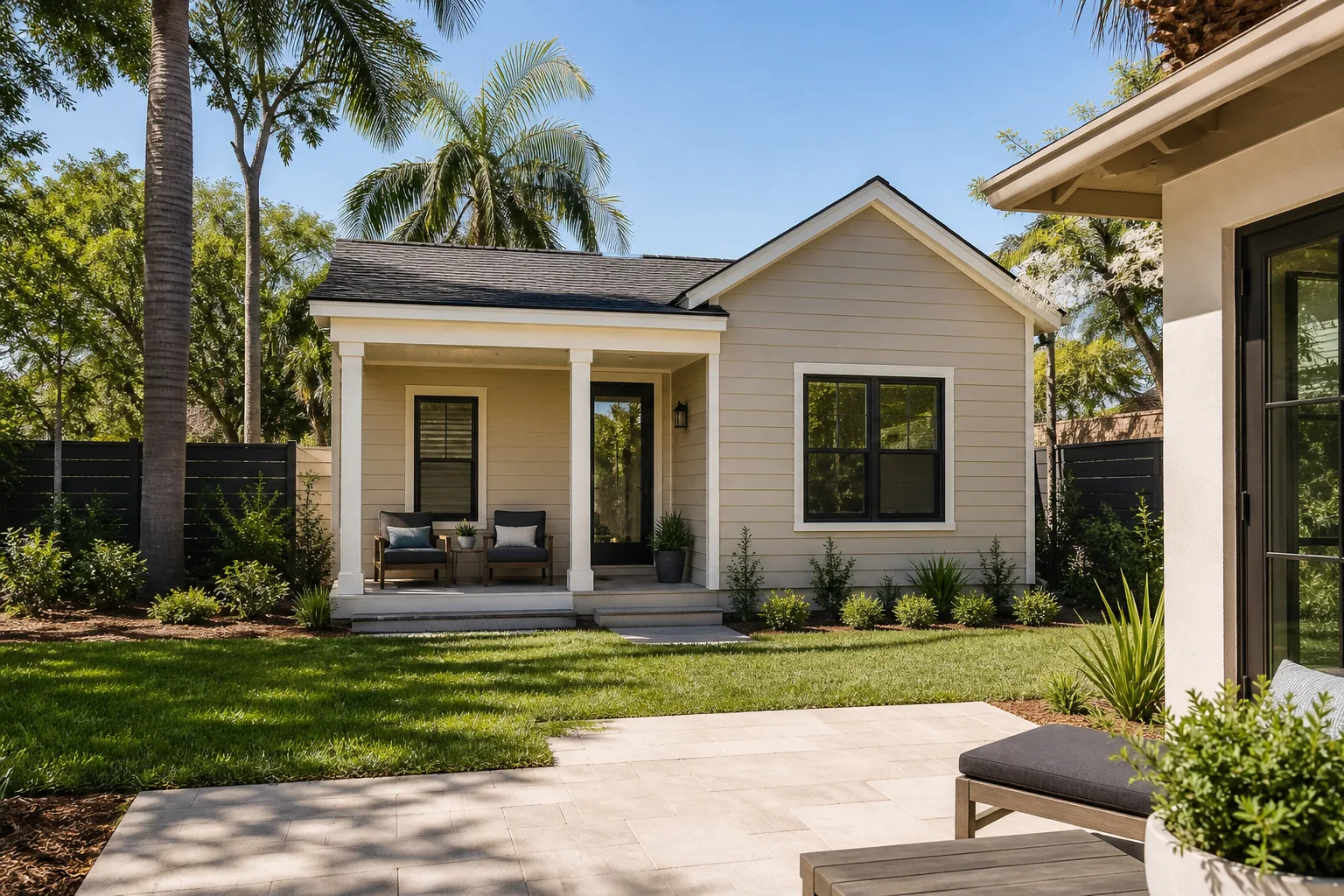
What actually separates a general contractor from a handyman in Texas?
The legal line is clearer than most homeowners realize. A general contractor in Texas holds a business license, pulls permits for the work, and carries general liability insurance plus workers’ compensation coverage for the crew on site. A handyman operating on a single job worth more than $10,000 without that license is working illegally under Texas Occupations Code 1305. That statute isn’t a technicality - it’s the state drawing a line where unpermitted, uninsured work starts putting homeowners at real financial risk.
Here’s the practical version. Under Texas law:
- Permits: Work with a permit is inspected and documented. Handymen generally can’t pull permits, so structural or trade work under their watch skips inspection entirely.
- Insurance: If a crew member is injured on your property and the “contractor” has no workers’ comp, your homeowner’s policy can be pulled into the claim.
- Liability: A licensed GC carries liability covering damage to your home. A handyman’s $400 patch job has no such coverage if something fails six months later.
- Licensed subs: Structural, electrical, plumbing, and roofing work in Dallas requires licensed subcontractors working under a GC’s permit. A handyman has no legal path to line those trades up.
Texas draws this line precisely because the consequences of ignoring it fall on the homeowner, not the handyman. When we quote a job under The Haven Standard, that’s part of what the written price covers: permits, insurance, licensed subs, and the paper trail that makes the work defensible at resale.
Where the handyman-to-GC line matters most in Dallas
Not every Dallas job needs a general contractor. A handyman is a reasonable choice for a new faucet, a screen door, a light fixture swap, or a fresh caulk line. The three project types where the line actually matters - and where we see DIY and handyman work go wrong regularly - are structural in nature.
Anything touching the foundation system
Dallas’s expansive clay soil heaves foundations during our long dry summers and pushes back in wet springs. Post-war 1950s and ’60s ranches throughout East Dallas and Oak Cliff sit on pier-and-beam or shallow slab foundations over that clay, and the movement is annual. A handyman can patch the interior crack the movement leaves behind for around $400. A general contractor explains that the crack is a symptom, and that the fix belongs under the slab, not on the drywall.
Load-bearing walls in older Dallas ranches
The single-story brick ranches that dominate the older neighborhoods weren’t built with future open-concept plans in mind. Removing a wall that carries load without an engineer’s assessment, a permit, and a properly spec’d beam is the kind of project that looks fine until an inspector or a buyer’s structural report finds it. That’s not a handyman’s job, and no honest handyman should take it.
Roof decks after Dallas hail
North Texas sits in one of the most active hail corridors in the country, and roofs are the number-one insurance claim in the area. A handyman replacing shingles on a hail-damaged deck without a permit or an insurance inspection can void the claim and leave the homeowner holding the cost of a full replacement. Roofing under a GC’s permit, using materials from IKO or Owens Corning, and documented with photos is the version that holds up when the adjuster comes back.
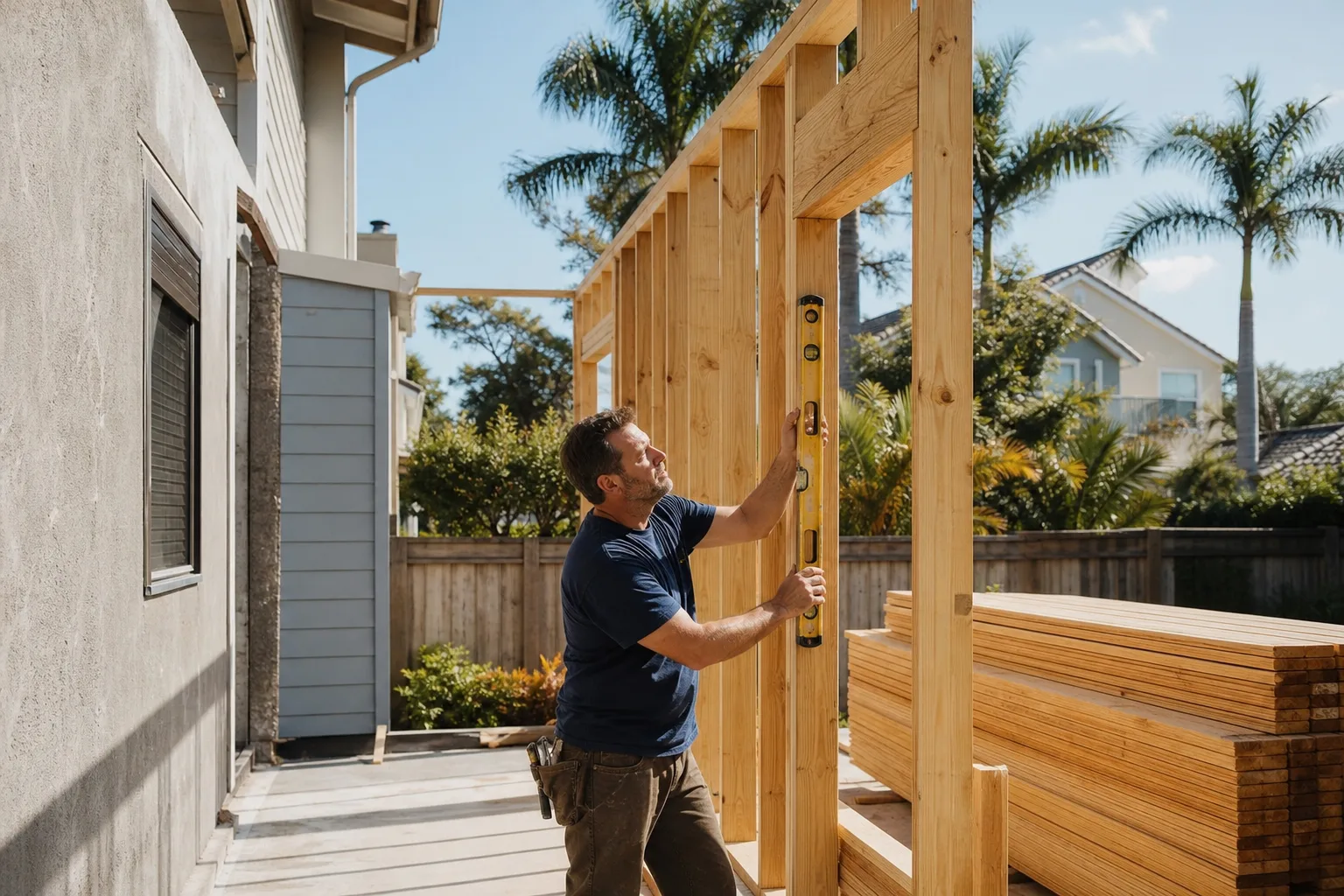
The documentation asymmetry that costs money later
This is the part of general contractor vs handyman conversations that gets skipped, and it’s the one that matters at your closing table. Dallas title companies and buyer’s inspectors increasingly flag unpermitted work and demand documentation before a sale moves forward. What a homeowner has in hand after a handyman finishes is a verbal promise and an invoice. What you should have in hand after a GC project is a written scope, a signed change order for any cost change, a documented photo record of every visit, and a written warranty. That’s not paperwork for its own sake - it’s evidence.
Under Clause 1 of The Haven Standard, the price is written before anyone picks up a tool. No work proceeds on a change until the change order is signed. Every visit ends with a photo record included as standard, not as an upgrade. The 365-Day Done Right Promise stands behind the work if it isn’t done right. Our quote isn’t an estimate, because we don’t offer those - it’s a flat written price with a written scope and a written warranty.
What the real costs look like in Dallas
Yes, a general contractor’s written quote comes in higher than a handyman’s verbal estimate. That’s because the GC’s overhead is real - permits, insurance, licensed subs, documentation, warranty. But the written price is the whole price, while a handyman’s $400 verbal estimate is a starting point that can drift. Here’s how the two compare on real Dallas projects:
| Project | Handyman-legal? | GC written price range |
|---|---|---|
| Patch a diagonal drywall crack (cosmetic only) | Yes | $400-$800 (patch only, doesn’t fix cause) |
| Roof repair on hail-damaged deck | No - needs permit and licensed roofing | $400-$1,800 |
| Full roof replacement (IKO or Owens Corning) | No | $8,000-$20,000 |
| Small bathroom remodel | No - plumbing and permit | $5,000-$12,000 |
| Full bathroom remodel | No | $9,000-$28,000 |
| Kitchen remodel | No - electrical, plumbing, cabinetry | $14,000-$45,000 |
| Home addition | No | $45,000-$130,000 |
Notice the pattern. The handyman is the right answer for that first line and roughly nothing below it. Every project past the drywall patch involves trades that must operate under a GC’s permit and a licensed subcontractor’s insurance. For a Dallas homeowner weighing the number on the invoice against what the number actually covers, the gap narrows considerably. Our technicians have up to 19 years of experience across all seven residential trades we handle, and we’ll give you a free second opinion on any written estimate you’ve already received.
Common Dallas scenarios
The one that comes up most often: a 1960s pier-and-beam home in East Dallas, where a handyman re-hangs a sticking door for a couple hundred dollars without ever looking at the pier that settled. It works for a season. Then the next foundation inspection - the one ordered by the buyer’s agent at closing - comes back with a repair demand, and the sticking door becomes a $5,000-$15,000 credit at closing. That’s the cosmetic-fix-on-a-structural-problem trap that defines this market, and it’s why foundation-adjacent repairs almost always belong with a general contractor.
Knox/Henderson and Lower Greenville add another wrinkle. The modern infill townhomes next door to 1950s one-stories and the City of Dallas’s often-lax permitting in no-zoning areas mean a contractor here needs to be fluent in both building styles and in what the permit actually requires. A handyman who’s never pulled a permit isn’t equipped to tell you when one is required, and neither is a homeowner facing a complex zoning situation.
FAQs
In Texas, a handyman working on a single job worth more than $10,000 without a general contractor’s license is operating illegally under Texas Occupations Code 1305. Anything below that threshold for purely cosmetic or non-permitted work is generally fine. Project scope, not just dollar amount, is the other determinant - work needing a permit or licensed trade involvement crosses the line regardless of price.
No. Foundation work - piers, slab leveling, pier-and-beam correction - requires a permit, engineered plans, and licensed subcontractors working under a general contractor’s permit in Dallas. A handyman patching the drywall crack without addressing the foundation underneath is the classic cosmetic-fix-that-fails scenario. Call (833) 954-5327 and we’ll tell you plainly whether your crack is a foundation symptom or an actual wall issue.
Because the GC’s written price covers the permits, general liability insurance, workers’ comp, licensed subs, and documentation that the handyman’s verbal estimate omits. The written price is the whole price - a flat number with a written scope and a written warranty. The verbal estimate is a starting point that can drift. We’ll give you a free second opinion on any written estimate you’ve got, line by line, before you decide.
Yes, increasingly so. Dallas title companies and buyer’s inspectors flag unpermitted work more consistently than they did a few years ago, and buyers’ agents routinely demand documentation or a credit at closing. A signed change order, a written warranty, and a documented photo record from every visit is the version of the project that clears inspection without a fight. That’s not a sales pitch - it’s what the paperwork is for.
Talk to us before you commit either way
If a handyman is the right call for your job, we’ll tell you so. If it’s a general contractor project, you’ll have a written price before anyone picks up a tool. Call Rowan Construction Group Dallas at (833) 954-5327 for a no-pressure assessment in Dallas - free estimates, signed change orders, and a documented photo record on every visit.
Written by the team at Rowan Construction Group Dallas, serving Dallas, TX.